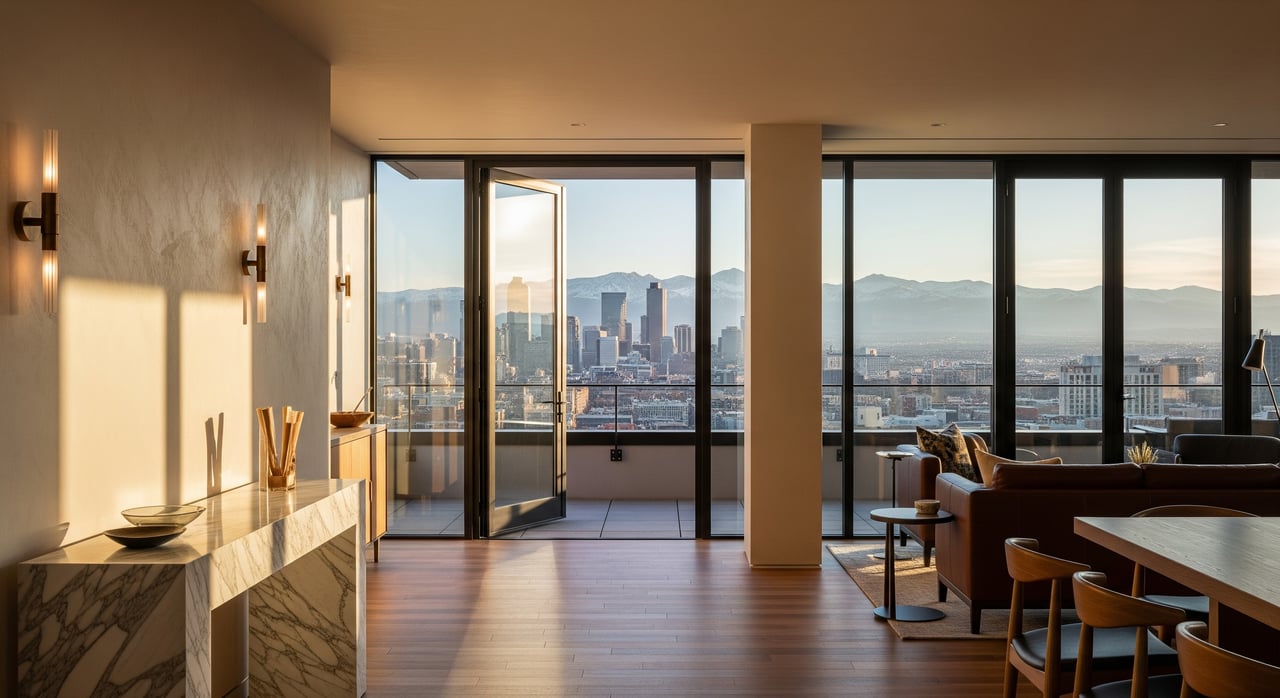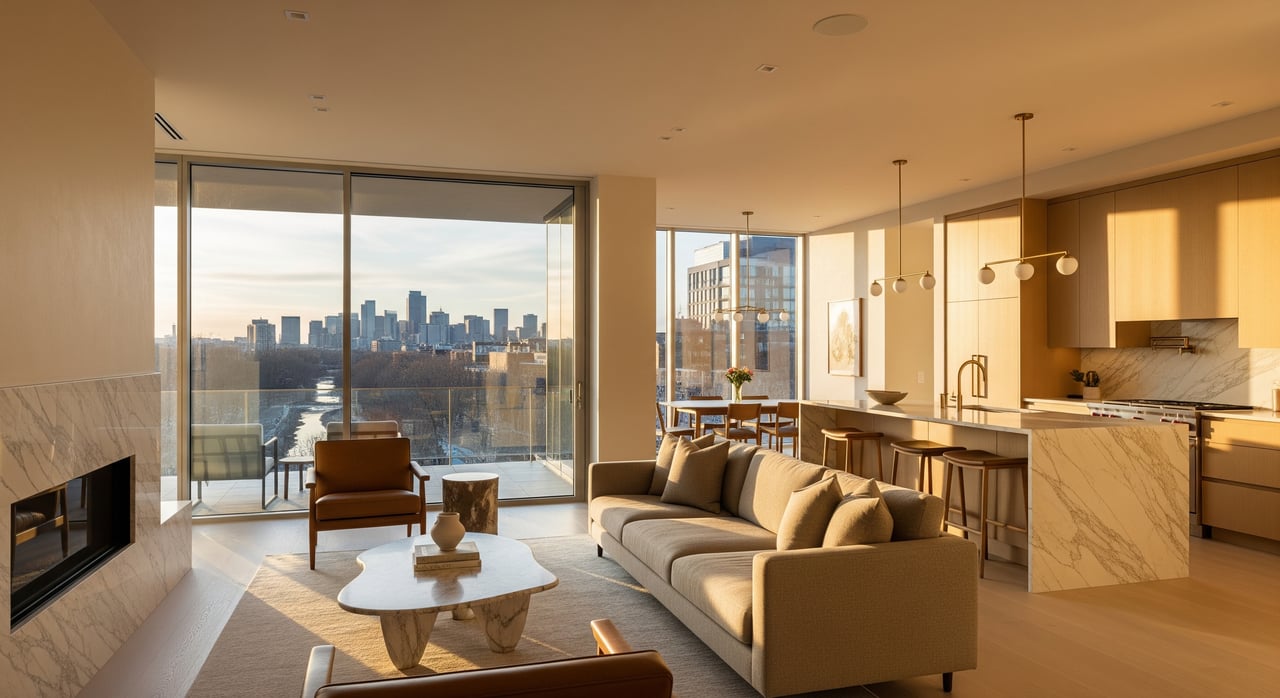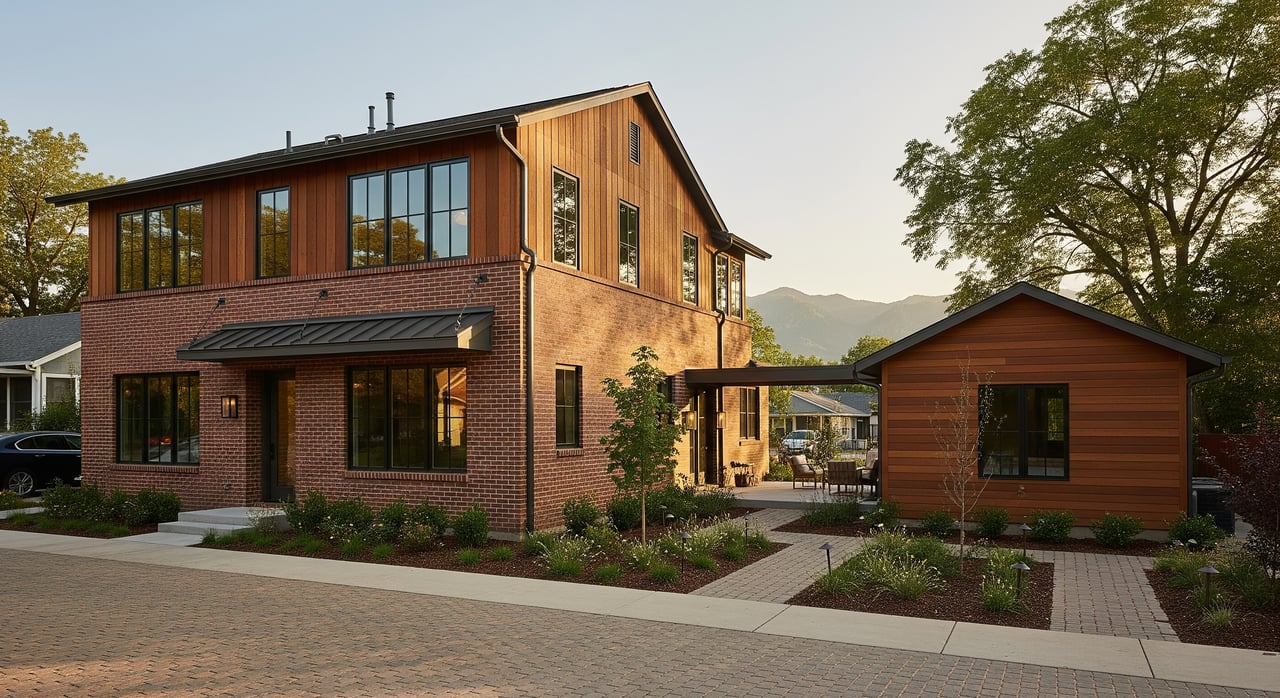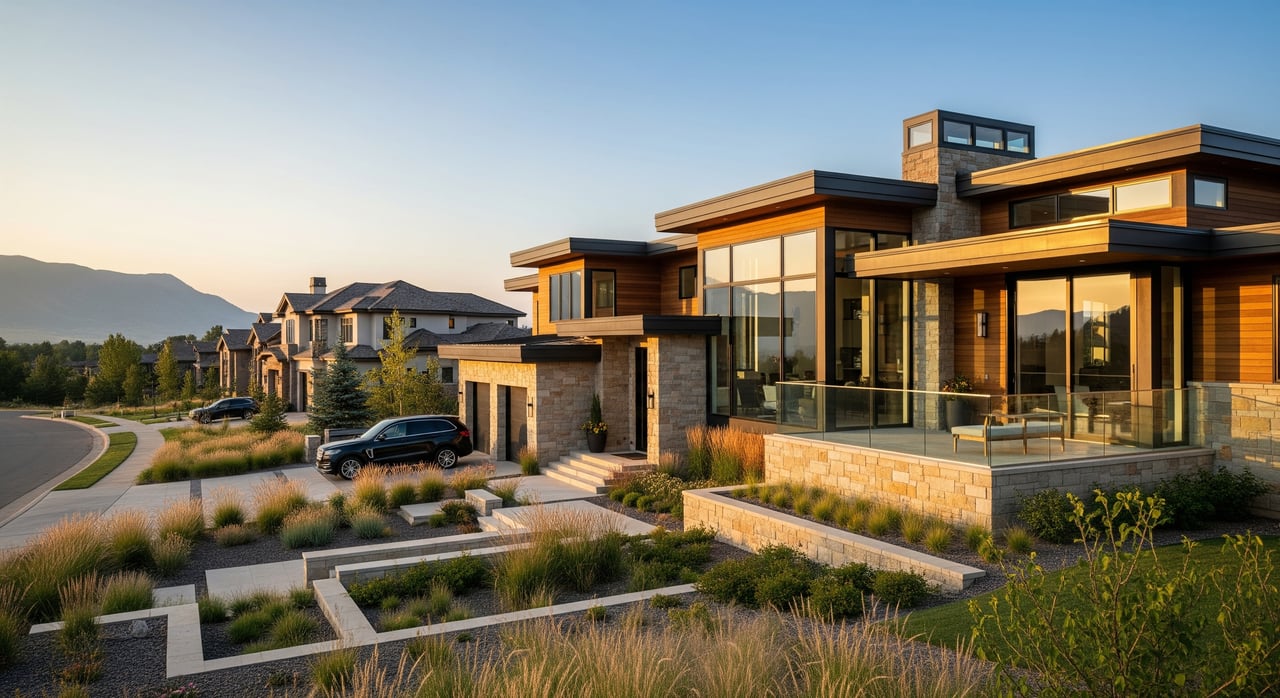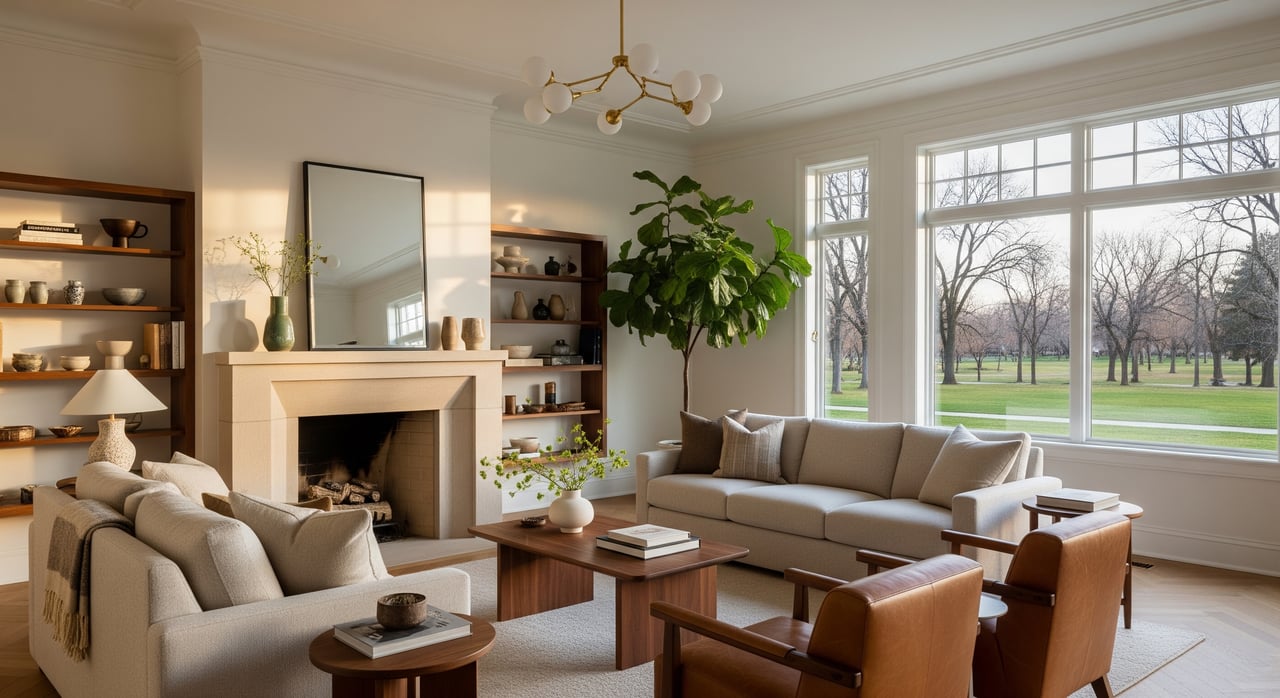
You get one chance to make a first impression online, especially in Washington Park where buyers move fast and expect polish. Choosing between physical staging and virtual staging can feel like a big call. You want the best return, the right look, and a plan that fits your timeline. This guide breaks down what each option is, how they play in Wash Park, the pros, cons, likely costs, and a simple decision path you can use right now. Let’s dive in.
What staging and virtual staging mean
Physical staging
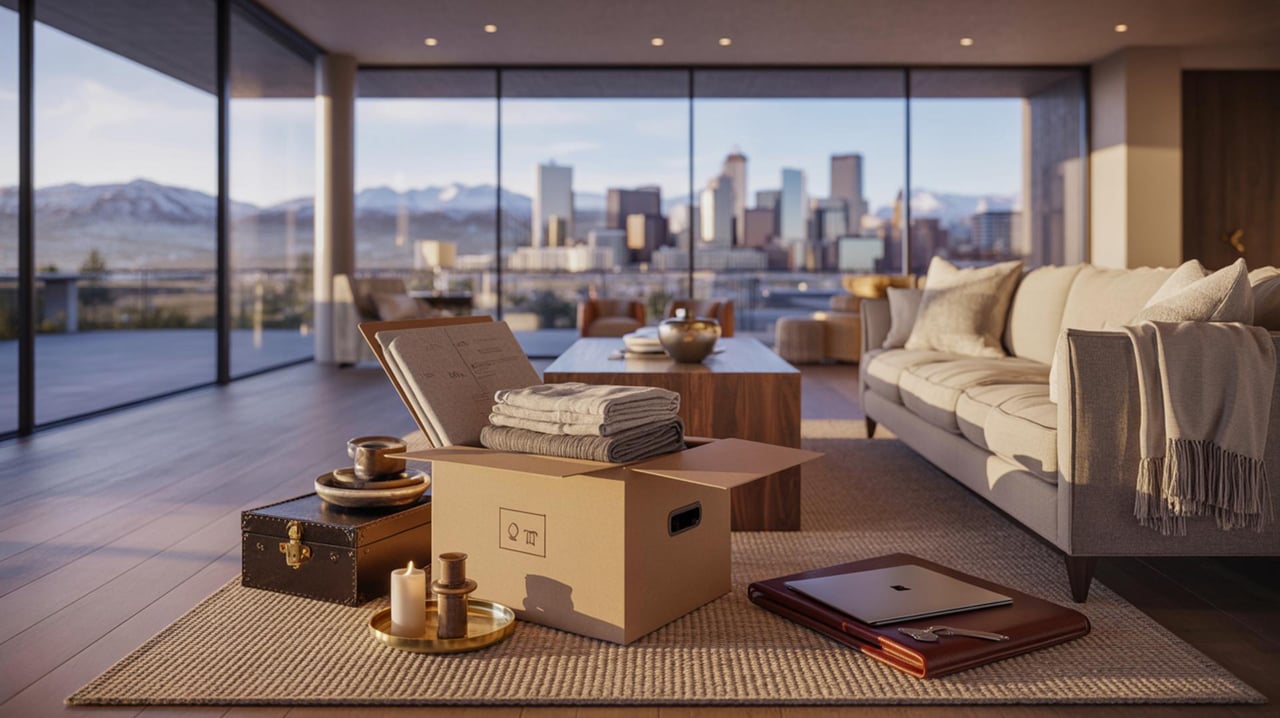
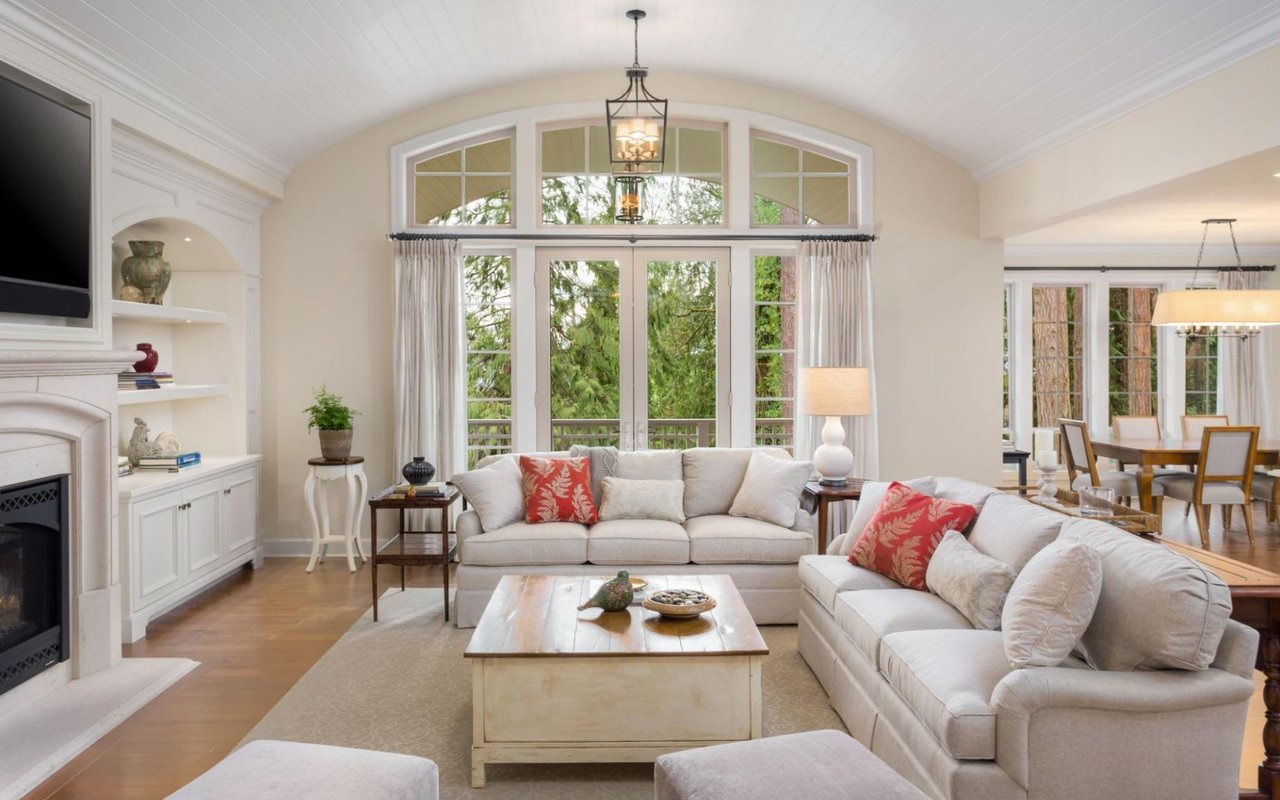
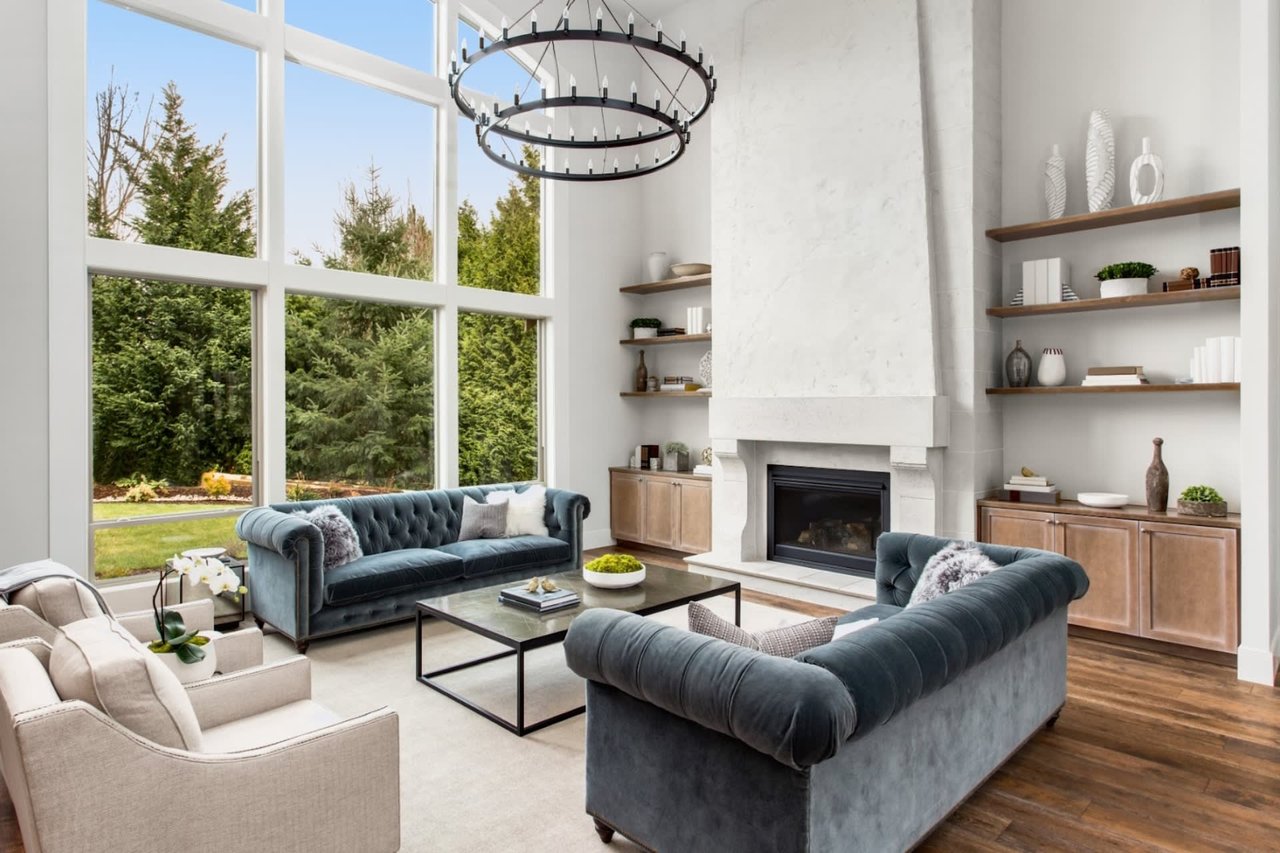
Physical staging brings in real furniture, rugs, art, and accessories to show scale and lifestyle. It can be full-home, partial for key rooms, or a consult where a pro gives a plan you implement. Physical staging shines during showings and open houses because buyers experience the space in person.
Virtual staging
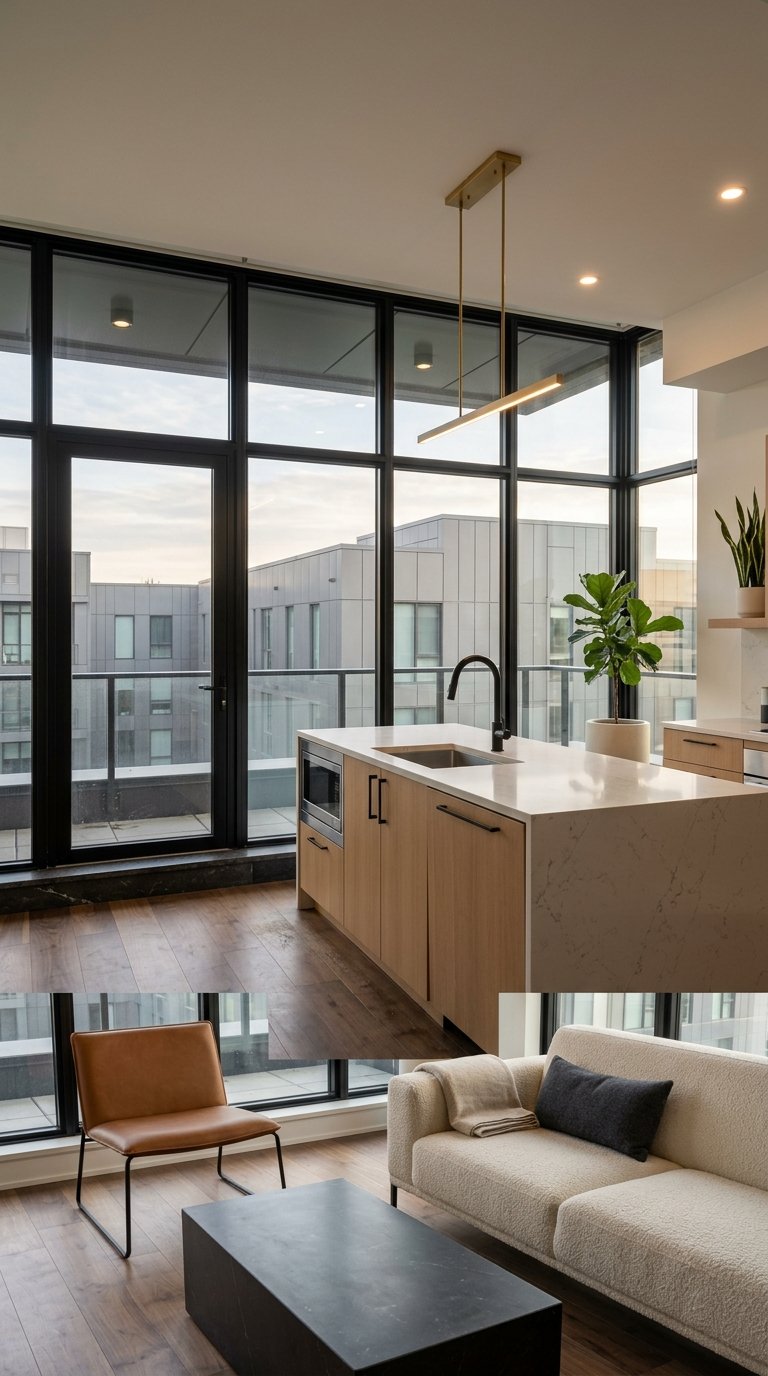
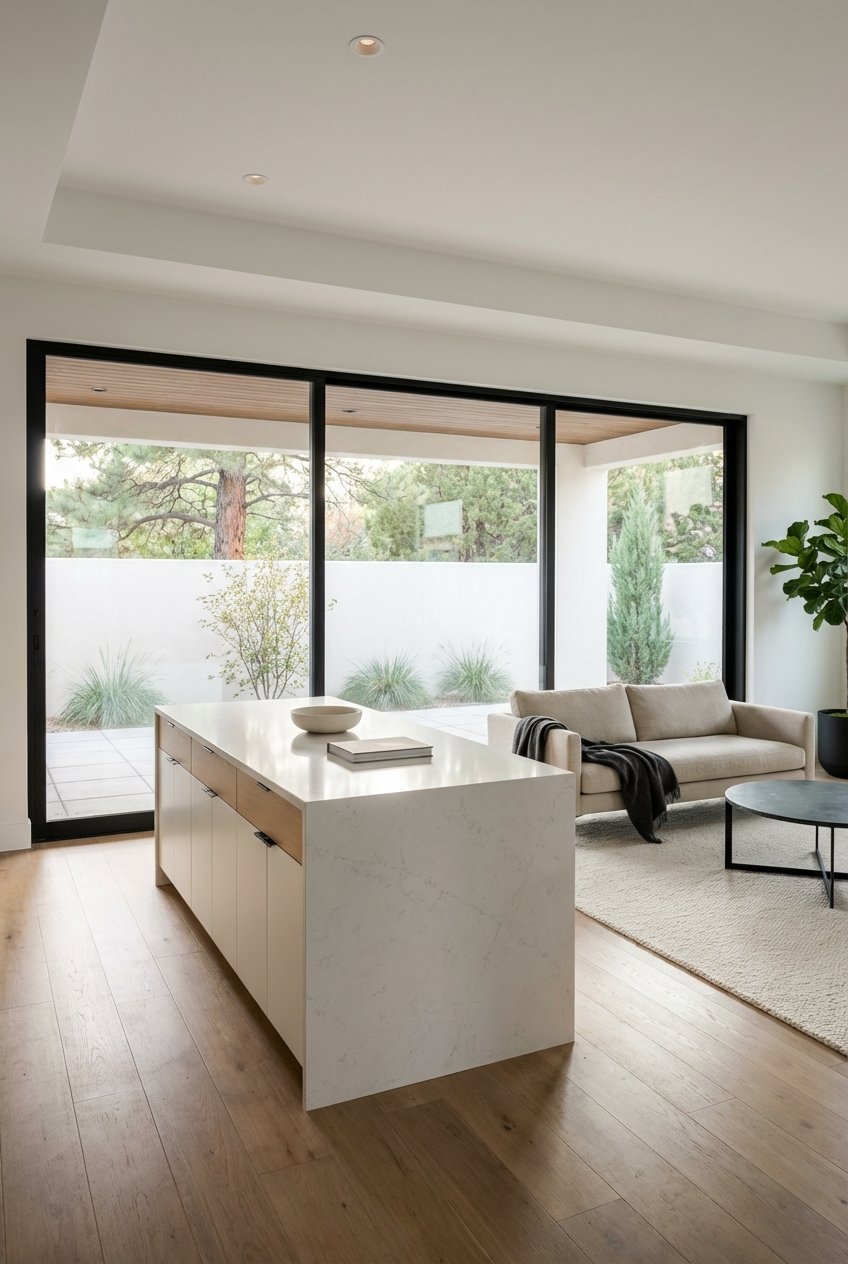
Virtual staging adds digital furniture and decor to listing photos, typically for vacant or lightly furnished rooms. Options include full virtual rooms, virtual decluttering, small cosmetic tweaks, and virtual twilight effects. It is fast and cost-effective for photos and online marketing, but it does not change how a home feels during an in-person tour.
Hybrid options
- Physically stage key rooms. Use virtual staging for less critical spaces.
- Stage for showings. Use virtual staging to enhance online photos for vacant or cluttered rooms.
- Declutter, shoot pro photos, and virtually stage the living room and primary bedroom for maximal online impact.
Washington Park context
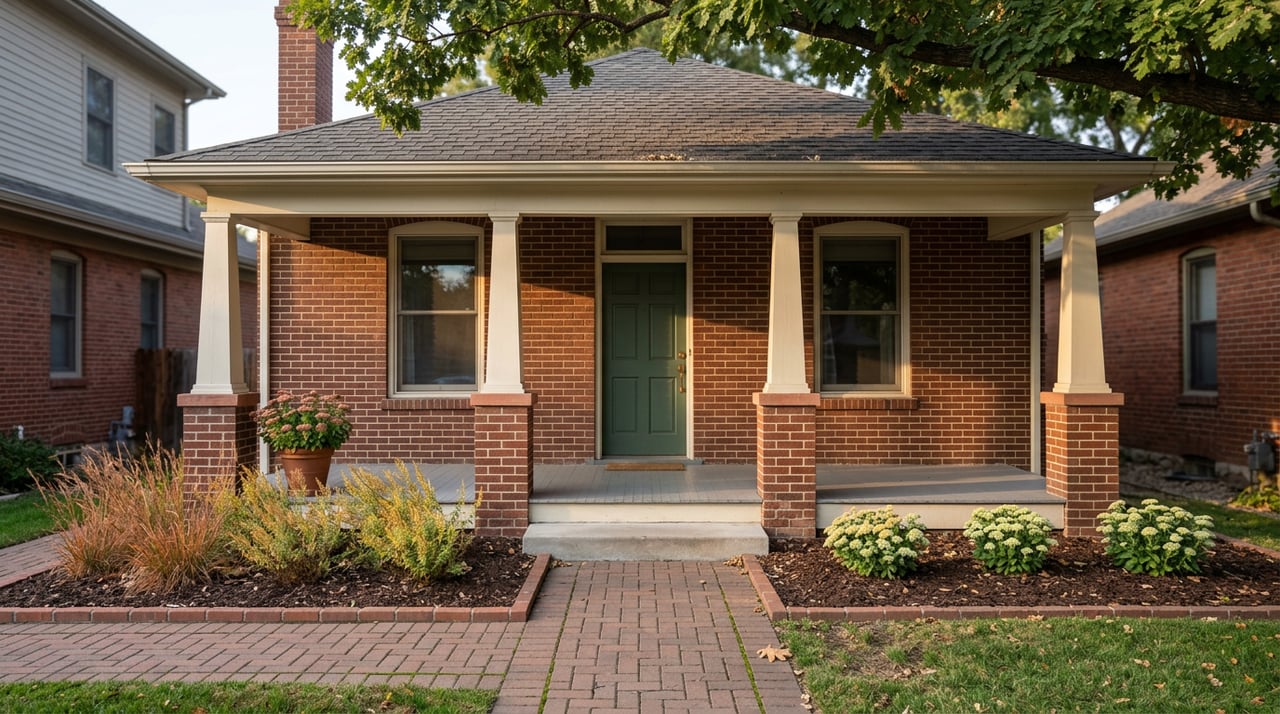
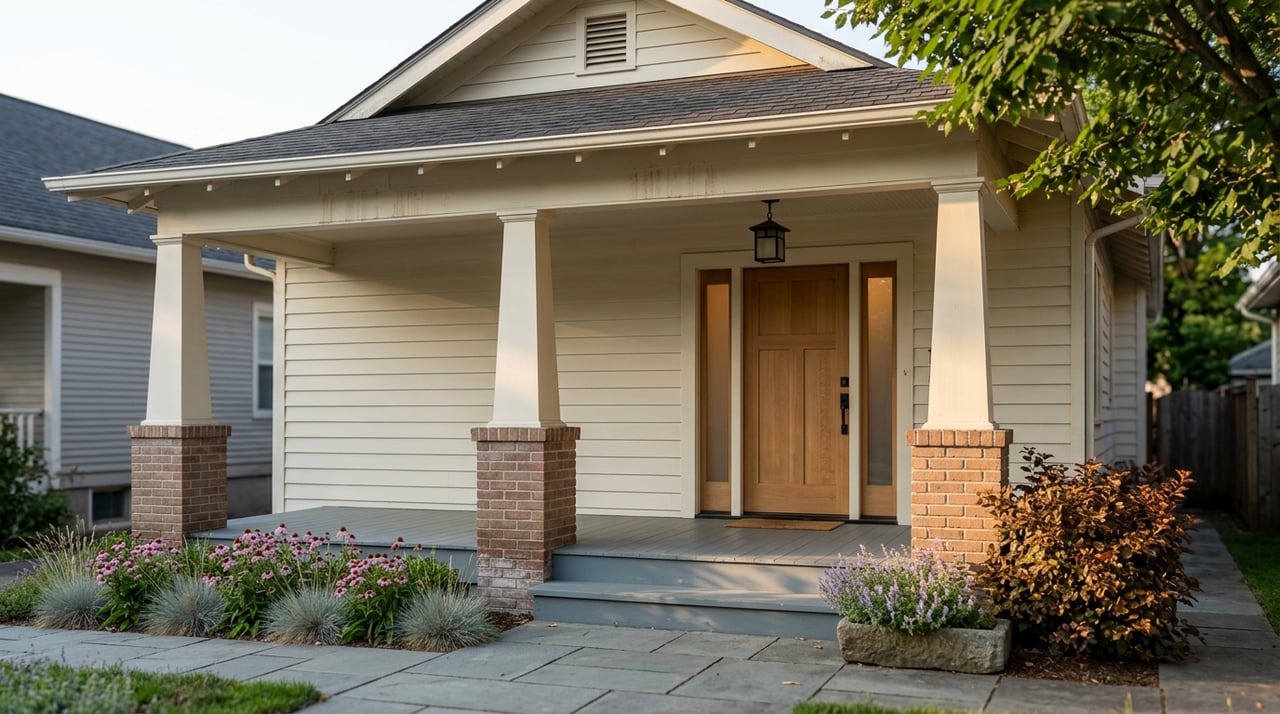
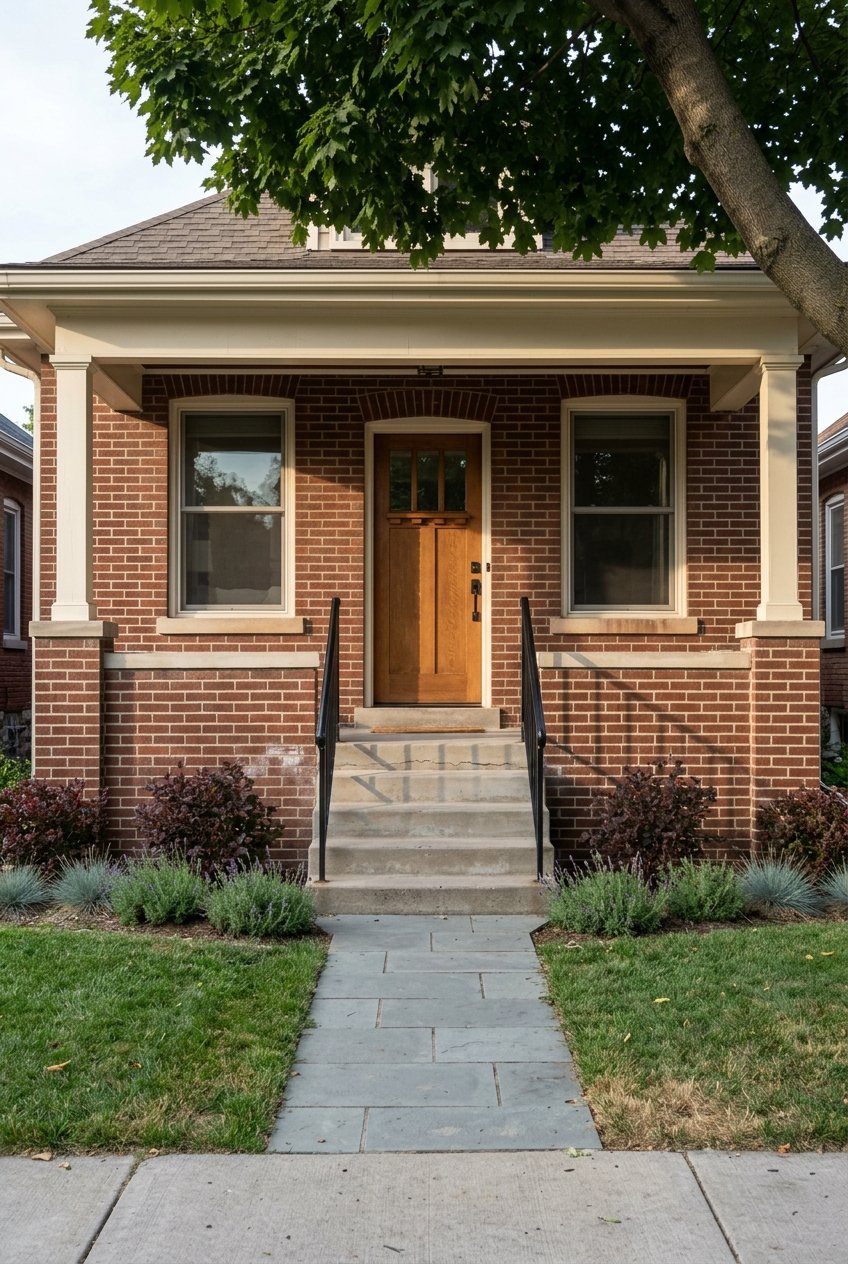
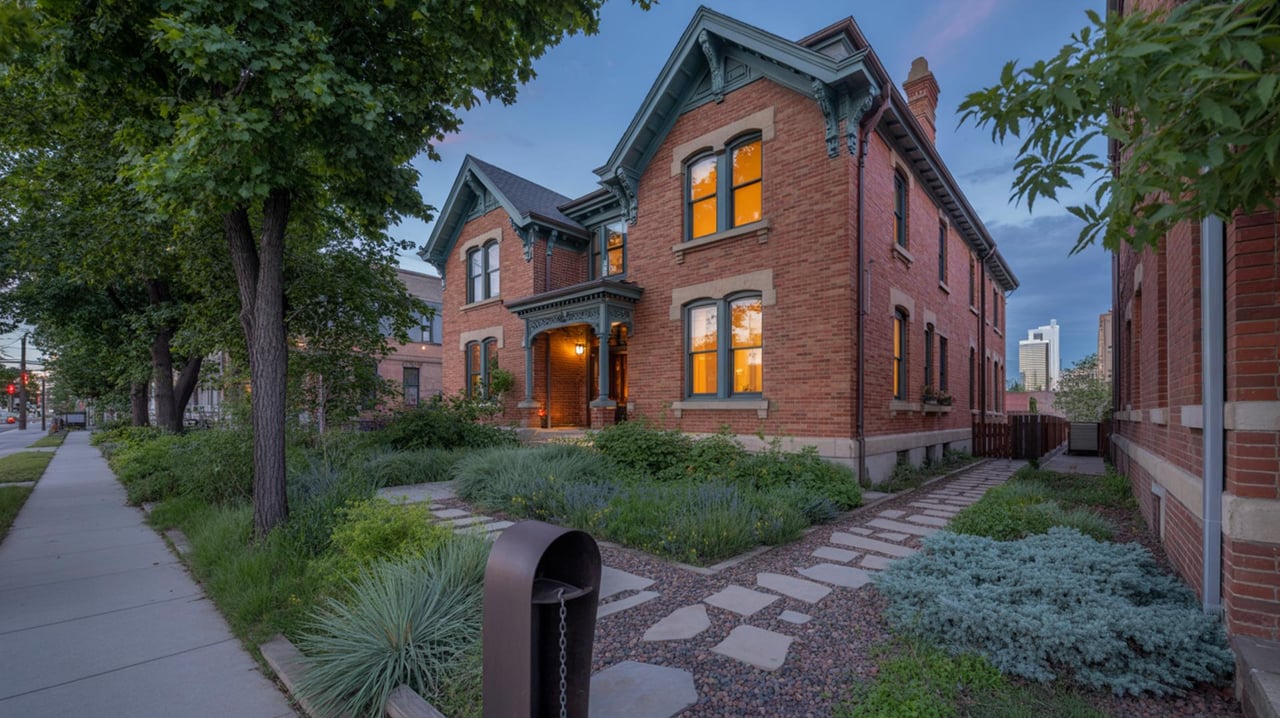
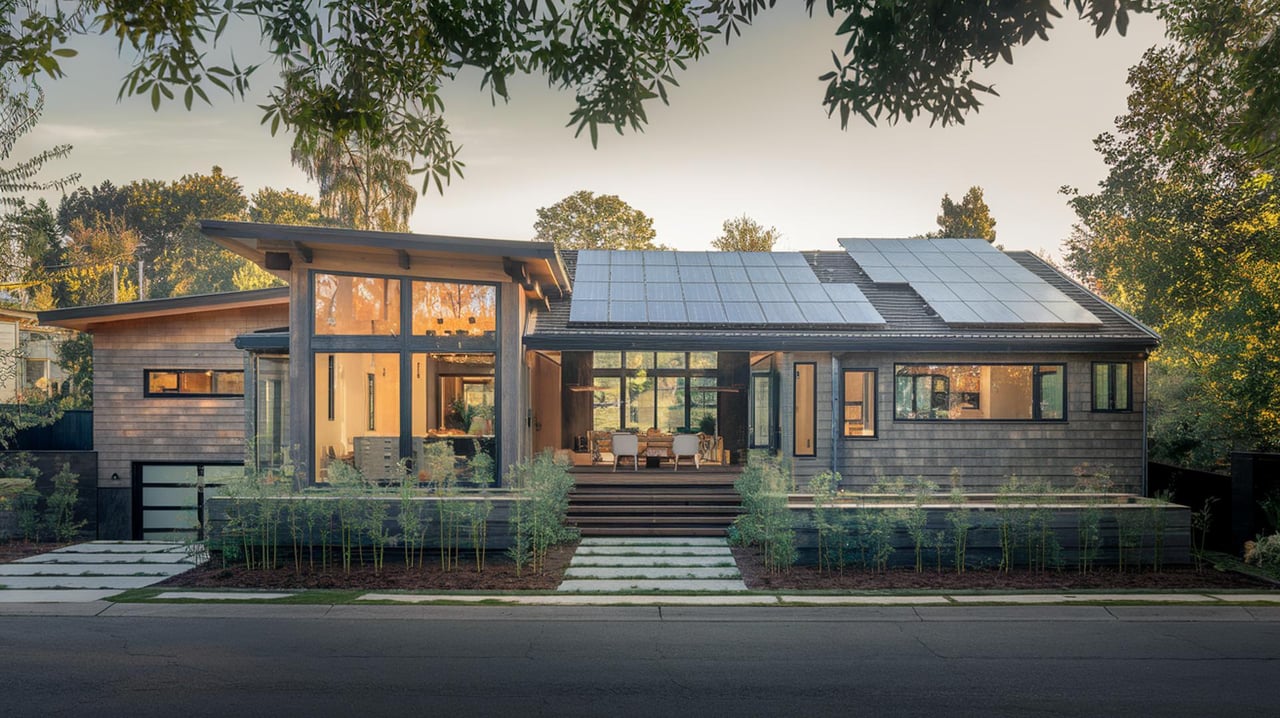
Washington Park is known for classic bungalows, Tudors, updated historic homes, and a mix of single-family, condos, and townhomes. Buyers often value outdoor space, storage, updated kitchens and baths, and preserved character with modern amenities. Many listings sit in the mid to higher price ranges where presentation influences perceived value.
Seasonality matters. In summer, highlight porches, patios, and views to the park. In winter, lean into warmth and comfort. Denver’s bright light rewards careful photography, accurate color, and balanced lighting. In a competitive neighborhood like Wash Park, polished photos and thoughtful staging help your home stand out from the start.
For historic homes, align style with the architecture. Clean, timeless pieces that respect original trim, built-ins, and fireplaces tend to land better than stark, ultra-modern looks.
Pros, cons, costs, and impact
Physical staging
- Pros:
- Creates a strong emotional connection during showings and open houses.
- Clarifies room scale and flow, especially in homes with tricky layouts.
- Often a fit for higher-end listings where premium presentation supports pricing.
- Cons:
- Higher cost and more logistics. Requires delivery, install, and insurance.
- Lead time is common, often 1 to 2 weeks or more.
- Ongoing rental fees if the home stays on market.
- Typical costs:
- Consult or styling-only: a few hundred dollars.
- Partial staging for key rooms: several hundred to a few thousand.
- Full staging for higher-end homes: several thousand, depending on scope and duration.
- Likely impact:
- Frequently boosts showings and buyer interest, particularly for mid to higher price points and vacant homes.
Virtual staging
- Pros:
- Lower per-image cost and quick turnaround in hours to days.
- Easy to test different looks to fit buyer preferences.
- Ideal for vacant homes or tight timelines.
- Cons:
- Can disappoint buyers if images overpromise or misrepresent condition.
- Quality varies, and poor edits can undermine trust.
- Typical costs:
- Often tens of dollars per image up to about $50–$200 per image depending on quality and add-ons.
- Likely impact:
- Strong online engagement and click-throughs when clearly labeled and executed well. Less persuasive during in-person tours.
ROI drivers to consider
- Price point. Higher-priced homes are more likely to justify physical staging.
- Condition and occupancy. Vacant and newly renovated homes often benefit most from staging.
- Timeline. Virtual staging is the fastest path to polished photos.
- Local expectations. Wash Park buyers expect high-quality imagery. Staging helps your listing compete.
- Quality. Professional photography multiplies results for both methods. Weak edits or poor lighting reduce ROI.
When to choose each in Wash Park
- High-end single-family with time to prepare and a lifestyle story to tell: choose physical staging, full or partial.
- Vacant property with a tight timeline or budget: choose virtual staging with pro photos. Disclose virtual edits.
- Updated but occupied with mismatched furnishings: use a styling consult or partial physical staging for key rooms.
- Condos or smaller infill homes where cost control matters: virtual staging can be sufficient.
- Historic homes where character leads: physical staging that respects period details is often best.
Room priorities and style tips
Focus your efforts where buyers form their strongest impressions.
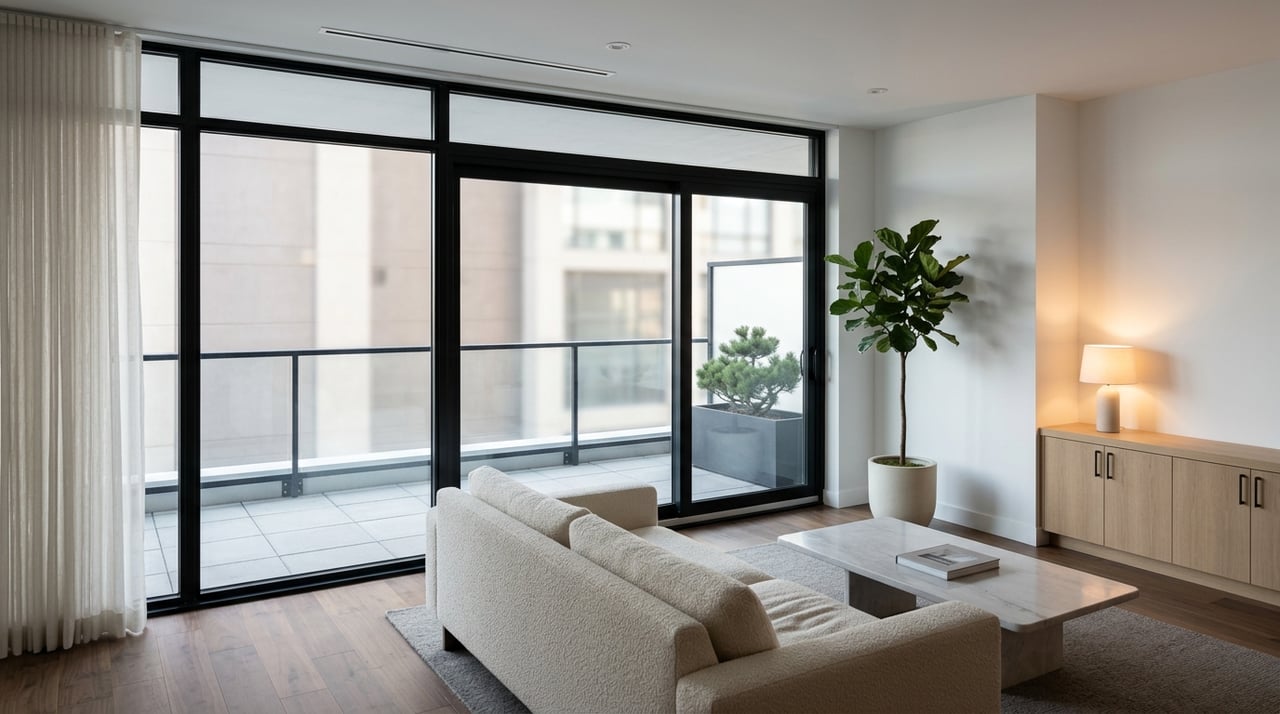
- Entry and living room: establish warmth, scale, and a clear furniture plan.
- Primary bedroom: show calm, space, and natural light.
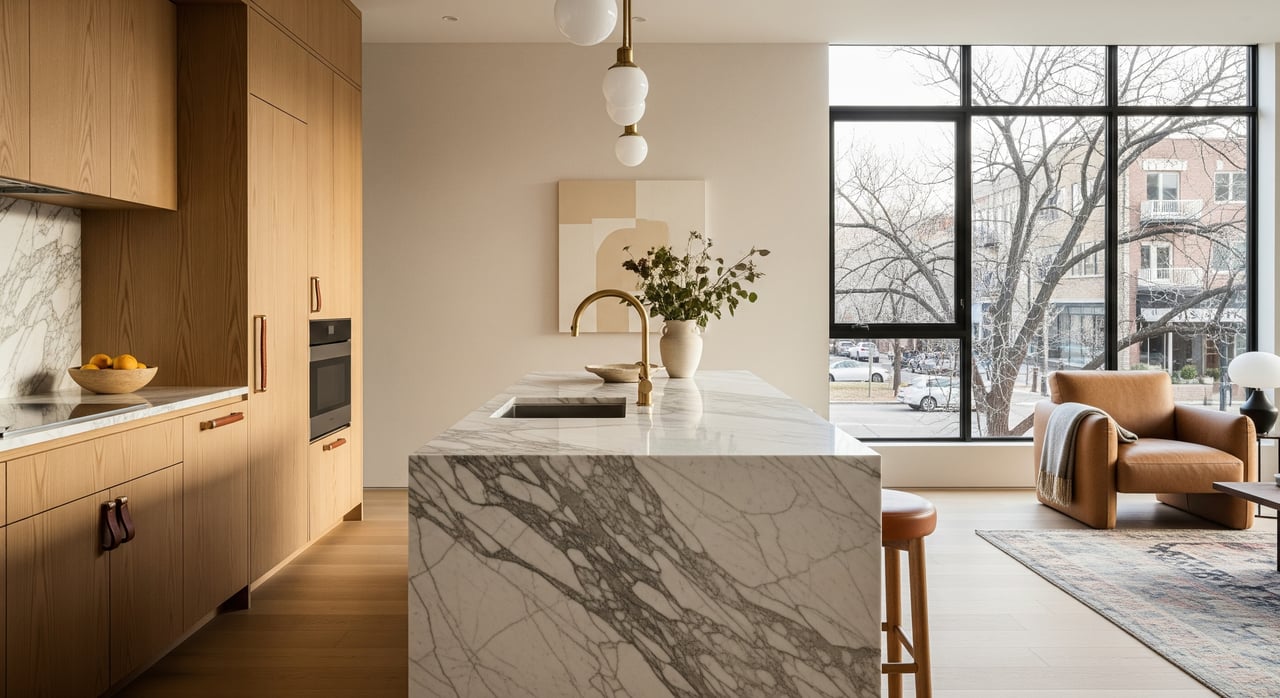
- Kitchen and bathrooms: present spotless surfaces and simple, neutral accents. If dated, consider a clearly labeled “conceptual” virtual refresh for online photos.
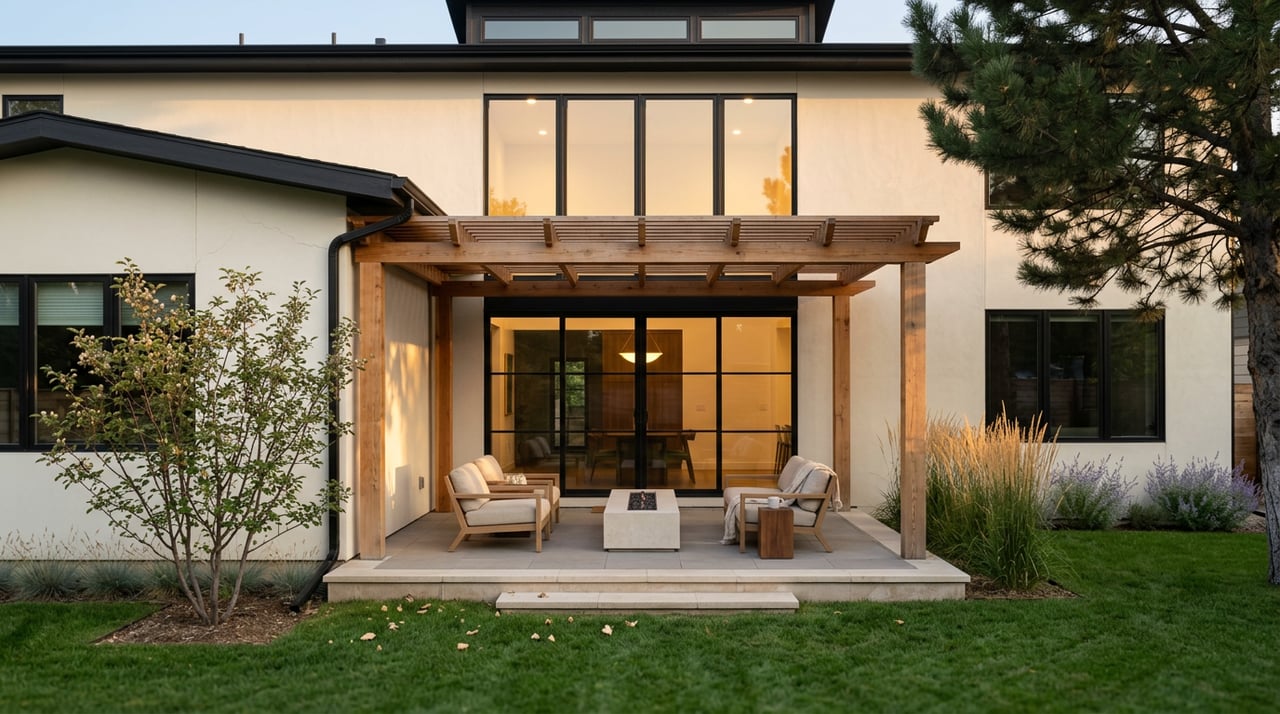
- Outdoor areas: stage a simple porch or patio seating area to highlight indoor-outdoor flow and lifestyle near the park.
- Storage and function: show drop zones, mudroom hooks, or neat closets to convey everyday practicality.
Keep design neutral and broadly appealing. Use a light, cohesive palette and textures that feel timeless. For Denver’s bright sun, use high-quality bulbs and add lamps to soften contrast during photos. Remove personal items and clutter so buyers see architectural details, especially in historic homes.
Legal and MLS rules to know in Denver
- Label virtual images. Many MLS systems require you to disclose digitally altered or virtually staged photos in captions or remarks. Verify current REcolorado and brokerage policies before you go live.
- Avoid deception. Do not present virtual enhancements that suggest renovations or fixtures that do not exist. Furnishings and minor cosmetic edits are fine when disclosed.
- Fair housing. Stick to neutral, broad-appeal designs. Avoid staging choices that could be read as targeting a protected class.
- Contracts and rights. Confirm licensing and usage rights with virtual staging vendors, and ensure physical stagers carry proper insurance and spell out delivery, rental period, and removal terms.
- Appraisal and inspection. Staging does not change the home’s physical condition or appraisal method. It improves marketability and perceived value, not structural value.
Your marketing workflow
A simple, efficient plan helps you list with confidence.
- Strategy and booking
- Decide on physical, virtual, or hybrid staging. Set a budget and timeline.
- Book a professional photographer who knows Denver light. Request exterior, interior, and if possible, twilight shots.
- Prep and staging
- For physical staging: allow 1 to 2 weeks for scheduling, delivery, install, and styling.
- For virtual staging: declutter first, then capture clean, straight-on photos with consistent lighting.
- Edits and final media
- Virtual staging files typically return in hours to a few days. Review for realism and disclosure.
- Pair photos with a floor plan or 3D tour for added context. Buyers love clarity.
- Go live
- Publish with accurate captions. Clearly label virtually staged images and, when practical, include an unedited photo of the same room in the media set.
- Monitor engagement and adjust quickly if needed.
Two-week example for a vacant home
- Days 1–2: Choose staging route. Book photographer and vendor.
- Days 3–5: Physical staging install or photography of empty rooms for virtual staging.
- Days 6–7: Virtual files and final photos delivered. Review for accuracy and disclosure.
- Day 8: Listing goes live with all assets and captions.
Vendor screening checklist
Physical stagers
- Portfolio that matches your home’s style and budget.
- Denver references, insurance, and clear damage policies.
- Itemized proposal with rental period, install, and removal timelines.
Virtual stagers
- Realistic examples with correct lighting and perspective.
- Clear licensing and usage rights across platforms.
- Turnaround times, revisions policy, and per-image pricing.
Photographers
- Real estate portfolio with HDR and twilight experience.
- Ability to show park proximity with exteriors and, if allowed, drone.
- Option to add floor plans or 3D tours for context.
Final thoughts
In Washington Park, presentation is a lever you control. Physical staging excels at emotional impact during showings. Virtual staging accelerates online momentum at a lower cost. Many of the best results come from a smart hybrid built around your price point, timeline, and property style.
If you want a step-by-step staging plan, vetted vendors, and marketing that matches Wash Park’s premium standard, connect with Alex Rice. Start your home journey with a strategy that protects your time and maximizes your value.
FAQs
Is virtual staging allowed in Denver listings?
- Yes. It is common, but you should clearly label virtually staged or digitally altered images and follow current REcolorado and brokerage rules.
Does staging increase my home’s appraised value?
- Appraisers base value on comparable sales and physical condition. Staging does not change structural value, but it can improve marketability and help achieve a stronger sale price.
Which rooms should I stage first in Washington Park?
- Prioritize the living room, primary bedroom, entry, and kitchen. If budget allows, add a simple outdoor seating area to highlight indoor-outdoor flow.
When is physical staging worth it in Wash Park?
- For higher-end single-family homes, unique layouts, or when you want a strong emotional impact during showings, physical staging often provides the best return.
When should I choose virtual staging instead?
- For vacant homes on a tight timeline or when managing costs, virtual staging paired with professional photos can create standout online presence fast.
How do I avoid misleading buyers with virtual edits?
- Keep edits to furnishings and minor cosmetic adjustments, disclose clearly in captions, and avoid adding elements that do not exist, like new cabinets or changed layouts.