Torn between Centennial and Lone Tree for your next move? You are not alone. Both suburbs sit in Denver’s south corridor and offer strong housing, easy access to employers, and everyday convenience. In this guide, you will compare prices, home types, commute options, and amenities so you can match a neighborhood to your lifestyle and budget. Let’s dive in.
Home prices and value
As of January 2026, Redfin reports a median sale price of about $825,000 in Lone Tree and about $665,000 in Centennial. Different data providers vary, but the spread is consistent enough to drive real tradeoffs for buyers.
If your target band is roughly $600,000 to $850,000, you will usually see more single-family variety in Centennial. Lone Tree’s inventory skews newer and often lists above Centennial’s median, so expect fewer sub-$700,000 single-family options in core Lone Tree.
Price-band takeaways
- Under ~$750k: Centennial typically offers more single-family choices and larger lot options.
- ~$700k–$900k: Lone Tree offers newer townhomes and single-family homes, especially near RidgeGate, but with tighter inventory.
- $1M and up: Both cities offer strong options, with Lone Tree leaning newer and Centennial offering a broader spread of styles and lots.
Housing styles and age
Lone Tree: newer and planned
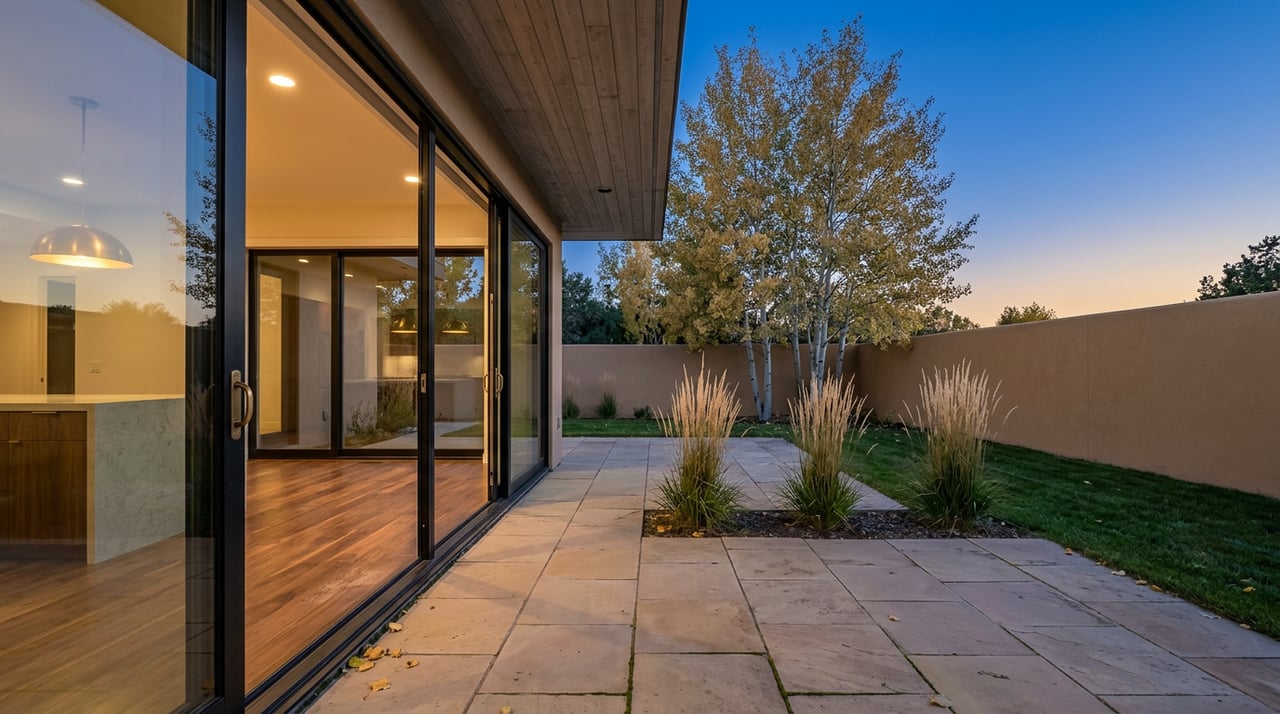
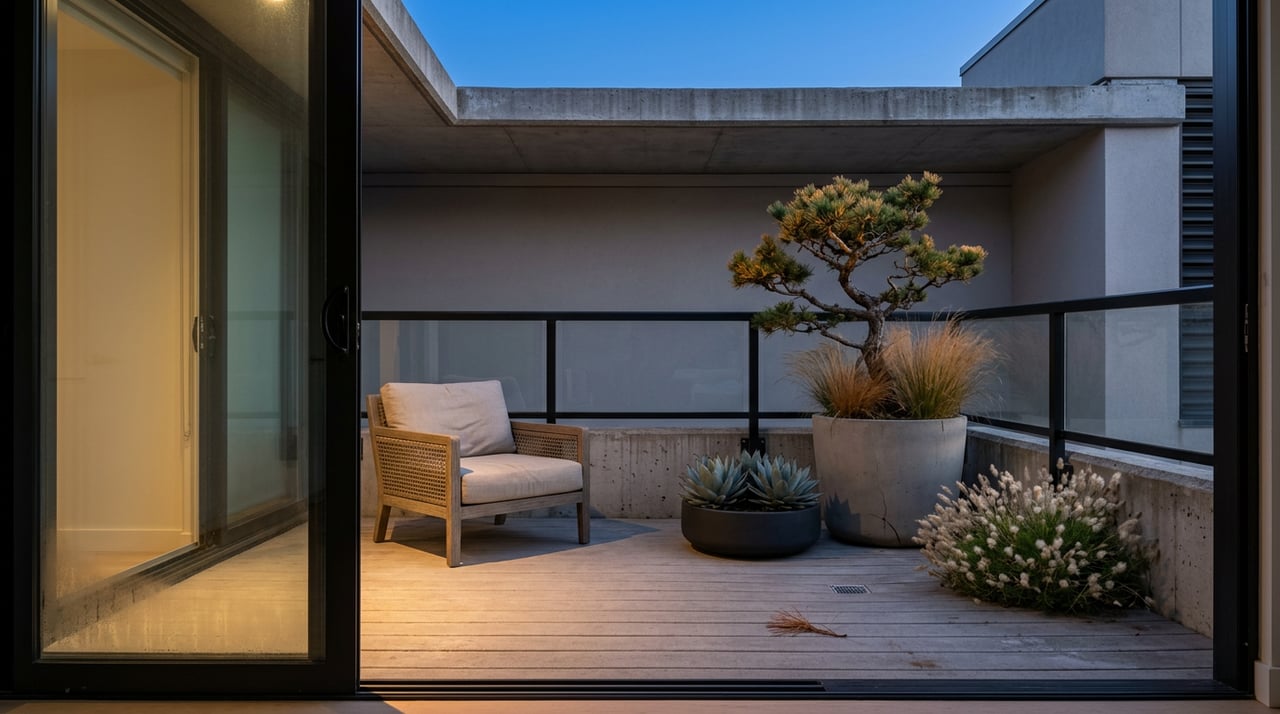
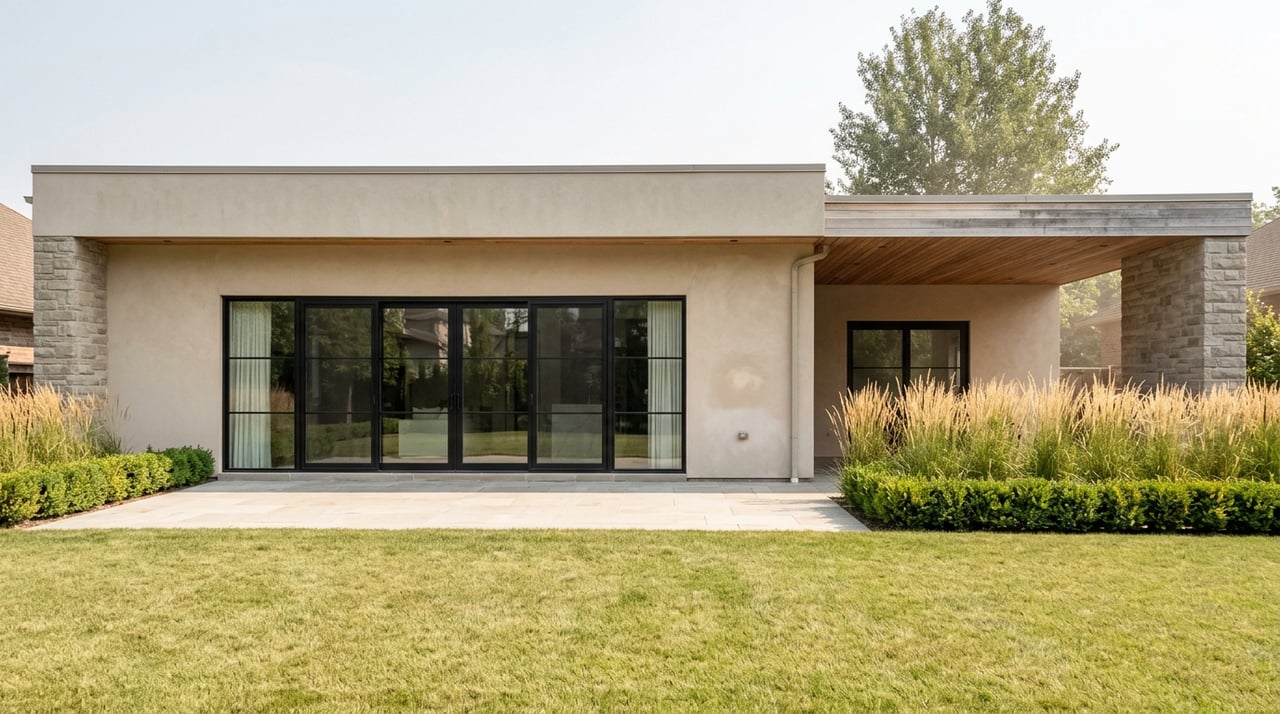
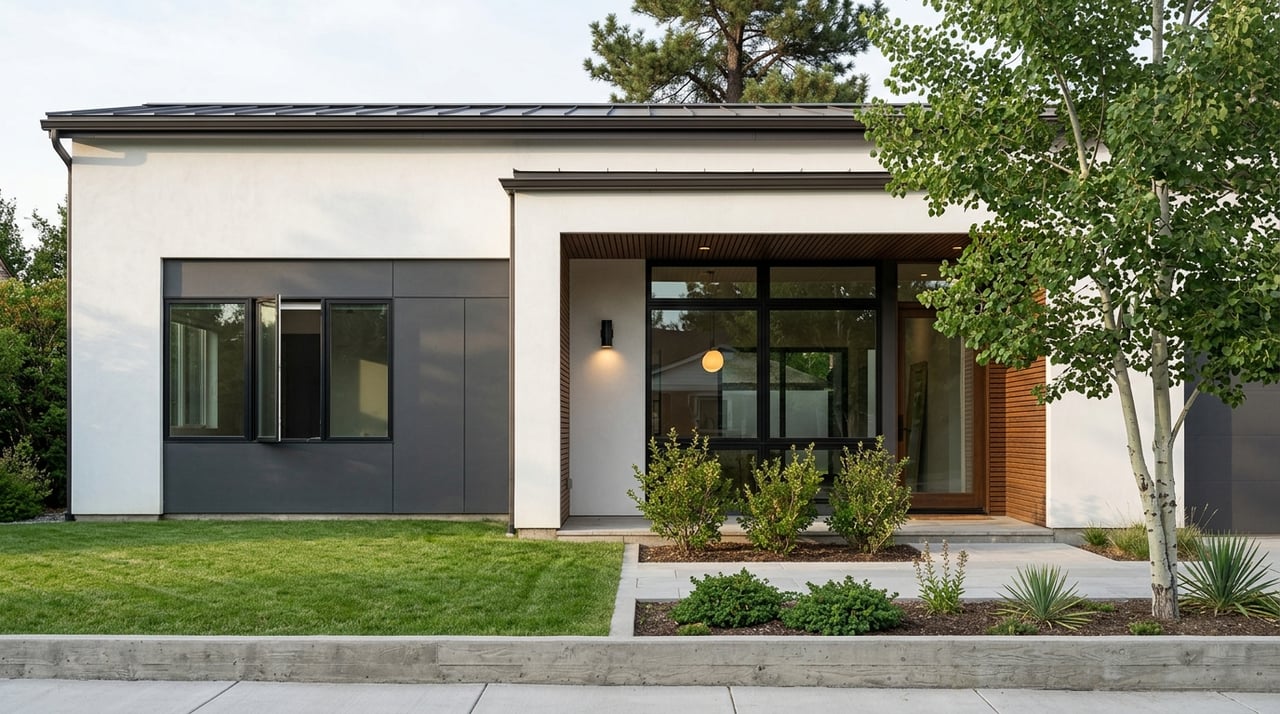
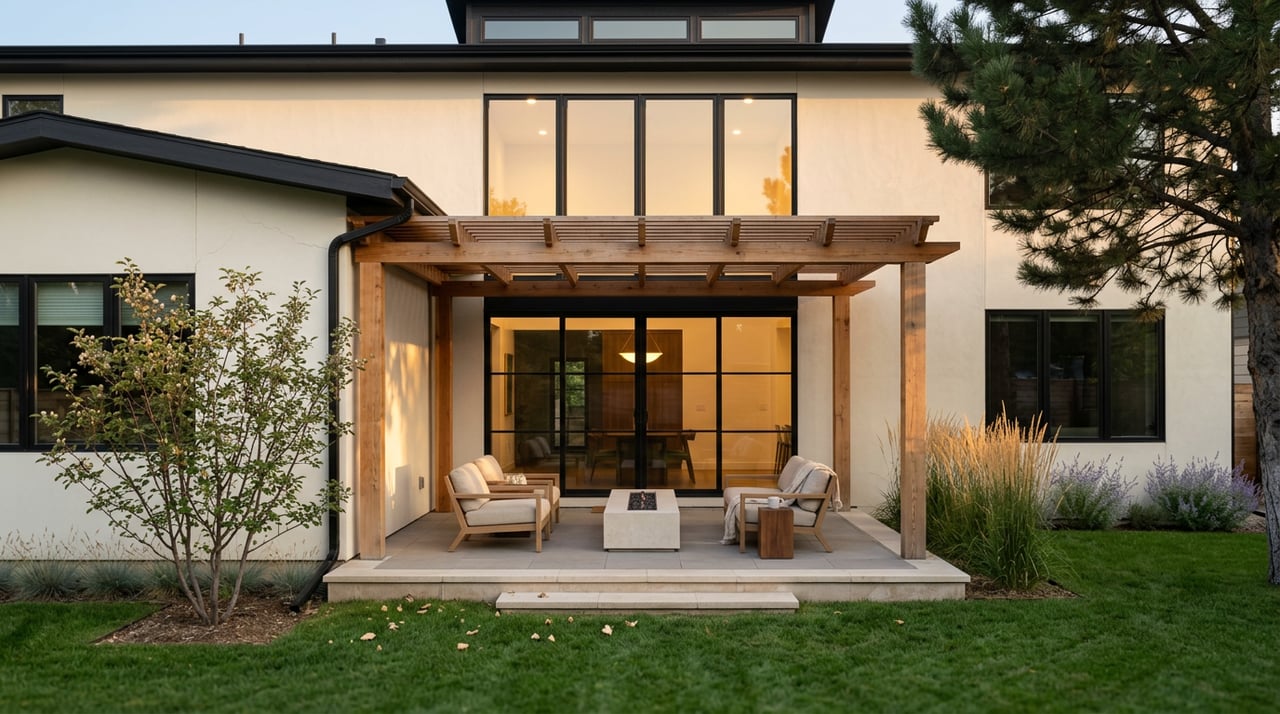
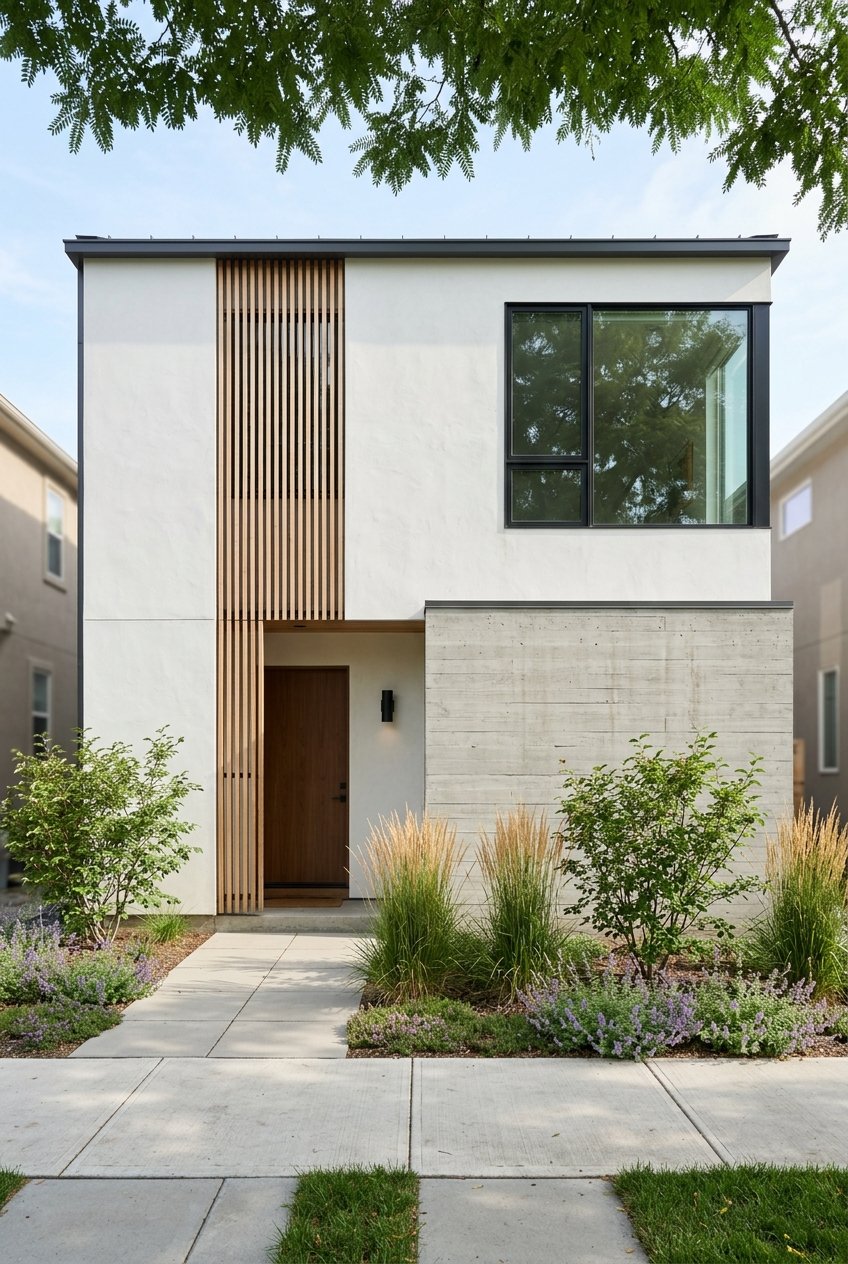
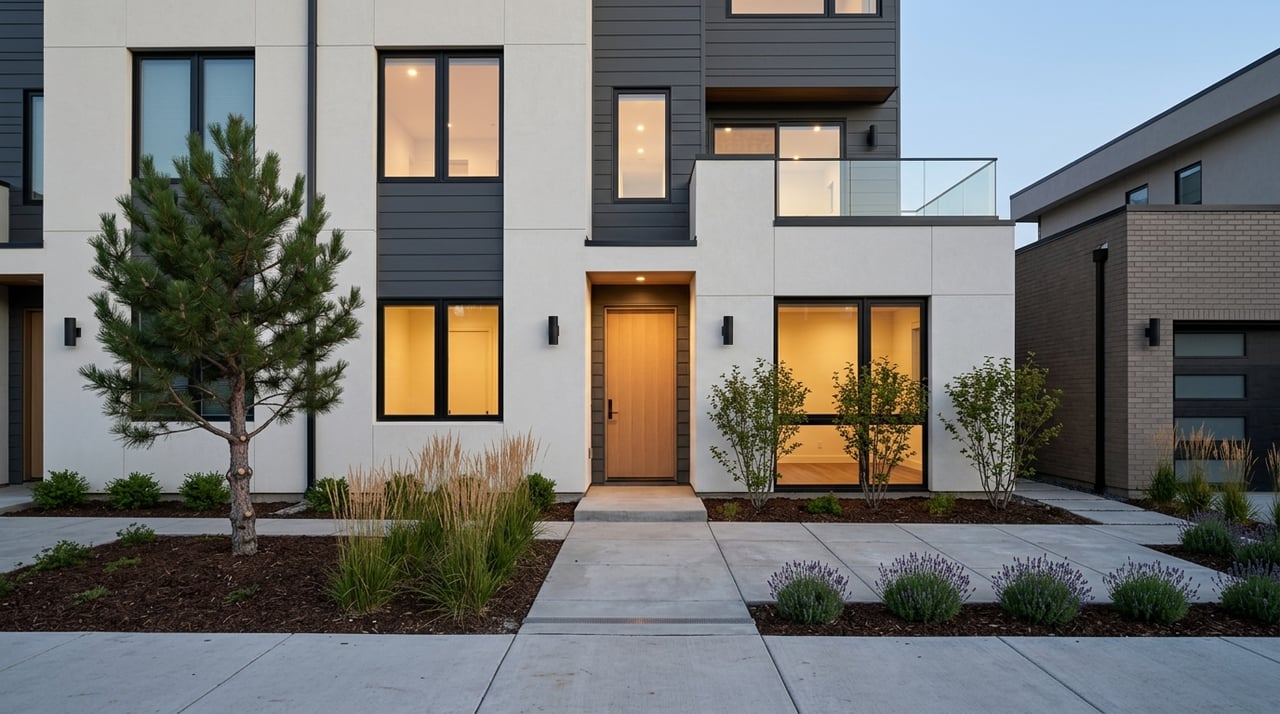
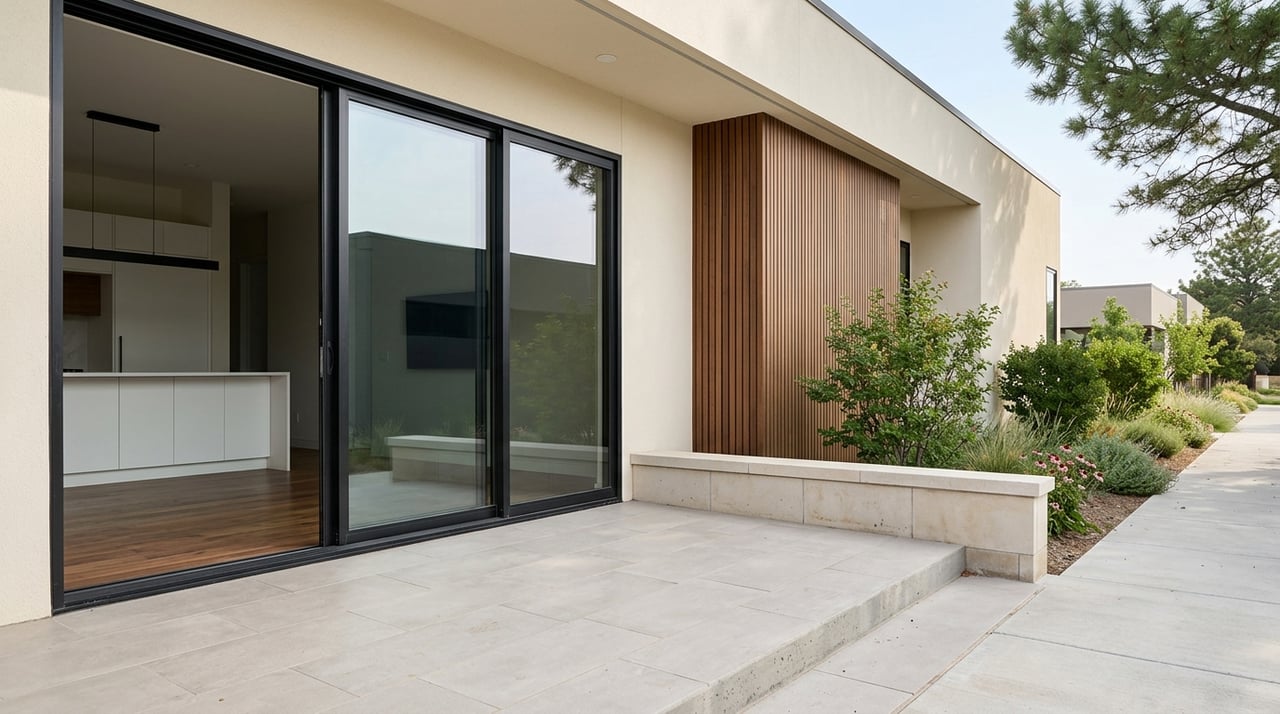
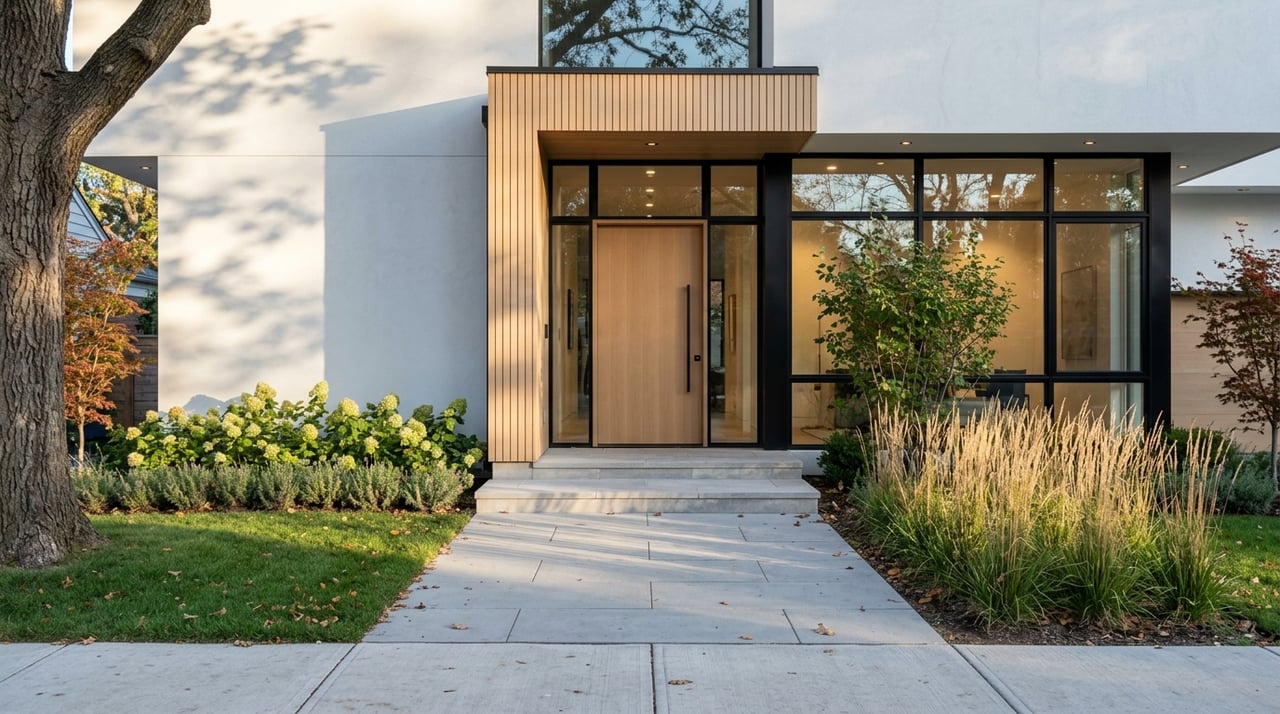
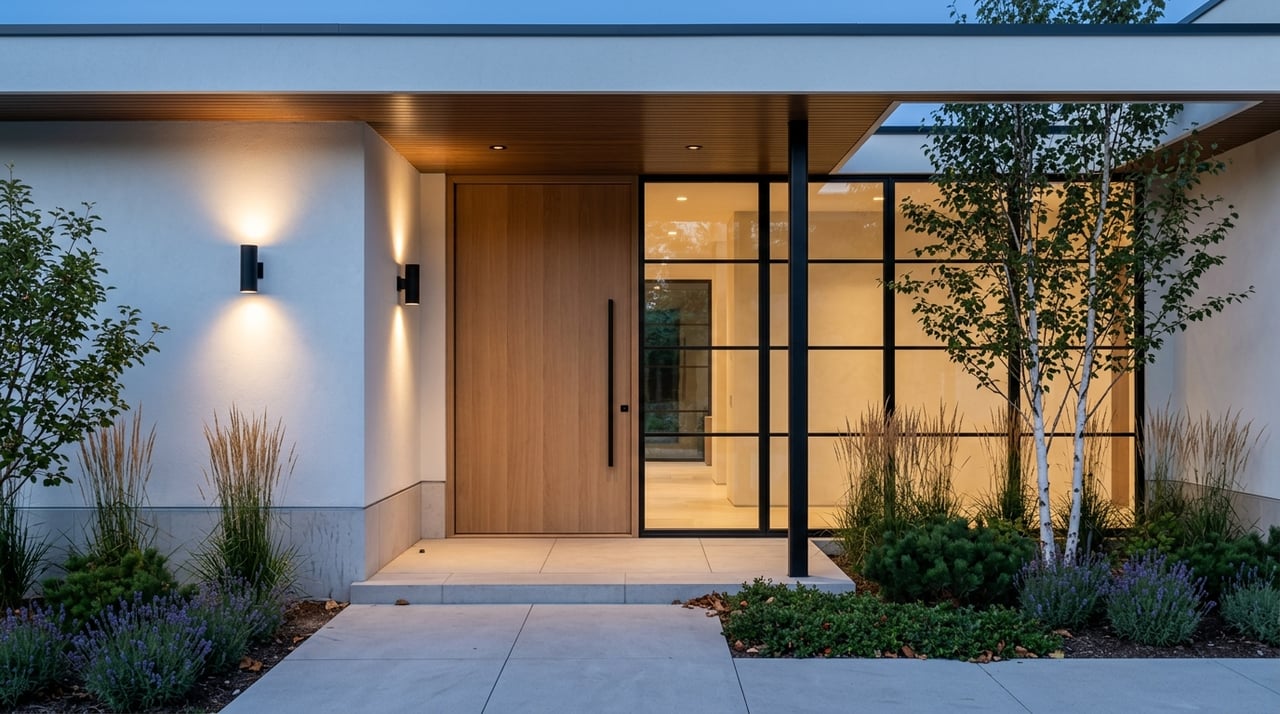
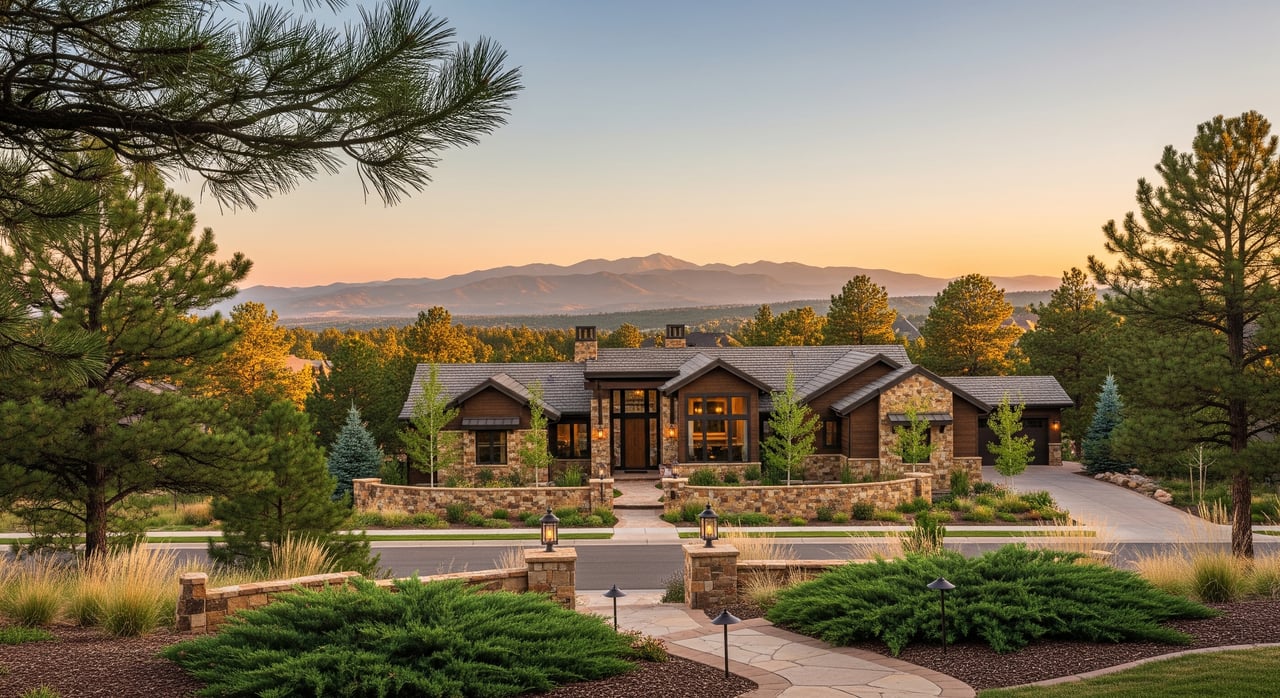
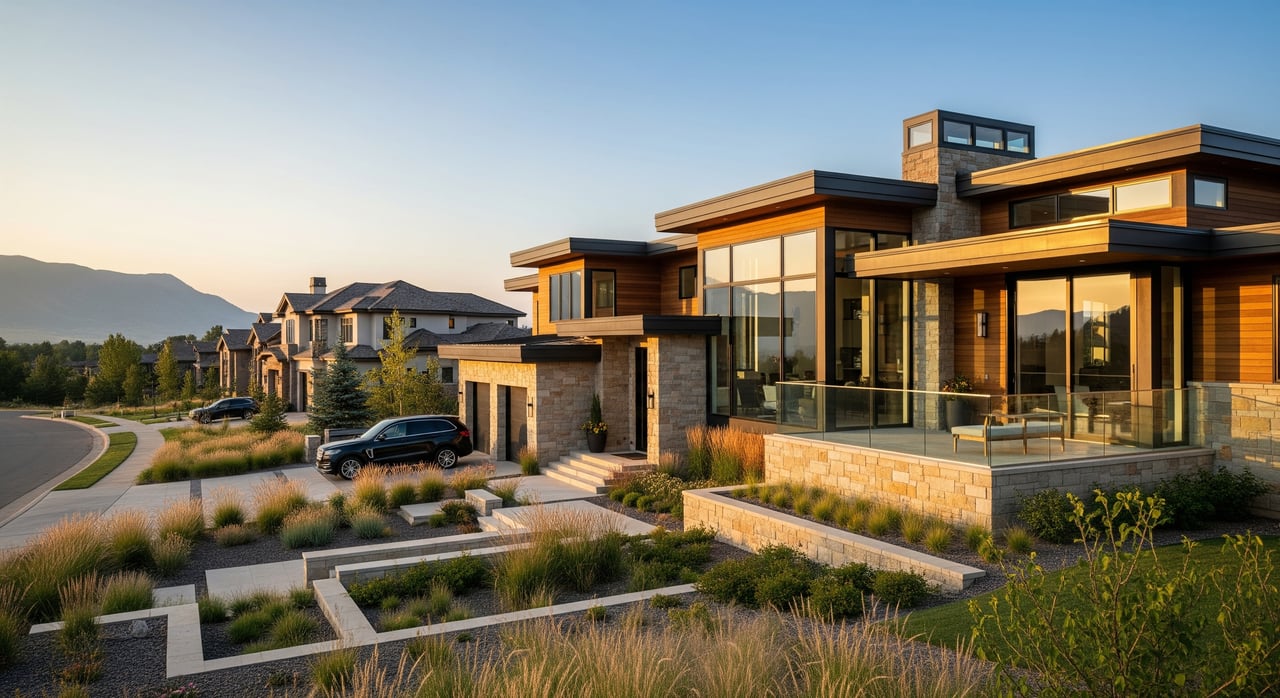
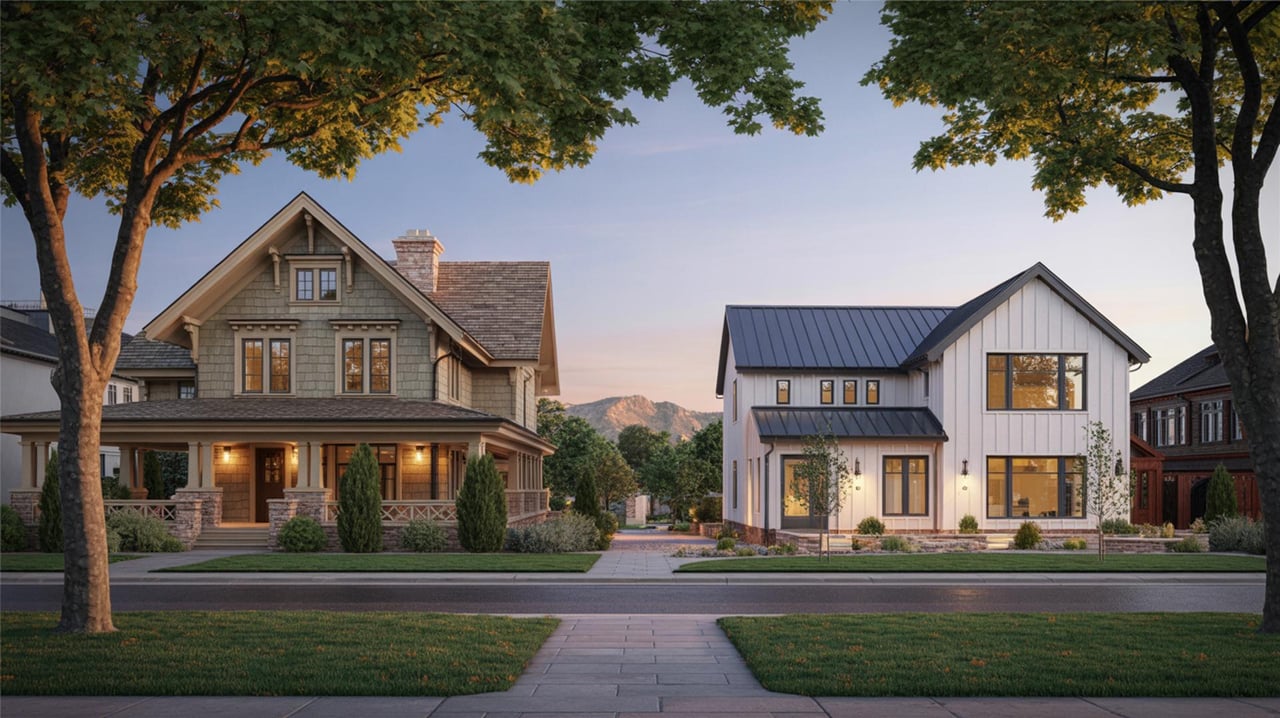
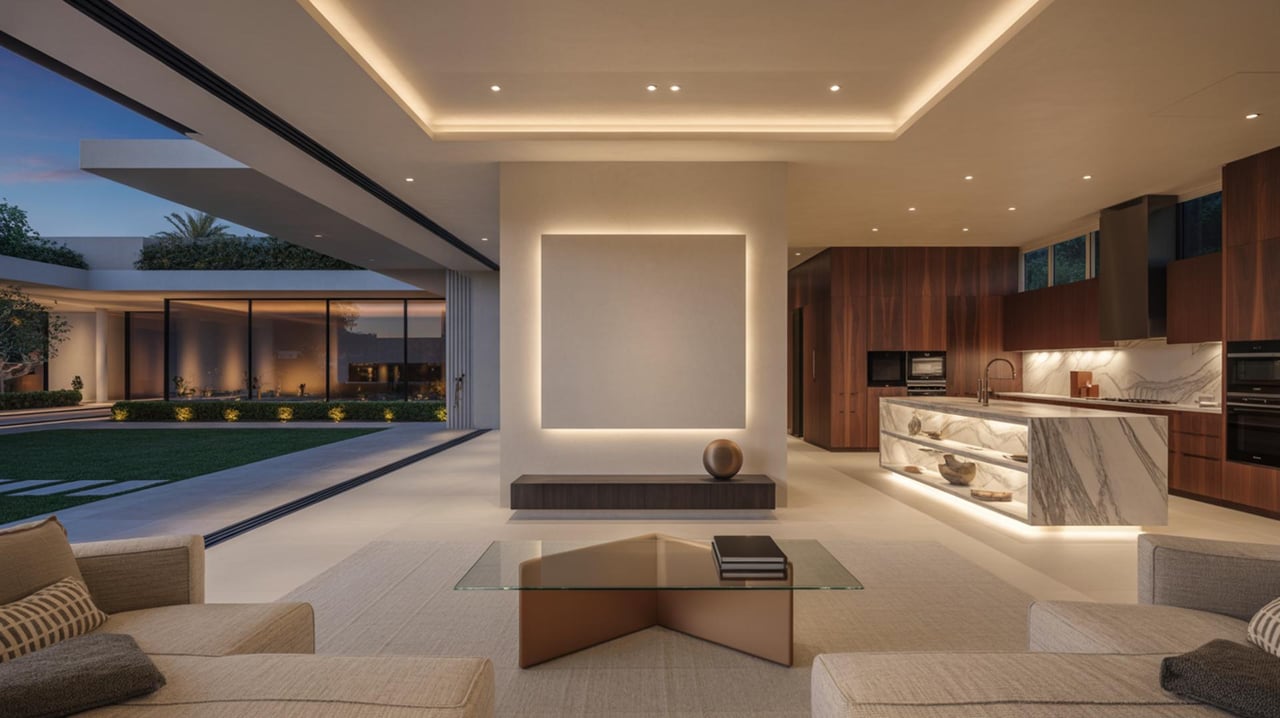
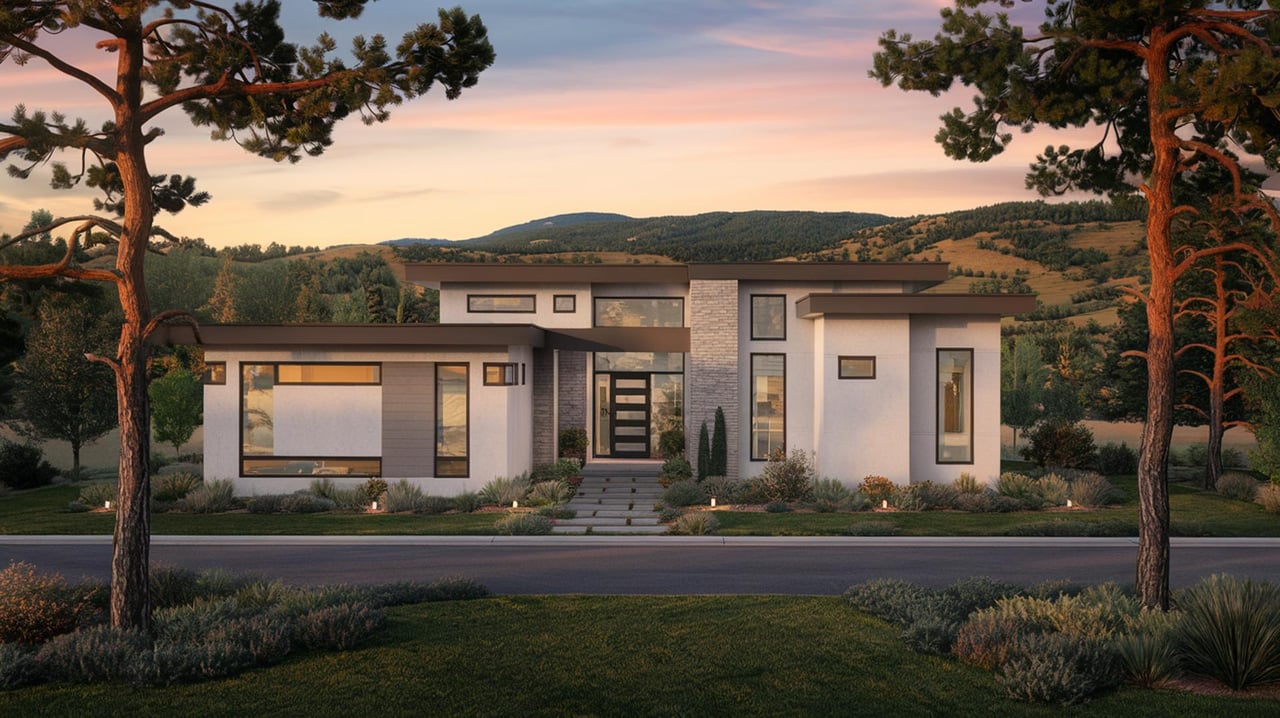
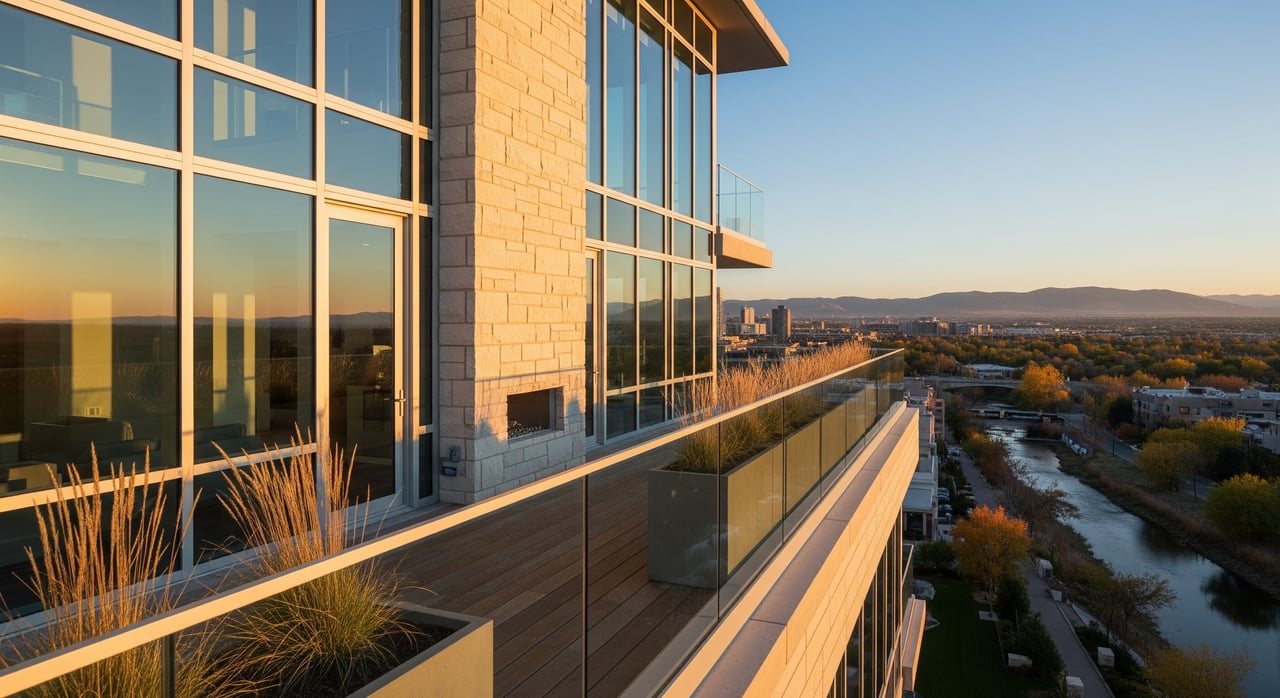
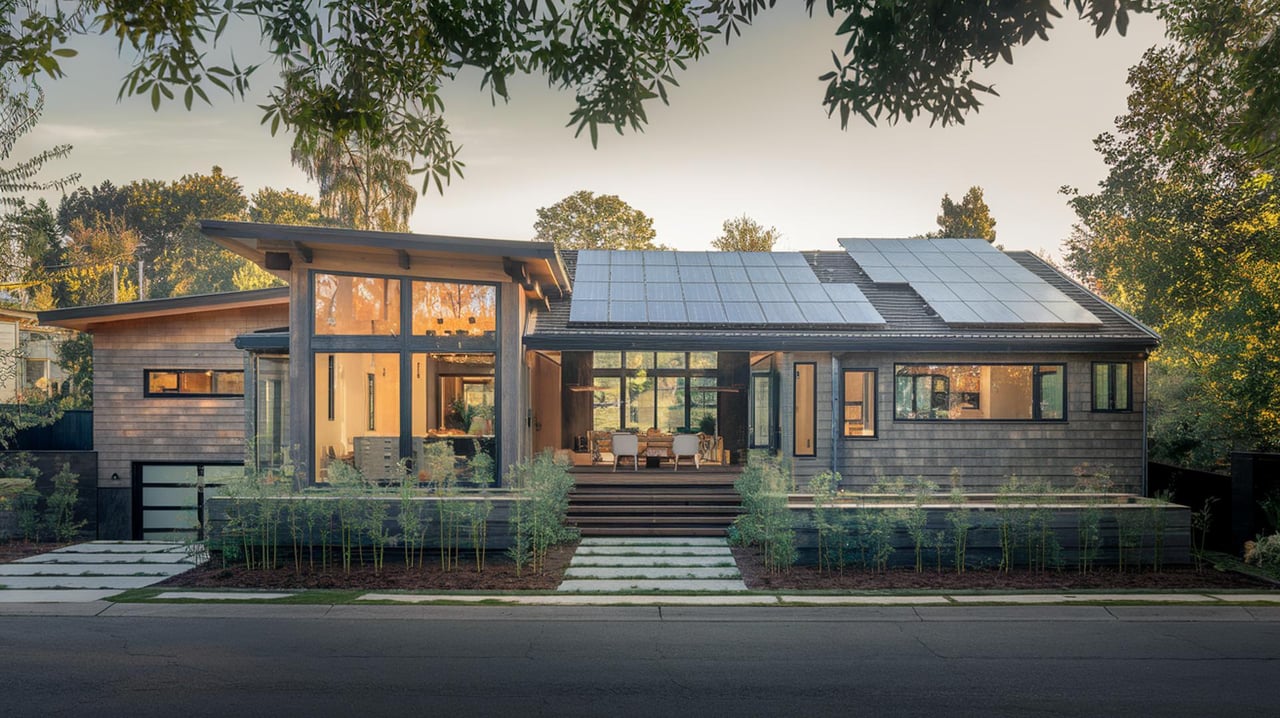
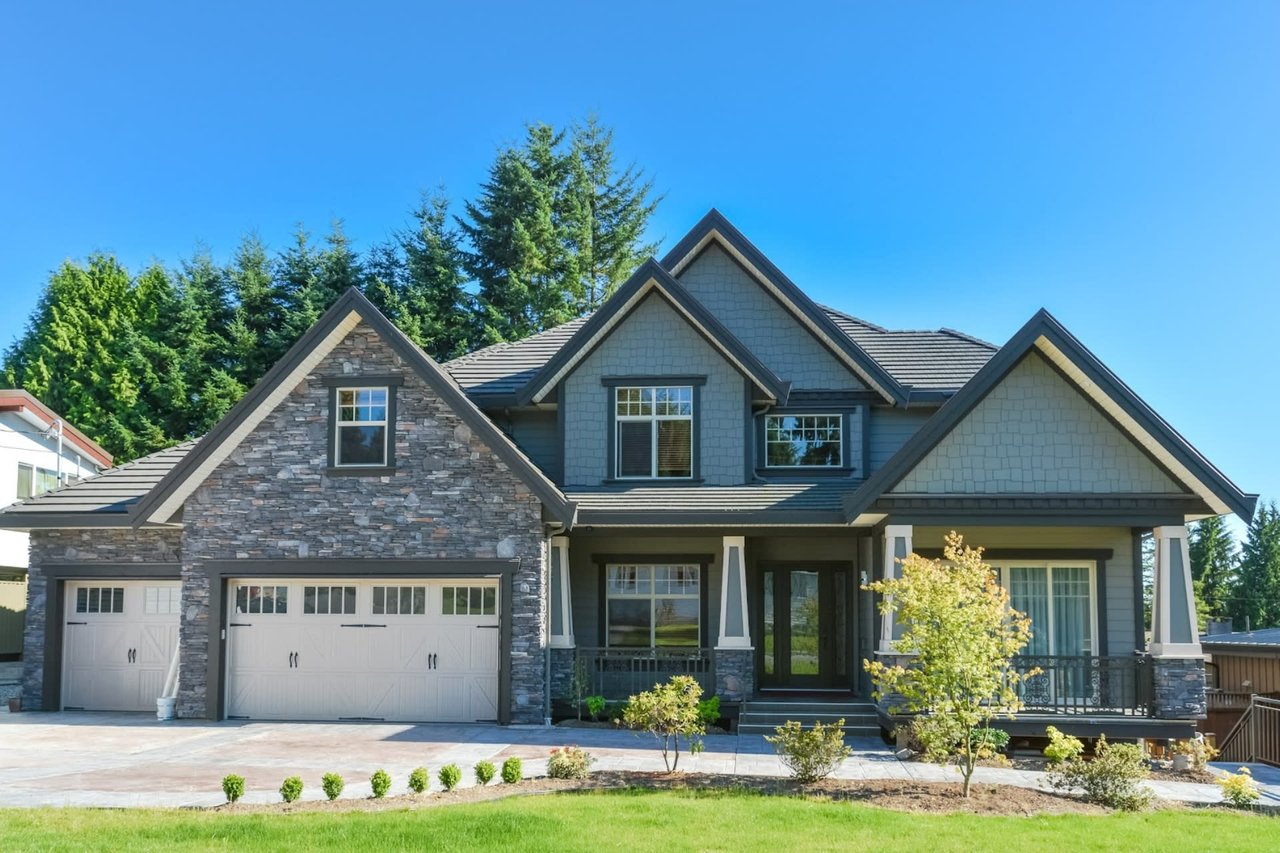
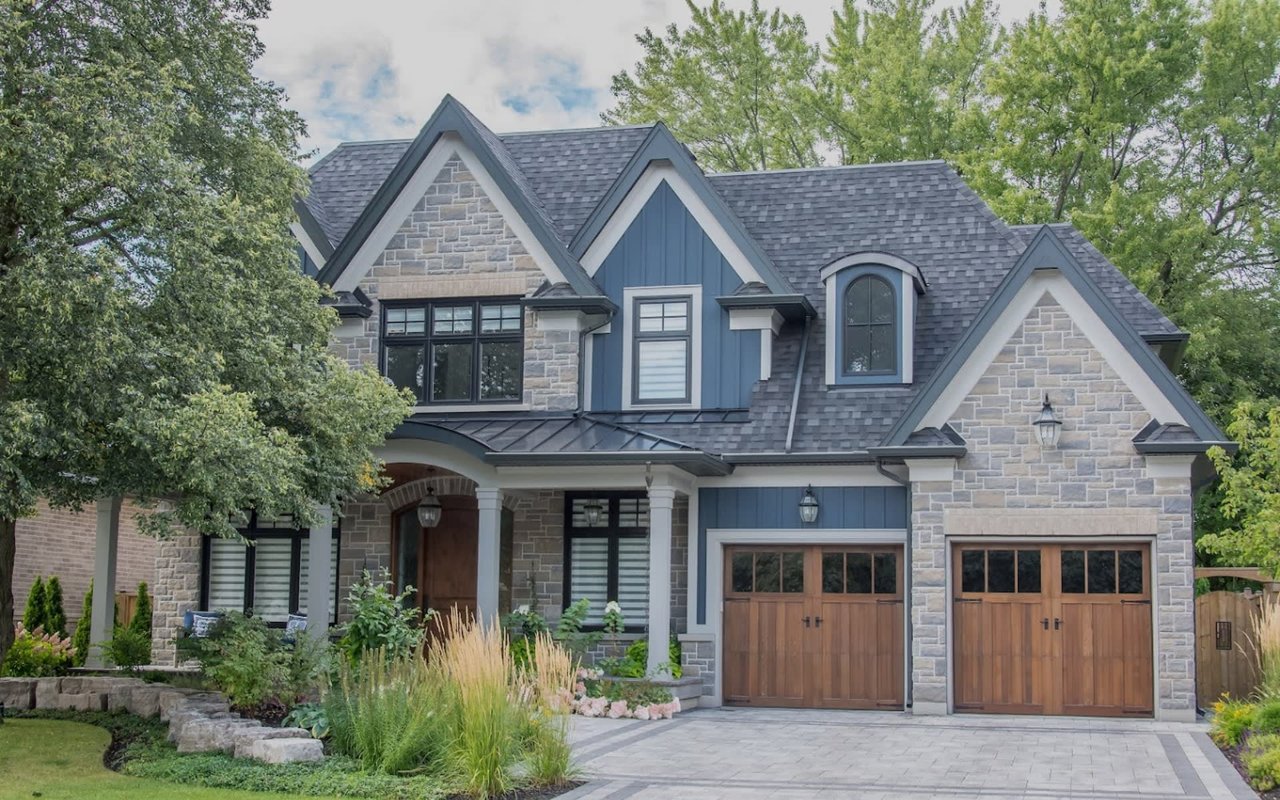
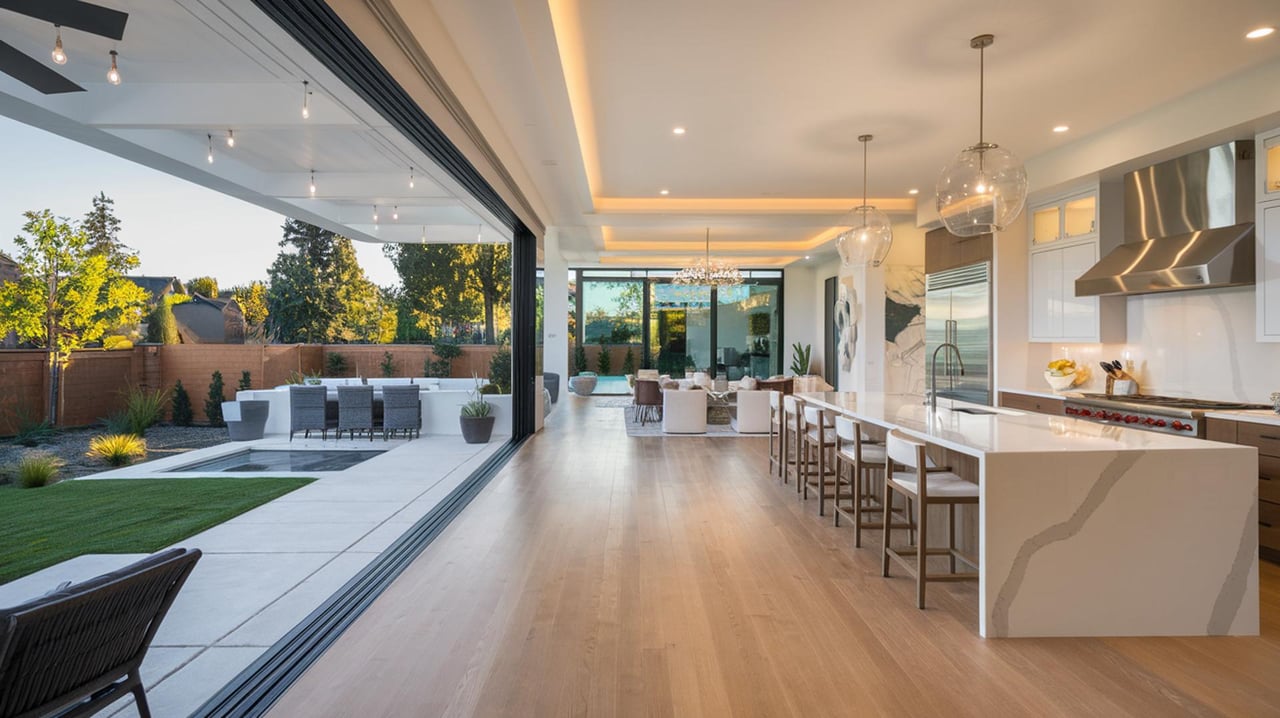
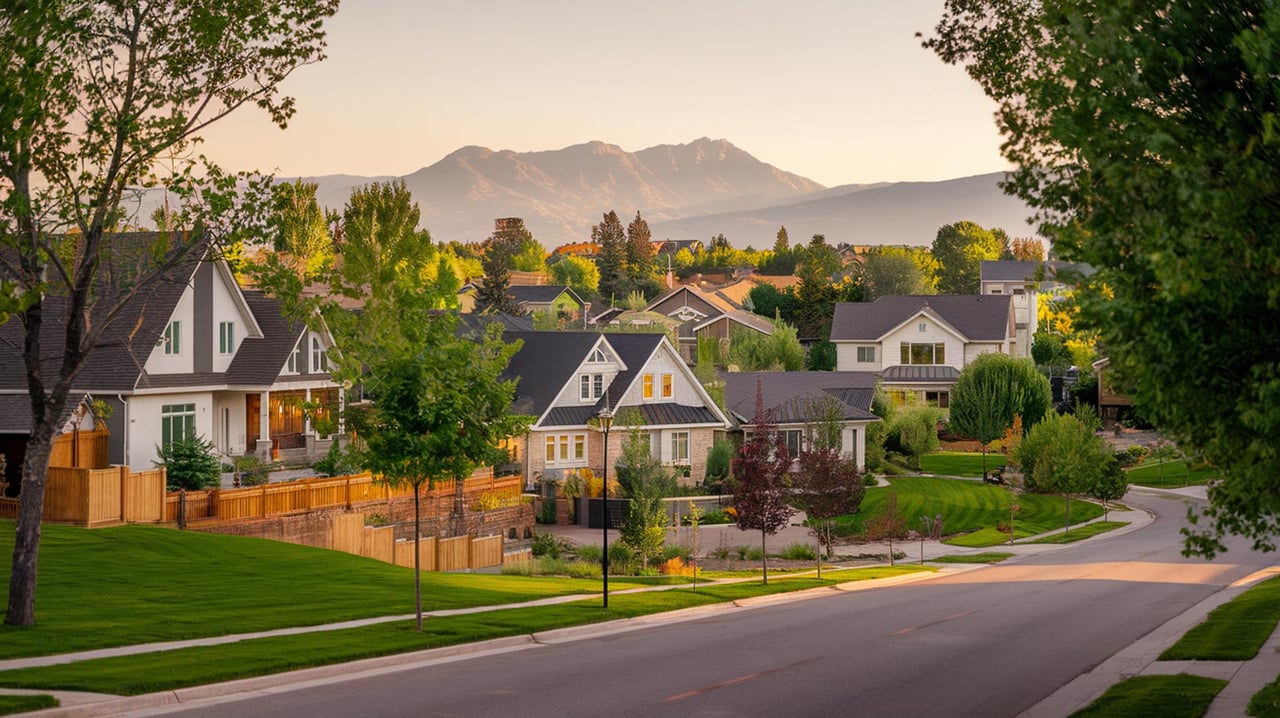
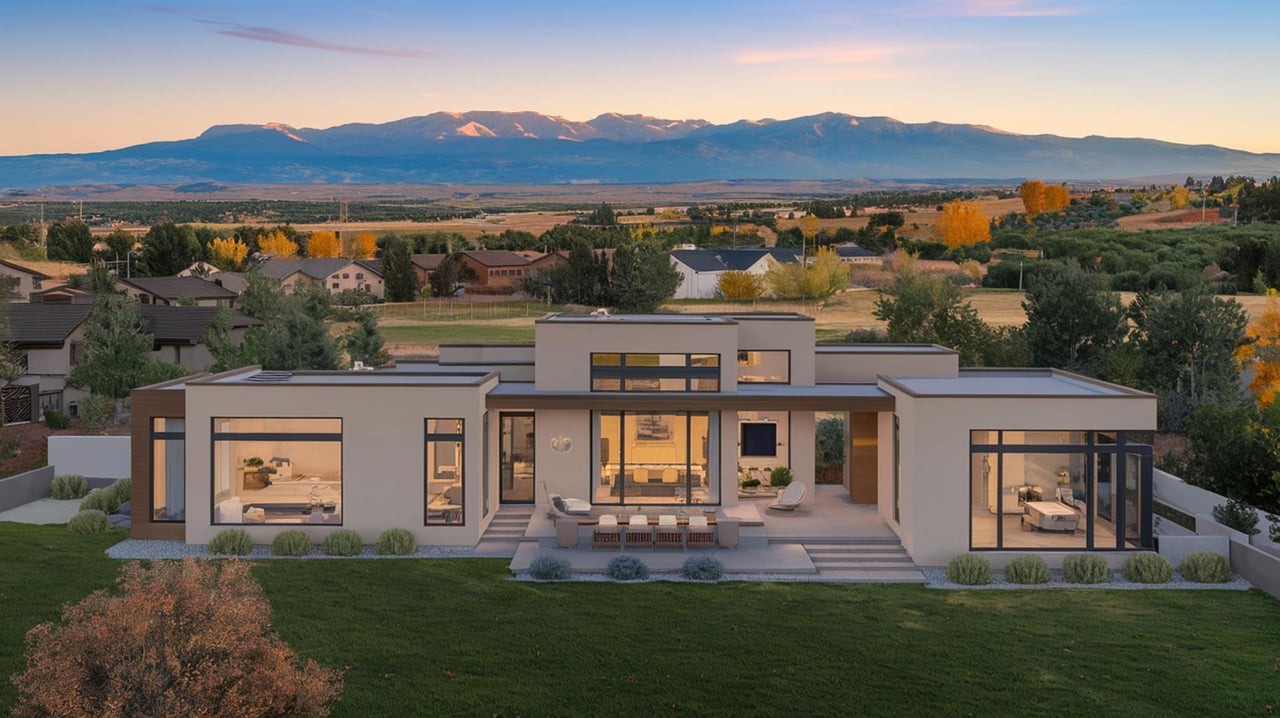
Lone Tree’s recent growth is organized around RidgeGate, a mixed-use, transit-connected district with rowhomes, townhomes, and newer single-family homes, plus civic and commercial space. Expect many homes built in the 2000s and 2010s, modern floor plans, and HOA-managed neighborhoods. Learn more about the area from the RidgeGate community overview.
Centennial: established with targeted infill
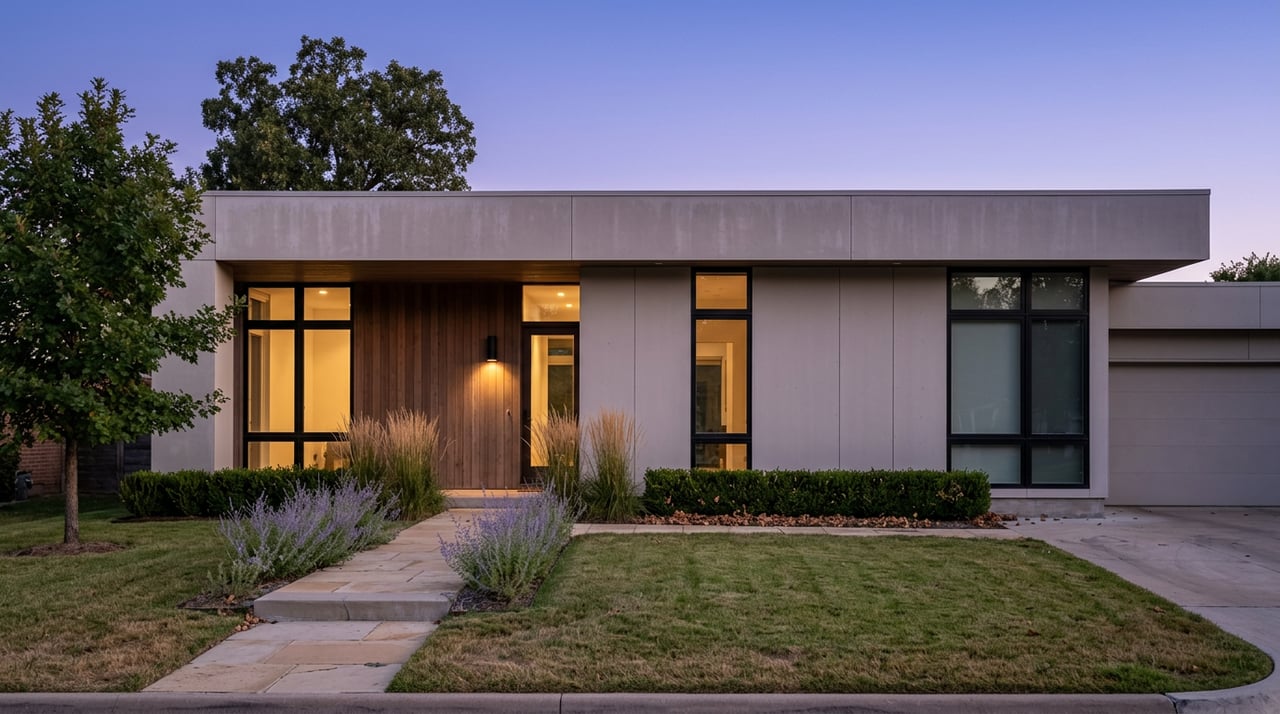
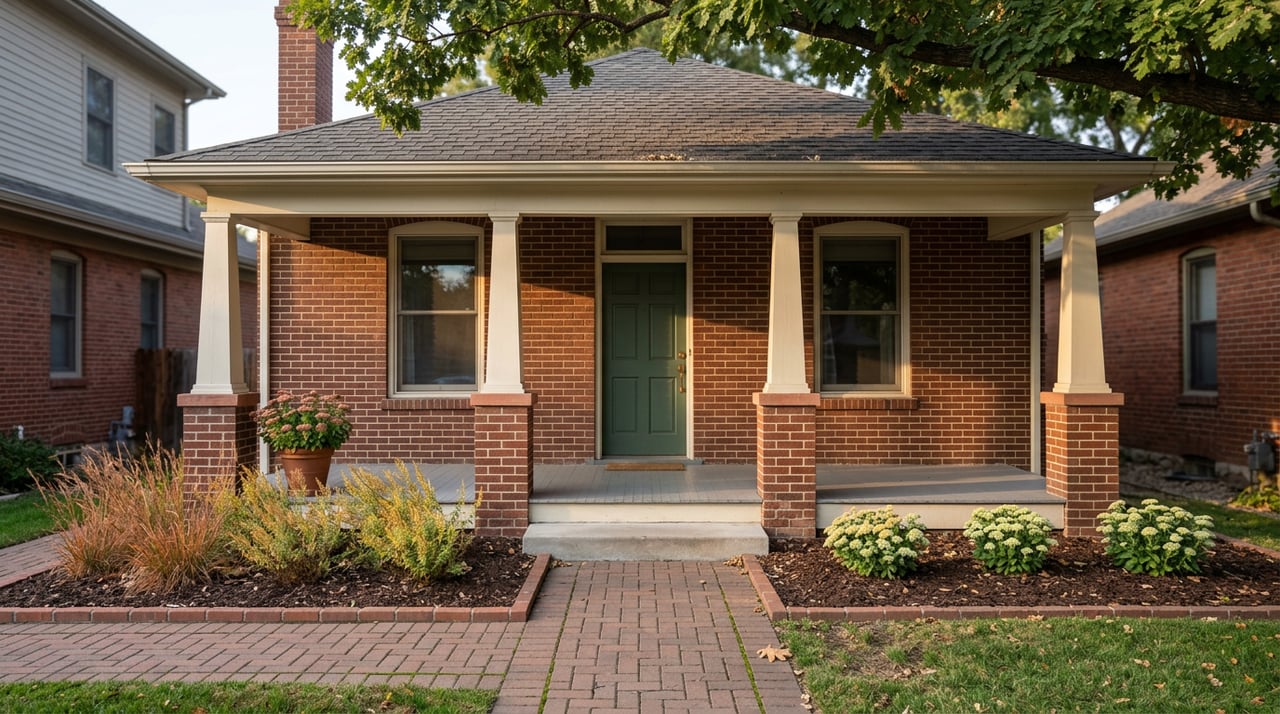
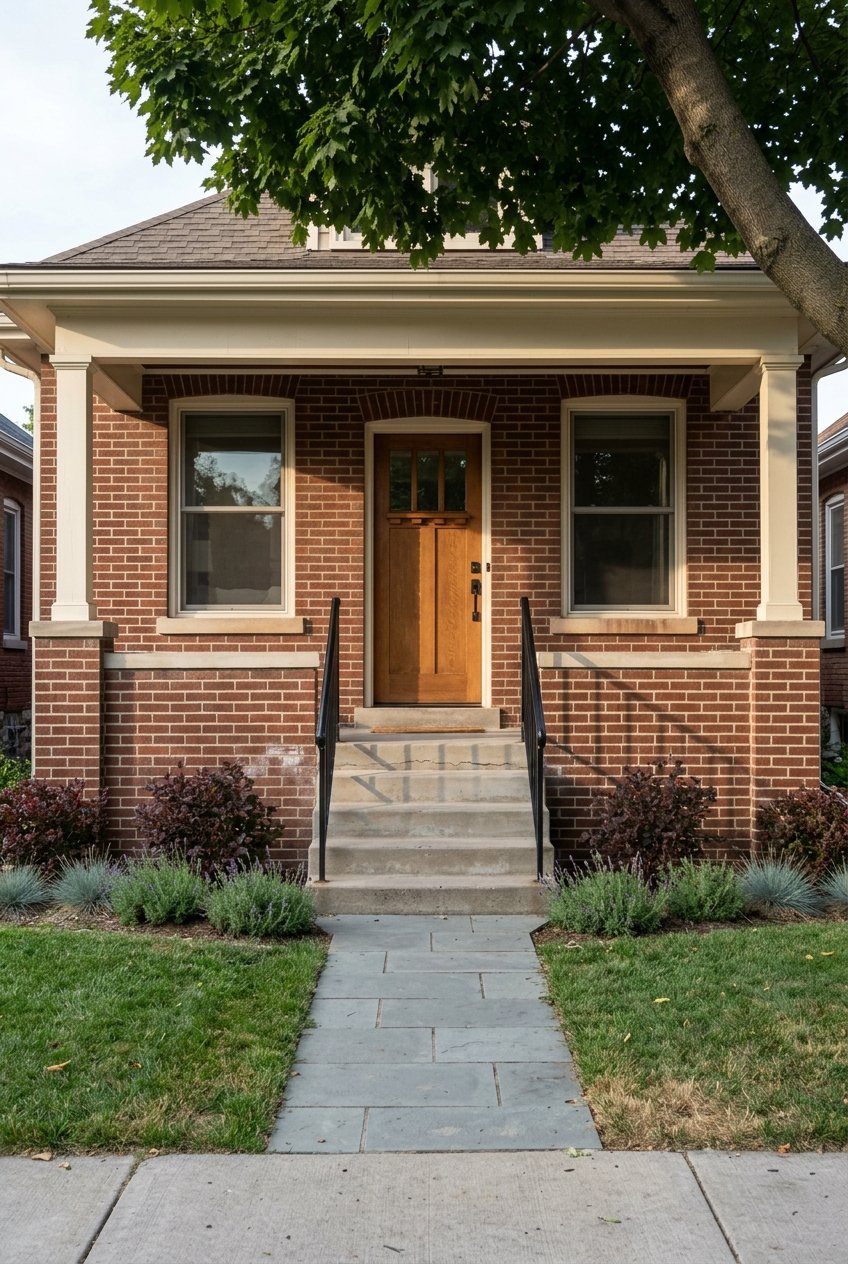
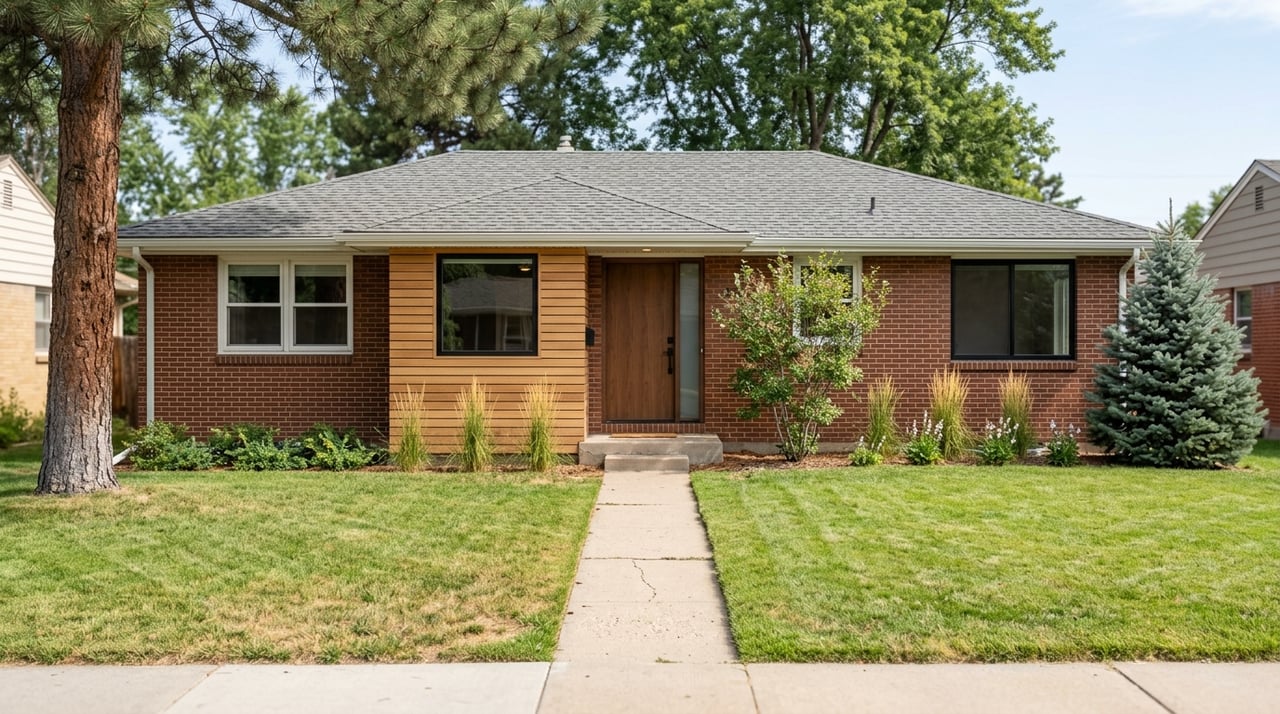
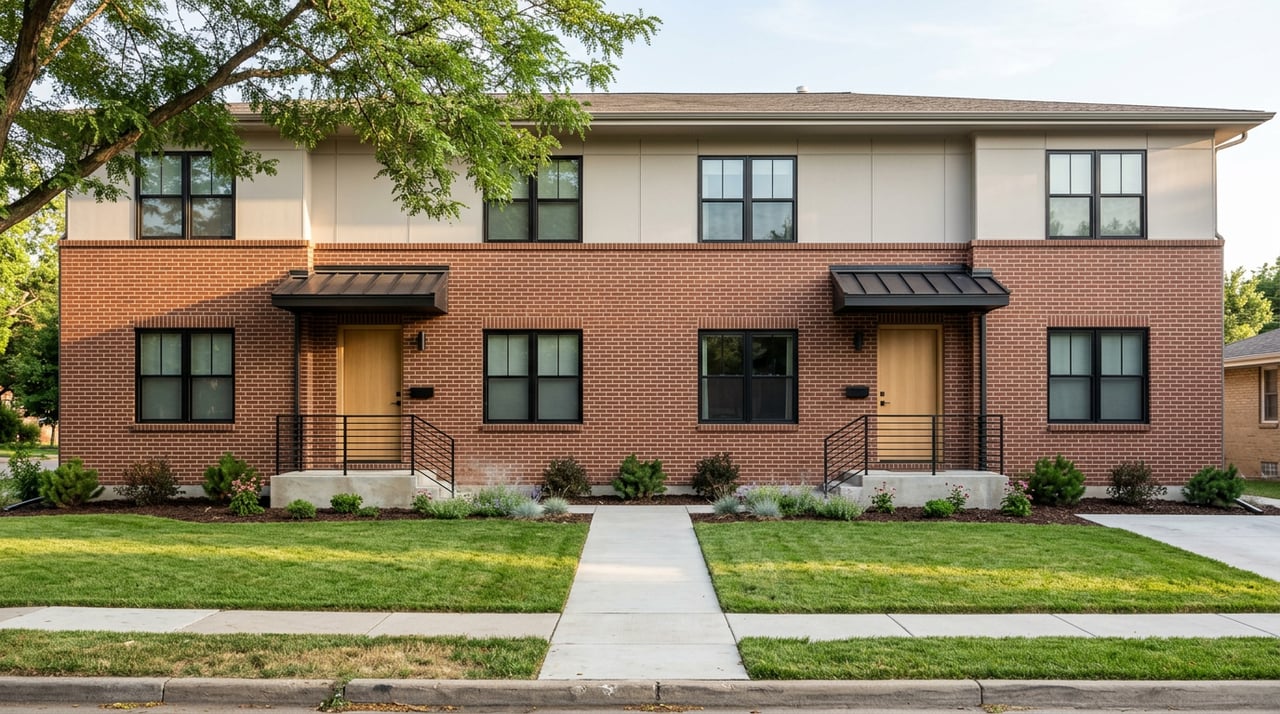
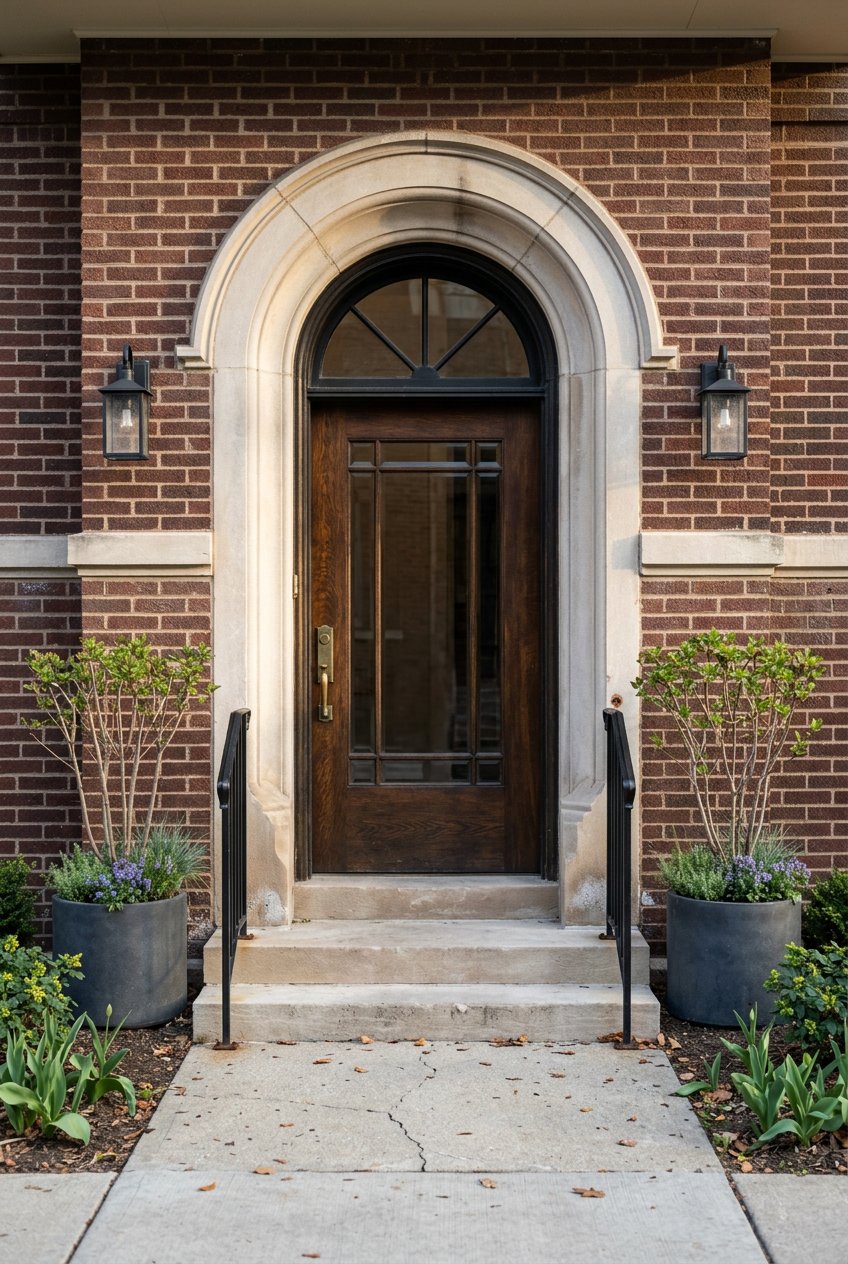
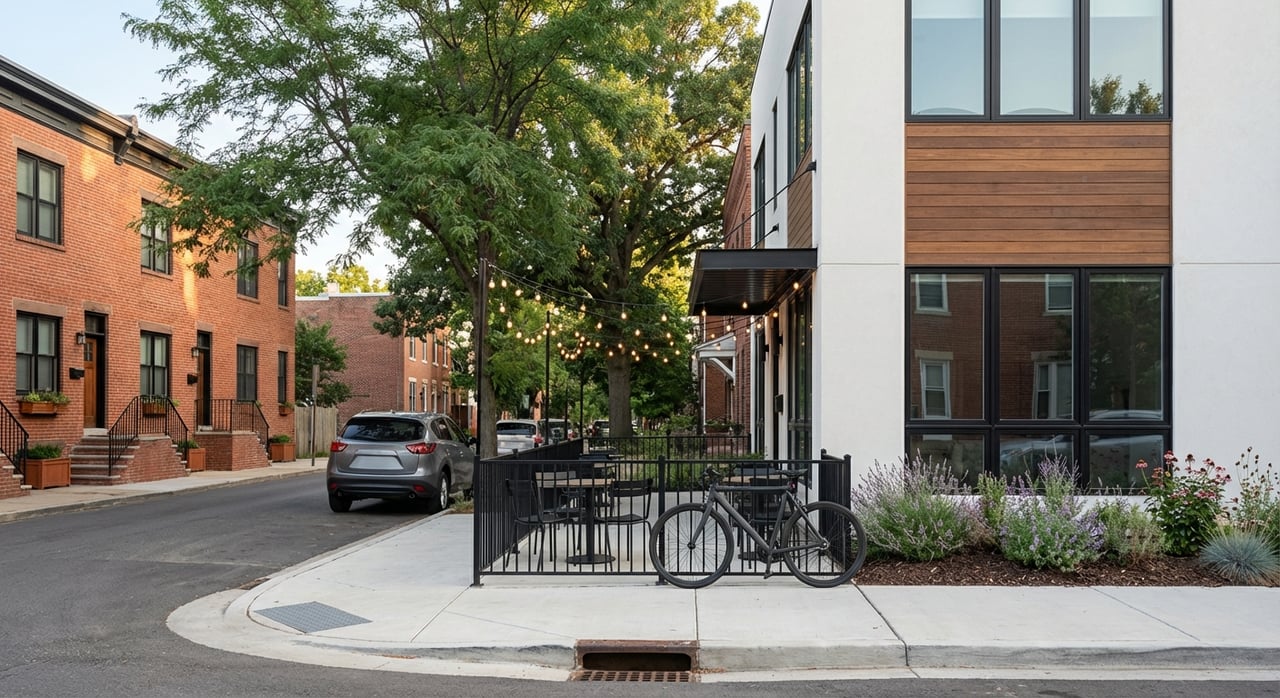
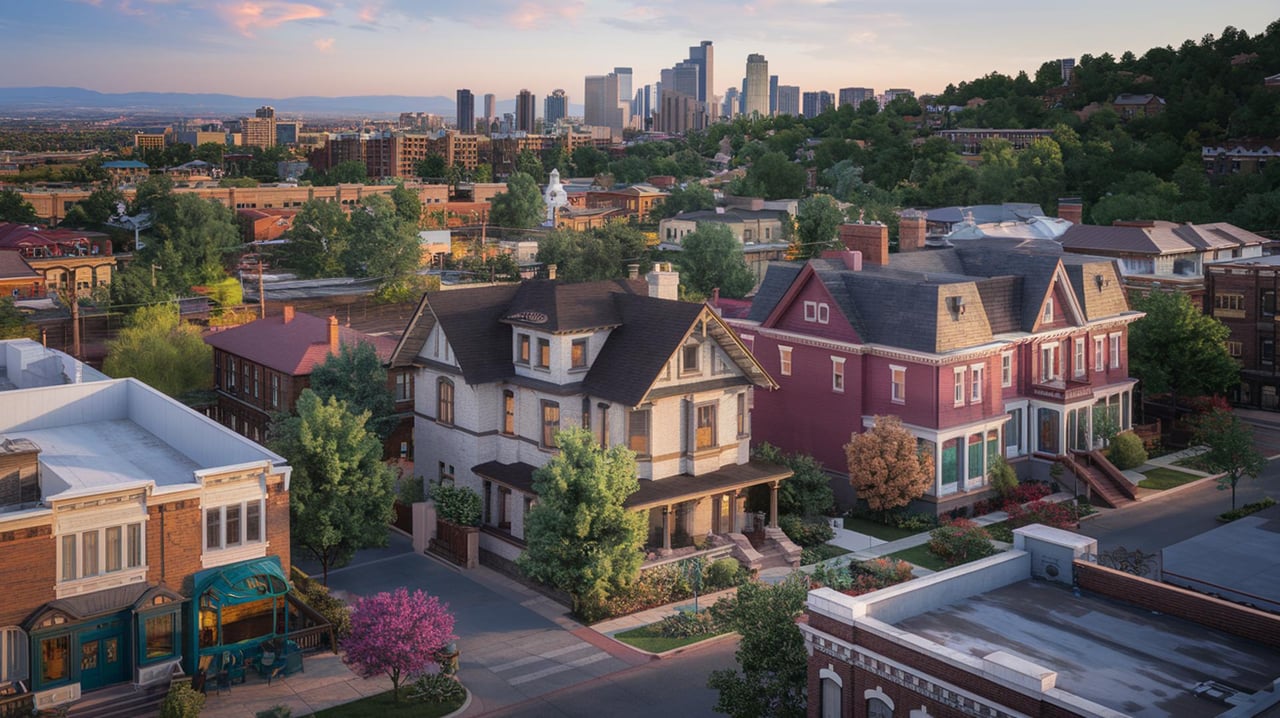
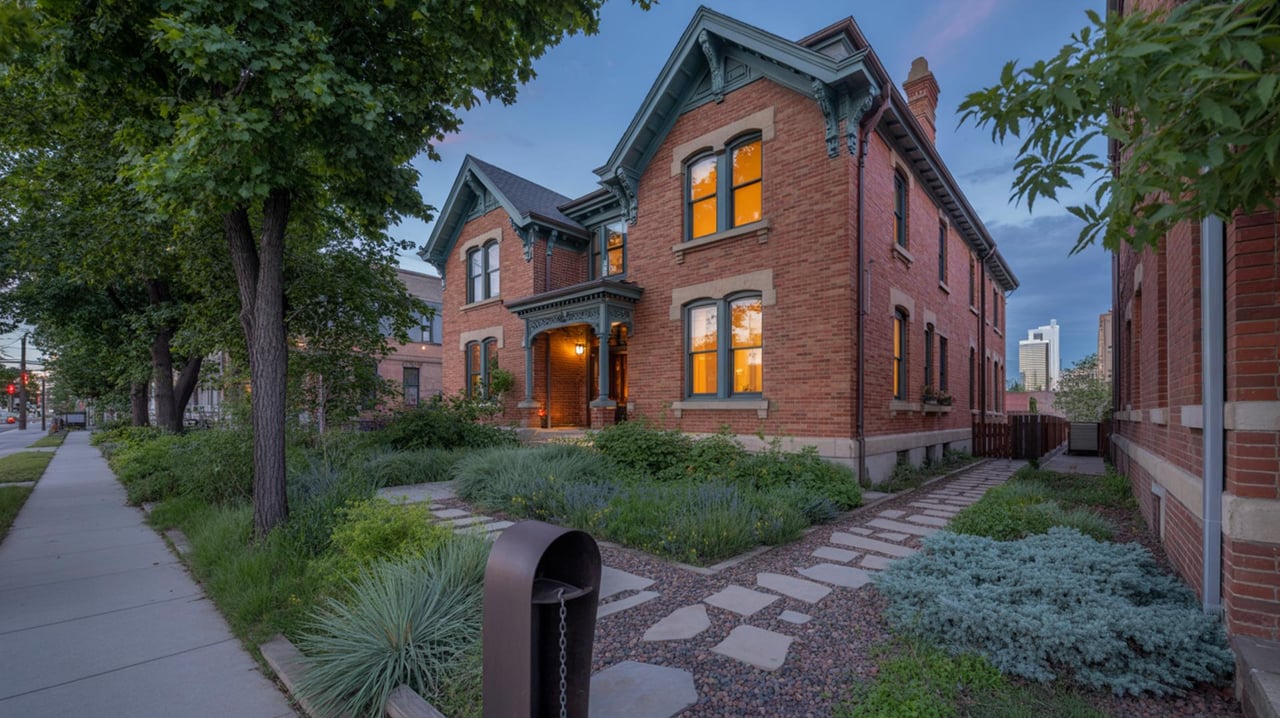
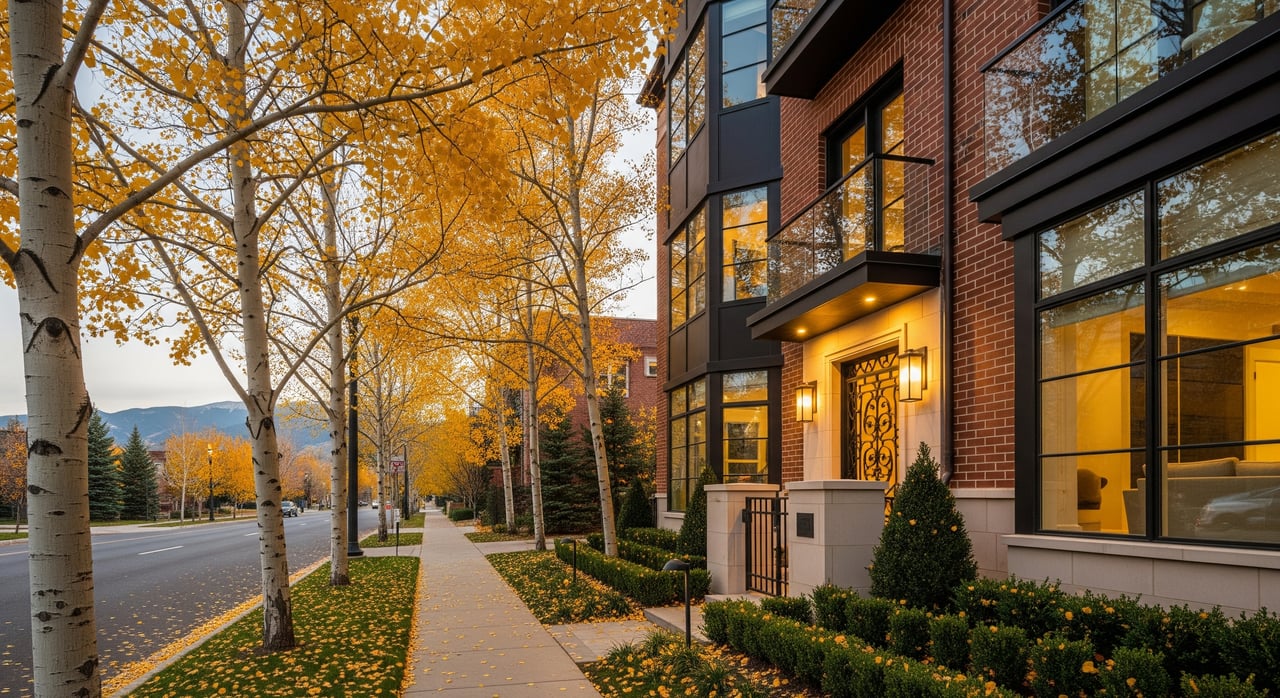
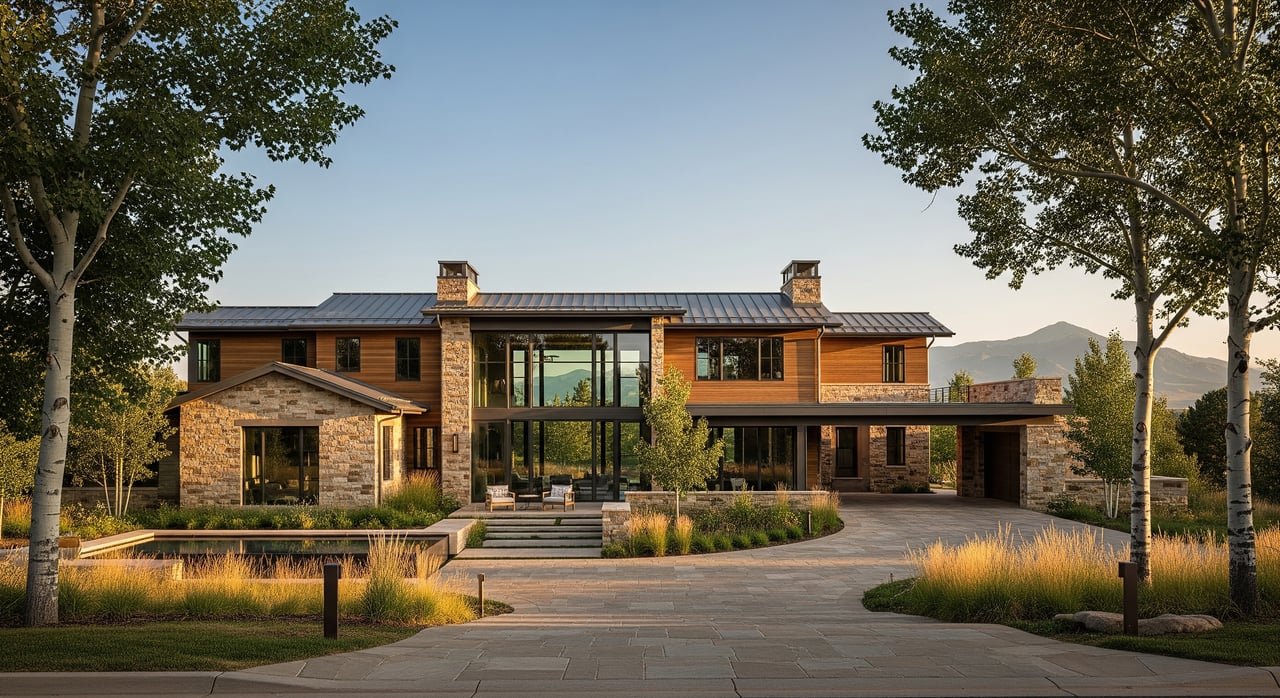
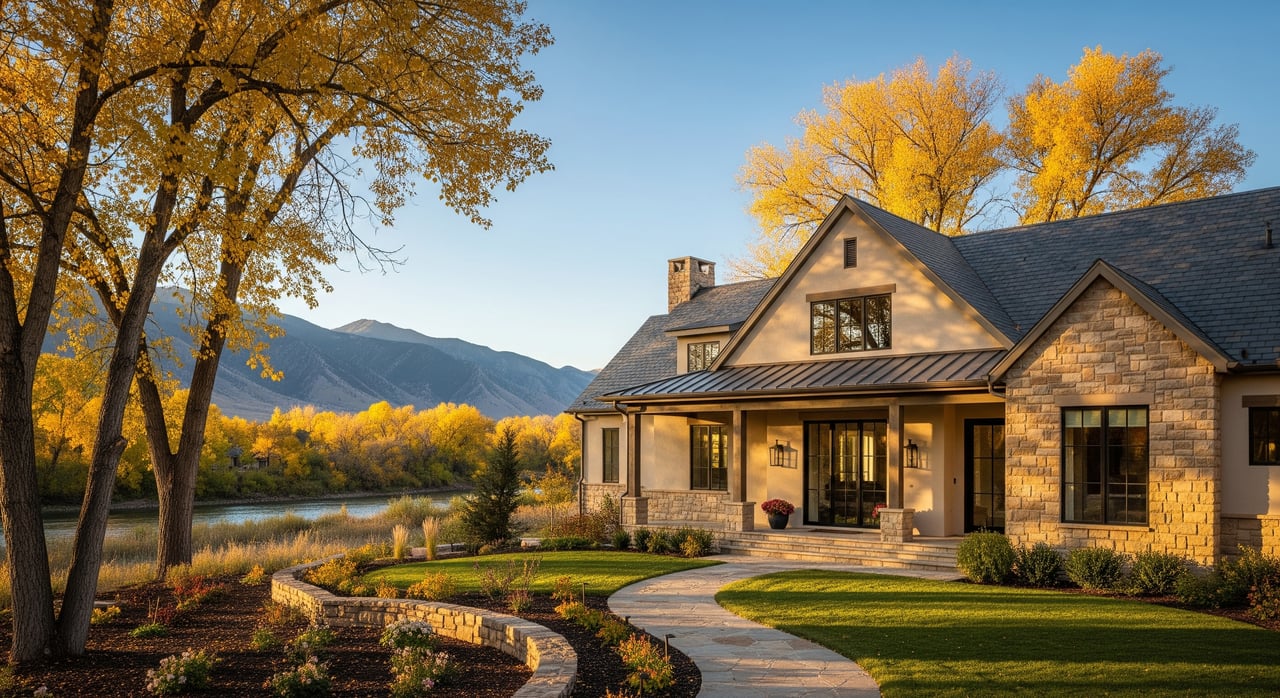
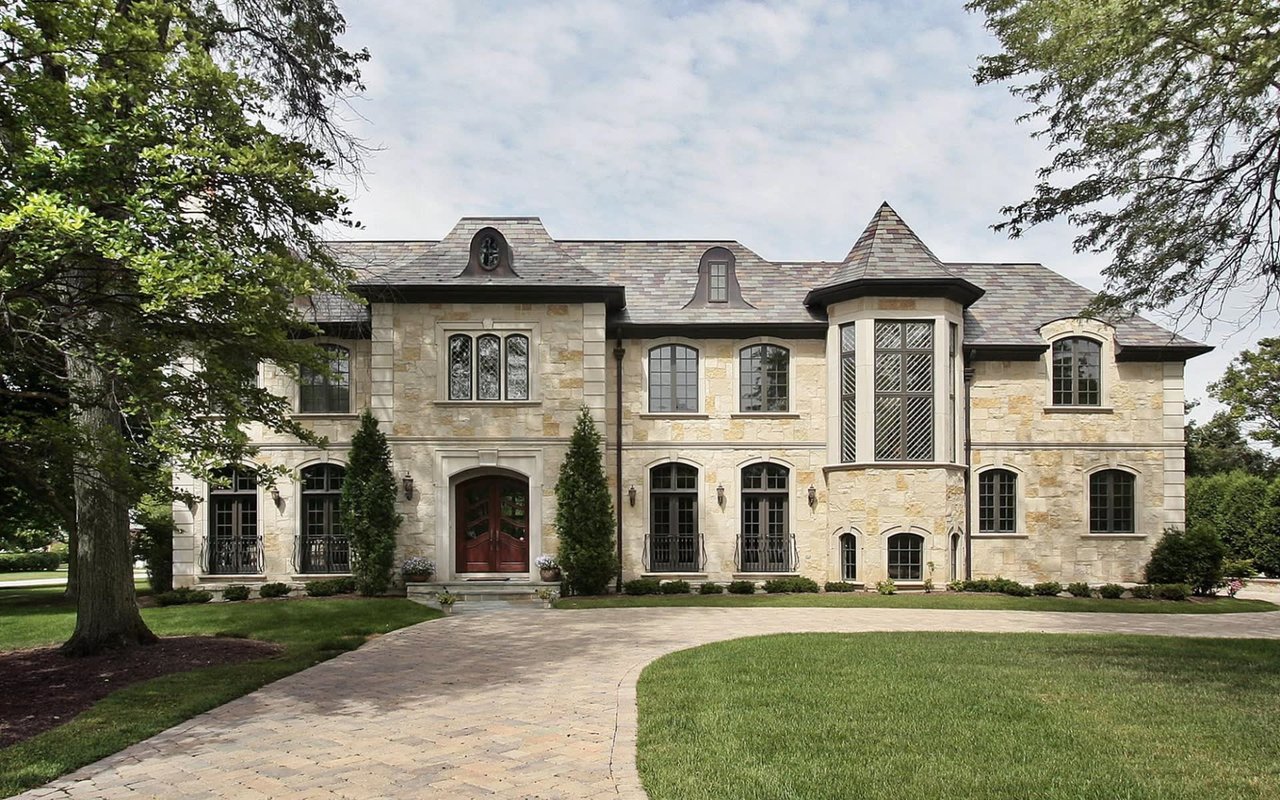
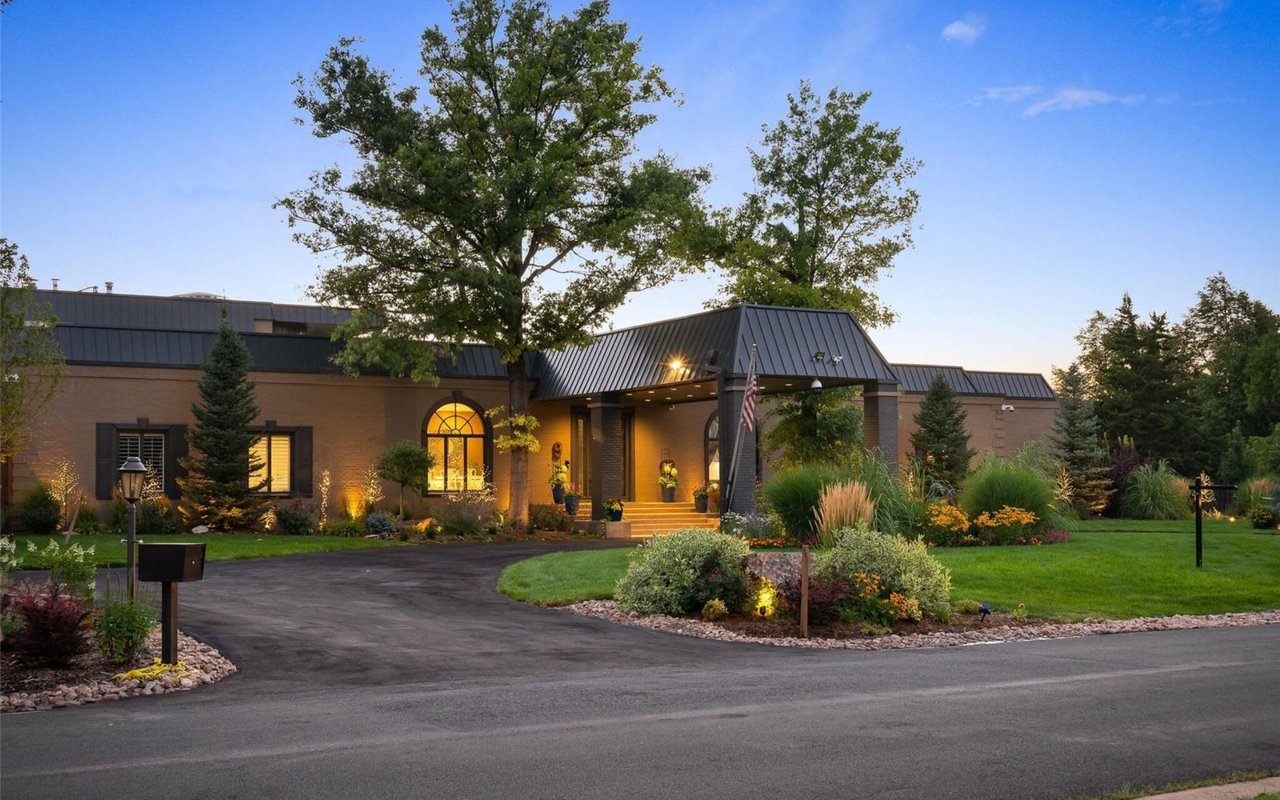
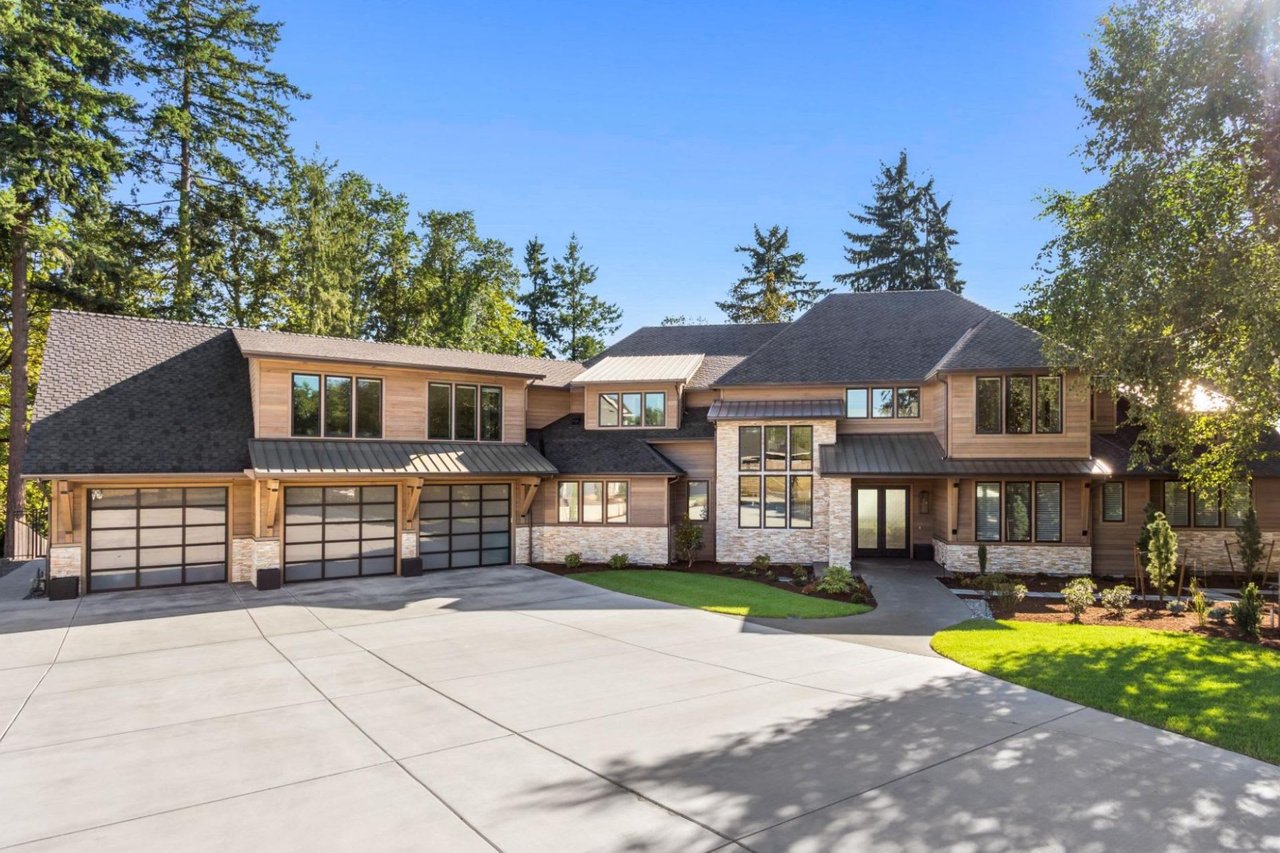
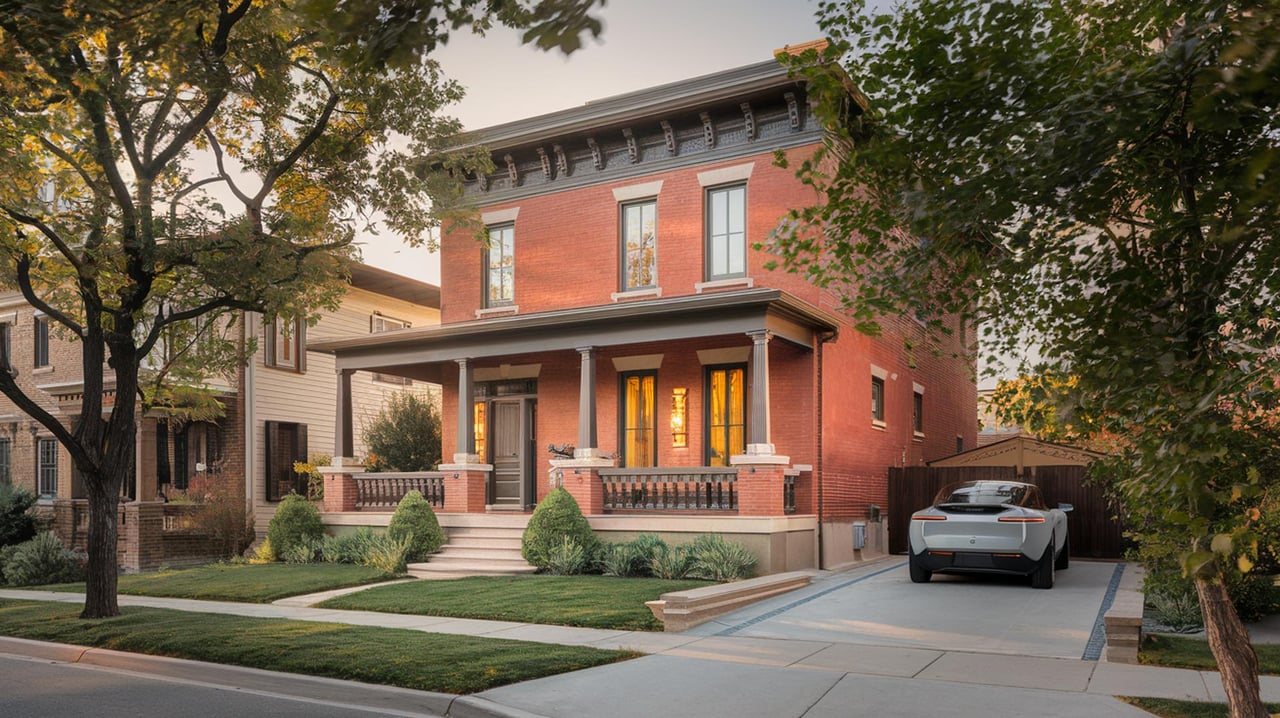
Centennial is larger and more varied, with mid-century to 1990s single-family homes, mature trees, and wider lot sizes in many neighborhoods. You will also find pockets of infill and mixed-use planning around Dry Creek station through the city’s District Centennial initiative.
Commute and transit access
Driving
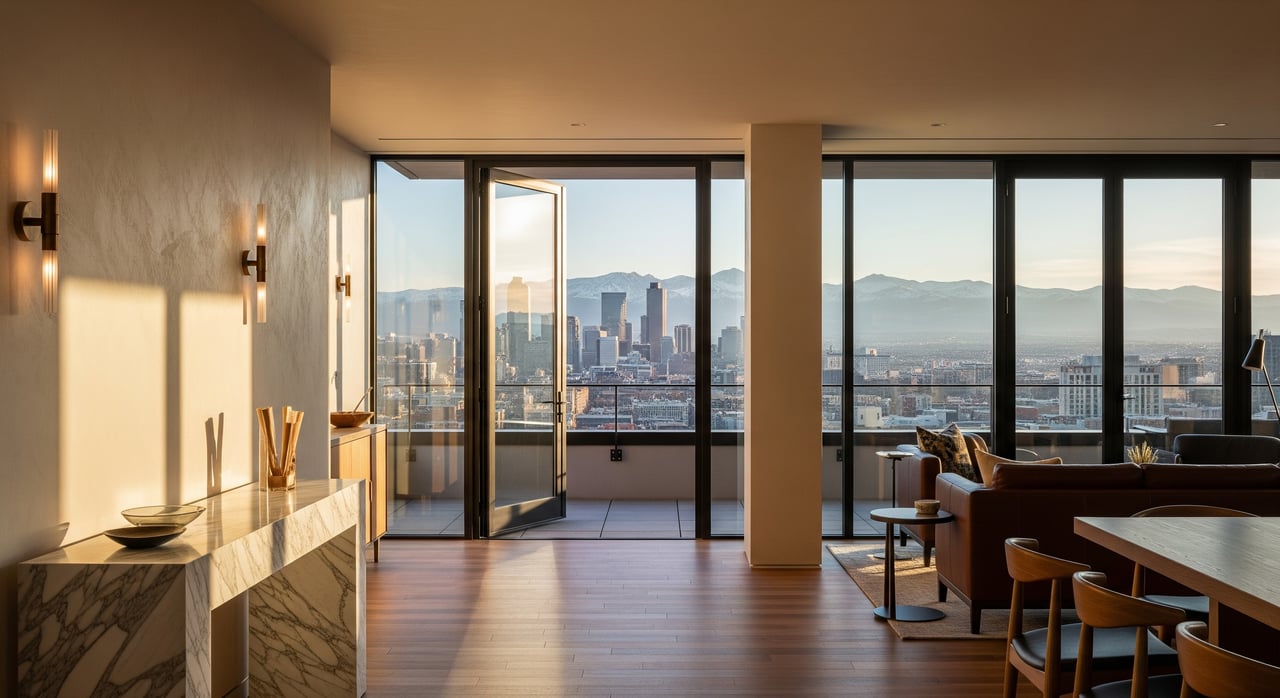
Both cities run along I‑25 with convenient access to C‑470 and E‑470. Lone Tree sits just south of the Denver Tech Center, so many neighborhoods cut minutes off a DTC commute. Centennial spans a wider footprint, so actual drive times vary by address. For a realistic read, map your route and test it at peak hours. The city’s overview of routes and options is a helpful primer for Lone Tree transportation.
Light rail
- Lone Tree: RTD stations include County Line, Lincoln, Sky Ridge, Lone Tree City Center, and RidgeGate Parkway, with end-of-line parking and direct service to Union Station on the E line. See the Southeast Rail Extension context in this RTD rail extension update and station details from Lone Tree’s transportation page.
- Centennial: You will find access at Dry Creek and Arapahoe at Village Center stations. If transit is a priority, shortlist homes within a short walk or drive of these hubs, starting with Dry Creek Station.
Retail, parks, and recreation
Shopping and dining
- Lone Tree: Park Meadows serves as the south-metro retail anchor with significant dining and shopping. Explore stores and dining at Park Meadows.
- Centennial: The Streets at SouthGlenn is a neighborhood-scale mixed-use center with groceries, cinema, and dining. Get a feel for the setting with this overview of The Streets at SouthGlenn.
Parks, trails, and rec centers
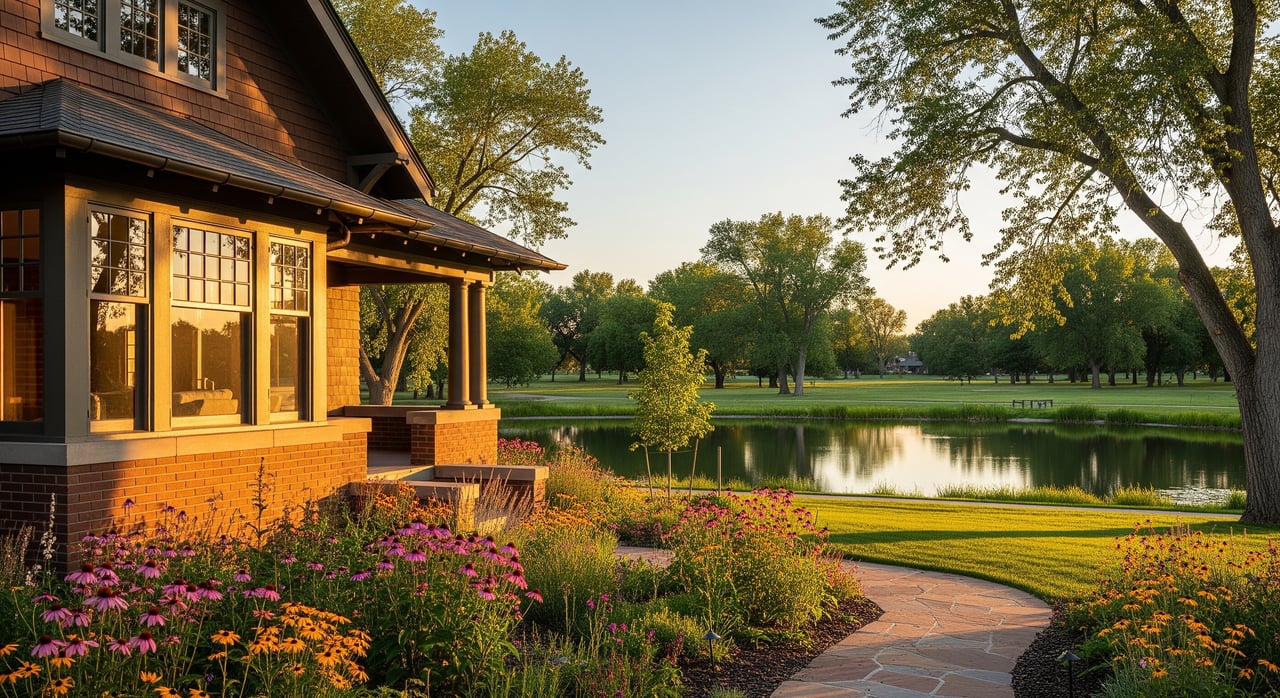
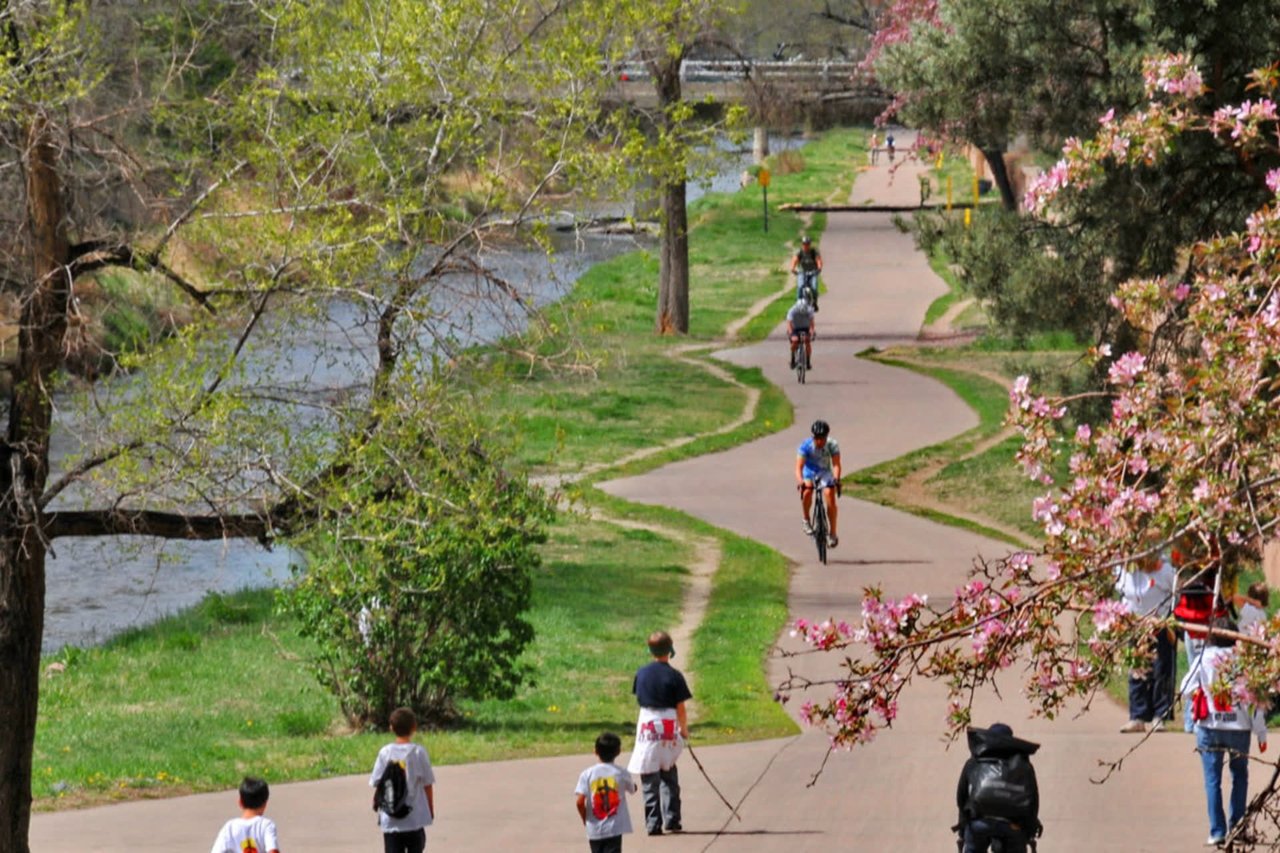
- Cherry Creek State Park: A regional standout near Centennial with 4,200+ acres, an 880‑acre reservoir, trails, boating, and camping. Plan a weekend at Cherry Creek State Park.
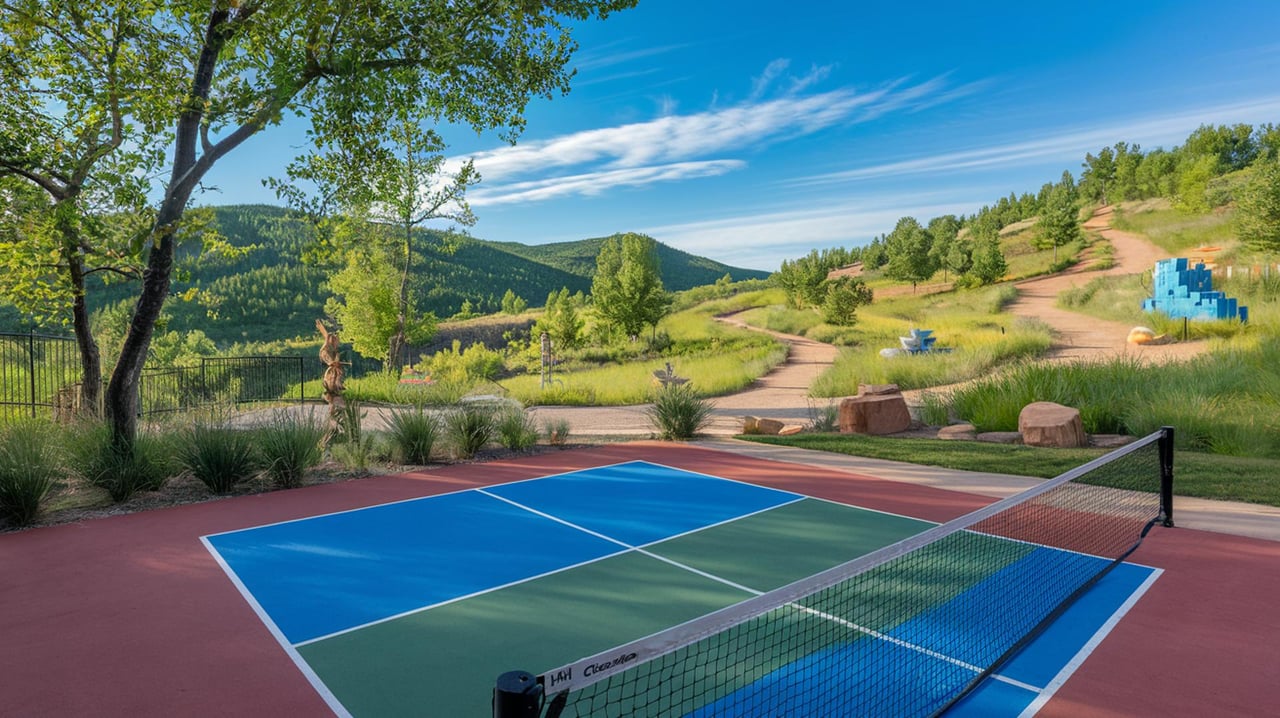
- Local rec: South Suburban’s Goodson Recreation Center offers pools, courts, and robust programming that fits busy family schedules. See amenities at Goodson Recreation Center.
Neighborhood character
Lone Tree: mixed-use energy
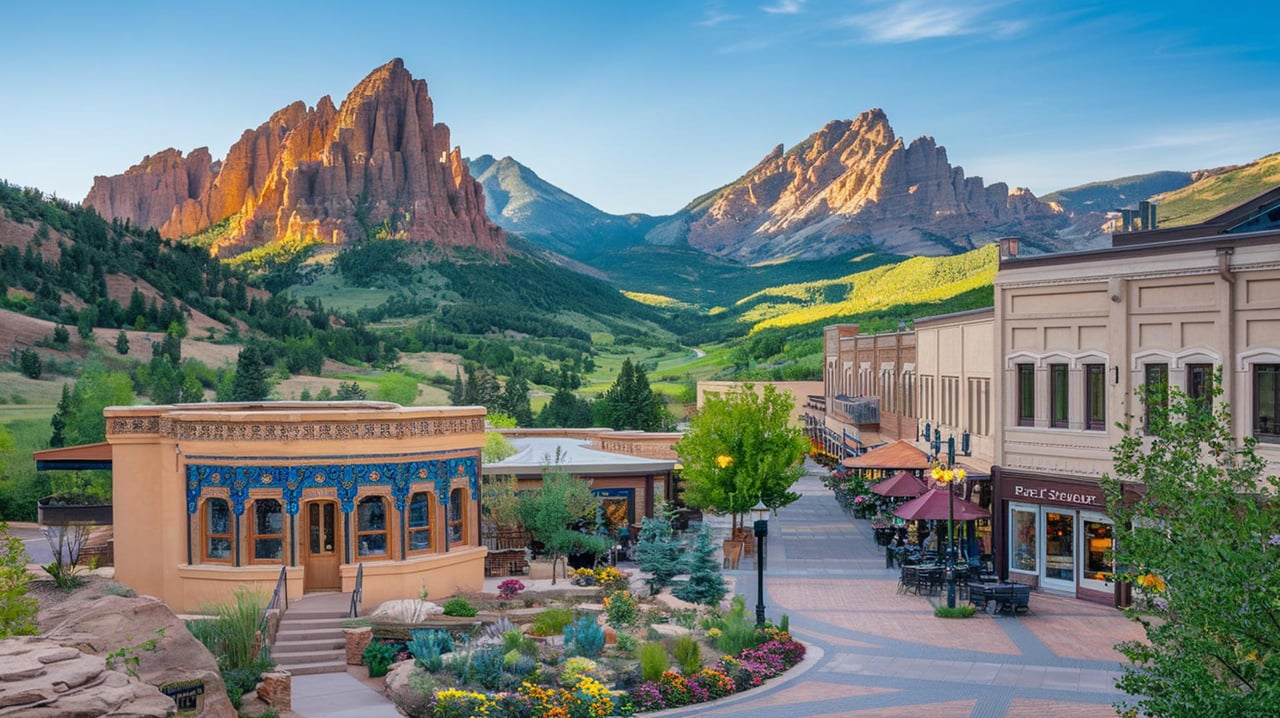
Expect newer streetscapes, planned greenways, and walkable pockets near transit and Park Meadows. Many neighborhoods have HOA oversight and low-maintenance living. RidgeGate’s plan highlights civic amenities, office space, and daily conveniences in a compact footprint. Get a feel for the plan at RidgeGate.
Centennial: classic suburban feel
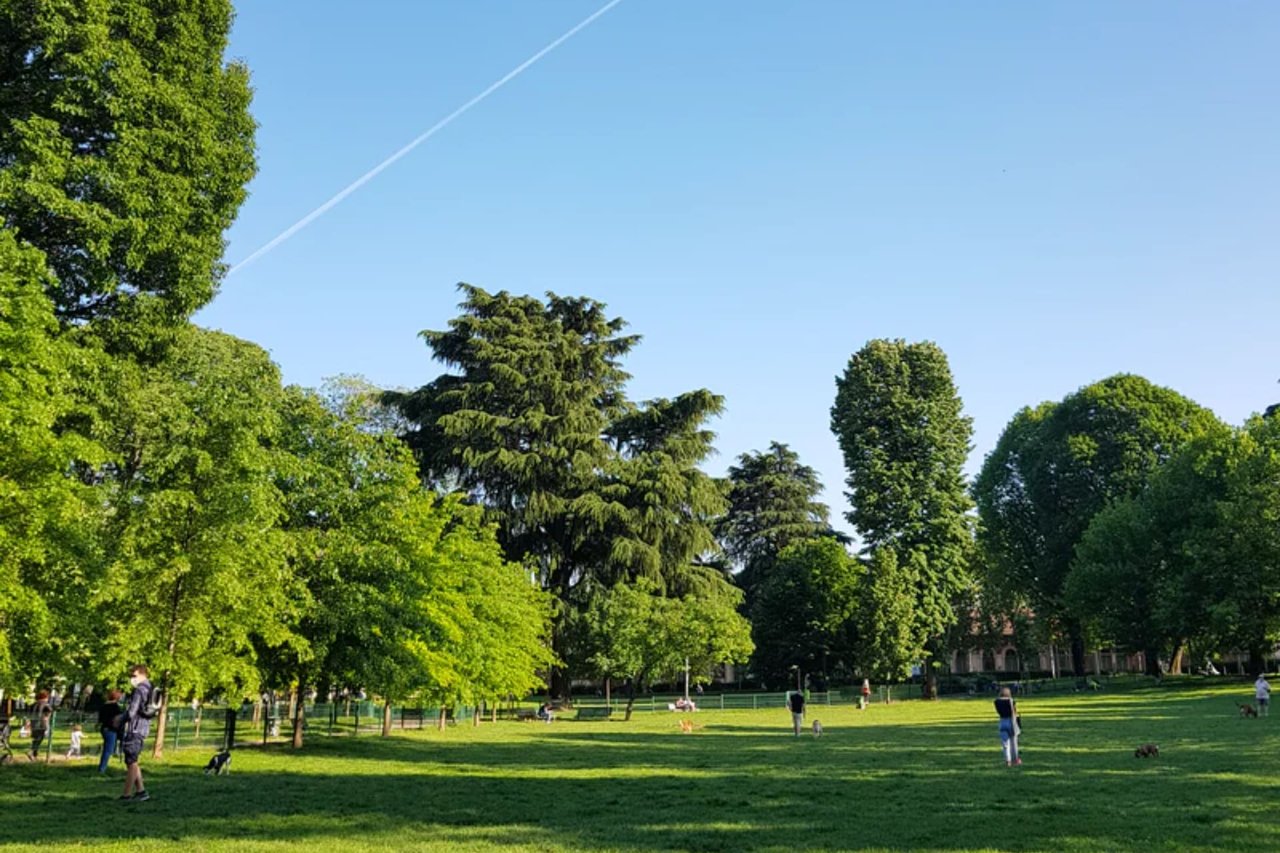
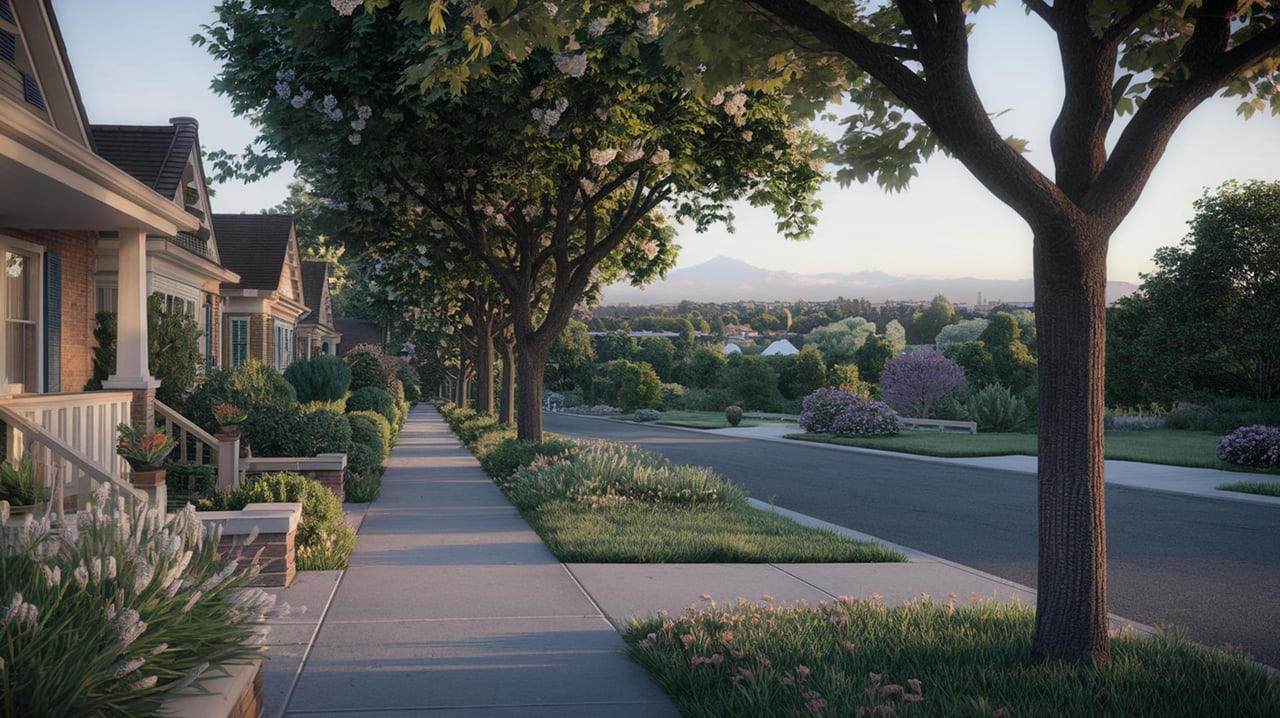
Centennial reads as traditional suburbia with mature trees, larger yards in many areas, and a mix of home ages. You will also see targeted redevelopment around Dry Creek to make certain blocks more walkable. Review the city’s vision at District Centennial.
How to choose quickly
Use this practical, step-by-step filter to narrow your list.
Step 0: Set firm constraints
- One-way commute cap at peak times. Map your route and test from both cities. For transit-first searches, focus on Lone Tree’s stations and Centennial’s Dry Creek and Arapahoe at Village Center.
- Budget and monthly cost ceiling, including HOA dues and taxes.
Step 1: Pick product type and price band
- Want newer, low-maintenance living in a walkable pocket near DTC? Shortlist RidgeGate and areas around Sky Ridge, Lincoln, and County Line in Lone Tree.
- Want more yard or more options under ~$750k? Broaden to established Centennial neighborhoods, including those near The Streets at SouthGlenn for daily convenience.
Step 2: Apply lifestyle filters
- Commute: use drive-time filters from your work address.
- Transit: target homes within a short walk or drive of RidgeGate Parkway, Sky Ridge, Dry Creek, or Arapahoe at Village Center.
- Lot size vs. maintenance: set minimum lot sizes if outdoor space matters.
- Year built: 2000+ for newer layouts, pre‑2000 for mature landscaping.
- HOA dues: include in affordability.
Step 3: Field checks
- Drive your routes at your actual commute time.
- Visit each neighborhood on weeknights and weekends, check parking, dog-walk routes, and proximity to groceries and healthcare.
Step 4: Verify taxes and comps
- Pull 6–12 months of sold comps in your target micro-area to confirm days on market and sale-to-list ratios.
- Check parcel-level taxes and any special district assessments. Douglas County has shared recent updates on mill-levy changes and relief; review the county’s guidance on property tax relief.
Bottom line
Choose Lone Tree if you want newer homes, a shorter DTC commute, and walkable pockets near transit and Park Meadows. Choose Centennial if you want broader single-family selection for the money, established yards, and quick access to Cherry Creek State Park. If you want a data-backed, side-by-side tour with commute tests and a custom shortlist, reach out. When you are ready, connect with Alex Rice to Start Your Home Journey.
FAQs
What makes Centennial more affordable than Lone Tree?
- Median prices trend lower in Centennial, and its established neighborhoods offer more single-family options under the ~$750k range compared with Lone Tree’s newer, often higher-priced inventory.
How do DTC commutes compare between the two suburbs?
- Lone Tree neighborhoods near RidgeGate, Sky Ridge, and Lincoln usually offer shorter DTC drives and direct RTD access, while Centennial commute times vary more by exact address and station proximity.
Which suburb is better for light-rail access to downtown Denver?
- Lone Tree has multiple RTD stations, including RidgeGate Parkway with large parking and E Line service to Union Station, while Centennial riders commonly use Dry Creek or Arapahoe at Village Center depending on location.
Are the retail amenities very different between the cities?
- Yes. Lone Tree anchors the corridor with Park Meadows’ regional shopping and dining, while Centennial centers daily needs at The Streets at SouthGlenn and other local centers.
Where will I find larger lots and mature trees?
- Centennial’s established subdivisions typically offer wider lot choices and mature landscaping, while Lone Tree emphasizes newer builds and planned, lower-maintenance neighborhoods.