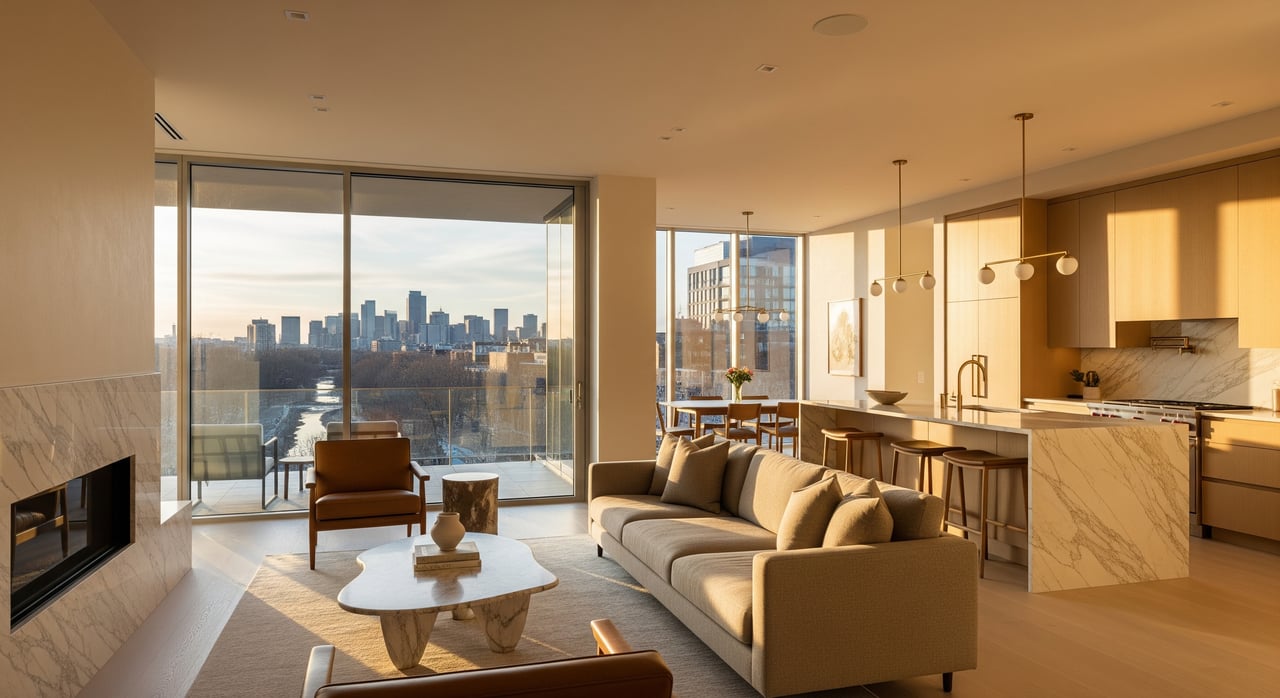
Is pricing your Cherry Creek luxury condo keeping you up at night? You are not alone. In a neighborhood where floor level, views, and HOA health can swing value, guessing is expensive. In this guide you will learn a clear, repeatable framework to price with confidence, tailored to Cherry Creek’s luxury condo market. You will walk away with a 6-step plan, a sample CMA walk‑through, and practical checklists you can use today. Let’s dive in.
Cherry Creek condo market context
Cherry Creek attracts buyers who want walkability, dining, boutique shopping, and lock-and-leave convenience. Many are professionals, downsizers, and out-of-state buyers who value finishes, services, and location. They compare buildings on privacy, view corridors, and amenity quality more than on lot size.
Units compete on different axes: floor level and exposure, private outdoor space, parking and storage, and concierge-style services. That means two similar-sized condos can sell for very different numbers based on view, terrace quality, or HOA health. A strong pricing plan accounts for these differences upfront.
The 6-step pricing framework
1) Clarify your objective
Define what success looks like before you look at numbers.
- Target outcome: maximize net proceeds, a specific timeline, or fewer contingencies.
- Constraints: minimum net you will accept, tax timing, 1031 or relocation timing, or mortgage considerations.
- Strategy fit: your objective informs whether to price to create competition, target market value, or test a premium.
2) Gather accurate unit data
Precision here prevents pricing drift later.
- Livable square footage measured to a standard when possible.
- Floor, exposure, and view description. Note skyline, mountain, or tree-line outlooks.
- Outdoor space details: balcony or terrace size and finish quality.
- Deeded items: parking count and type, EV readiness, and storage units.
- Interior updates: kitchen and bath remodels, fixtures, floors, windows, mechanicals, and smart-home features.
- HOA snapshot: dues, what is included, reserve study status, meeting minutes, any special assessments, and insurance type.
3) Select the right comparables
For luxury condos, building-specific comps carry the most weight.
- Start in-building with 5 to 7 recent closed sales when possible. If thin, expand to similar nearby buildings with comparable age, finish level, and services.
- Look back 3 to 6 months in active conditions. Stretch to 6 to 12 months if high-end sales are sparse.
- Include active and pending listings to understand your competition and buyer options right now.
- Keep one “fallback” comp from a similar building if your subject tower has no recent trades.
4) Normalize and adjust comps
Turn apples and oranges into apples and apples.
- Size normalization: analyze price per livable square foot as a baseline, then adjust for quality.
- Floor premium: higher floors often command more if views and quiet improve.
- View and exposure: city skyline and mountain views carry premiums over interior or obstructed views.
- Outdoor space: larger or upgraded terraces justify value.
- Parking and storage: deeded garage spaces and storage rooms add utility and price.
- Interior condition: premium kitchens, baths, and flooring matter in this segment.
- Amenities and services: concierge, valet, gym, pool, and private lounges influence buyer willingness to pay.
- HOA realities: underfunded reserves or known assessments reduce value or require concessions.
- Time and concessions: note long market times or seller credits in your comps and reflect them in adjustments.
Document each adjustment so you can show your logic, not just the outcome.
5) Cross-check the math
Use two methods and reconcile.
- Adjusted comparable method: apply your adjustments to each comp to create a value range.
- PSF method: calculate a median price per square foot from validated comps, multiply by your unit size, then apply unit-level premiums or discounts.
If the two ranges are tight, you likely have a defensible list number. If they are wide, revisit adjustments or expand the comp set.
6) Set the list price and position it
Align price to your goal and buyer search behavior.
- Aggressive market-driven: slightly under market to create competition when supply is tight.
- Target market value: price at the expected value for stable conditions.
- Premium aspirational: test the top of the range for a highly unique unit when time is flexible.
Place your list price within common search bands to capture more filtered buyer traffic.
Condo factors that move price
HOA fees and reserves
Dues structure and reserve funding affect both monthly cost and buyer confidence. Well-funded reserves and a clear reserve study reduce risk. Special assessments should be disclosed and priced in.
Building rules and litigation
Rental caps, pet policies, and any active litigation can shrink the buyer pool and impact financing. Confirm rules and disclose early.
Deeded items and title details
Deeded garage spaces, EV capacity, and storage rooms are tangible value. Clarify what conveys and verify in title.
Mechanical and structural health
Elevators, envelope and window history, balcony waterproofing, and mechanical systems matter. Pre-inspection or recent service records can support your price and reduce renegotiation risk.
Amenities, services, and finishes
Concierge service, valet-like garage, upgraded fitness, pool, and private lounges add lifestyle value. Inside the unit, design-forward kitchens and baths can justify premiums over baseline PSF.
Example CMA walkthrough
Below is a fictional example to illustrate the process.
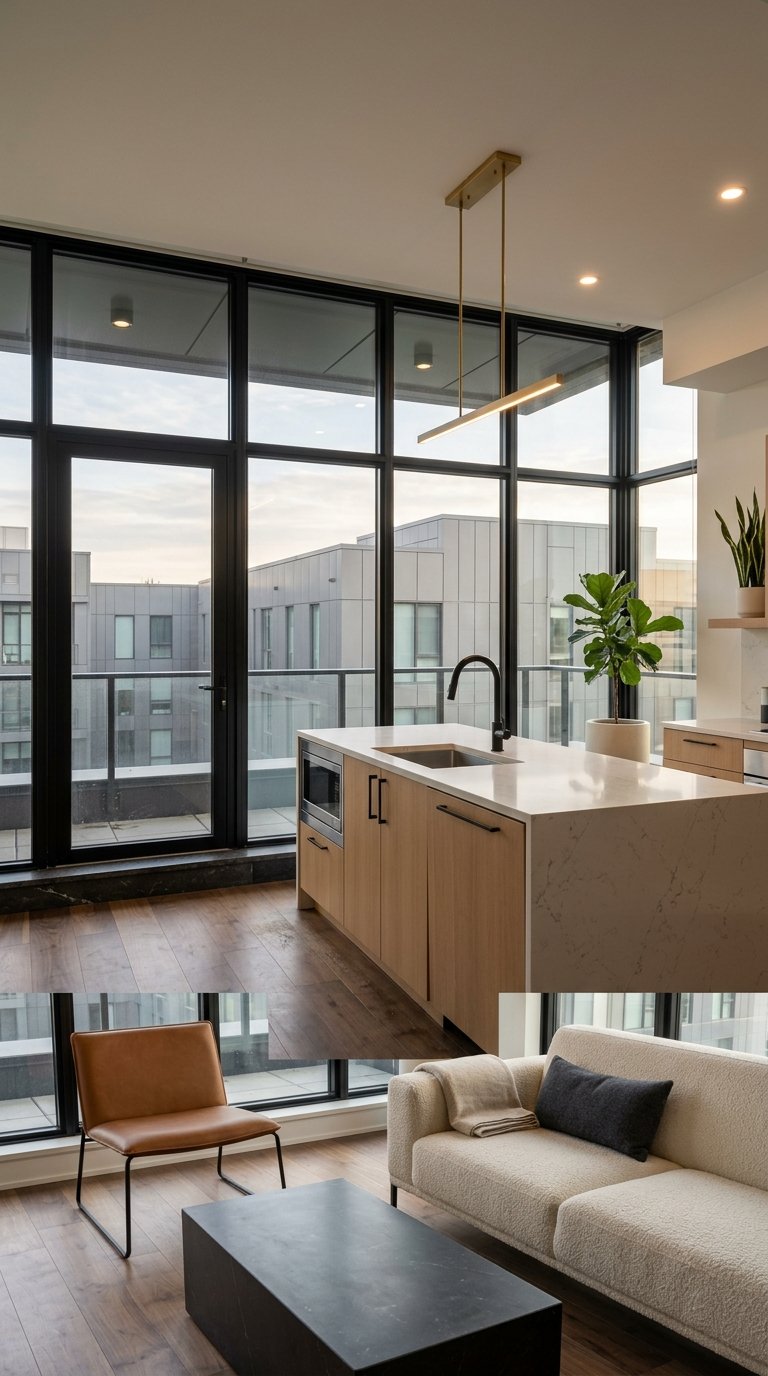
Subject unit: 1,800 square feet, 2 bed, 3 bath, 12th floor, west exposure with mountain and city views, 200-square-foot terrace, 2 deeded garage spaces, 1 deeded storage room, recent kitchen and primary bath renovation, HOA includes water, heat, exterior insurance, and reserves.
Comp set: 6 closed sales in the building and one nearby peer building, ranging from 1,600 to 2,000 square feet.
- PSF method
- Median validated PSF from comps: $900.
- Baseline value: 1,800 x $900 = $1,620,000.
- Unit-level premiums: higher floor with premium view (+3 percent), large upgraded terrace (+2 percent), two deeded garage spaces (+1 percent), recent renovations (+2 percent).
- PSF indication after premiums: about $1,711,000 to $1,740,000.
- Adjusted comparable method
- After adjustments for floor, view, terrace, parking, storage, condition, and minor concessions, the adjusted sales indicate a range of $1,680,000 to $1,760,000.
- Reconciliation and pricing
- Final recommended list price: $1,725,000, positioned within a common buyer search band.
- Fallback price band: $1,690,000 to $1,710,000 if early feedback or activity signals resistance.
Your actual numbers will differ. The key is to show your sources, your adjustments, and how you reconciled the range.
What to prepare
Seller document checklist
- Floor plan, plats or survey if available, and any measured square footage documentation.
- Full HOA packet: budget, reserve study, CC&Rs, rules, recent meeting minutes, master insurance summary, litigation disclosures, delinquency rates, and any assessments.
- List of deeded items: parking, storage, and any exclusive-use areas.
- Upgrade list with dates and receipts.
- Recent service records for windows, balcony, HVAC, and appliances.
Pre-listing property checklist
- Deep clean, fresh paint touch-ups, and lighting upgrades.
- Staging tailored to your likely buyer profile to highlight circulation and views.
- Balcony check and minor repairs, especially waterproofing-related touch-ups.
- Pre-inspection or targeted inspections for known concern areas.
- Professional photography, floor plan, and a high-quality virtual tour.
Questions to ask your listing agent
- How were the comps chosen, and how were adjustments made for floor, view, and HOA factors?
- What is the recommended list price, price band, and expected days on market for similar units?
- What is the marketing plan, including broker outreach and digital syndication?
- Which repairs or improvements will yield a return versus items better handled as a price strategy?
- What are net proceeds scenarios at several sale prices, including typical concessions?
Strategy and timing
- Seasonal patterns: spring and fall often see more activity, yet luxury buyers can be less seasonal. Focus on presentation and readiness over the calendar alone.
- Marketing depth: quality photos, twilight shots for view units, detailed floor plans, and a polished tour help justify price.
- Broker-first outreach: targeted previews and agent networks often drive serious showings faster than general open houses for high-end listings.
- Search band placement: choose a list price that fits within common buyer filter ranges for maximum exposure.
Negotiation safeguards
- Expect financing and appraisal questions. Consider strategies that address appraisal gaps when appropriate and within local rules.
- Use a pricing buffer that reflects limited luxury comps while protecting your minimum net.
- Pre-inspected files and robust HOA documentation can reduce repair credits and re-trade risk.
- If multiple offers are likely, set a clear offer review plan and compare terms beyond price, including financing strength, inspection posture, and closing timeline.
A disciplined process is how you protect your equity. With the right comps, transparent adjustments, and a clear launch strategy, you can price your Cherry Creek condo with confidence and sell on your terms. If you want a private, data-driven valuation and a tailored marketing plan, connect with Alex Rice for a confidential consultation.
FAQs
How do Cherry Creek condo appraisals work?
- Appraisers rely most on recent condo sales within the same building or similar buildings, so a thin data set increases subjectivity and makes documentation of adjustments essential.
How do HOA fees affect buyer qualification for a condo?
- Lenders include monthly HOA dues in the buyer’s debt-to-income calculations, which can reduce loan capacity and narrow the qualified buyer pool at higher fee levels.
Should I complete repairs before listing my luxury condo?
- Address items that materially affect marketability or inspection risk, such as balcony waterproofing or mechanical concerns, while weighing cosmetic updates against expected return.
How do special assessments impact the sale price of a condo?
- Known or pending assessments should be disclosed and priced into the listing, often through a reduced list price or a seller credit that resolves buyer risk.
Does staging matter for Cherry Creek luxury condos?
- Yes, staging highlights lifestyle, views, and circulation, which can shorten days on market and support stronger offers in the luxury segment.