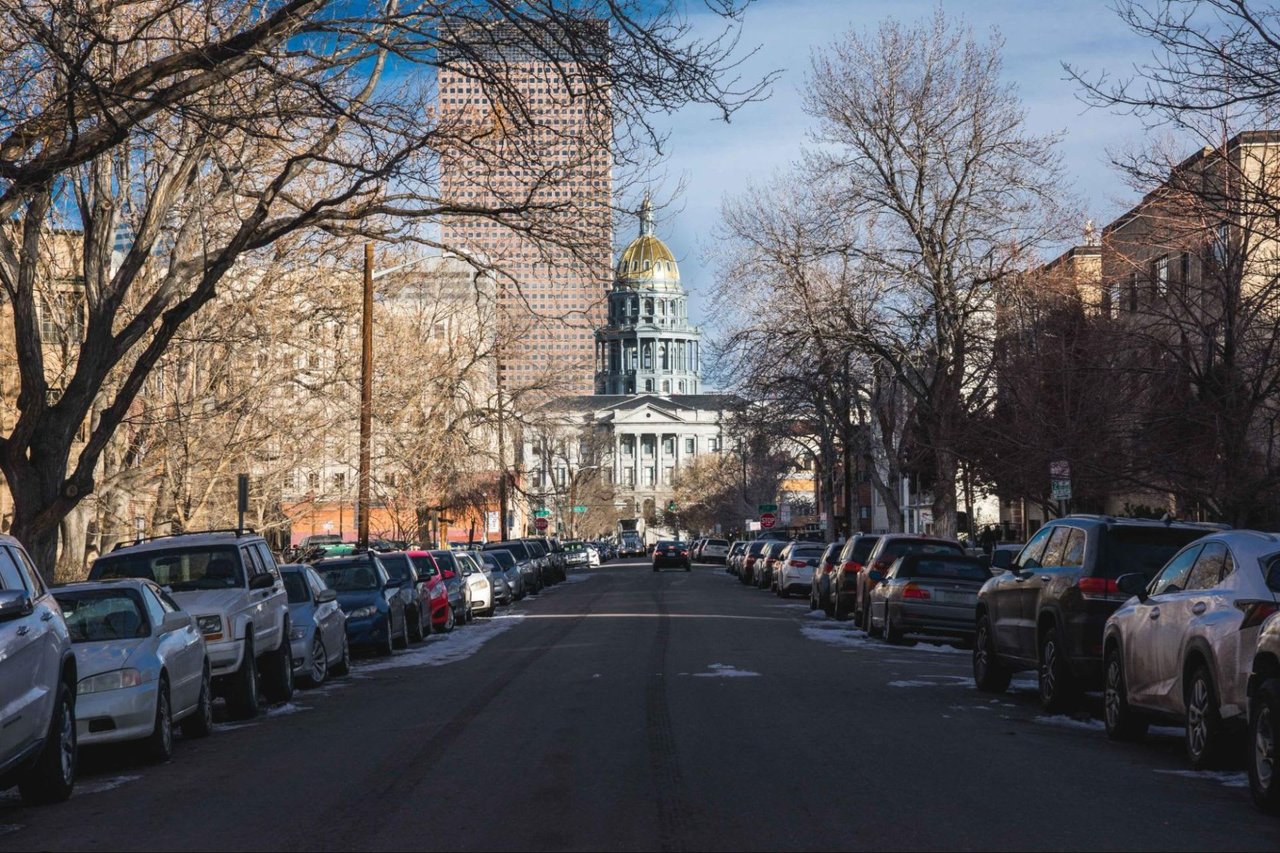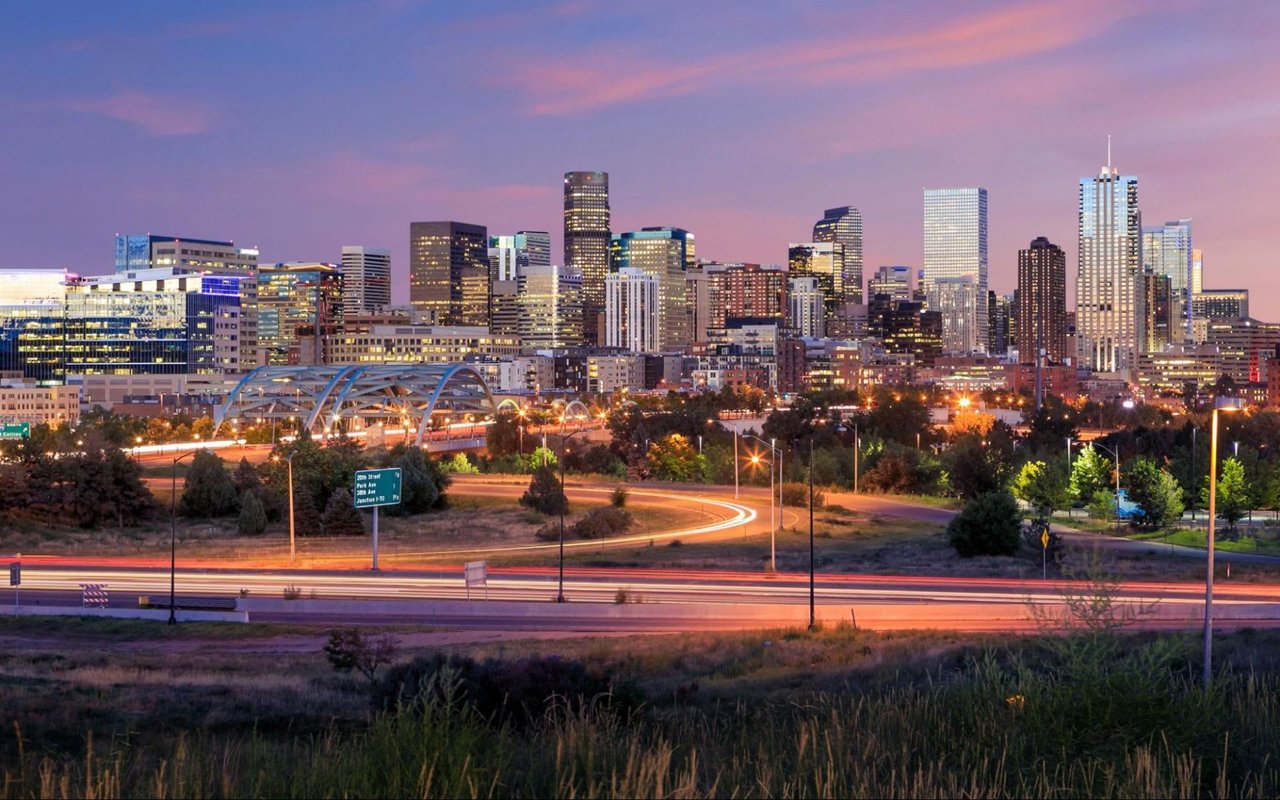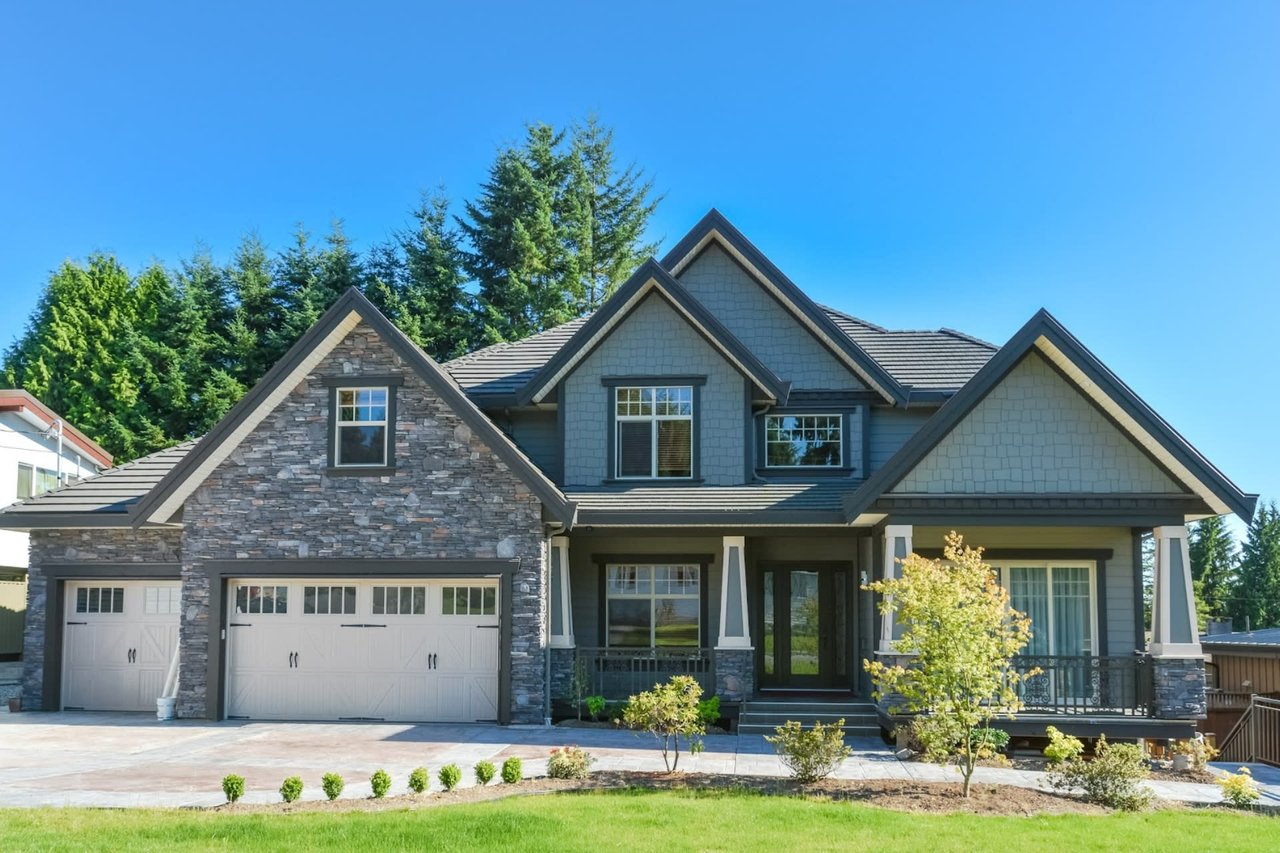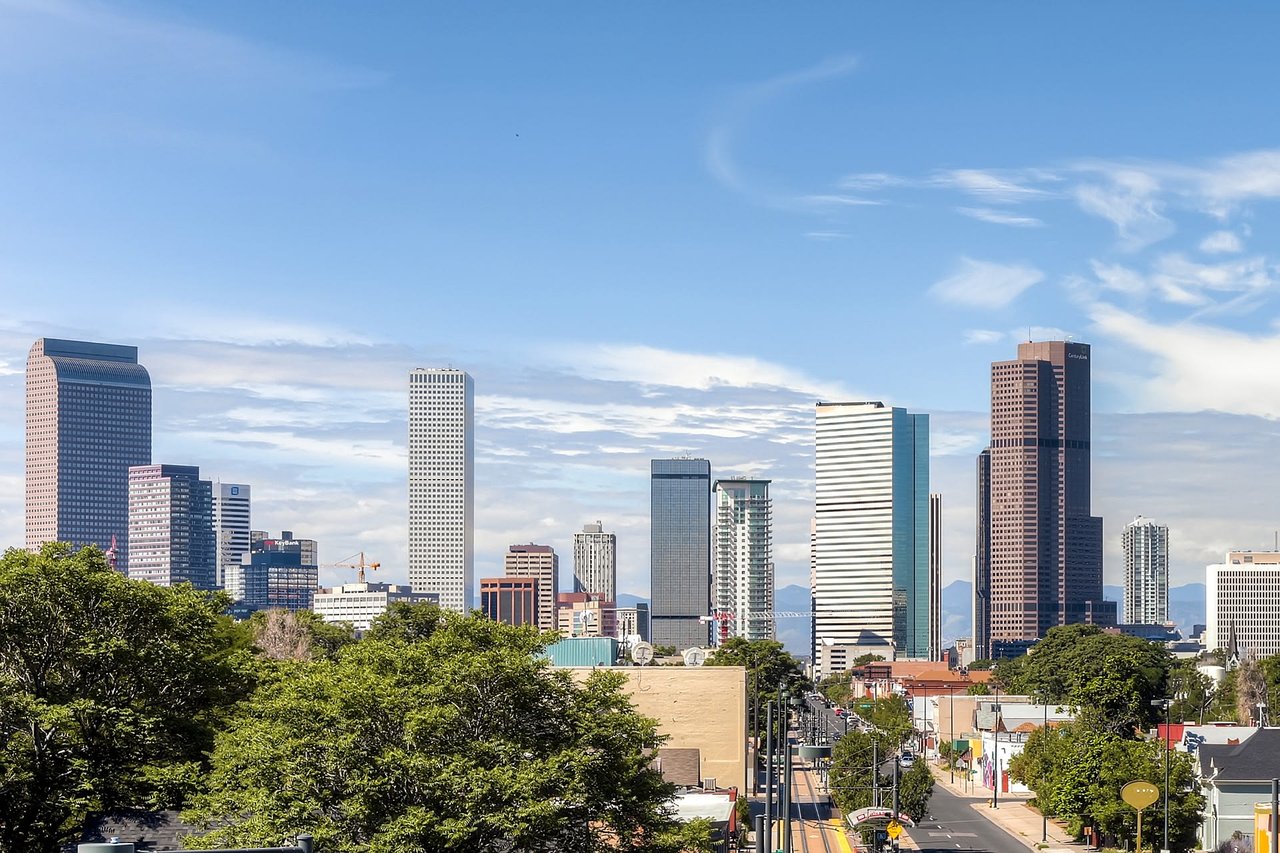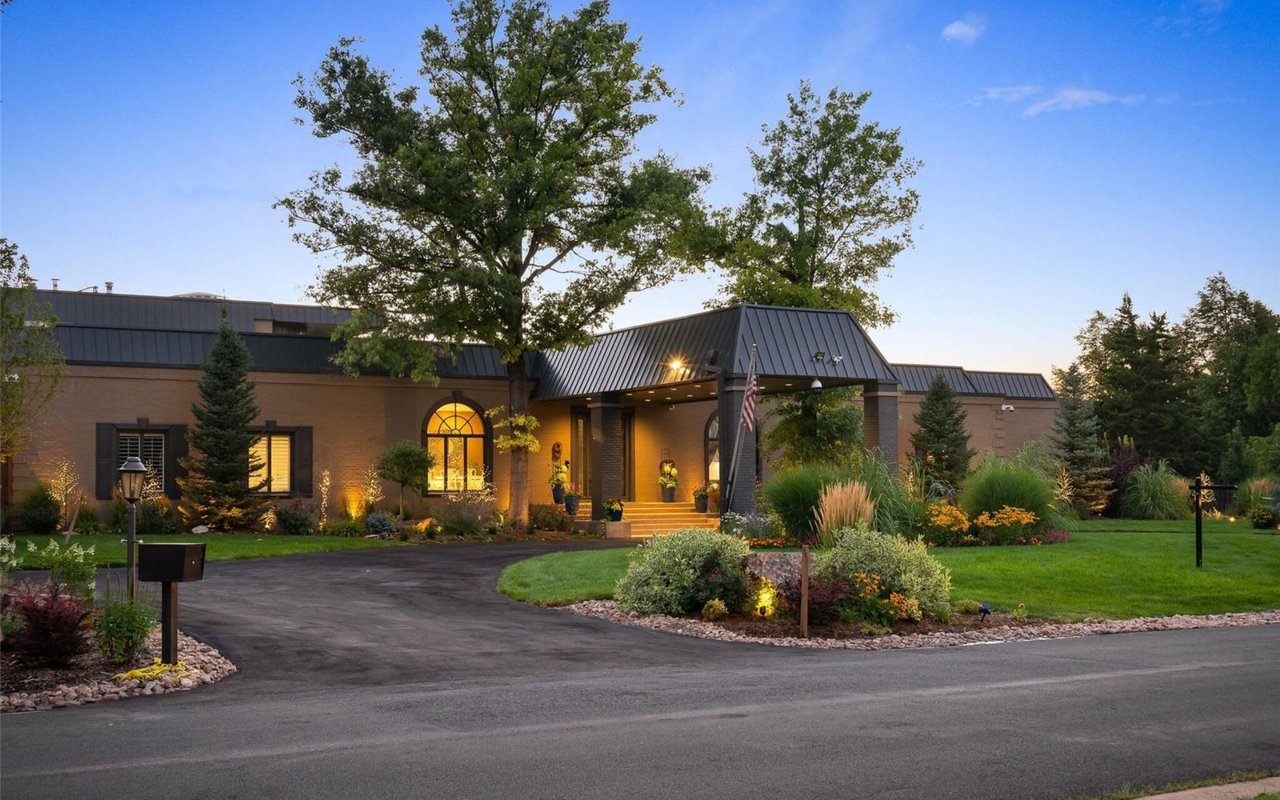
Deciding between Highlands and LoHi can feel like choosing between two great versions of Denver life. You want the right mix of restaurants, shops, commute options, and home style, all on blocks that feel like you. This guide shows you how each pocket lives day to day, with current data and practical checks to help you choose with confidence. Let’s dive in.
Highland vs. LoHi: Quick take
- LoHi (Lower Highlands): denser dining and nightlife, rooftop patios, skyline views, newer townhomes and condos, higher prices per square foot.
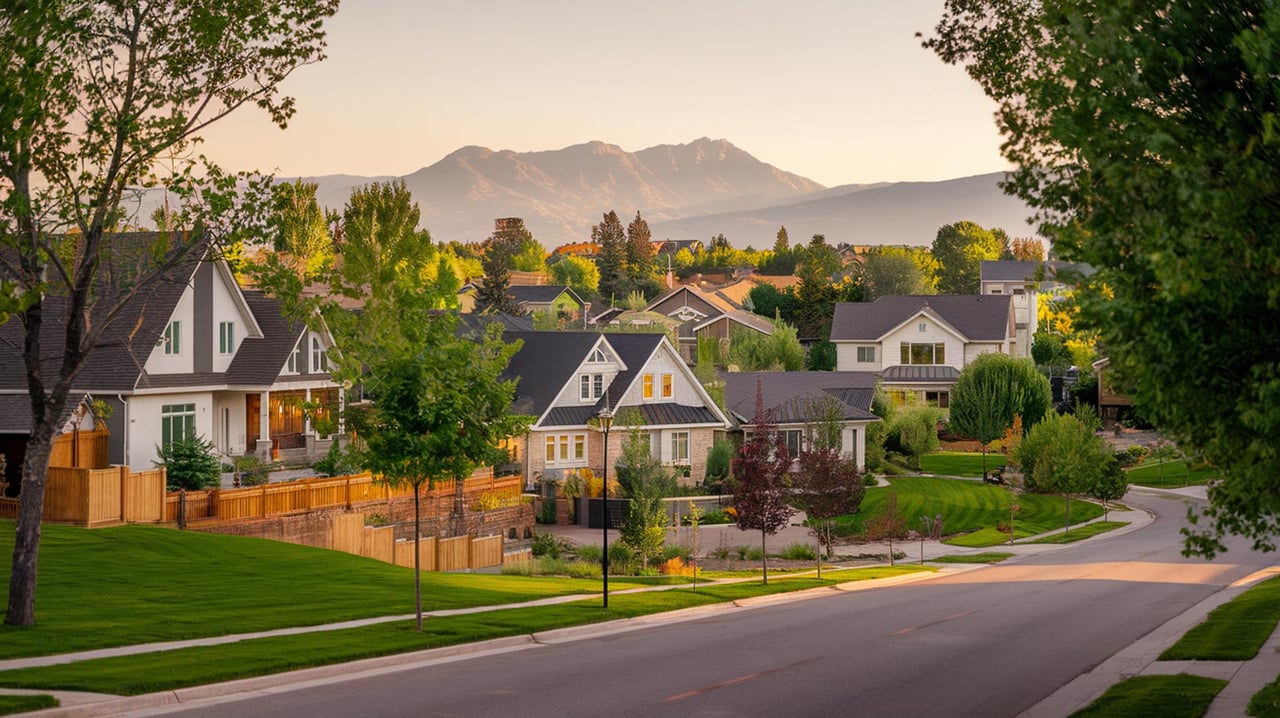
- Highlands Square/Tennyson: daytime boutiques and markets, calmer evening streets, more historic single-family homes with yards and tree-lined blocks.
Where the lines are
The term “Highland” covers the larger neighborhood northwest of downtown, while “LoHi” is the lower, downtown-facing pocket within it. These names are widely used, but boundaries are informal and vary by map and guide. For background on usage, see the neighborhood overview on Highland’s Wikipedia page.
In this guide, LoHi is the area roughly bounded by West 38th Avenue to the north, Zuni Street to the west, and the I‑25/Speer/Platte River corridor to the east and south. For a practical map and dining spine reference, use Eater Denver’s LoHi guide.
Street vibe and culture
LoHi evenings
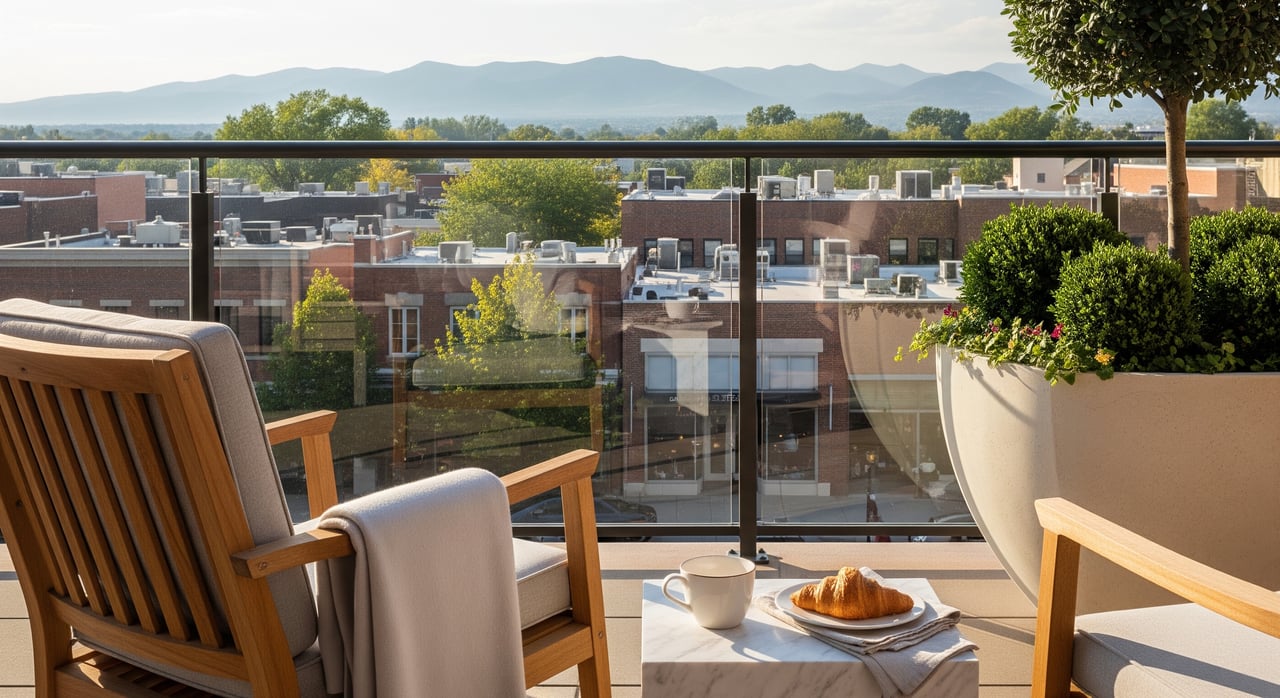
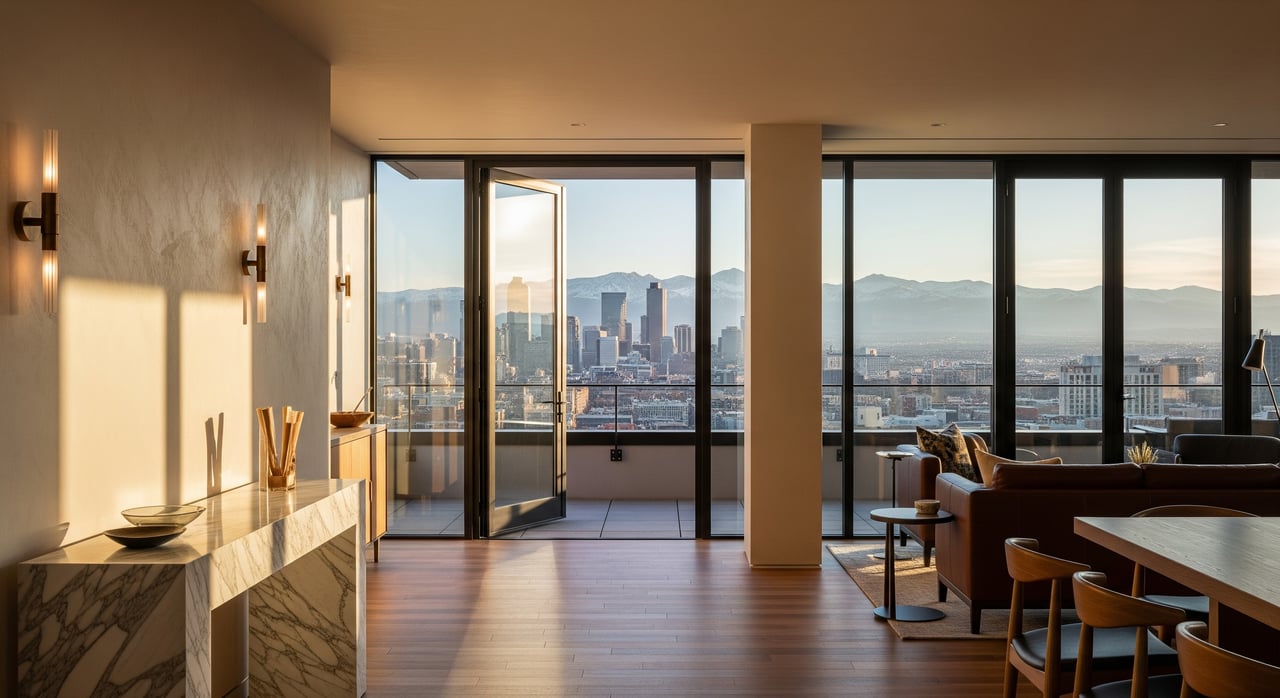
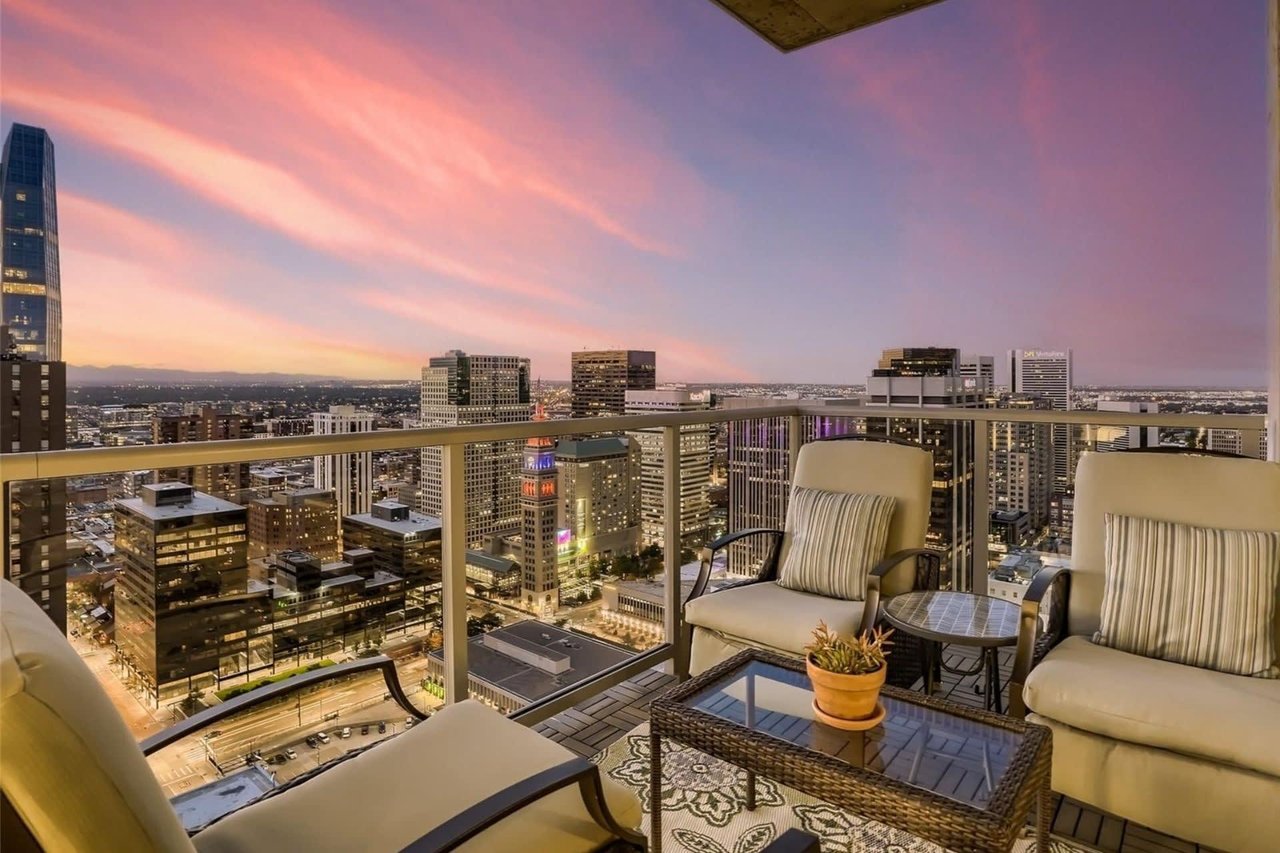
LoHi concentrates chef-driven restaurants, cocktail bars, and rooftops with skyline views in a compact, walkable grid. It is one of the city’s go-to dinner and late-night pockets, which keeps sidewalks lively into the evening. For a current snapshot of openings and anchors, check Eater Denver’s updated LoHi list.
Highlands Square and Tennyson days
Highlands Square around 32nd and Lowell, plus nearby Tennyson Street, leans into daytime energy. You will find boutiques, bakeries, wine and cheese shops, galleries, and community markets. Visit Denver’s neighborhood page highlights these retail corridors and their local events, which helps if you prefer a calmer evening scene and easy daytime errands. Explore the overview at Visit Denver’s Highlands guide.
Homes and prices
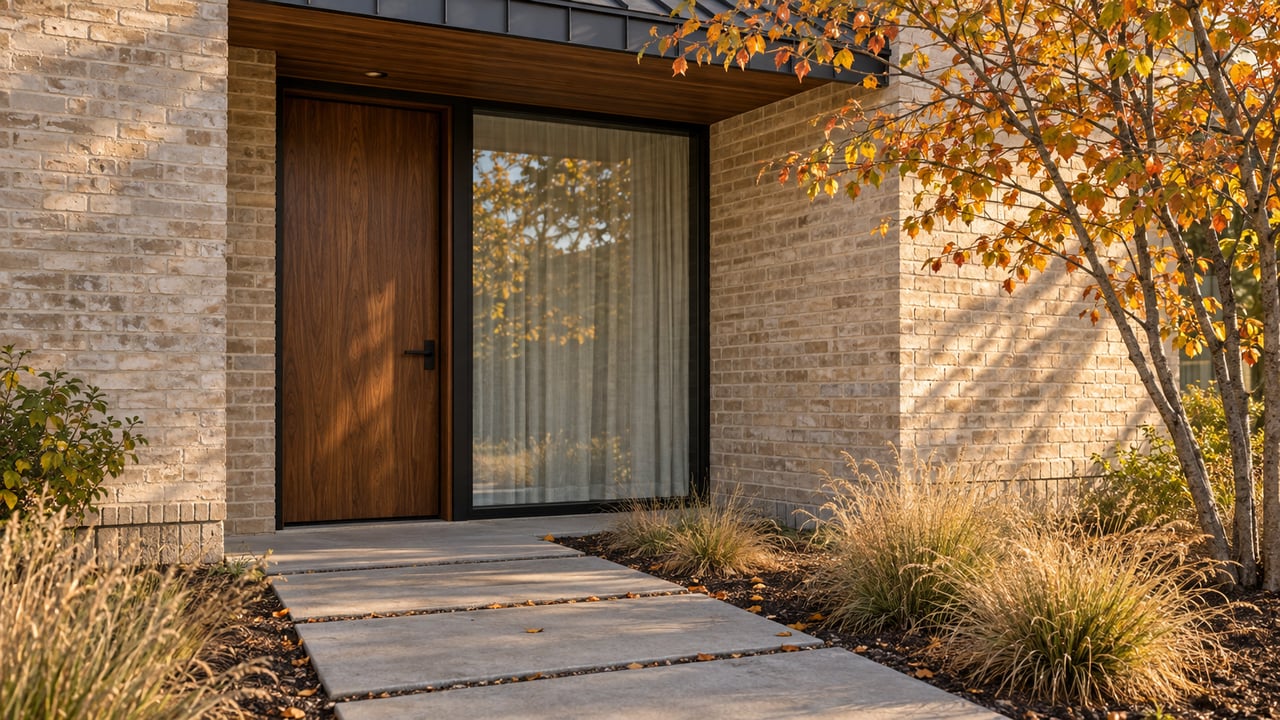
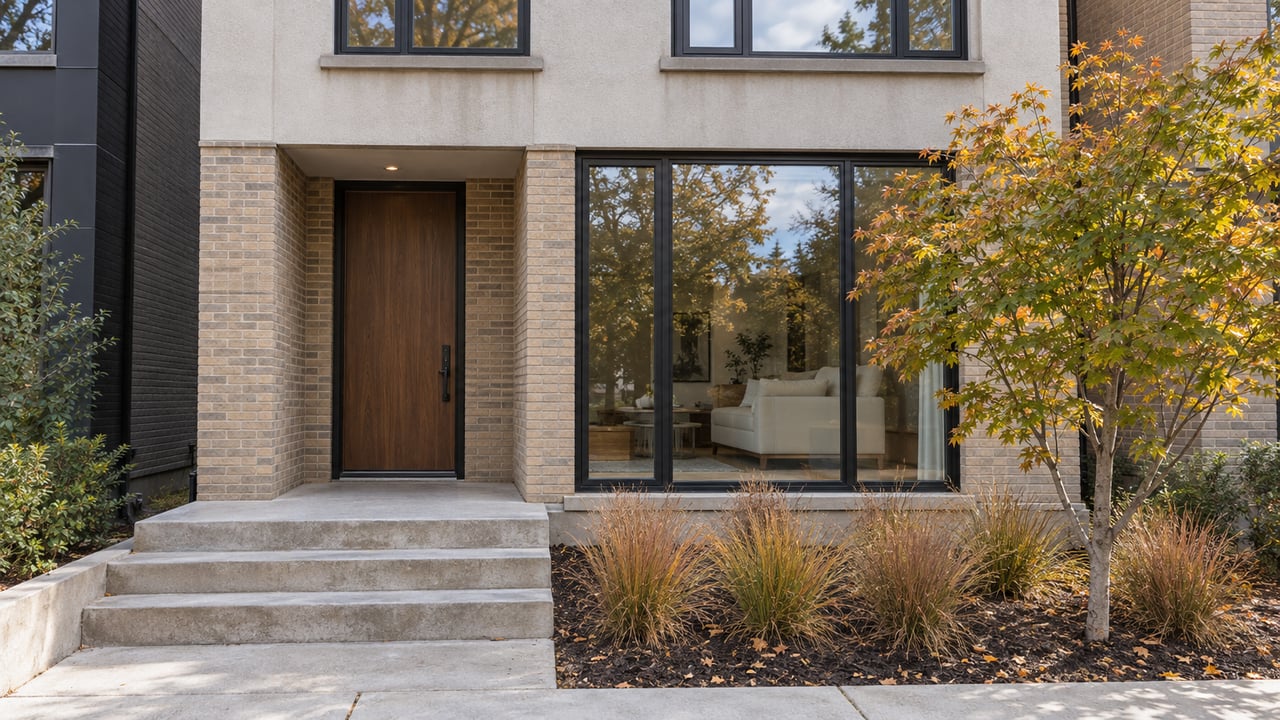
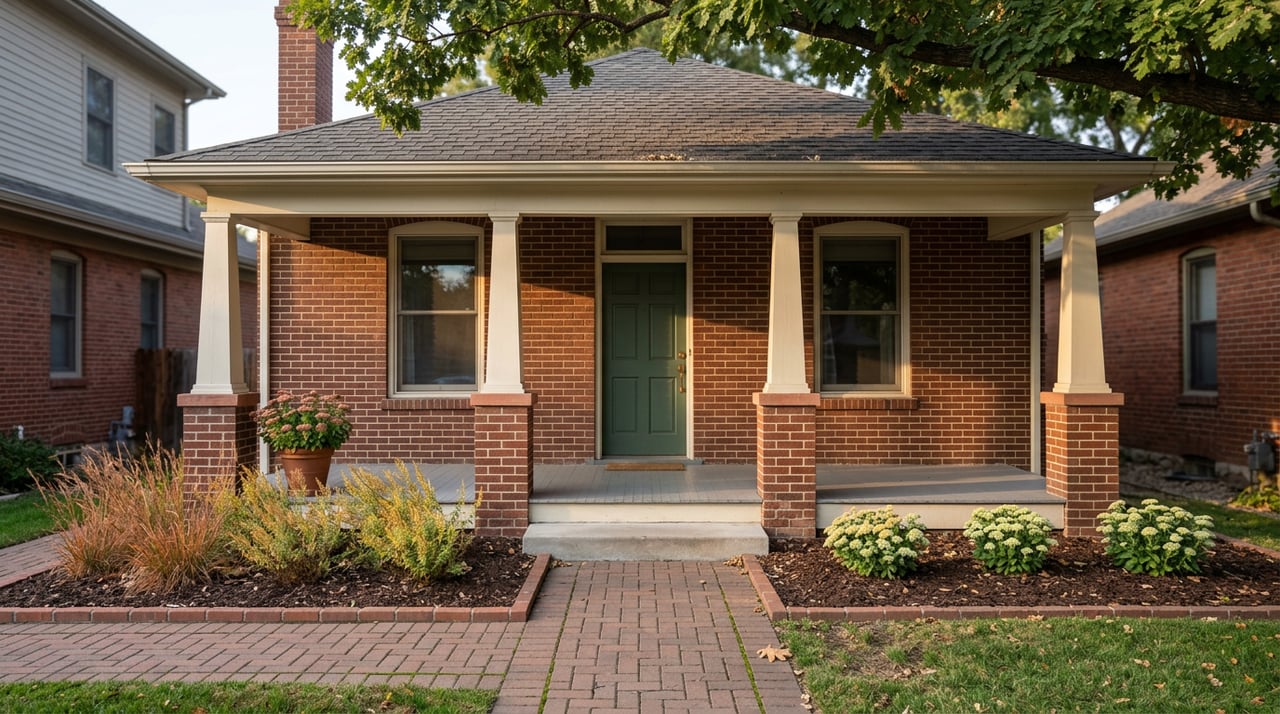
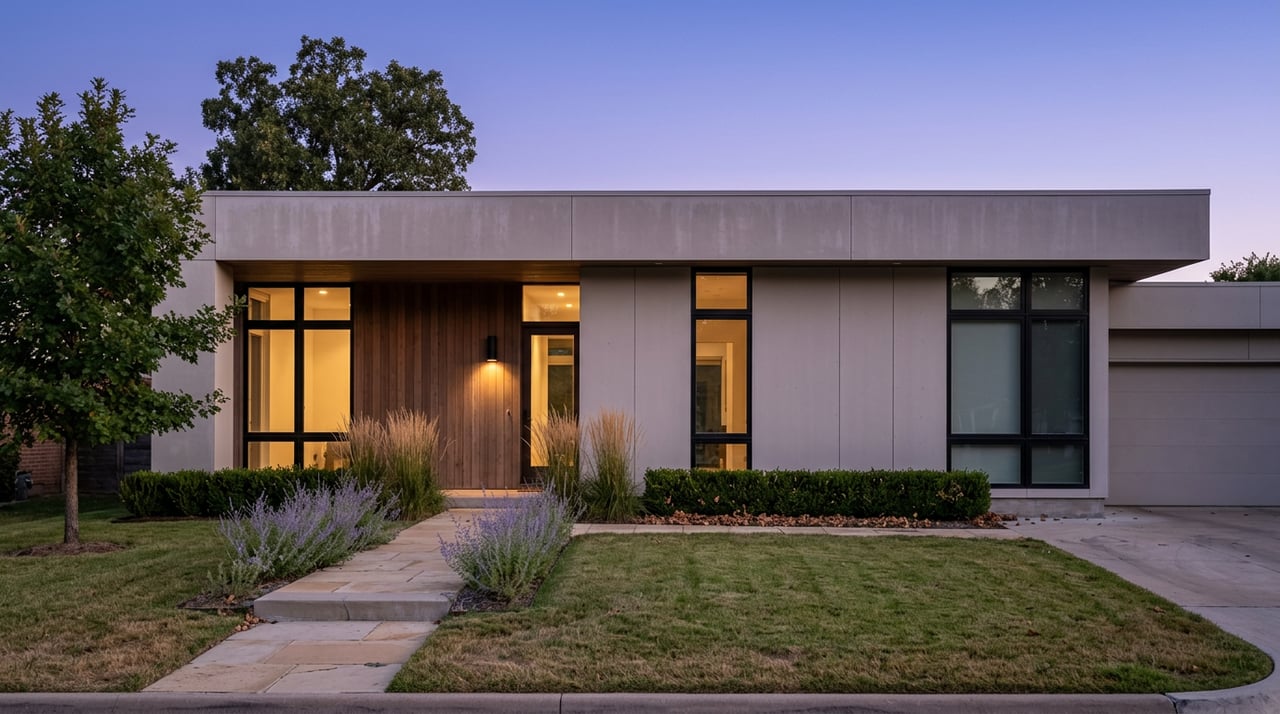
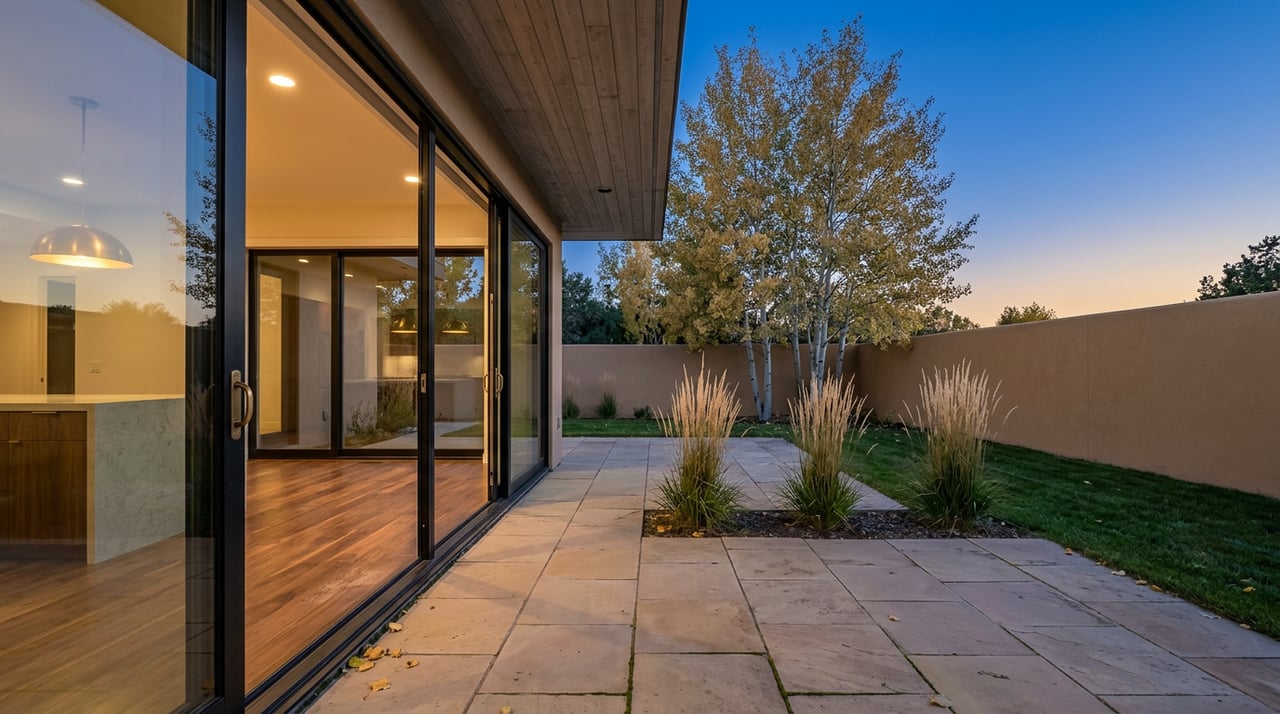
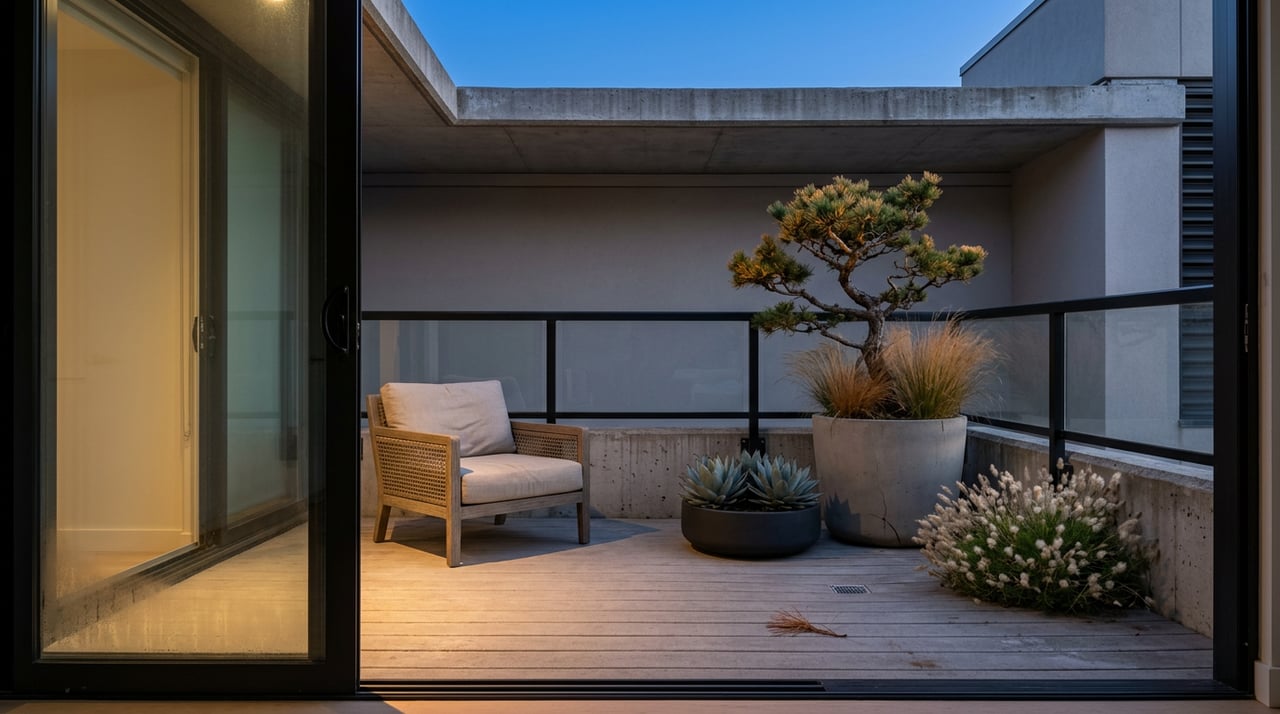
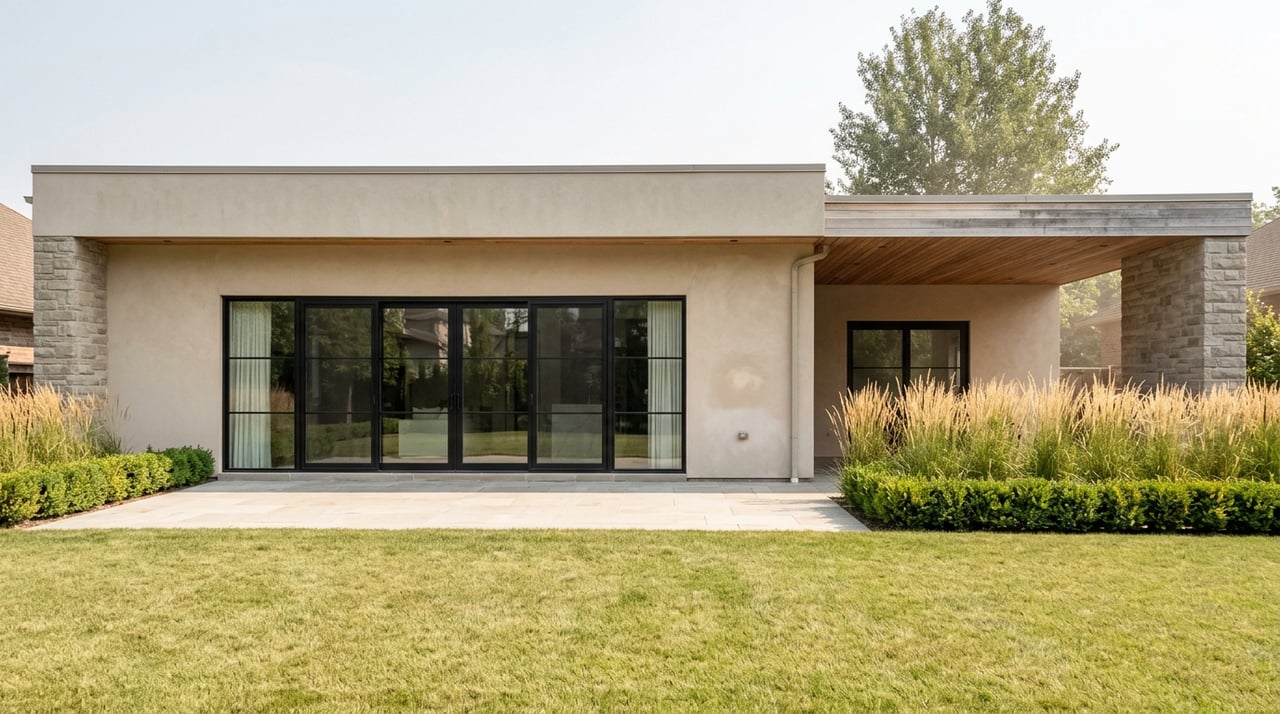
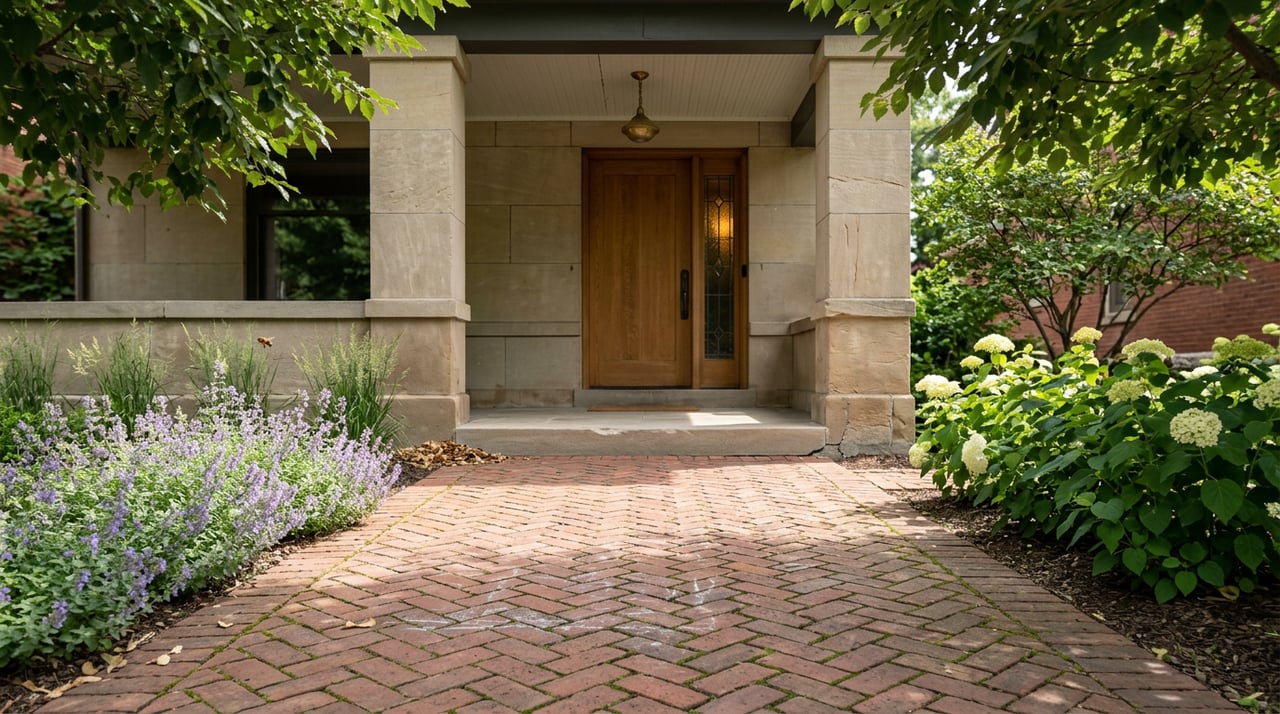
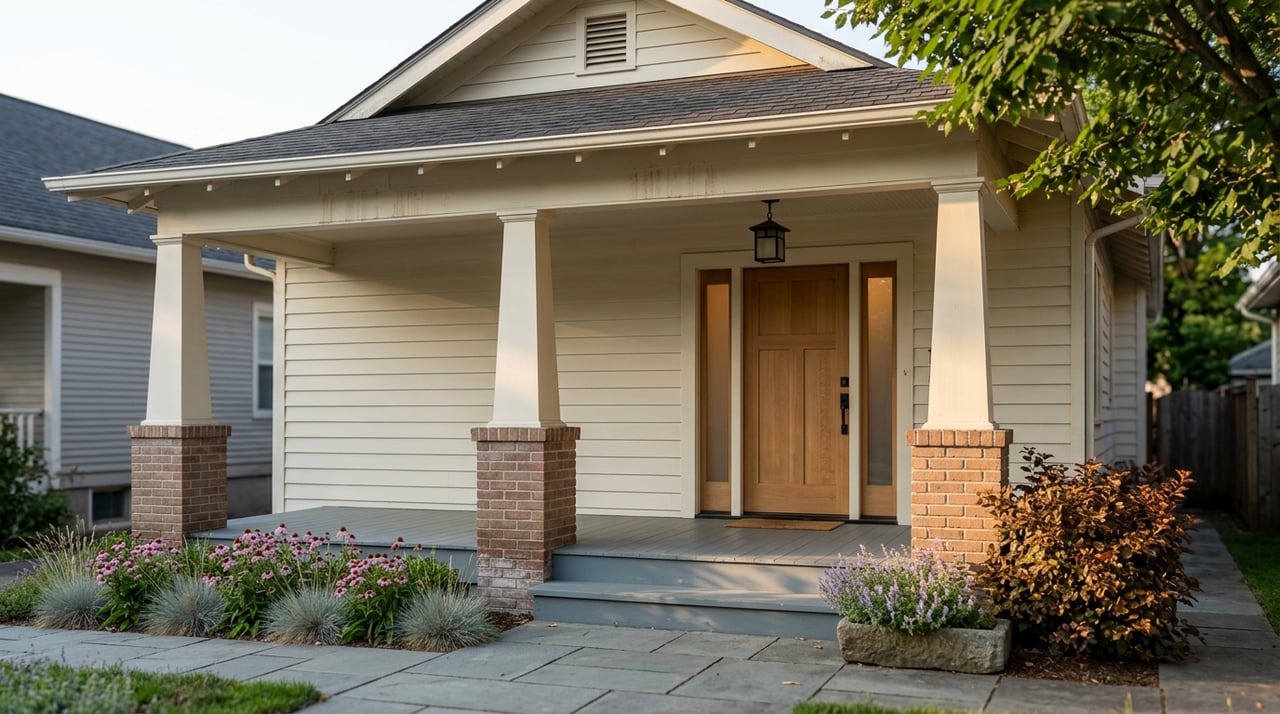
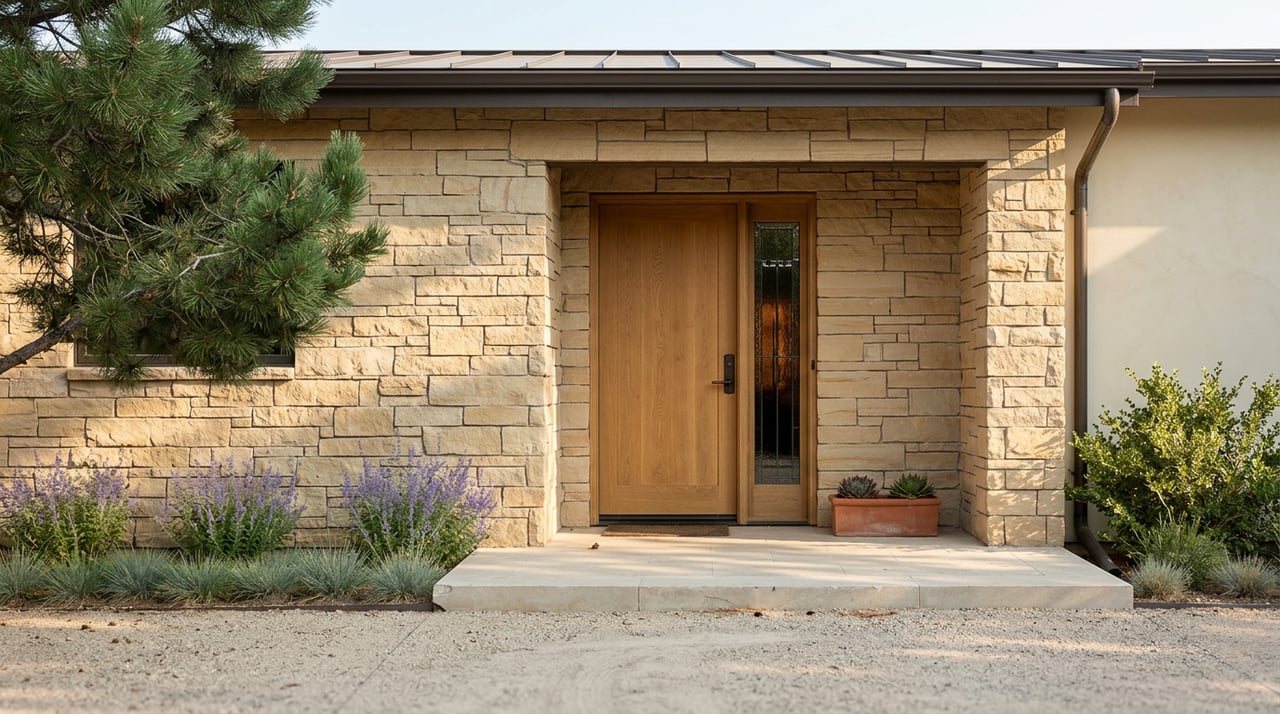
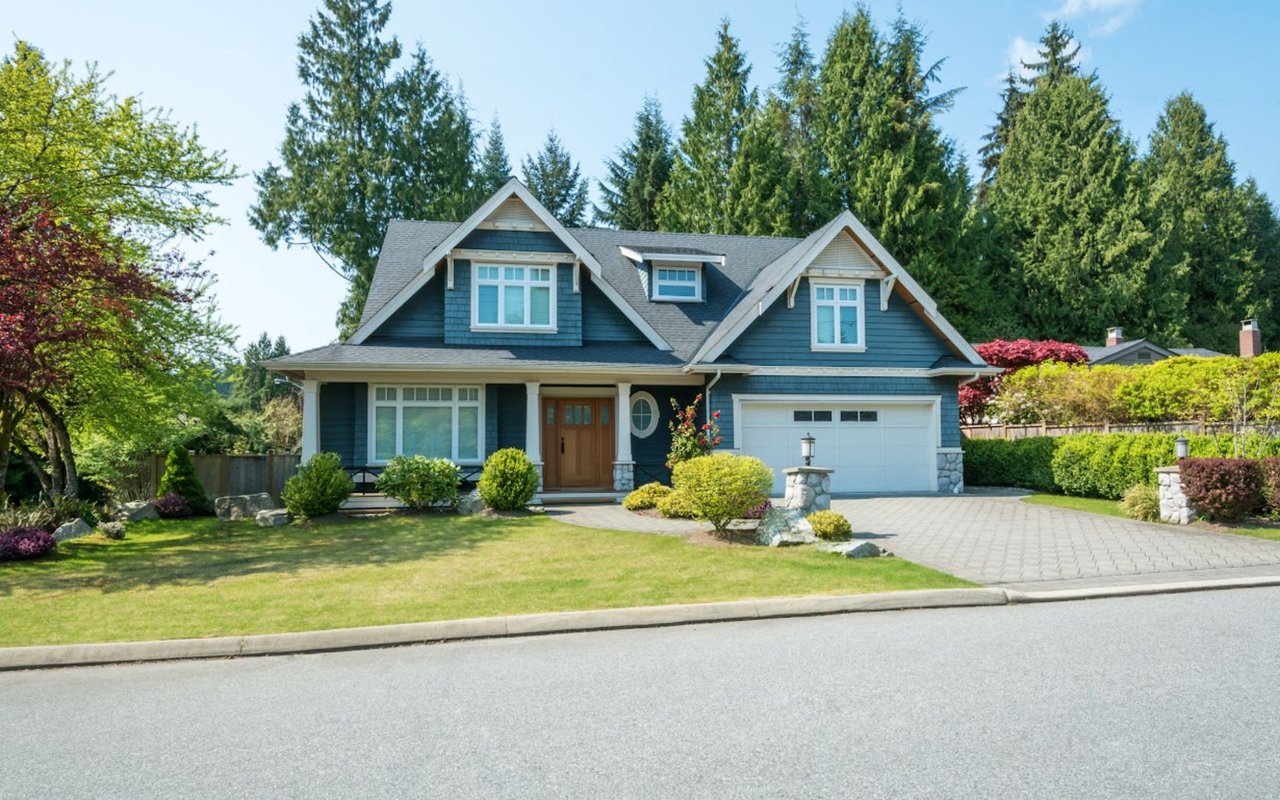
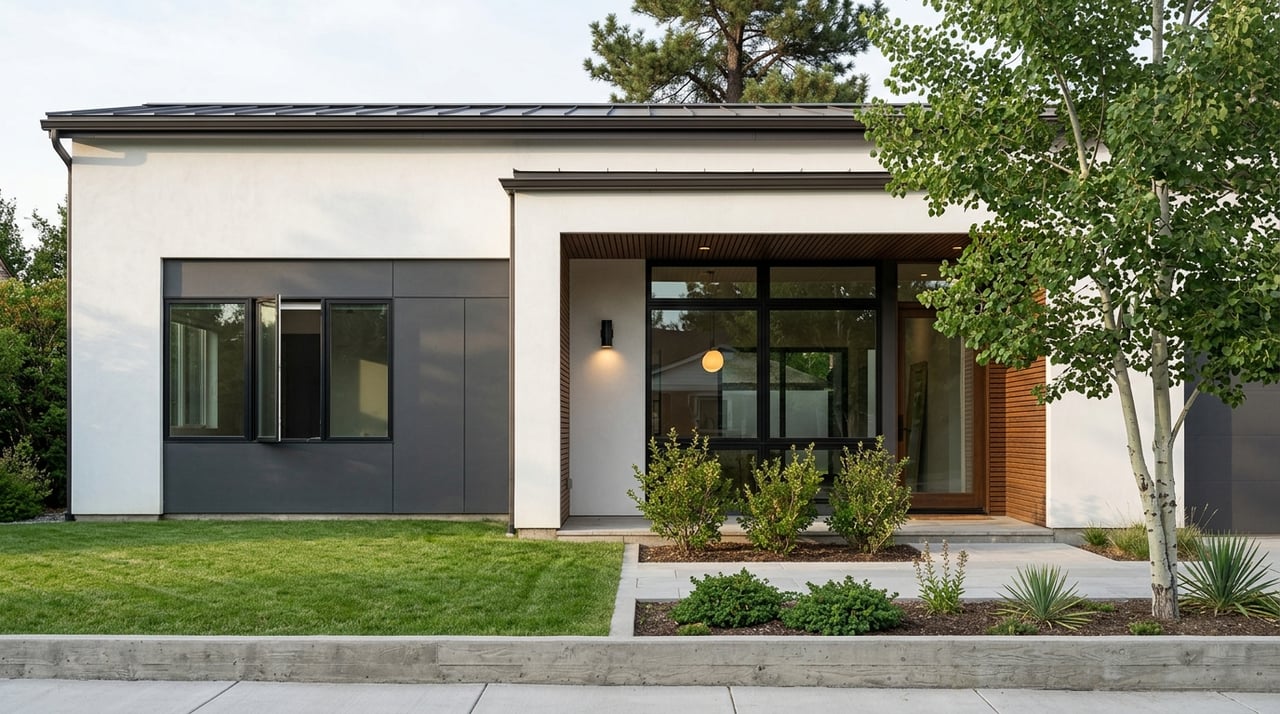
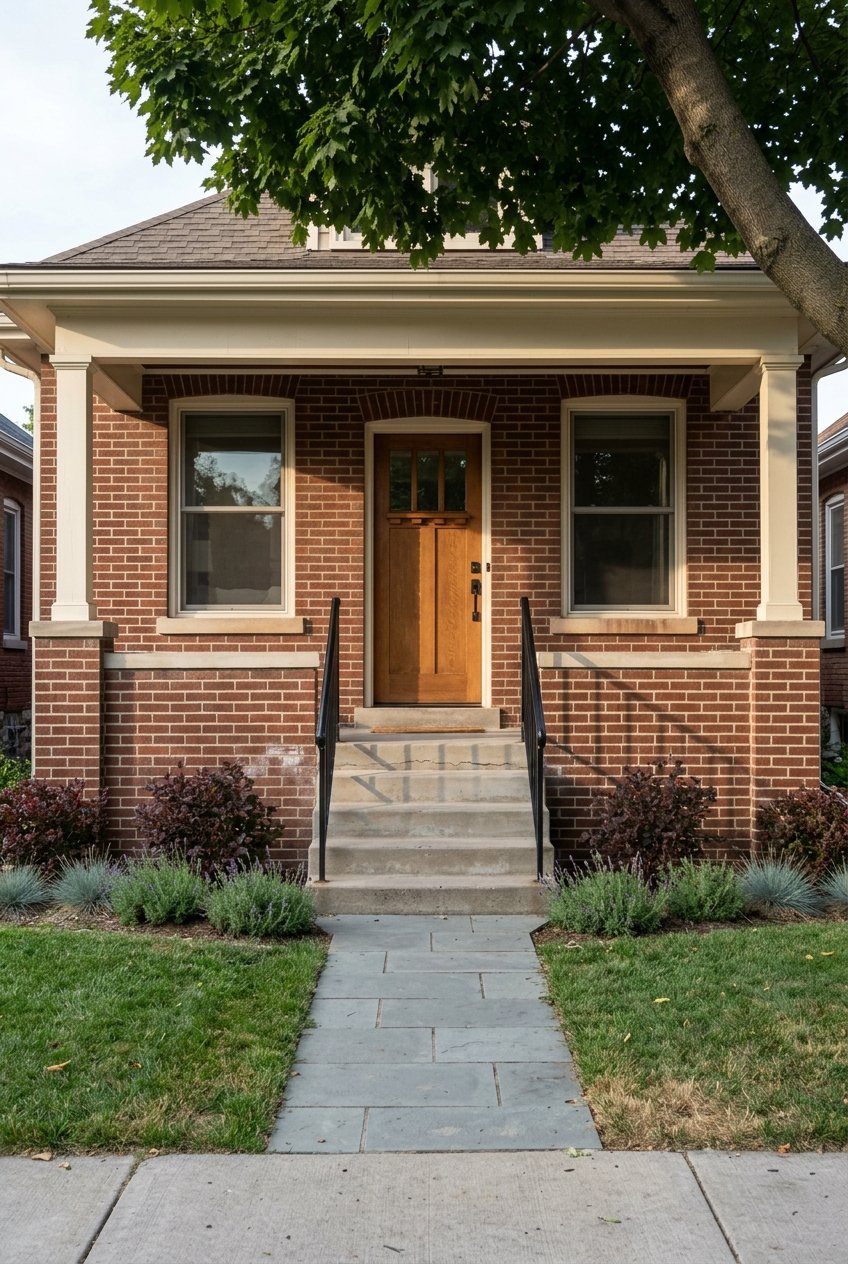
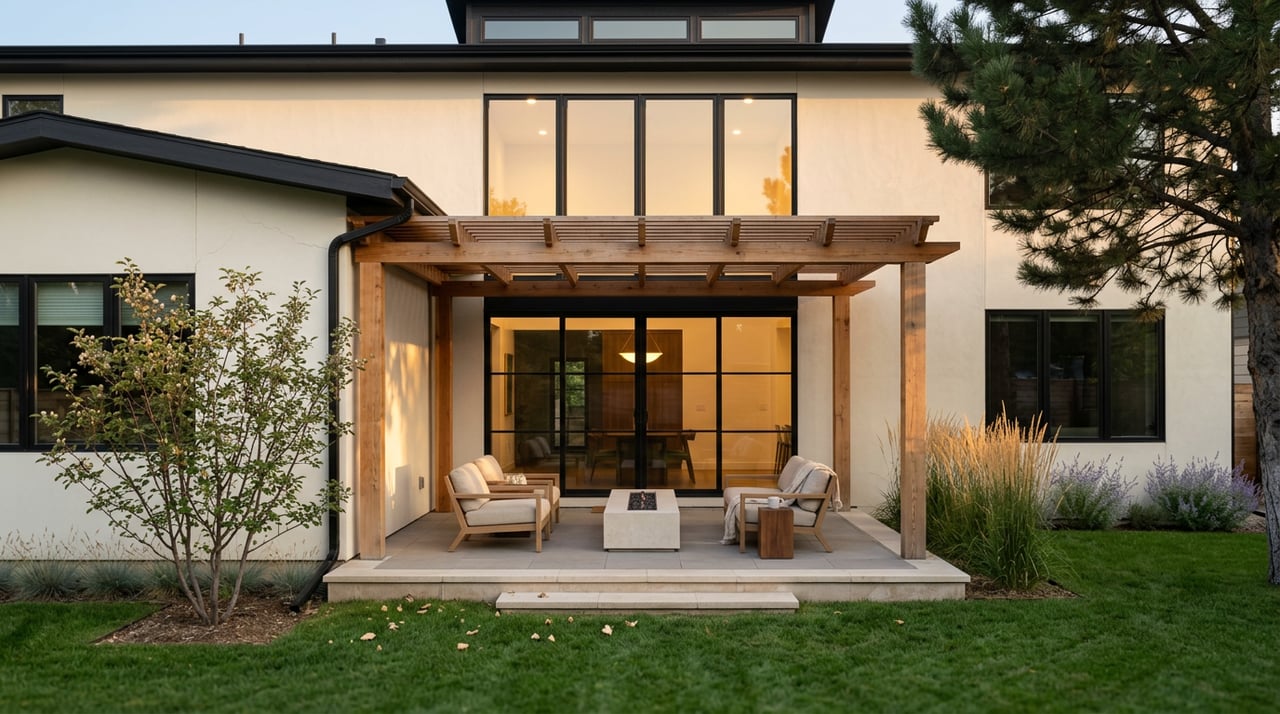
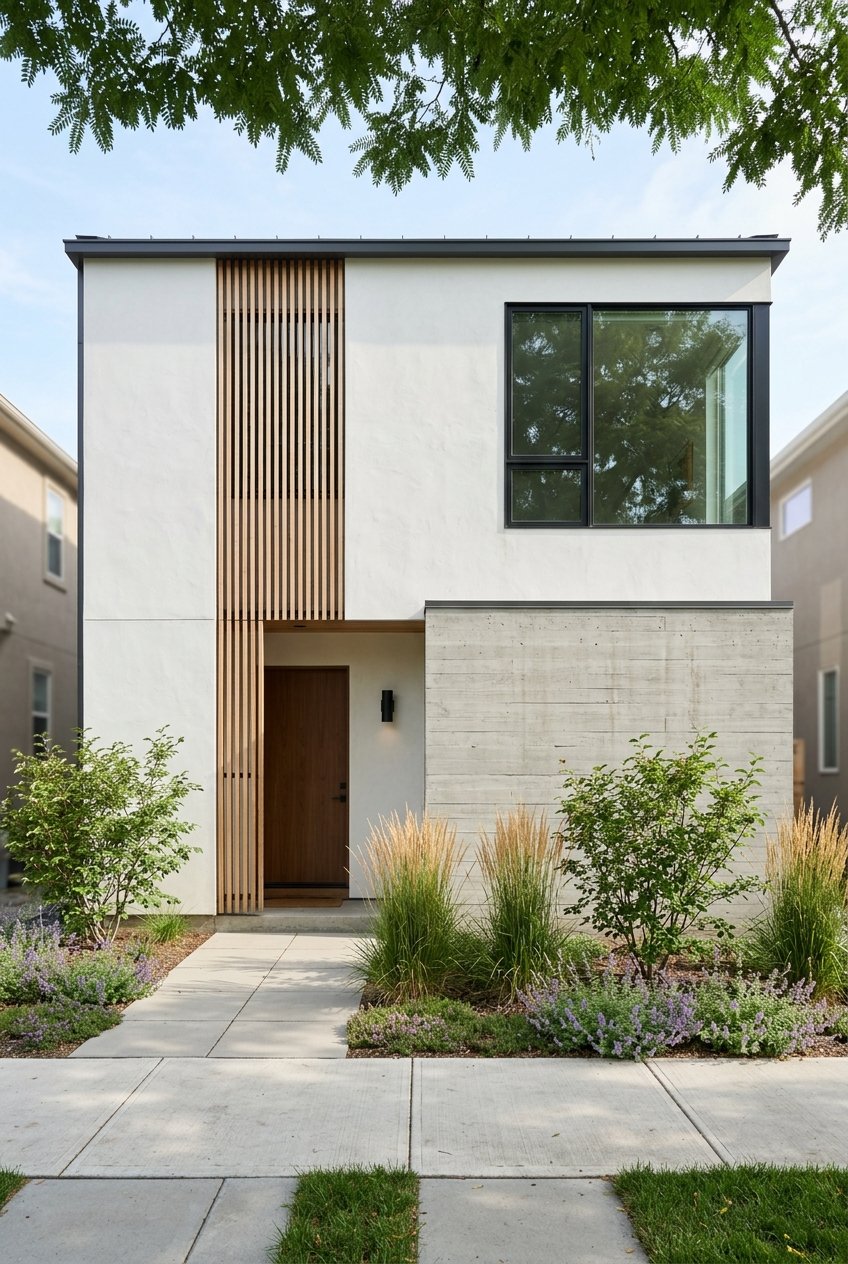
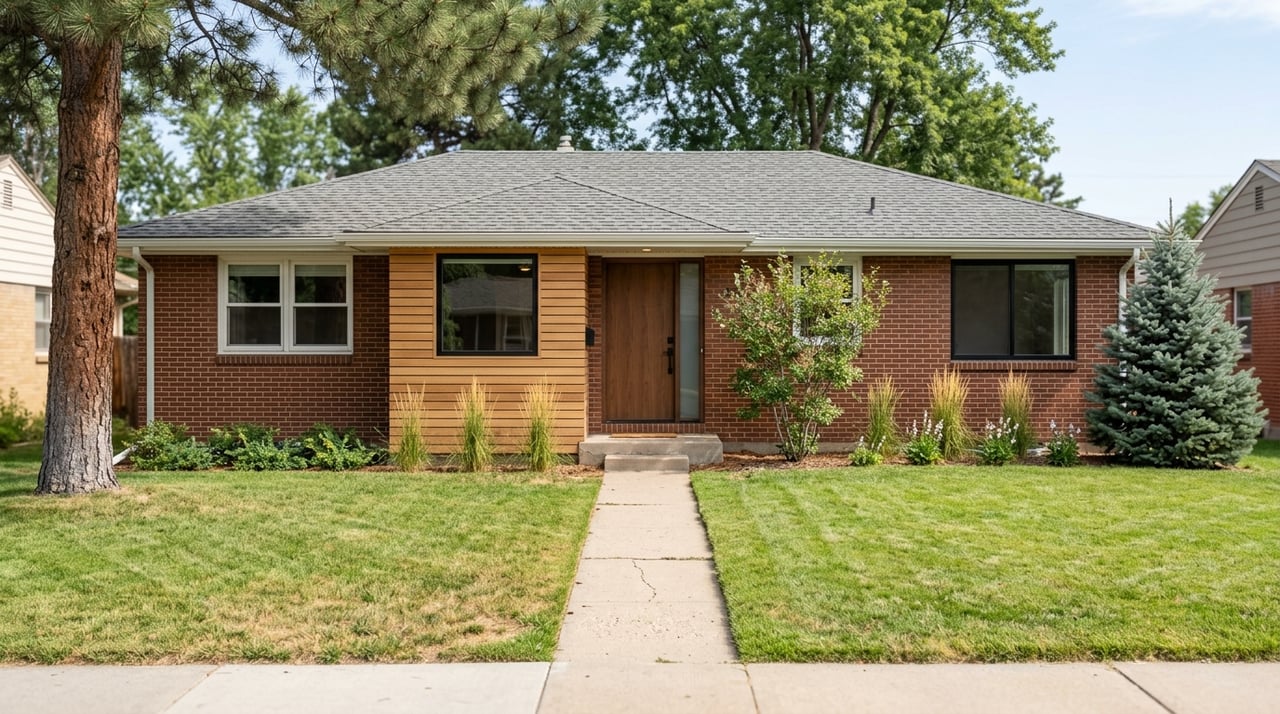
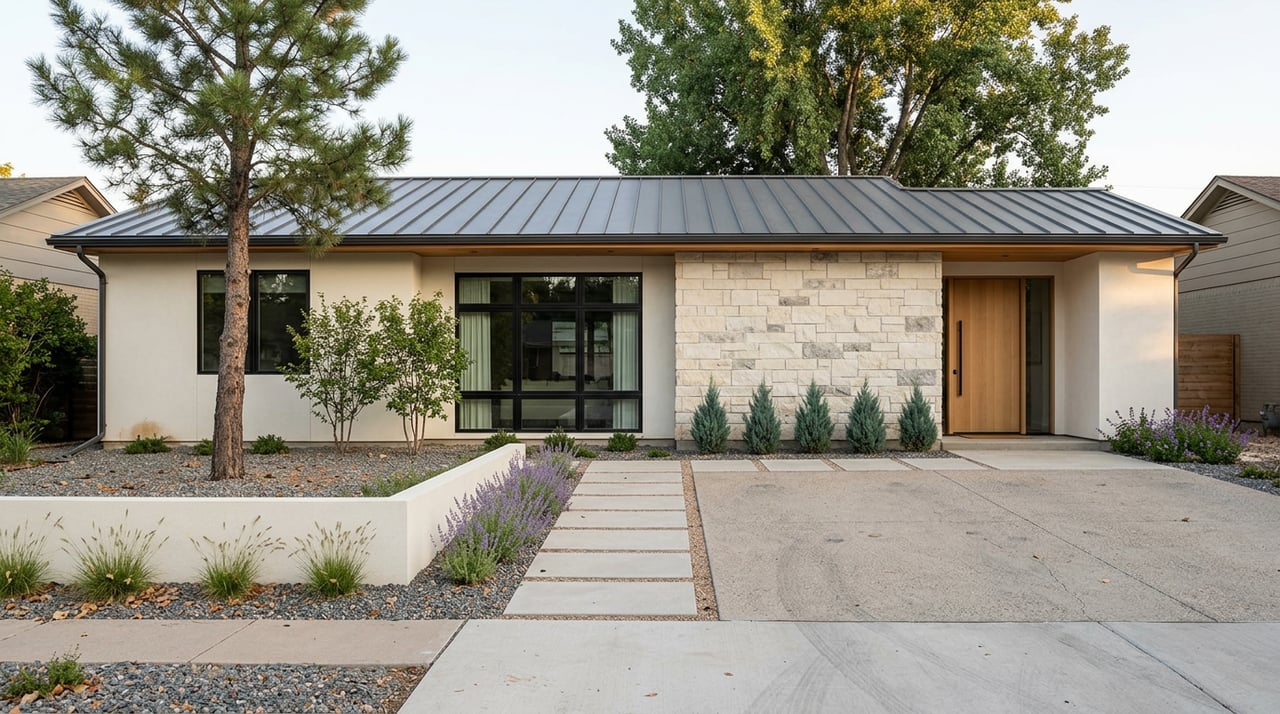
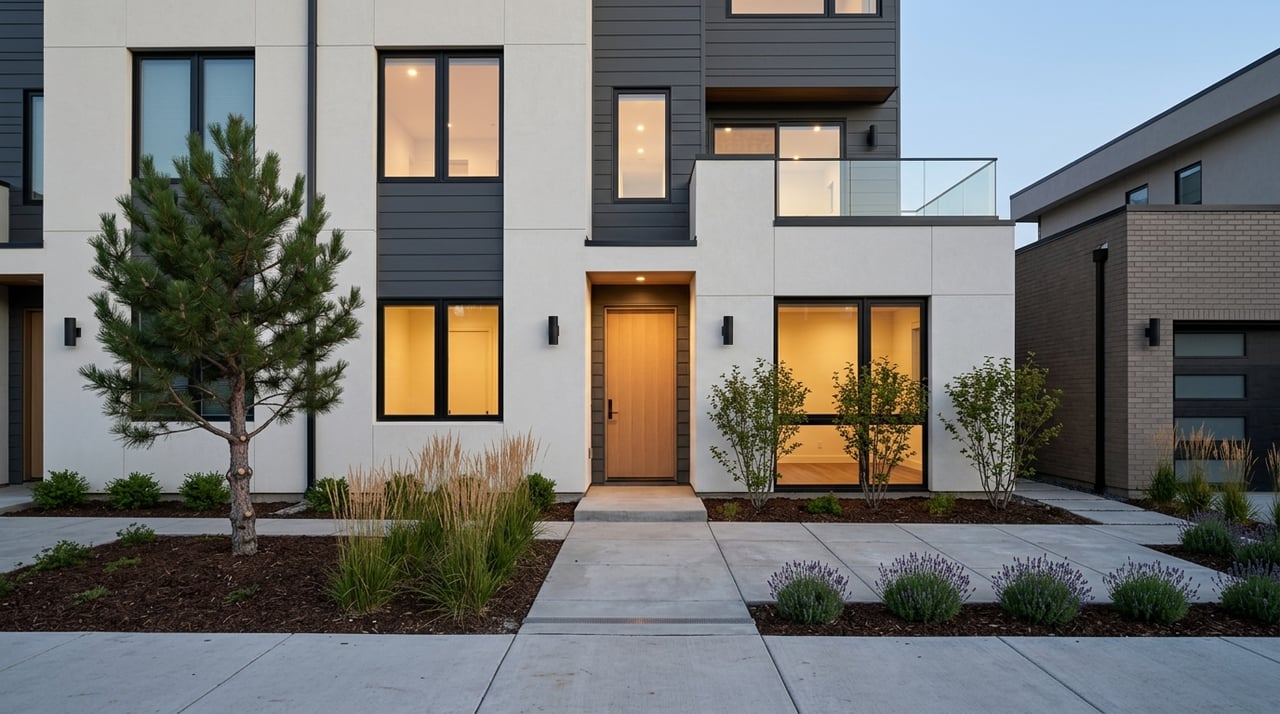
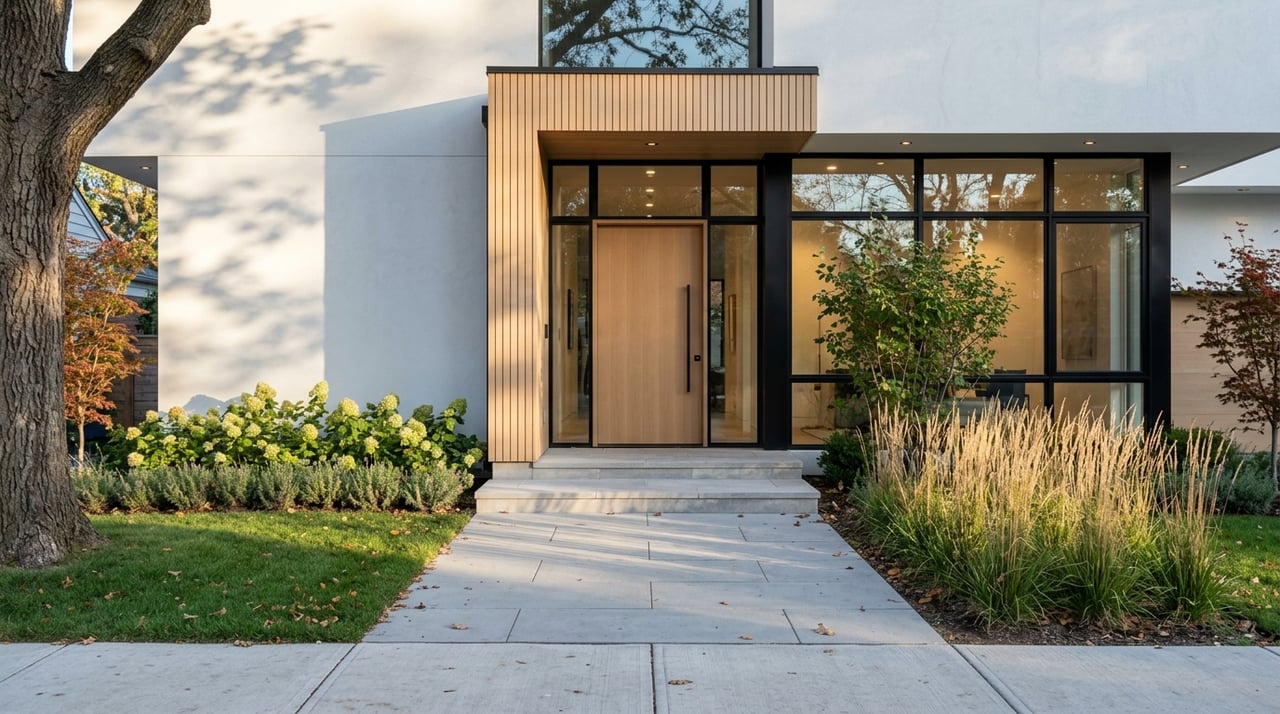
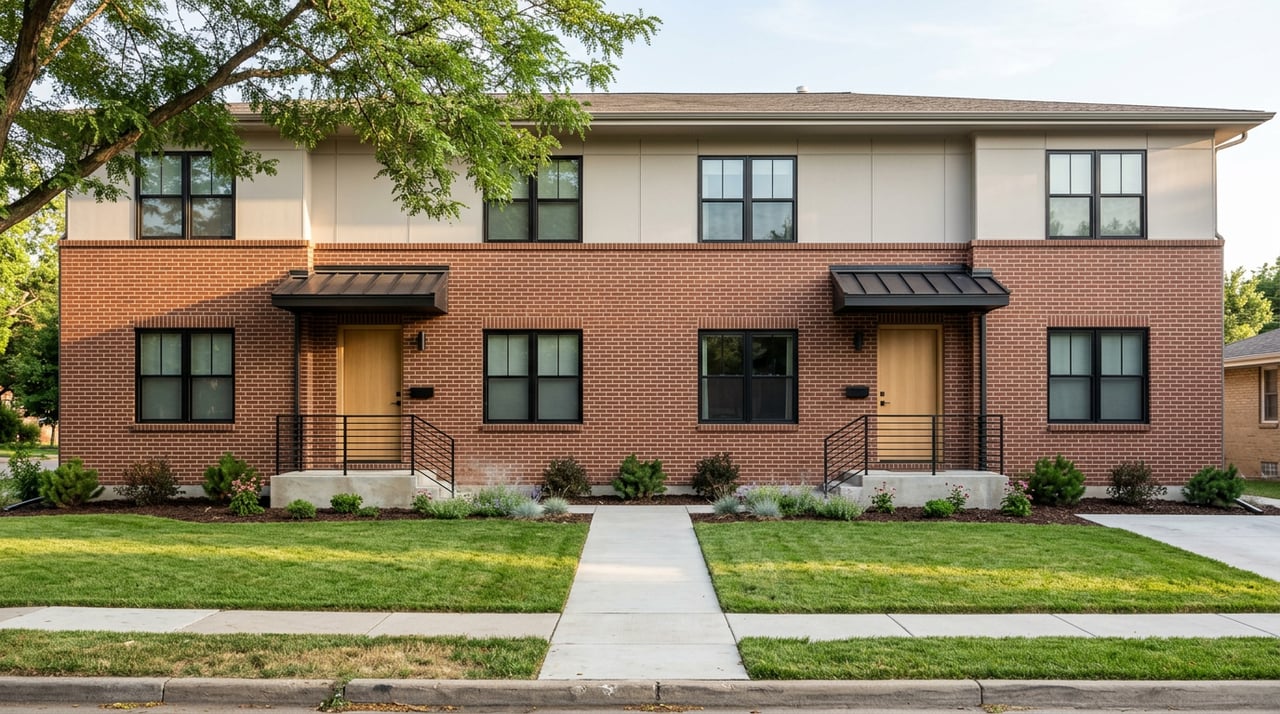
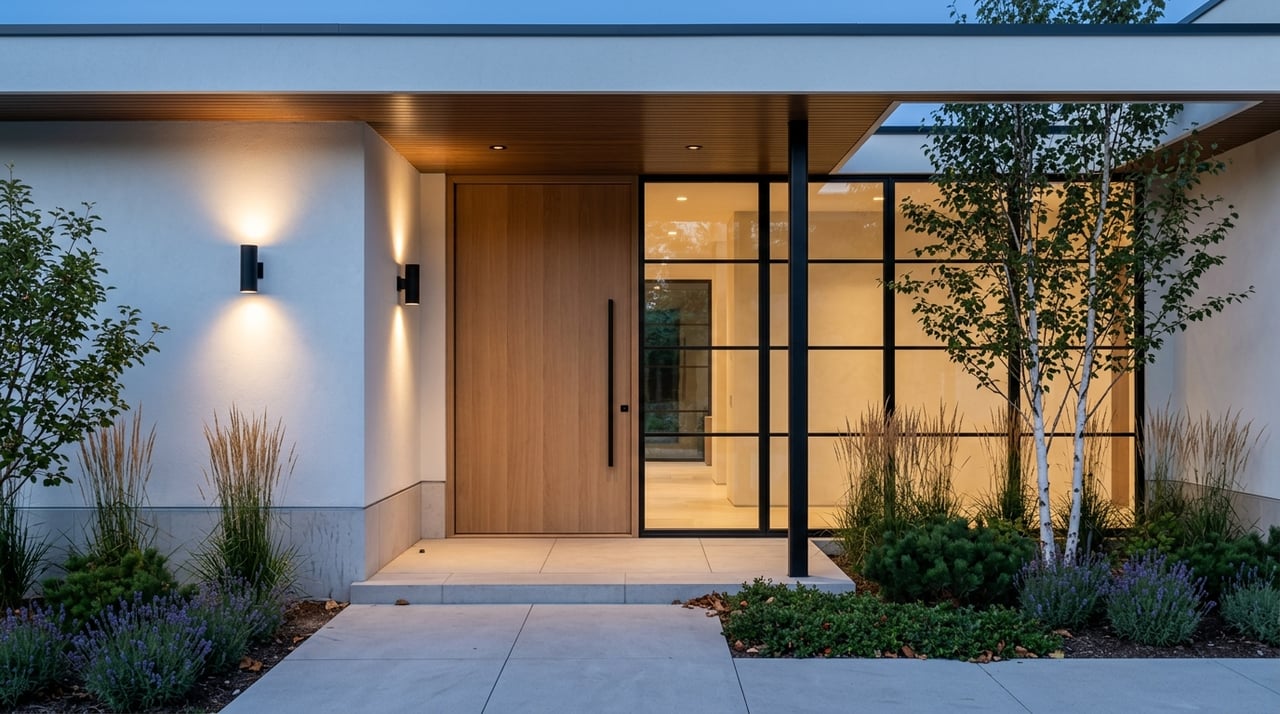
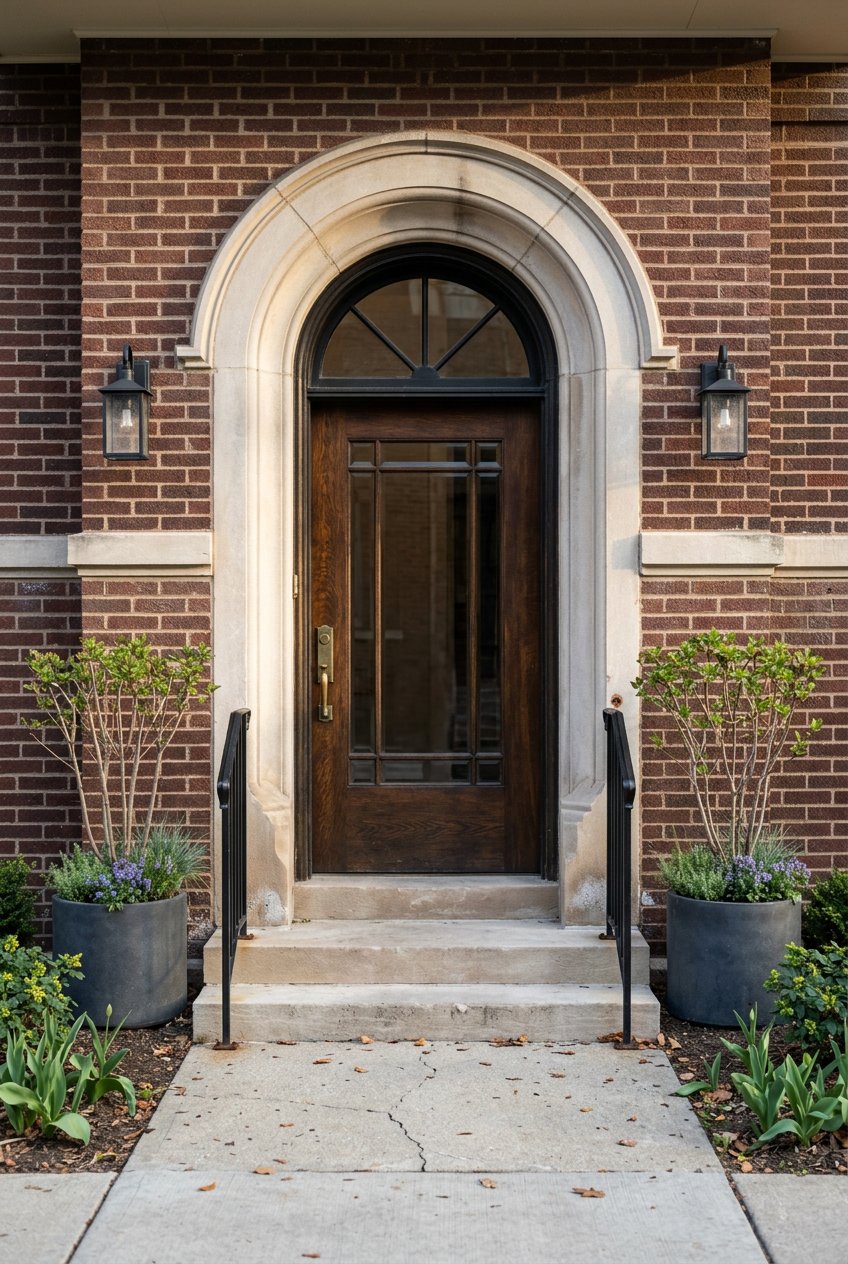
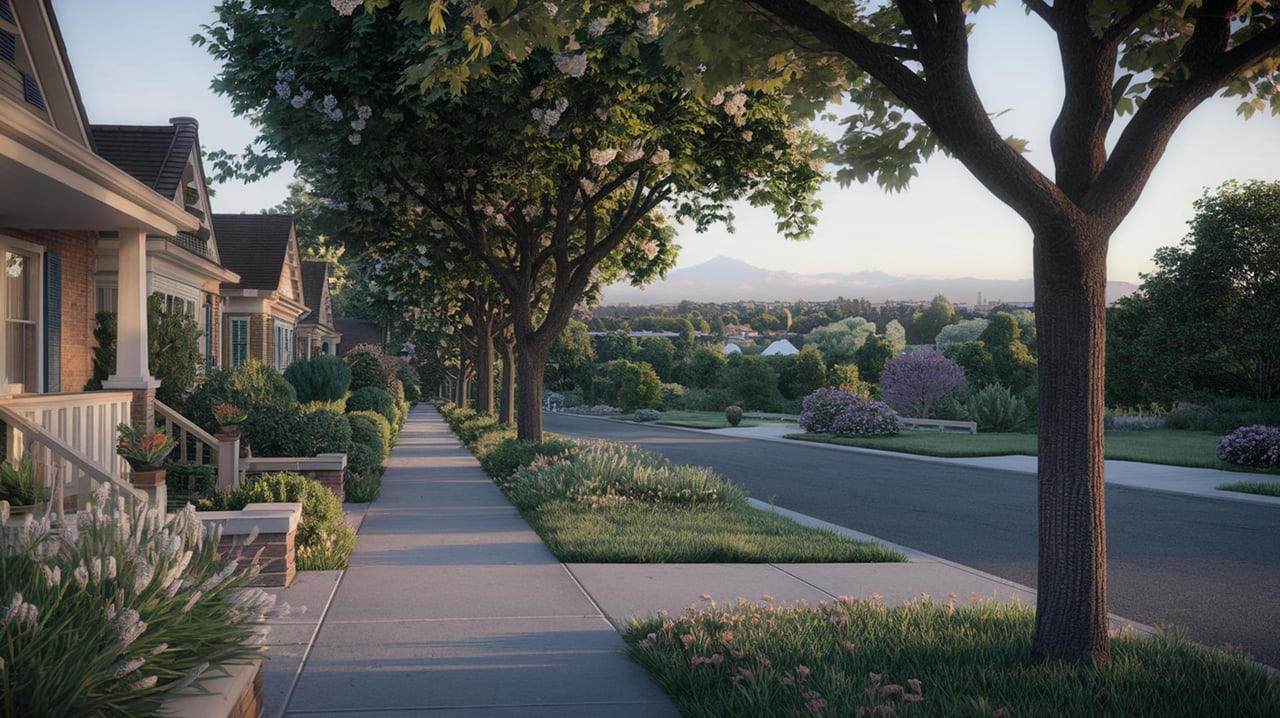
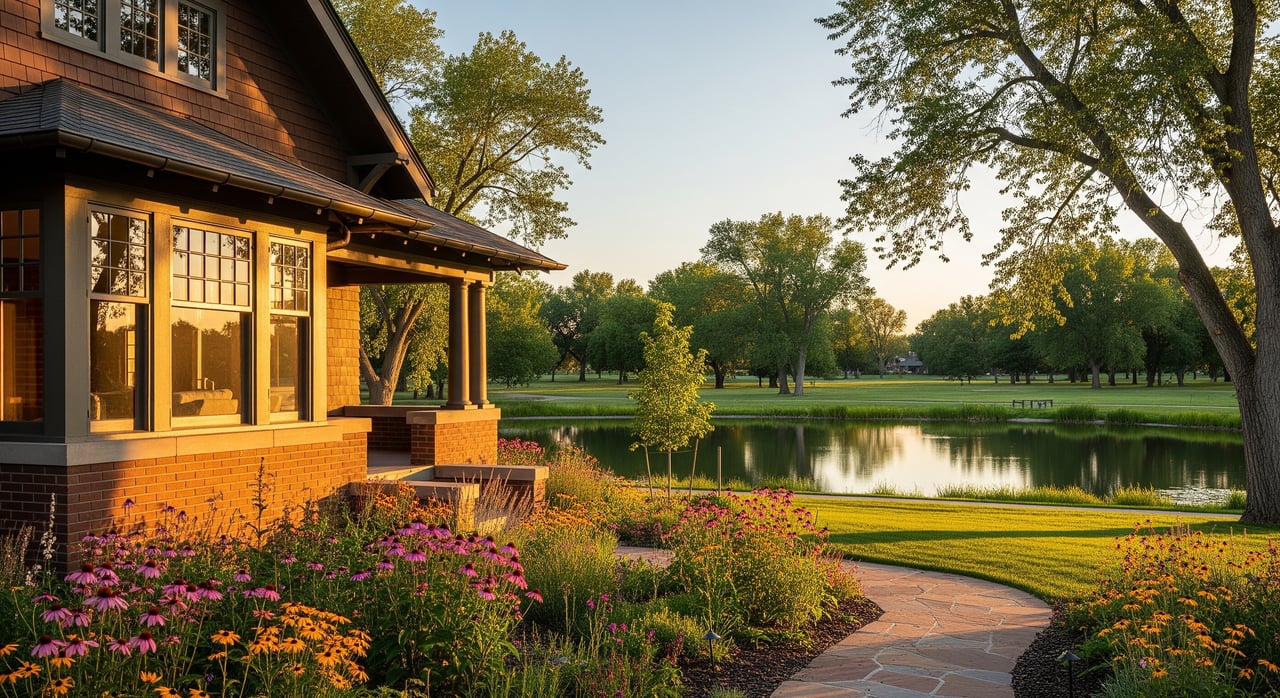
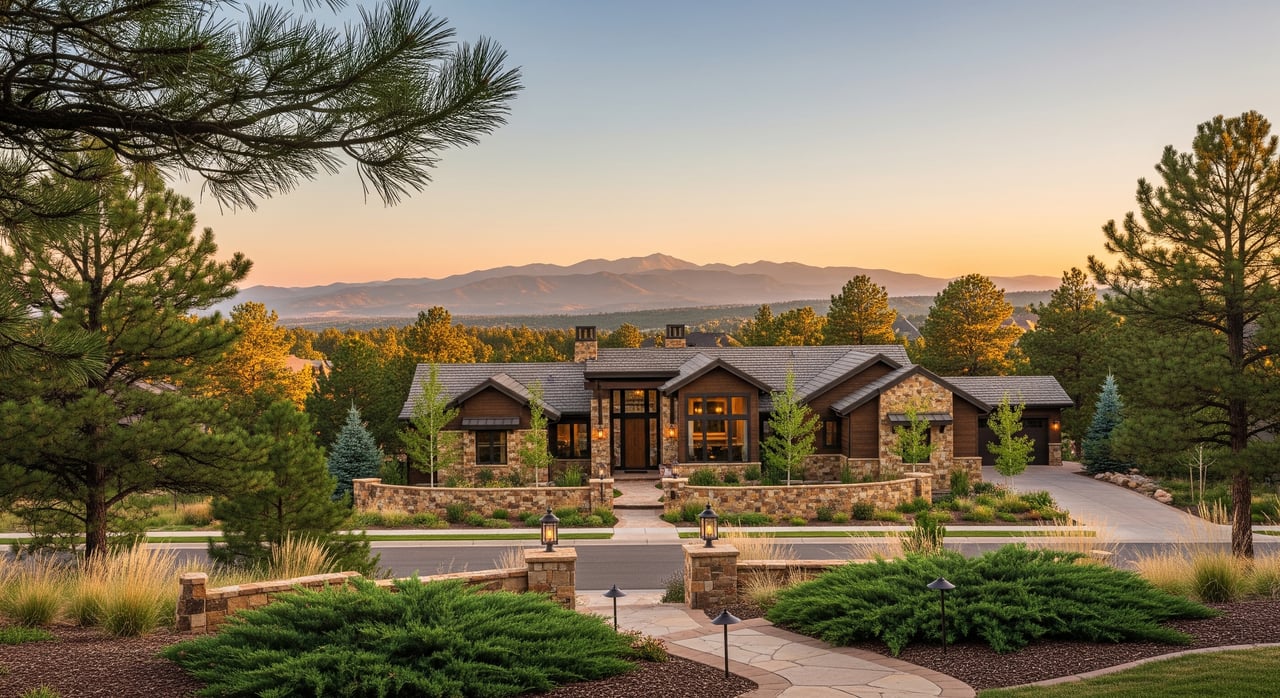
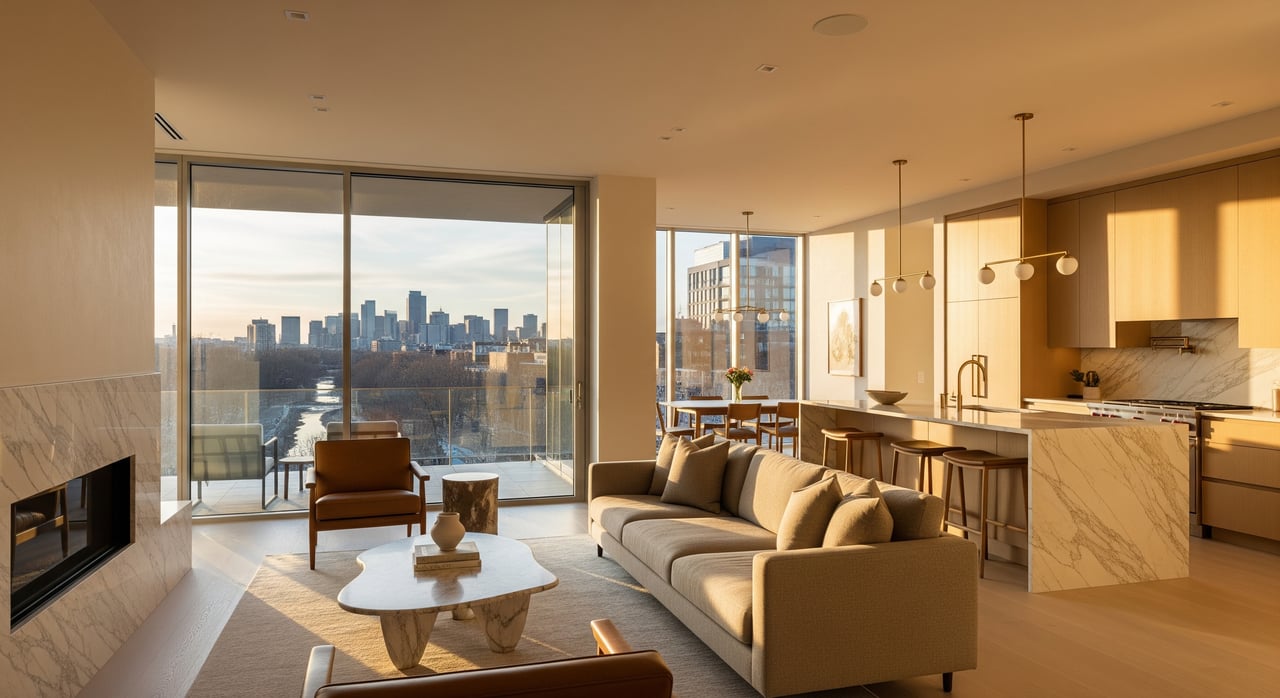
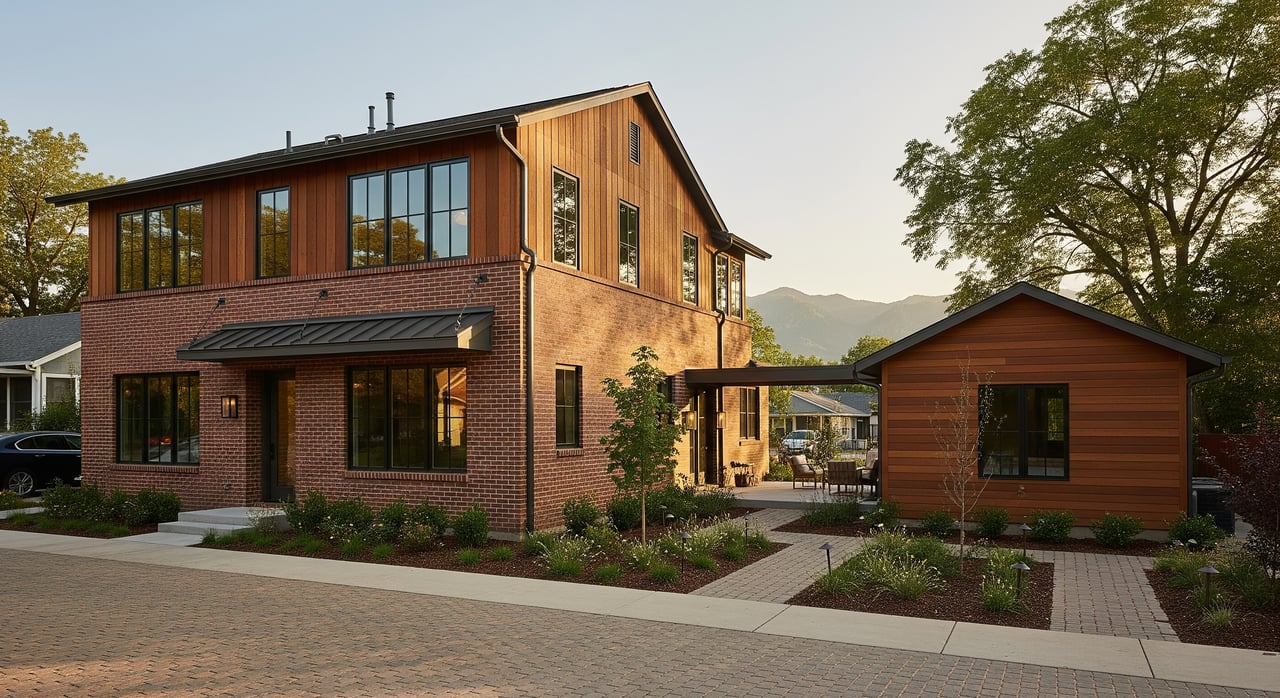
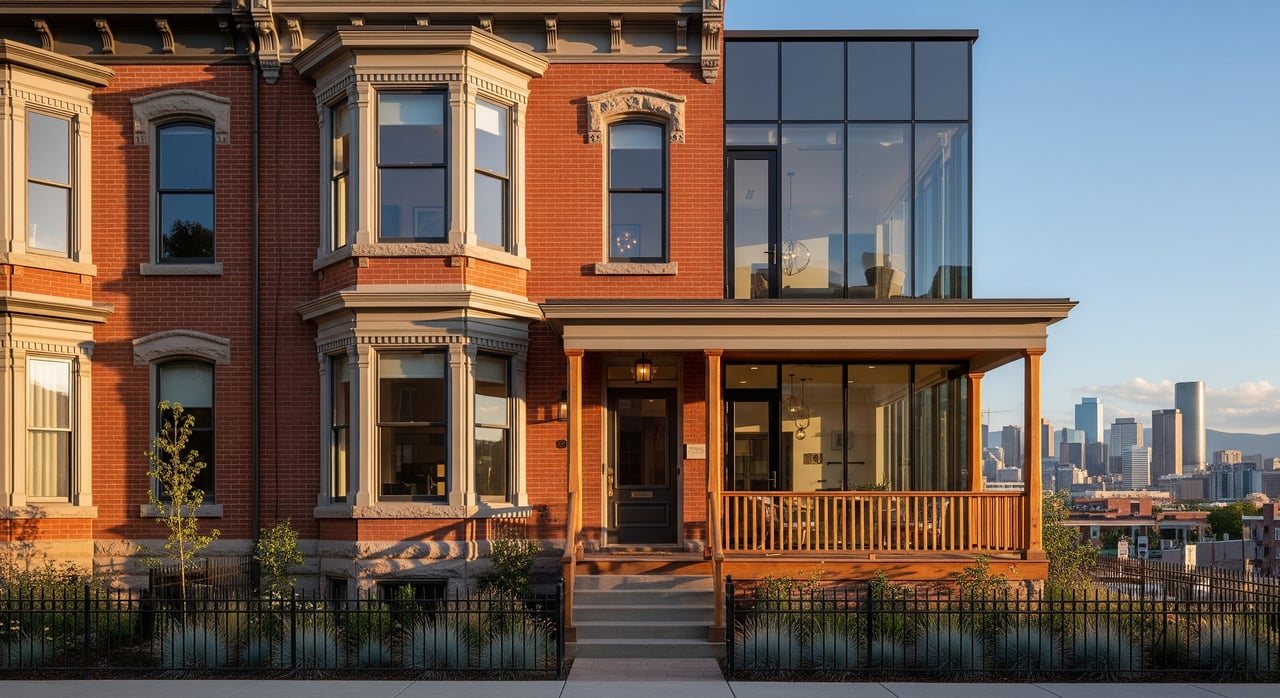
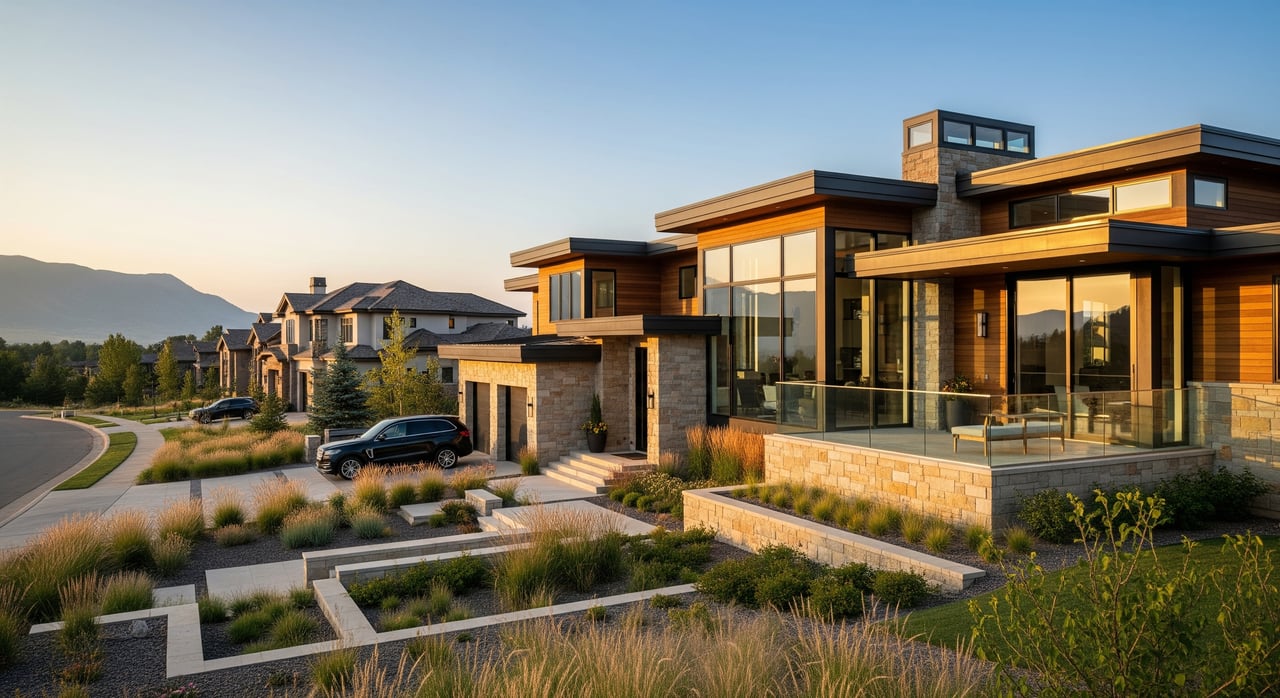
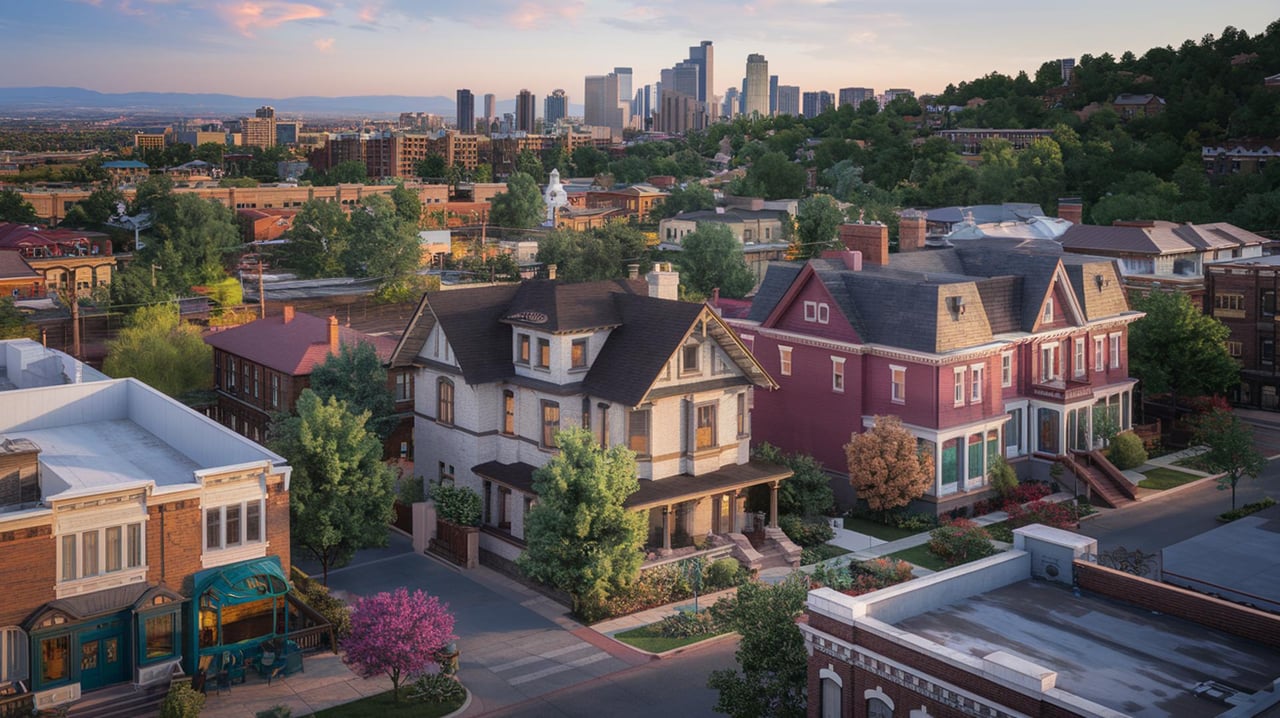
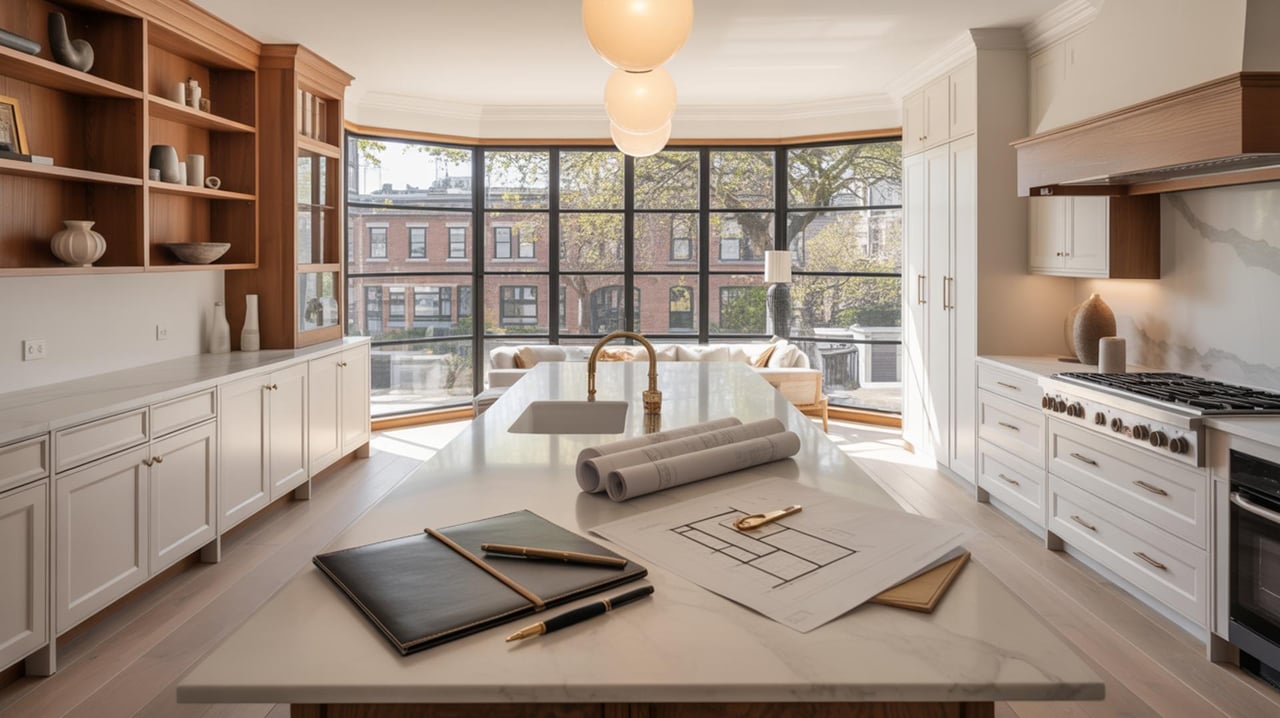
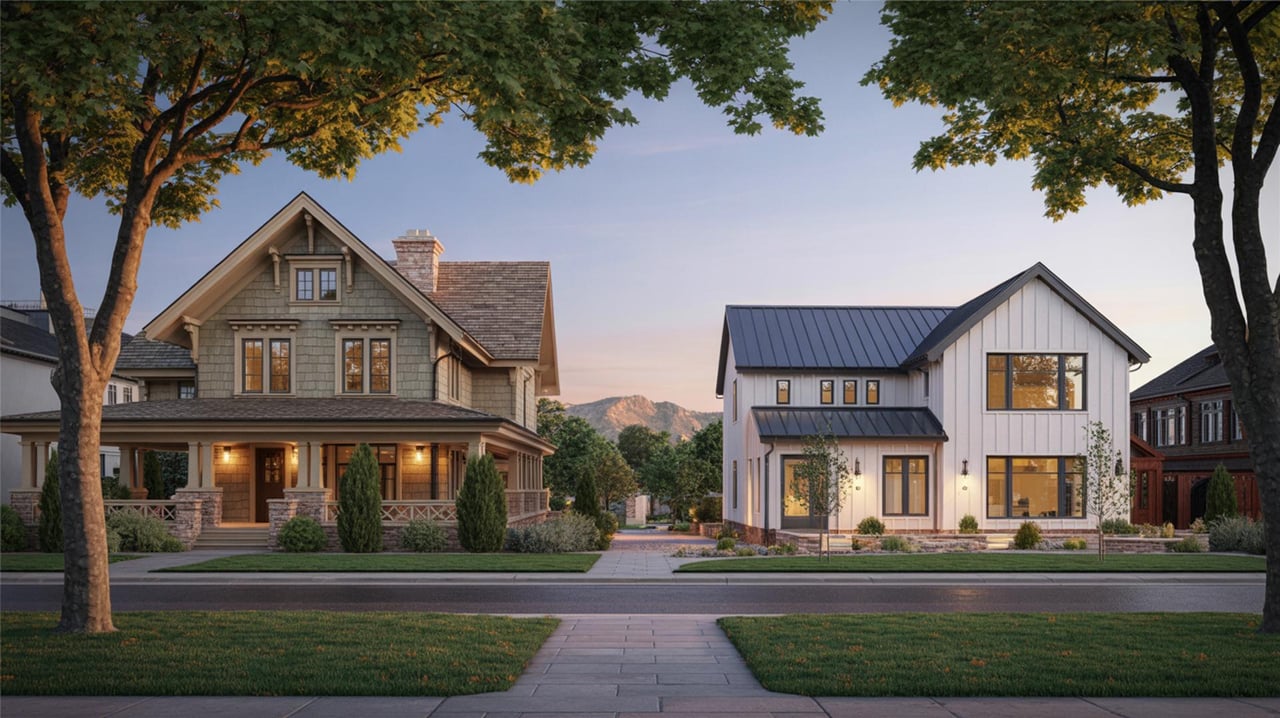
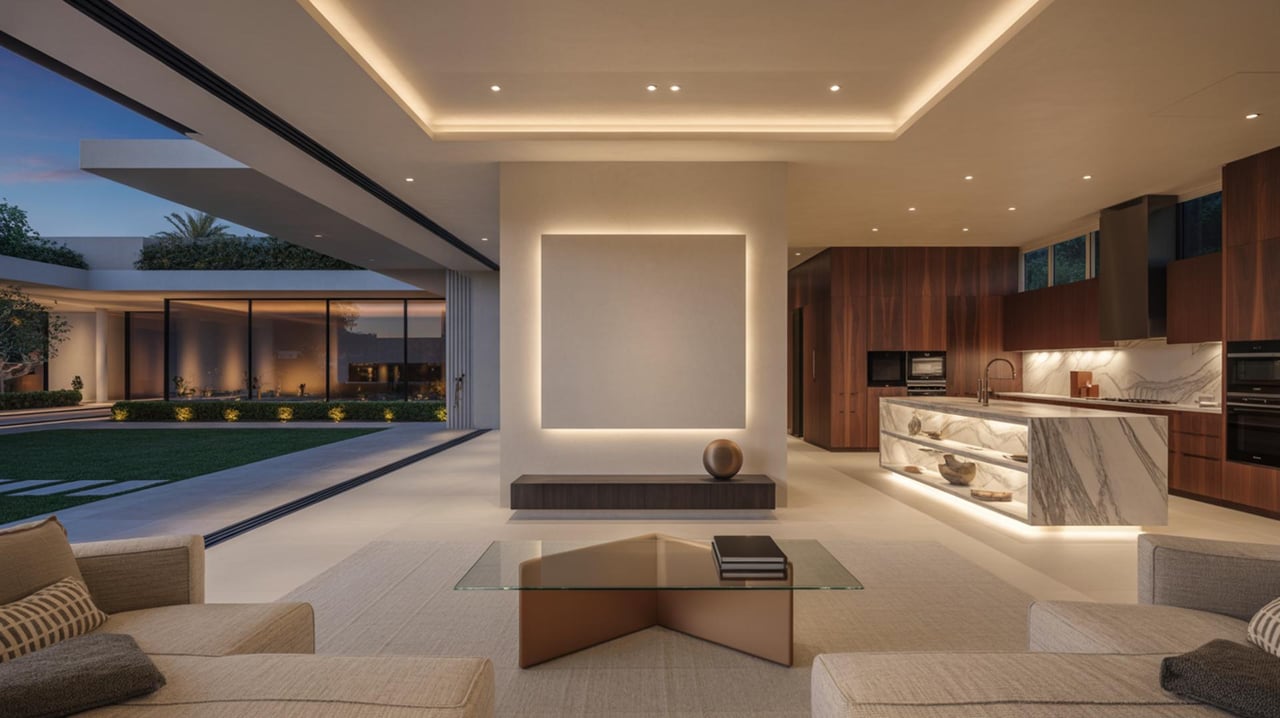
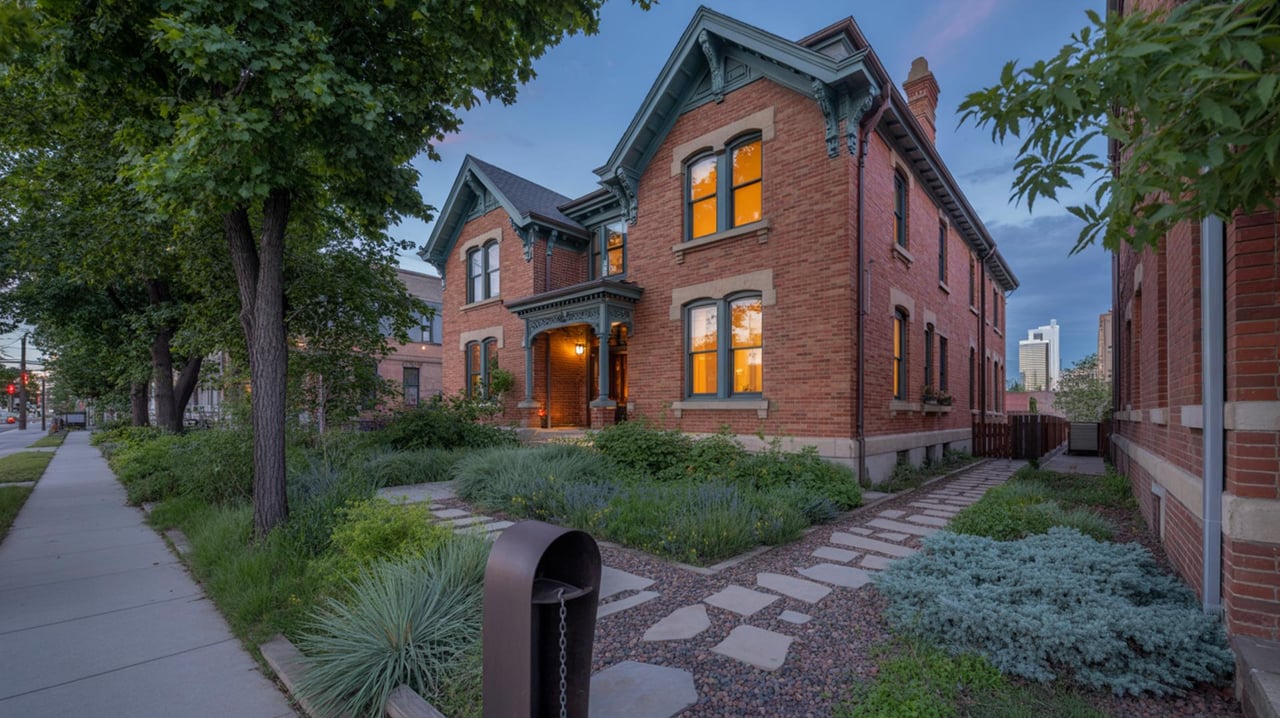
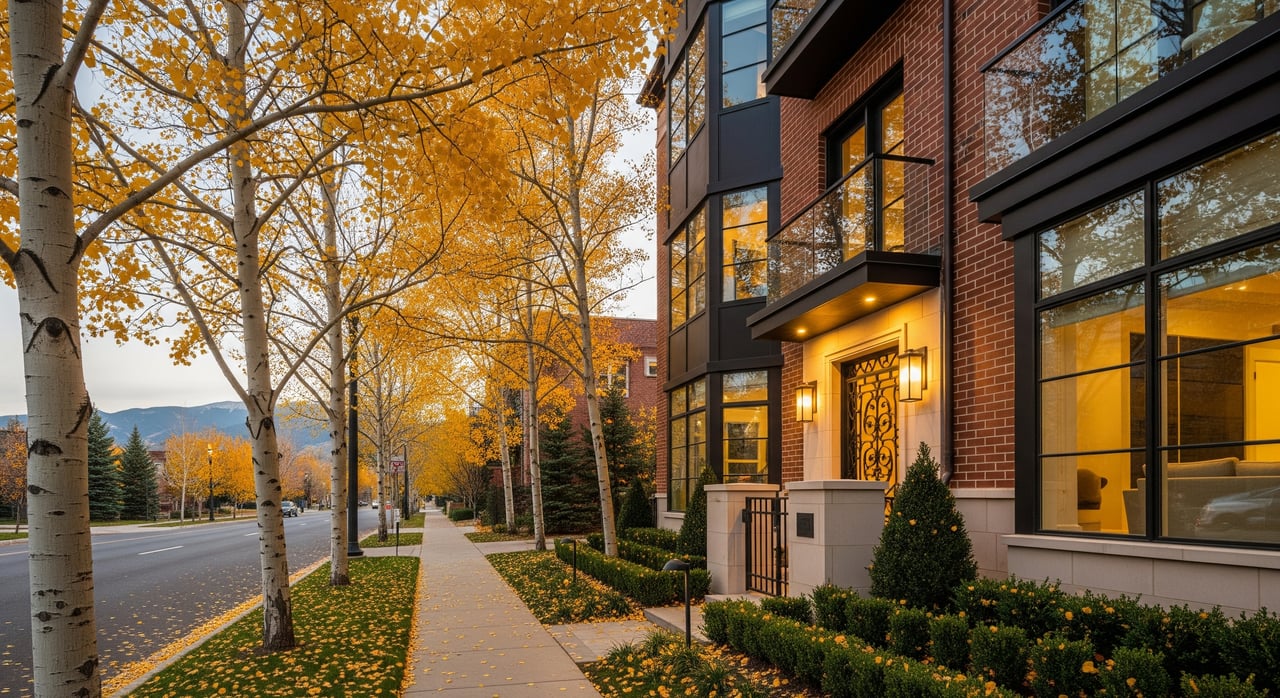
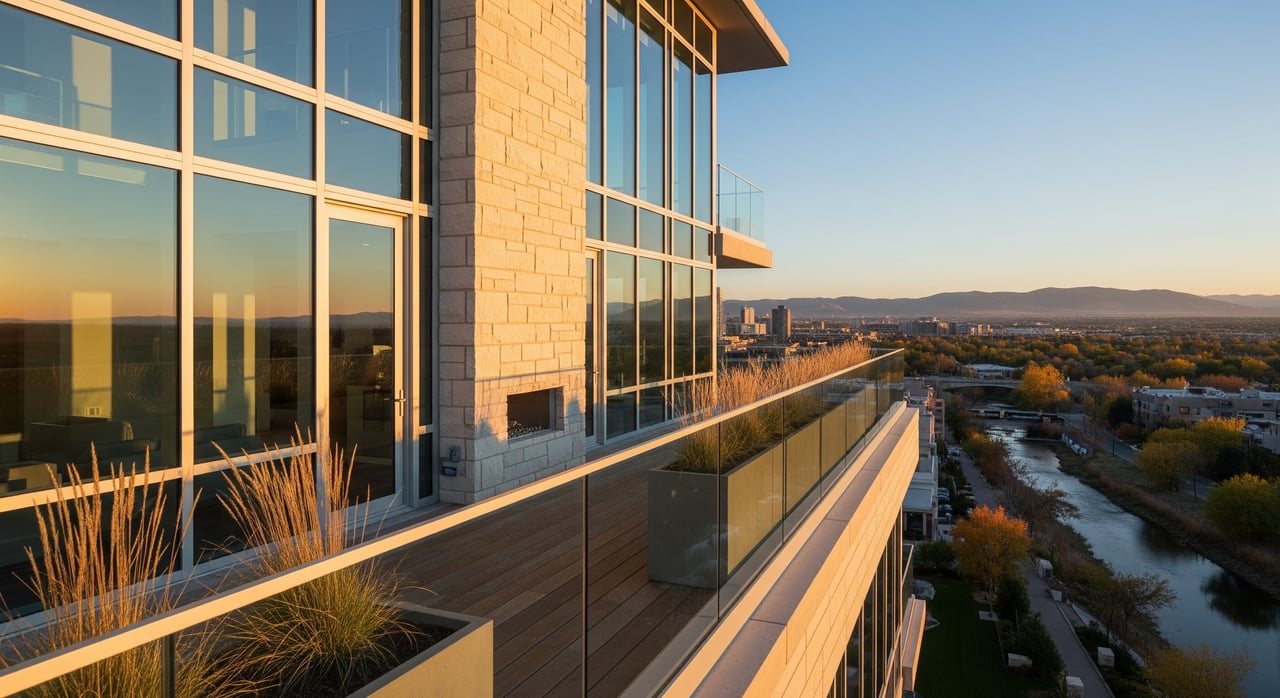
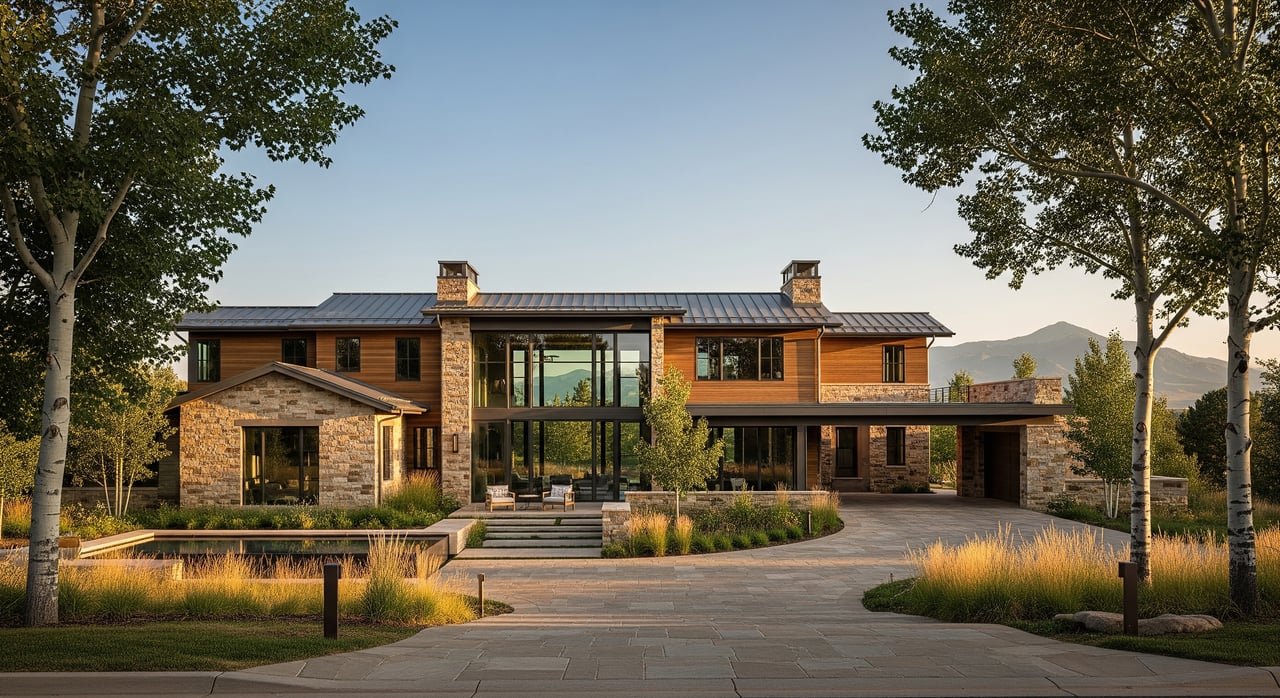
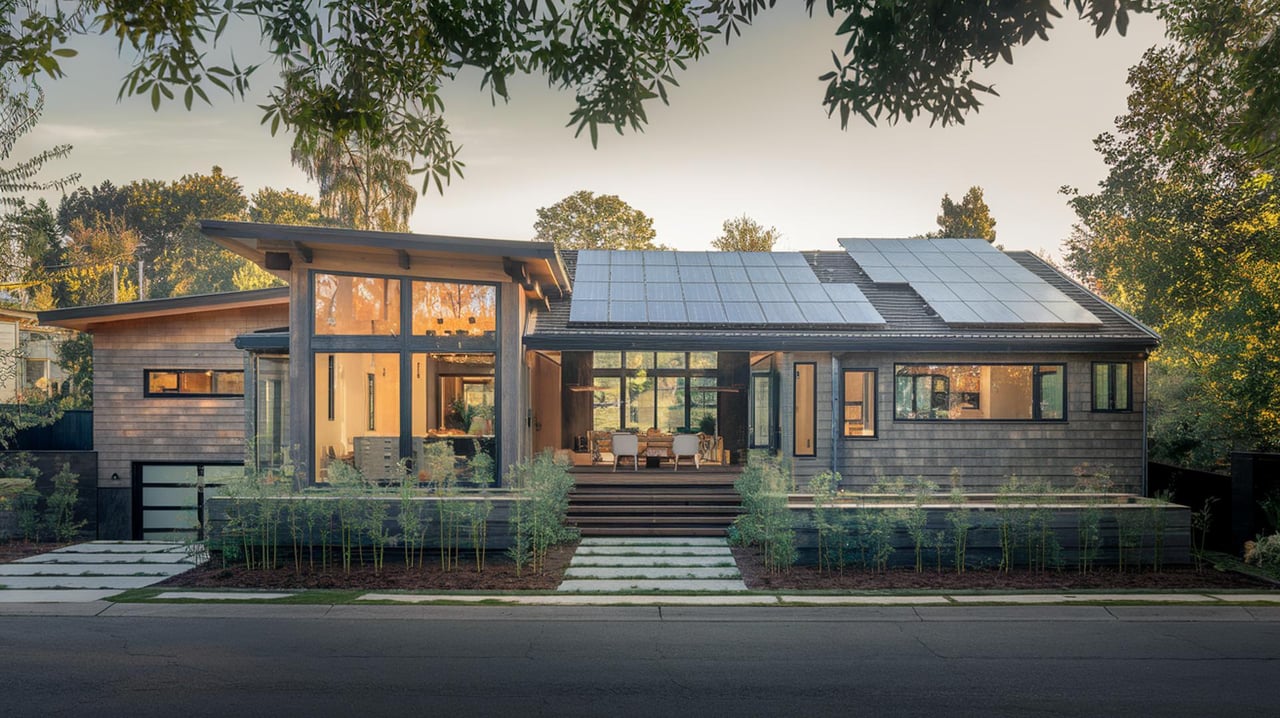
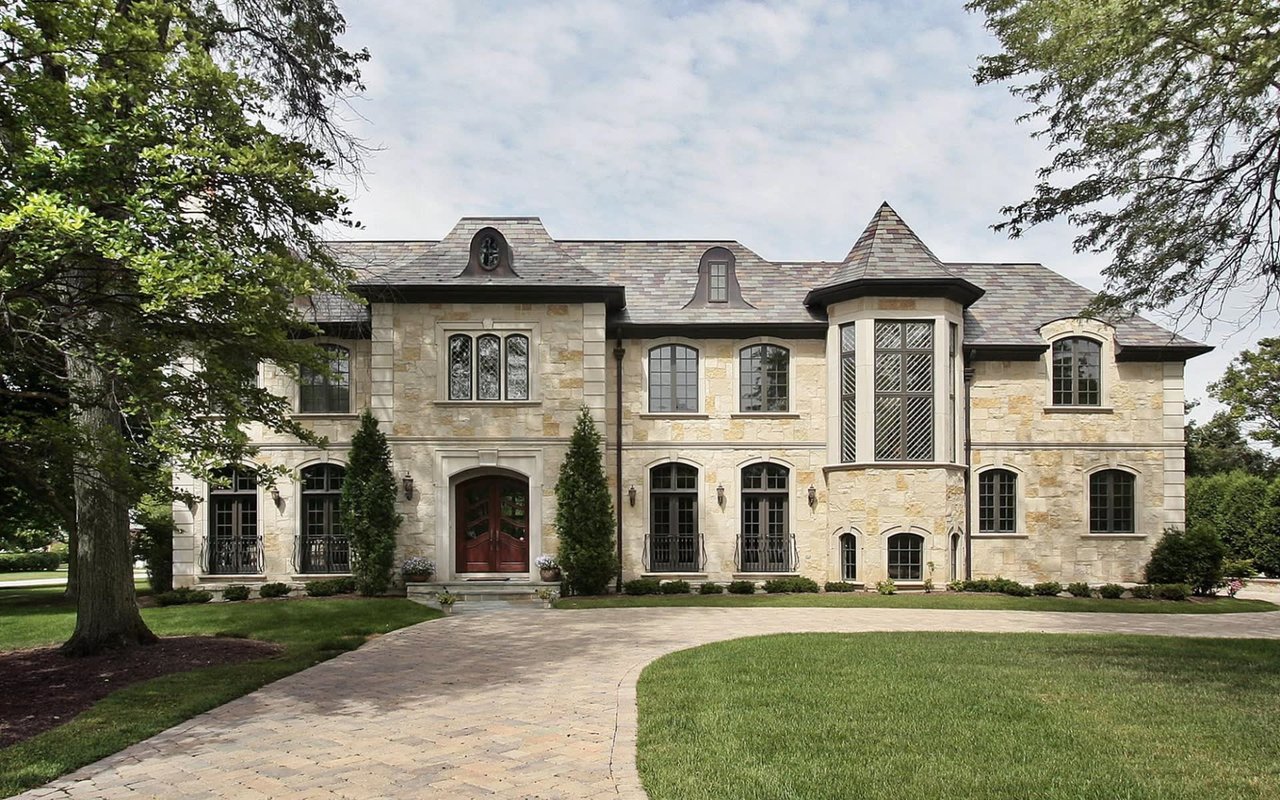
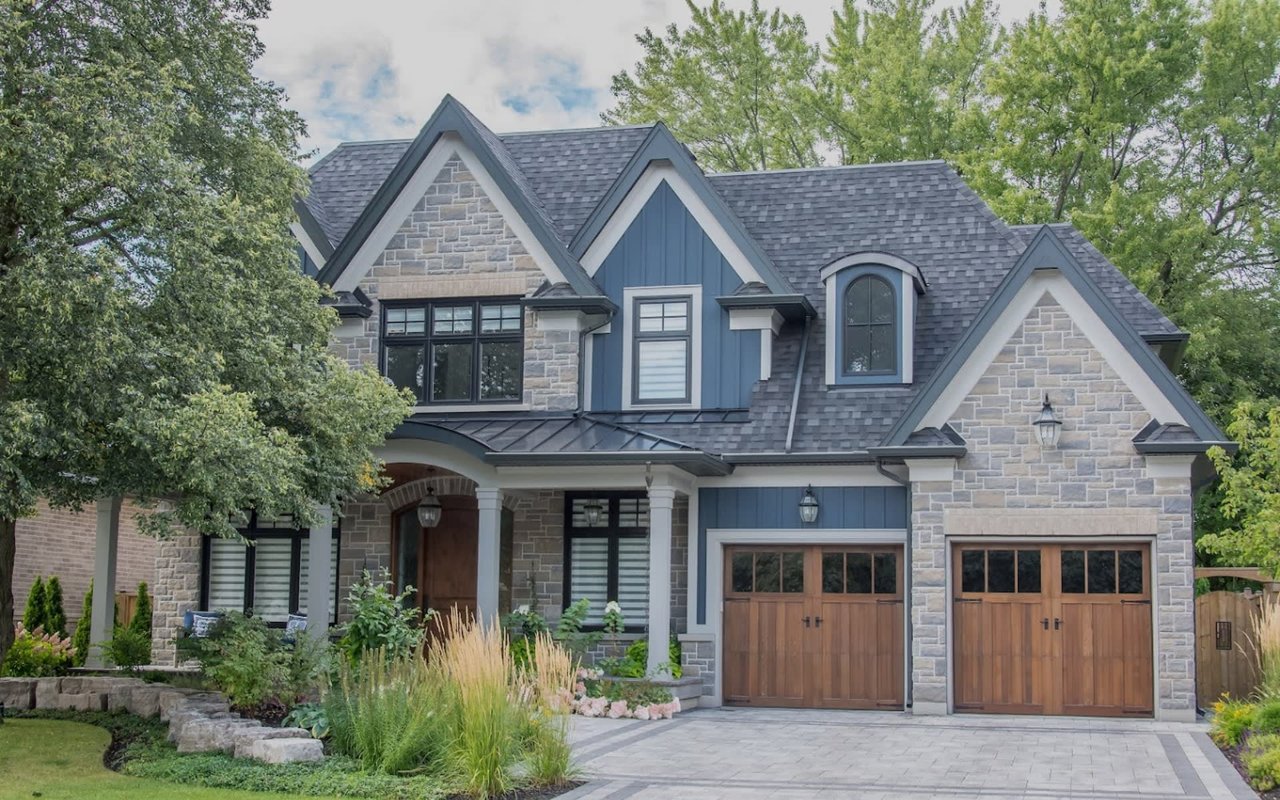
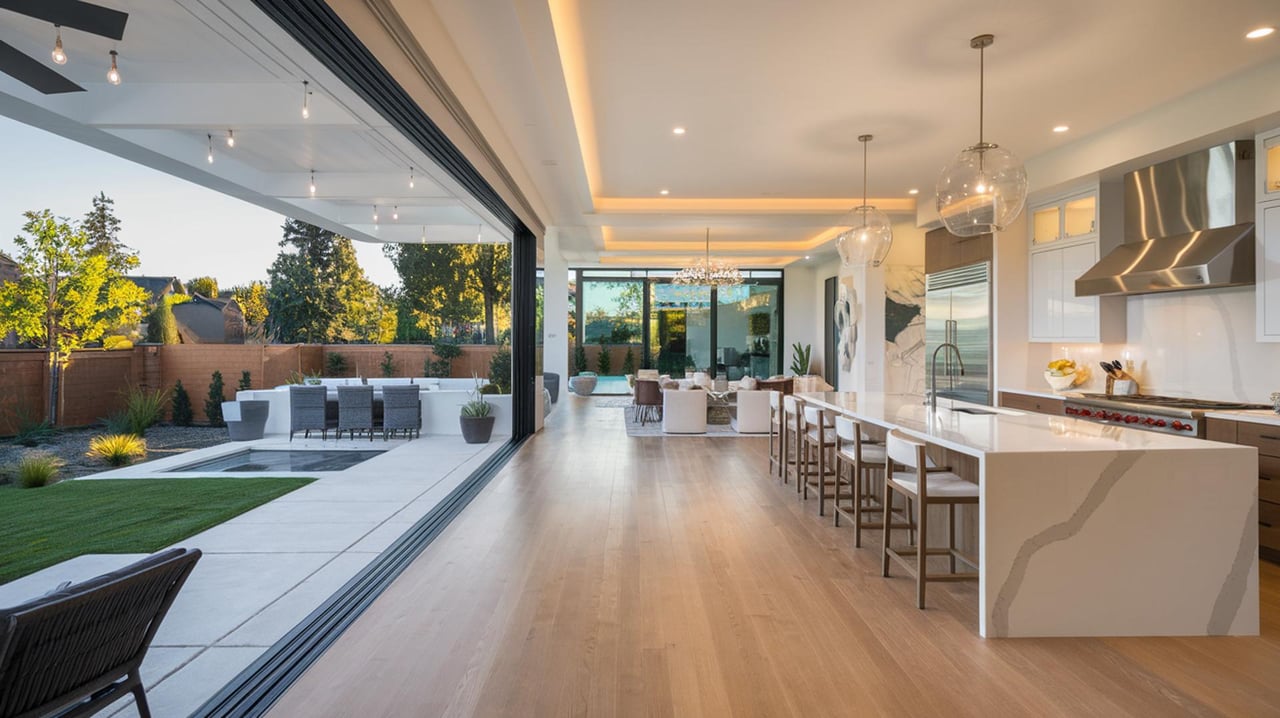
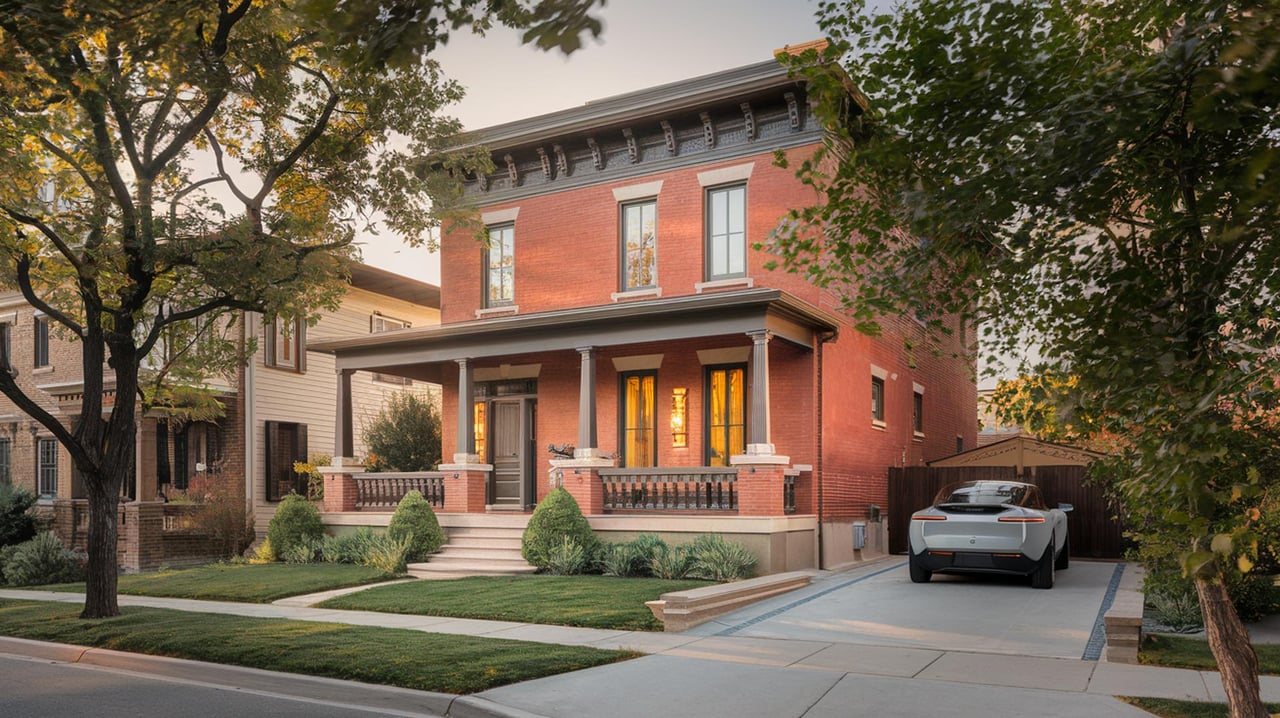
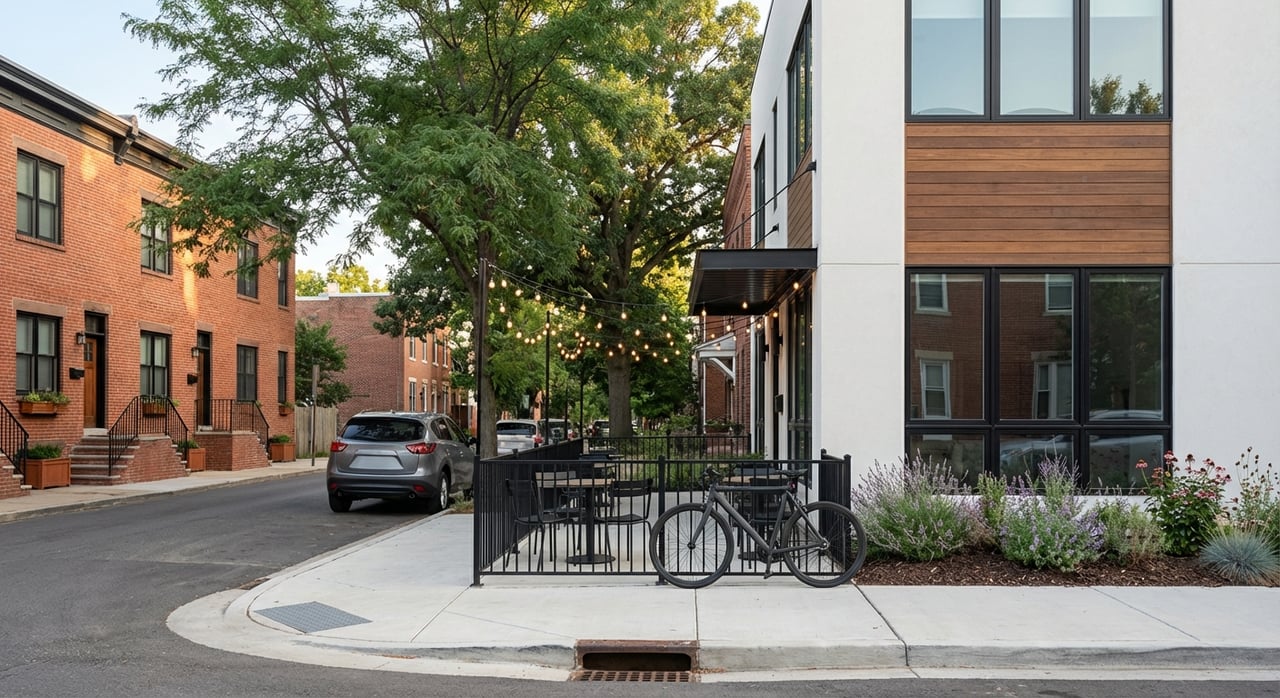
Across Highland and West Highland, you will tour late-19th and early-20th century Victorians and bungalows on tree-lined blocks, with a lower-rise feel. In LoHi, you will see more contemporary infill, low-rise condos, townhomes, and newer construction with rooftop decks and smaller yards. That mix shapes everything from privacy and outdoor space to resale expectations.
For a current snapshot, the median sale price in Highland was about $700,000 as of January 2026 (Redfin neighborhood page, Jan 2026). In LoHi, the townhouse listing median has recently appeared near $985,000 on the LoHi townhouse feed (Redfin listings, Jan 2026), reflecting newer construction, proximity to downtown, and rooftop amenities. Always check fresh comps and active inventory before you write an offer, since pricing can shift month to month.
Rent and walkability
If you are renting first, Apartments.com reports LoHi average rents at about $1,571 for studios, $1,983 for one-bedrooms, and $2,661 for two-bedrooms as of February 2026. Nearby West Highland averages are shown slightly lower overall. You can review the neighborhood snapshot and live rent data on the Apartments.com LoHi guide.
Walkability is a major draw in both pockets. LoHi regularly scores in the 90s on walkability tools, with Apartments.com citing a WalkScore around 93. That supports a car-light routine for many residents, especially if you work or dine downtown. See walk, transit, and bike context in the LoHi neighborhood guide.
Getting around
The Highland Bridge gives you a direct pedestrian route over I‑25 to the Platte River, Commons Park, and downtown paths. It opened in 2006 and is a useful landmark if you plan to walk for dinner or to the office. Read more about the connection on the Highland Bridge page.
Door-to-downtown times vary by block. From parts of LoHi, you can walk to LoDo or Union Station in about 10 to 30 minutes. Bike access is strong through the Platte River and Cherry Creek trails, and transit coverage is solid, with Union Station and regional rail a short ride away. Use a mapping app for precise door-to-door times during your commute window.
Parking and noise
LoHi’s dining density draws visitors at night and on weekends, which can tighten curb parking and add street noise during peak hours. Highlands Square and Tennyson are more residential in the evenings, and parking is usually easier. Always check specific block restrictions and permit zones, and if parking matters to you, confirm garage or driveway access at each property.
How to choose your pocket
Use this simple process to match the pocket to your routine:
- Define your peak hours. If your day starts early and nights are quiet, prioritize Highlands Square or Tennyson. If you want walk-to-dinner most evenings, explore LoHi.
- List your must-haves. Rooftop decks, skyline views, and newer finishes tend to cluster in LoHi. Larger yards and historic character are more common west in Highland and West Highland.
- Test the block twice. Visit on a weekday and a weekend, at dinner and late evening, to sample noise, lighting, and parking.
- Confirm the basics. Ask about parking permits, HOA rules, rooftop or patio exposure, and view corridors. In older homes, look at yard size and outdoor privacy. In LoHi townhomes, check rooftop safety, sun, and potential future obstructions.
- Validate your budget. Compare Highland’s recent sale median of about $700,000 (Jan 2026) with LoHi townhouse listing medians near $985,000 (Jan 2026), and align your search to the right product type.
- If renting, verify what is included. Use neighborhood rent snapshots from Apartments.com and check utilities, parking, and amenity fees with each building.
Day-in-the-life examples
- Highlands Square morning: coffee, a boutique stop, and errands on foot along 32nd and Lowell. Browse the scene on Visit Denver’s Highlands page.
- LoHi evening: walk to a chef-driven dinner, then a rooftop cocktail with city views. For a current list of options, use Eater Denver’s LoHi dining guide.
Quick tradeoffs
- LoHi: closest to downtown, strongest restaurant and rooftop cluster, newer townhomes and condos, higher price per square foot, more evening activity.
- Highlands Square/Tennyson: daytime retail and community markets, more single-family homes with yards, quieter nights, easier street parking on many blocks.
Ready to tour?
If you want a guided compare-and-contrast across both pockets, with data and on-the-ground nuance, let’s plan a focused route. I will help you pressure-test commute times, noise patterns, and property features so you can move forward with clarity. Start your home search with Alex Rice.
FAQs
What is the difference between LoHi and Highland?
- LoHi is the lower, downtown-facing pocket within the larger Highland area, known for dense dining and rooftops, while Highland and West Highland extend west with more historic homes and daytime retail.
Where are LoHi’s common boundaries in Denver?
- A common local reference sets LoHi between West 38th Avenue, Zuni Street, and the I‑25/Speer/Platte River corridor, as illustrated by the map in Eater Denver’s LoHi guide.
Are prices higher in LoHi than Highland?
- Often yes; Highland’s median sale price was about $700,000 in Jan 2026, while LoHi townhome listing medians have appeared near $985,000 in Jan 2026 due to newer builds and proximity to downtown.
How walkable is LoHi compared to Highland?
- LoHi regularly posts walk scores in the 90s, and Highland areas also score high, so both support car-light living depending on your exact block and routine.
What should I check on a LoHi townhome tour?
- Confirm rooftop deck exposure and safety, view corridors, parking or permit needs, and any HOA rules that affect outdoor use or short-term guests.
What is the best way to reach downtown from LoHi?
- Many residents walk 10 to 30 minutes or bike via the Platte River and Cherry Creek trails, and the Highland Bridge provides a direct pedestrian connection over I‑25.