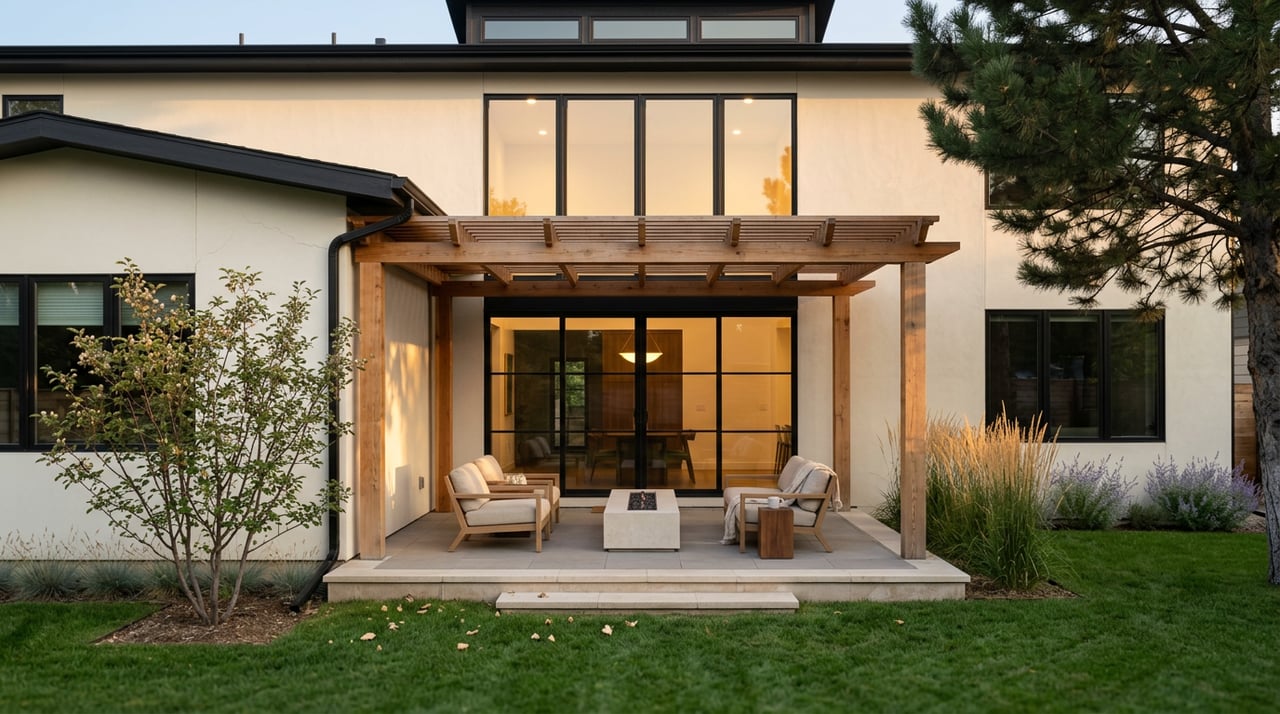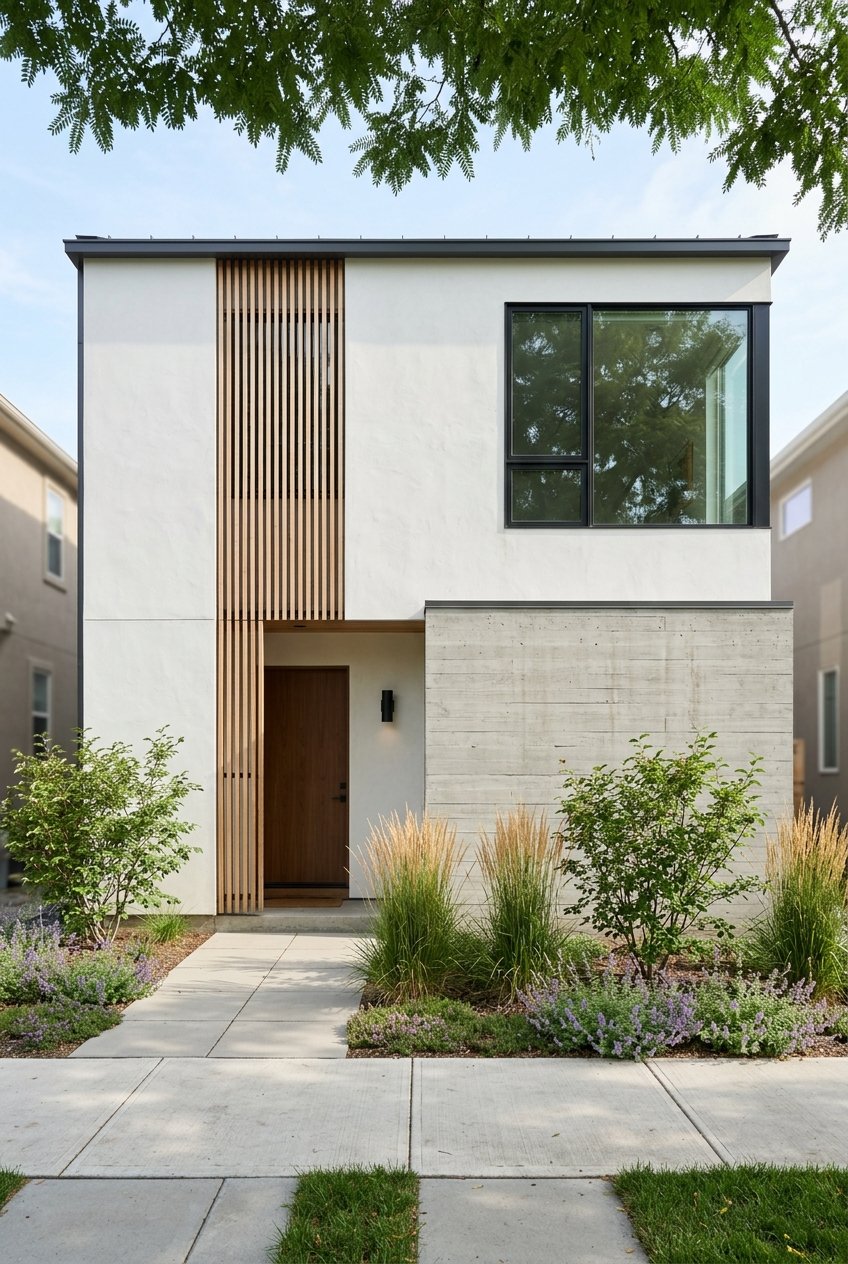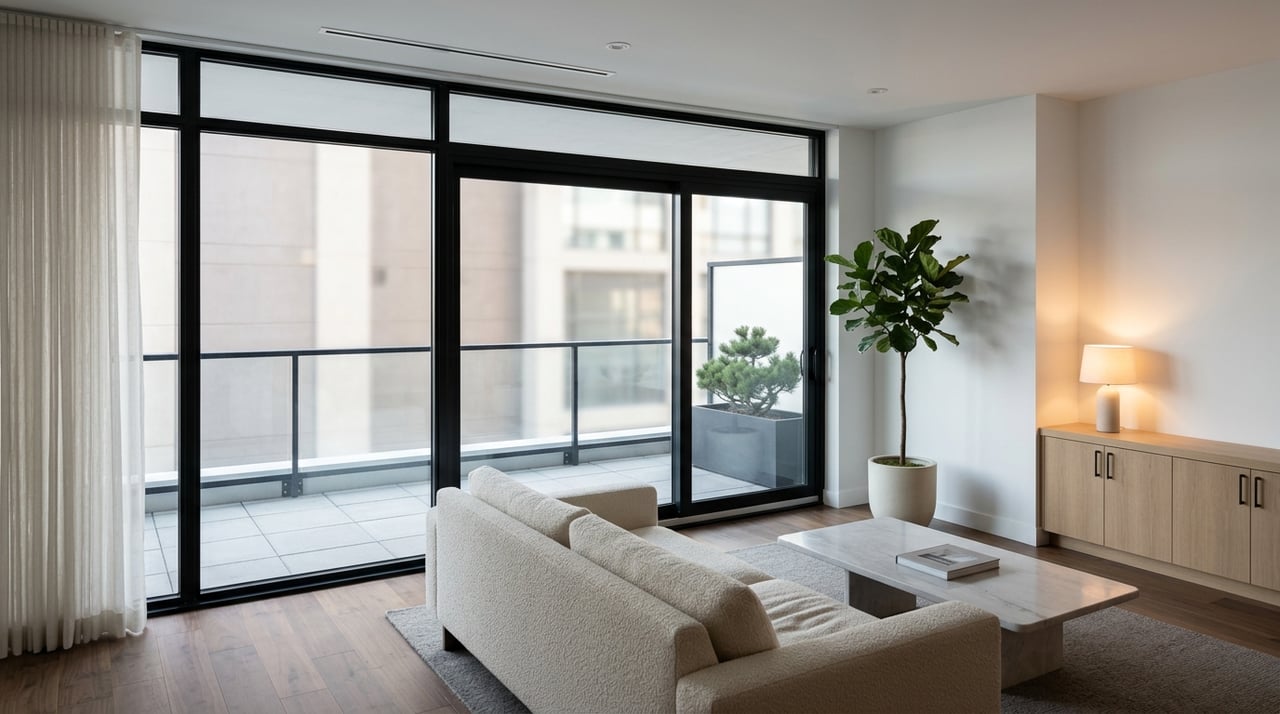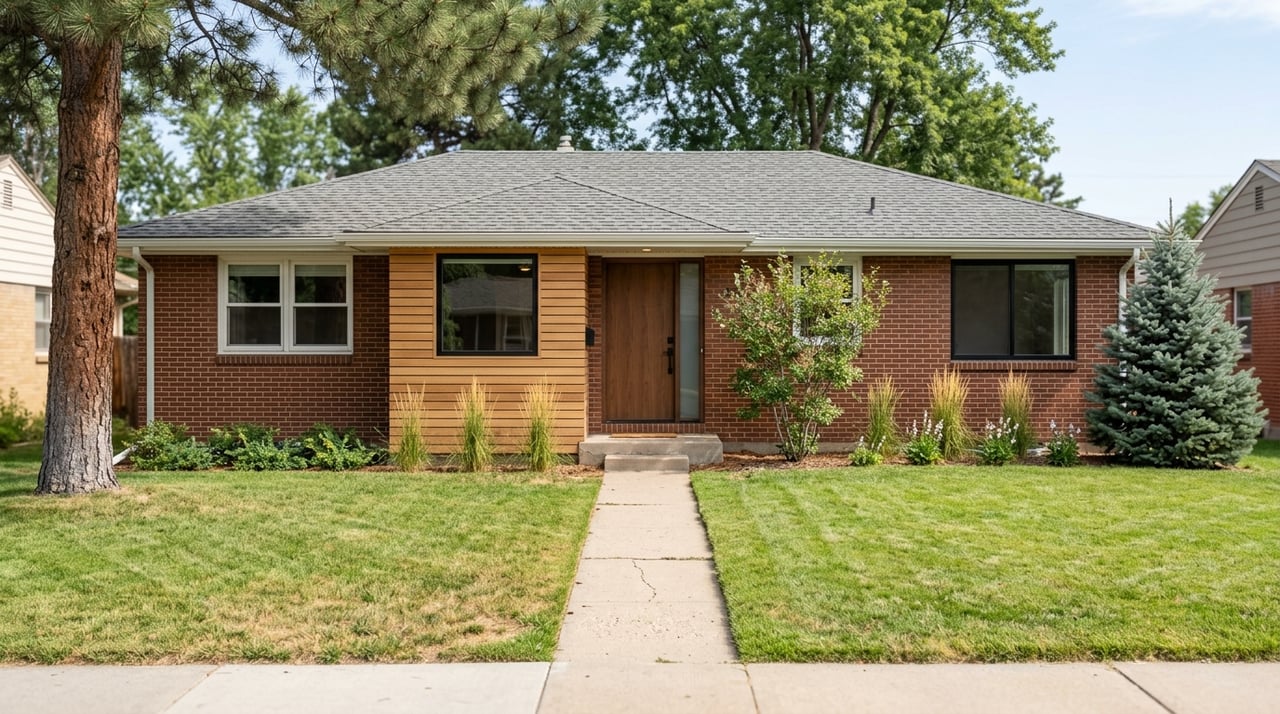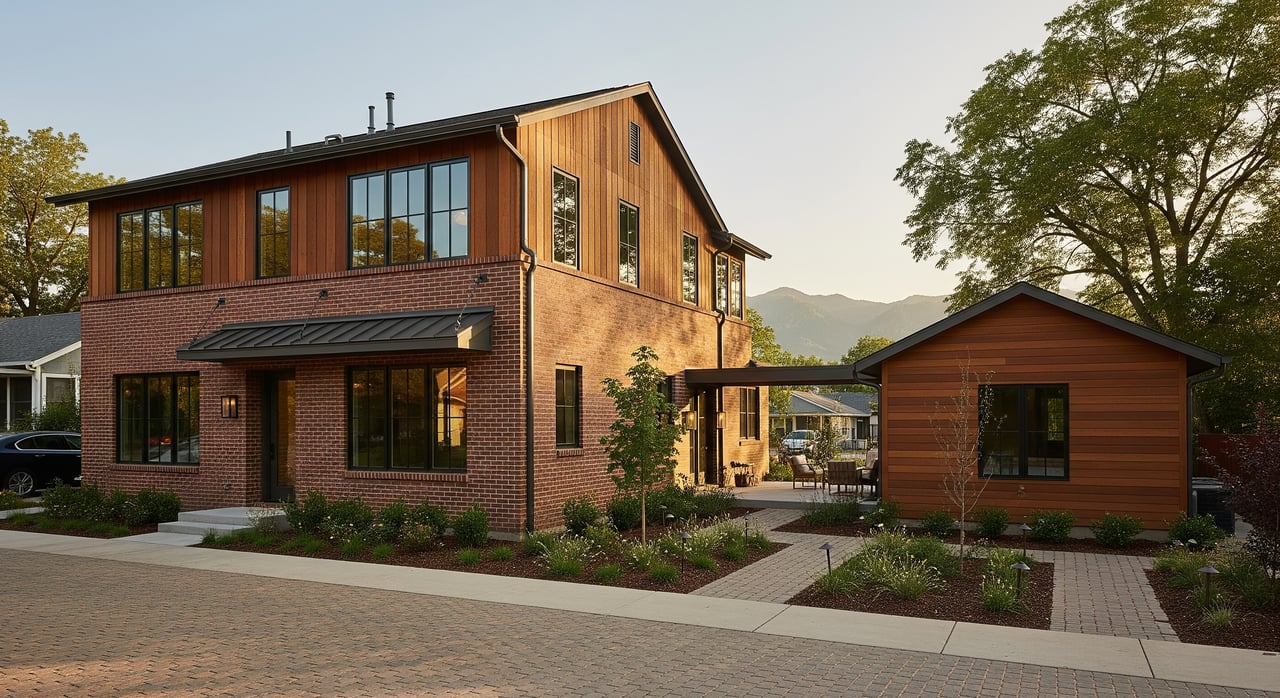
Ready to let your home help pay the mortgage? In Englewood, a smart duplex or ADU setup can lower living costs, build equity faster, and open the door to long-term wealth. If you are weighing options, you are not alone. Many buyers and owners here are exploring house hacking as prices and rents evolve.
In this guide, you will learn how duplex and ADU strategies work in Englewood, the rules to check, how to finance and permit your plan, and the numbers to model before you commit. You will also get a step-by-step playbook to move from idea to keys. Let’s dive in.
House hacking basics in Englewood
House hacking means you live in part of a property and rent the rest to offset your housing costs. The most common formats locally are a duplex or a single-family home with an accessory dwelling unit, often called an ADU.
Your goals typically fall into three buckets: reduce your monthly payment, build equity, and generate positive cash flow over time. To evaluate a property, model net rent after vacancy and operating costs, how that rent supports your mortgage, and your cash-on-cash return if you renovate or build.
Duplex vs ADU: which fits your plan
Duplex advantages and tradeoffs
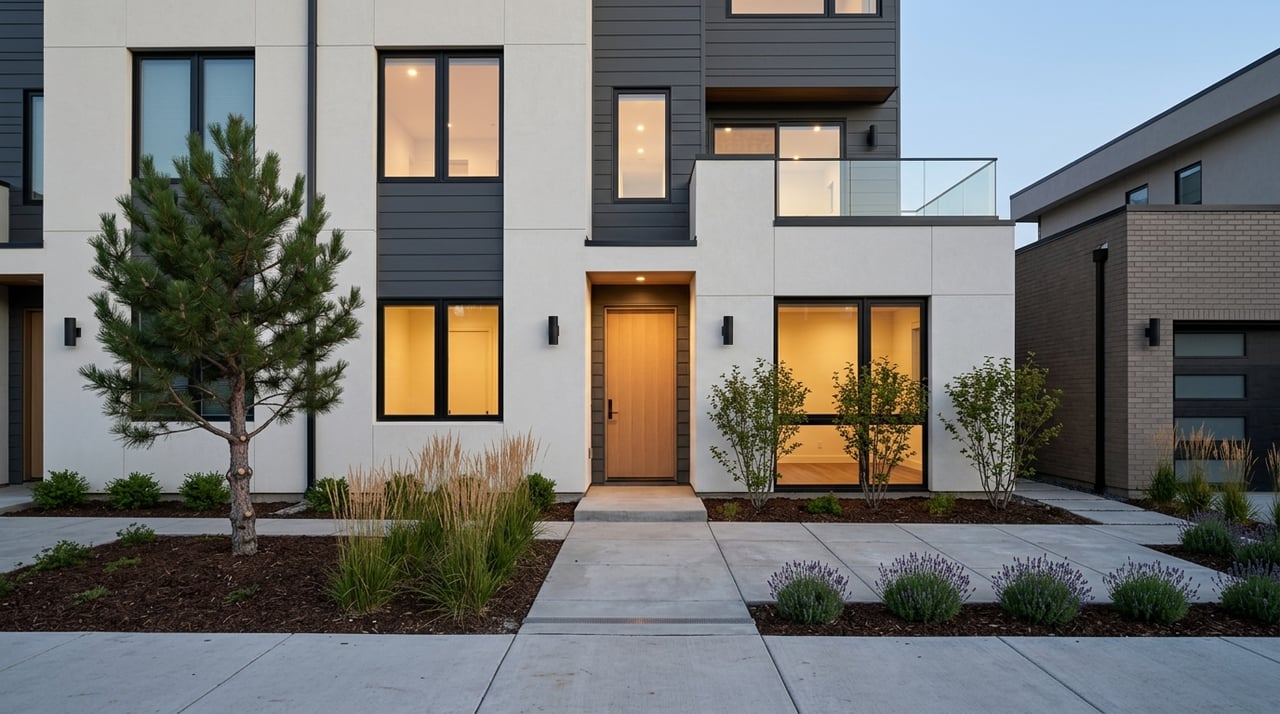
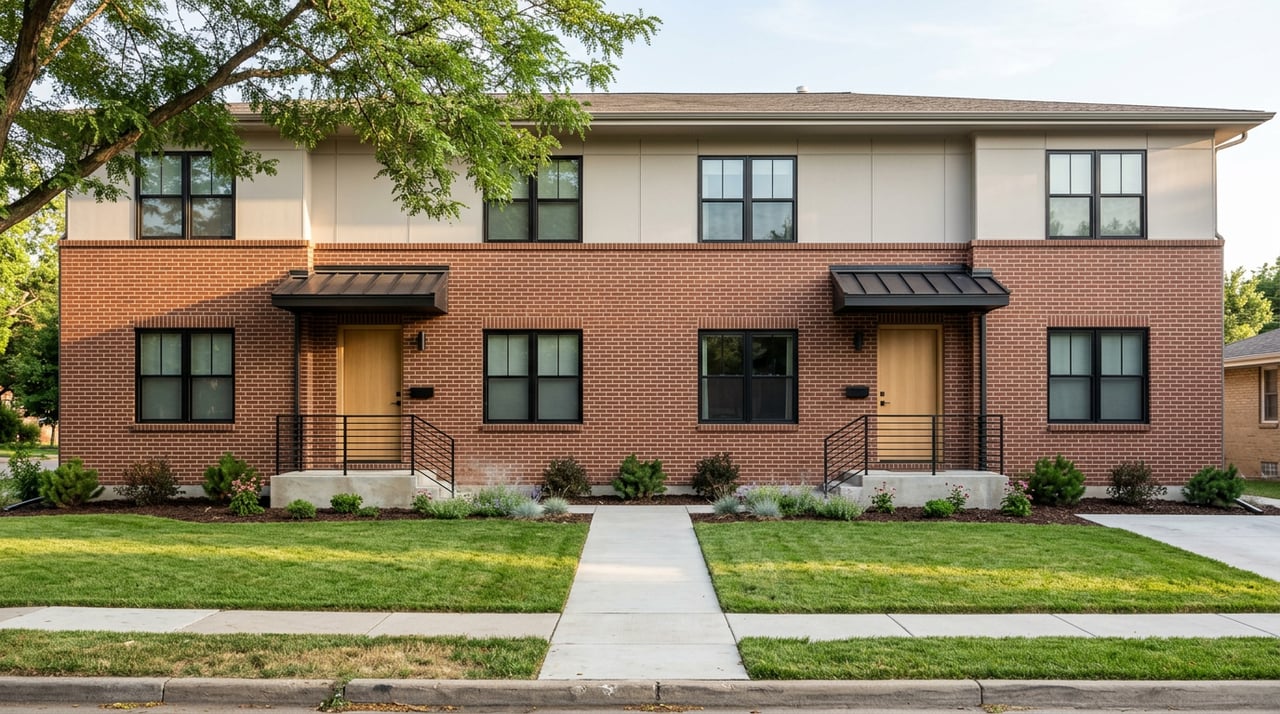
A duplex is built as two separate units. This can make long-term renting simpler, with clear layouts and separate entrances. Some mortgage programs are designed for 2 to 4 units, and rental income may help qualify based on lender rules.
On the flip side, duplexes often cost more to buy. You may also manage more tenant-facing tasks day to day. Resale can be attractive to investors, which is a plus if you plan to hold for a while then sell.
ADU advantages and tradeoffs
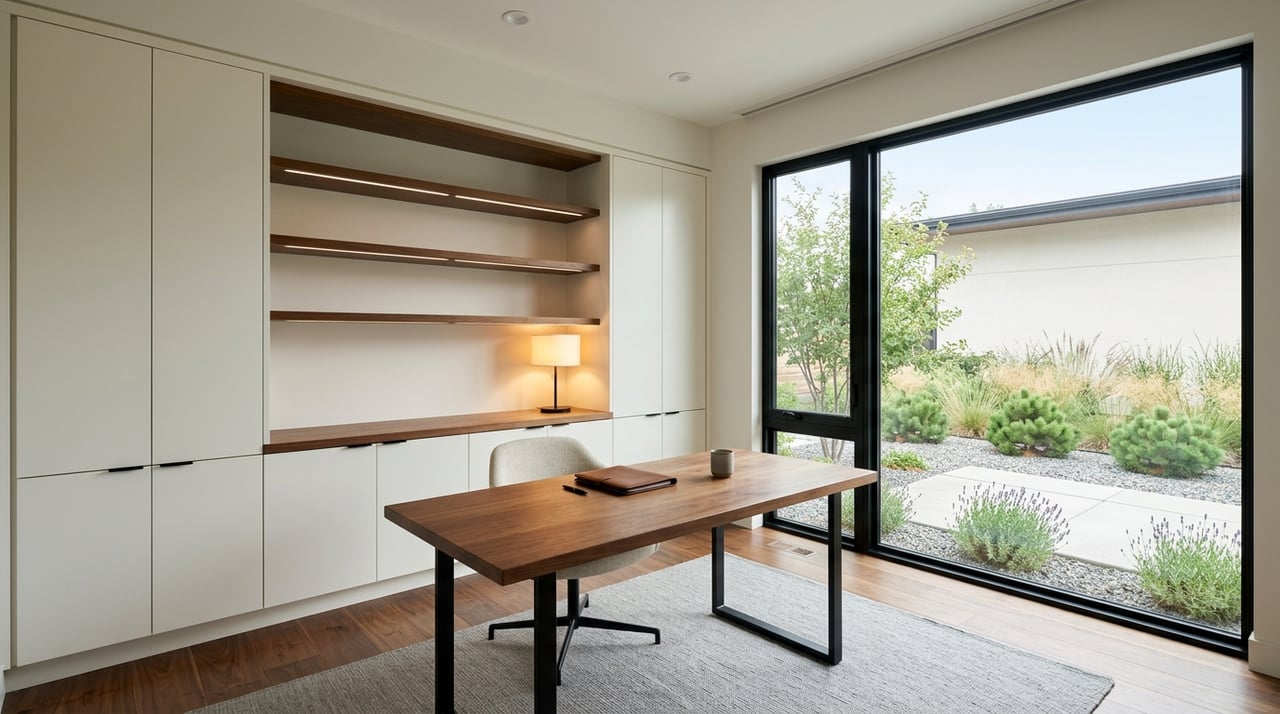
An ADU can be a detached cottage, an attached suite, or a conversion of an existing space like a basement or garage. It preserves the single-family feel while giving you privacy as an owner-occupant. Many owners like the flexibility for future uses, such as a guest suite or office.
The constraints are real. Zoning, lot size, setbacks, parking, and utility requirements can limit feasibility. Construction and utility separation can add cost. Lender treatment of ADU income varies, so talk to a lender early.
How to choose in Englewood
- If you want maximum rent potential on day one, a duplex may win.
- If you value privacy and incremental construction, an ADU can be ideal.
- If your lot is small or has tight setbacks, a duplex purchase could be simpler than building new.
- If you already own a single-family home with a suitable layout, an ADU conversion can be a lower-cost path.
Local rules to confirm before you buy or build
Englewood is a home-rule city, so city code controls inside city limits. Properties in unincorporated Arapahoe County follow county rules. Always verify the jurisdiction for a specific address and confirm details with planning and building staff.
Here is what to check for each property:
- Zoning district and the number of dwelling units allowed
- Whether ADUs are permitted by right, require special approval, or are prohibited
- Minimum lot size, setbacks, lot coverage, and maximum accessory structure size
- Owner-occupancy requirements for ADUs, if any
- Off-street parking requirements for an ADU or second unit
- Utility separation rules, including sewer and separate meters if required
- Building code and safety items like egress, fire separation, and mechanical systems
- Short-term rental rules versus long-term rental allowances
- Any historic district or neighborhood overlay restrictions
Also review HOA covenants if applicable. HOAs often restrict rentals, exterior changes, or the addition of accessory structures. Do this early to avoid surprises.
Permitting roadmap and timelines
A simple conversion can move quickly, while a new detached ADU or a complex duplex project takes longer. Expect the following process:
- Schedule a pre-application conversation with planning and building staff to confirm feasibility.
- Complete zoning review. If you need a variance or conditional approval, build in extra time.
- Prepare plans for building permits. Significant work usually requires architect or engineer drawings.
- Move through inspections during construction.
- Obtain a final certificate of occupancy before renting.
Timelines vary by scope and city workload. A straightforward ADU conversion can take several months from planning to completion. New detached ADUs or duplex conversions can take 4 to 12 months or more.
Financing options for duplexes and ADUs
You have several avenues to finance purchase and construction. The right fit depends on your goals, loan limits, and how your lender treats rental income.
- FHA loans may allow 2 to 4 unit purchases with as little as 3.5% down for owner-occupants. Some rental income can help with qualifying based on program rules.
- Conventional mortgages vary by lender. Some allow projected ADU income to count when you owner-occupy the main home.
- VA loans can finance up to 4 units for eligible veterans who will occupy one unit.
- Renovation loans like FHA 203(k) and Fannie Mae HomeStyle Renovation can fund ADU construction or conversions.
- Local programs through the Colorado Housing and Finance Authority may offer down payment assistance for eligible buyers. Check current offerings.
- Existing owners often use cash, a HELOC, or a cash-out refinance to fund ADU projects.
Lender policies differ on how they count ADU or duplex income. Talk to a local lender early, bring conservative rent estimates, and ask for pre-qualification based on your plan.
Questions to ask your lender
- How do you count projected rent for a duplex or ADU at qualification?
- What documentation do you need to use rental income in underwriting?
- Which renovation products are available for ADU construction or conversions?
- What down payment and reserve requirements apply for 2 to 4 units?
- How will an ADU affect my appraisal and maximum loan amount?
Taxes, insurance, and landlord rules
Rental income is taxable, but you can deduct eligible expenses like mortgage interest, property taxes, depreciation, insurance, utilities, repairs, and management. Depreciation can reduce taxable income, but recapture rules can apply when you sell.
Adding living space or creating a rental unit may change your property’s assessed value. Confirm impacts with the county assessor. Short-term rentals, if allowed, may have separate tax and licensing requirements that differ from long-term leases.
Insurance should cover both your owner-occupied space and the rental exposure. Ask about landlord or hybrid policies, higher liability limits, and whether to require tenant liability insurance. Colorado landlord-tenant law sets rules on habitability, security deposits, and the eviction process. Follow Fair Housing standards and local ordinances.
Market context: how to ground your numbers
Before you write offers or pull permits, benchmark the local market. Review recent duplex sales and single-family homes with ADUs to understand pricing. Check current long-term rent levels for 1 and 2 bedroom units and note vacancy trends. Consider the appeal of transit access, proximity to employment centers, and neighborhood amenities.
Focus on areas such as the Englewood Civic Center and Downtown Englewood corridor, the Old Hampden corridor, and locations near Belleview Avenue and Broadway. Always verify that your specific block’s zoning supports your plan.
The Englewood house-hack playbook
Use this step-by-step checklist to move from idea to execution:
- Identify candidate properties with the right zoning and physical layout for a second unit or ADU.
- Run a quick feasibility screen with the planning and building department. Confirm ADU or duplex allowances, parking, and any owner-occupancy rules.
- If there is an HOA, review CC&Rs for rental and accessory structure restrictions.
- Speak with a lender about purchase and construction financing, and how rental income will be treated.
- Obtain preliminary cost estimates from an architect and contractor. Include soft costs and possible utility upgrades.
- Submit zoning and building applications. If a variance is needed, plan for public review steps.
- Close on the property and start permitted construction or renovations.
- Schedule inspections and obtain a final certificate of occupancy before leasing.
- Set up your landlord systems: screening, leases, accounting, and insurance.
Underwrite like a pro: the numbers to model
Create a conservative pro forma before you commit capital. Build in buffers for cost and time.
- Acquisition: purchase price, down payment, interest rate, loan costs
- Income: projected market rent per unit or ADU, with a 5 to 10 percent vacancy allowance
- Operating costs: taxes, insurance, utilities, maintenance, and management if used
- Financing: mortgage payment and recommended reserves
- Project budget: construction, design, permits, and utility connections
- Outputs: monthly cash flow, breakeven occupancy, and cash-on-cash return
A simple approach is to start with gross rent, subtract vacancy and all operating expenses, then compare the result to your mortgage payment. If your breakeven occupancy is high, your plan is more sensitive to vacancy or rent changes.
Common pitfalls to avoid
- Assuming ADUs are permitted without checking zoning, lot size, setbacks, or parking rules
- Underestimating the cost of utility separation or sewer connections
- Overestimating rent projections without market confirmation
- Not confirming how your lender will count rental income during underwriting
- Overlooking HOA restrictions on rentals or accessory structures
- Skipping permits or renting without a certificate of occupancy
- Ignoring timeline risk from variance processes or workload backlogs
A quick scenario framework
Here is a simple way to evaluate two paths without plugging in specific prices.
- Duplex purchase: Estimate your mortgage payment. Project rent for the second unit, subtract vacancy and operating costs. If net rent meaningfully offsets the payment, you may achieve a lower effective cost of living from day one.
- ADU conversion or build: Model total project cost. Estimate rent, subtract vacancy and operating costs, then calculate the payback period for your construction spend. If the payback period and long-term equity growth meet your target, proceed to permitting.
In both cases, use conservative rent assumptions and include a line for contingencies. It is better to be pleasantly surprised than stretched thin.
Is house hacking right for you?
If you value flexibility and long-term wealth building, house hacking can be a powerful path in Englewood. A duplex may offer stronger rent support upfront, while an ADU can provide privacy and phased investment. Your decision depends on your budget, risk tolerance, and timeline.
When you are ready to run scenarios, tour viable properties, or sanity-check zoning, bring in a local advisor who understands both the numbers and the on-the-ground process. If you want a partner who can help you balance financial performance with lifestyle fit, reach out to Alex Rice.
FAQs
Can you use ADU rent to qualify for a mortgage in Englewood?
- It depends on the lender and loan program; some conventional, FHA, and VA products may allow projected ADU income for owner-occupants with specific documentation.
Will adding an ADU increase my property taxes in Arapahoe County?
- It can, since additional living space or a new unit may increase assessed value; confirm impacts with the county assessor before you build.
Are detached ADUs allowed in Englewood neighborhoods?
- Permission depends on your zoning district and local ADU provisions; verify allowable unit types, size, and setbacks with planning staff for your exact address.
Are short-term rentals allowed for an Englewood ADU?
- Short-term rental rules can be stricter than long-term leases and may require licensing or be prohibited; review local ordinances before hosting.
How long does permitting take for an Englewood ADU or duplex project?
- Timelines vary; simple conversions can take months while detached ADUs or complex projects can span 4 to 12 months or more based on scope and reviews.
Do HOAs in Arapahoe County allow ADUs or duplex rentals?
- Many HOAs restrict accessory structures, exterior changes, or rentals; review CC&Rs and seek written confirmation from the association early in your process.