Thinking about selling your Castle Pines luxury home and wondering how public your listing should be? Privacy matters, but so does price. In a market where every property is unique, choosing between an off-market approach and the MLS can shape your timeline, negotiation leverage, and final sale price.
You want a plan that protects your goals without leaving money on the table. This guide breaks down the options, the rules to know, and a clear decision framework tailored to Castle Pines luxury homes. You will leave with a practical checklist and a strategy you can put into action. Let’s dive in.
Off-market vs. MLS: what they mean
MLS listing
An MLS listing is fully public in the local MLS and typically syndicates to major portals. It reaches the widest pool of buyers and agents and provides a standardized process for disclosures, timelines, and showings.
Coming Soon status
Some MLSs support a limited pre-market or Coming Soon status with specific time limits and restrictions. Rules differ by MLS, so confirm details for the local provider before you advertise any property.
Off-market and pocket listings
An off-market or pocket listing is marketed privately. Your agent shares details only with a curated network of vetted brokers and buyers. Showings are targeted and often require proof of funds or pre-approval before access.
Castle Pines luxury: what to know first
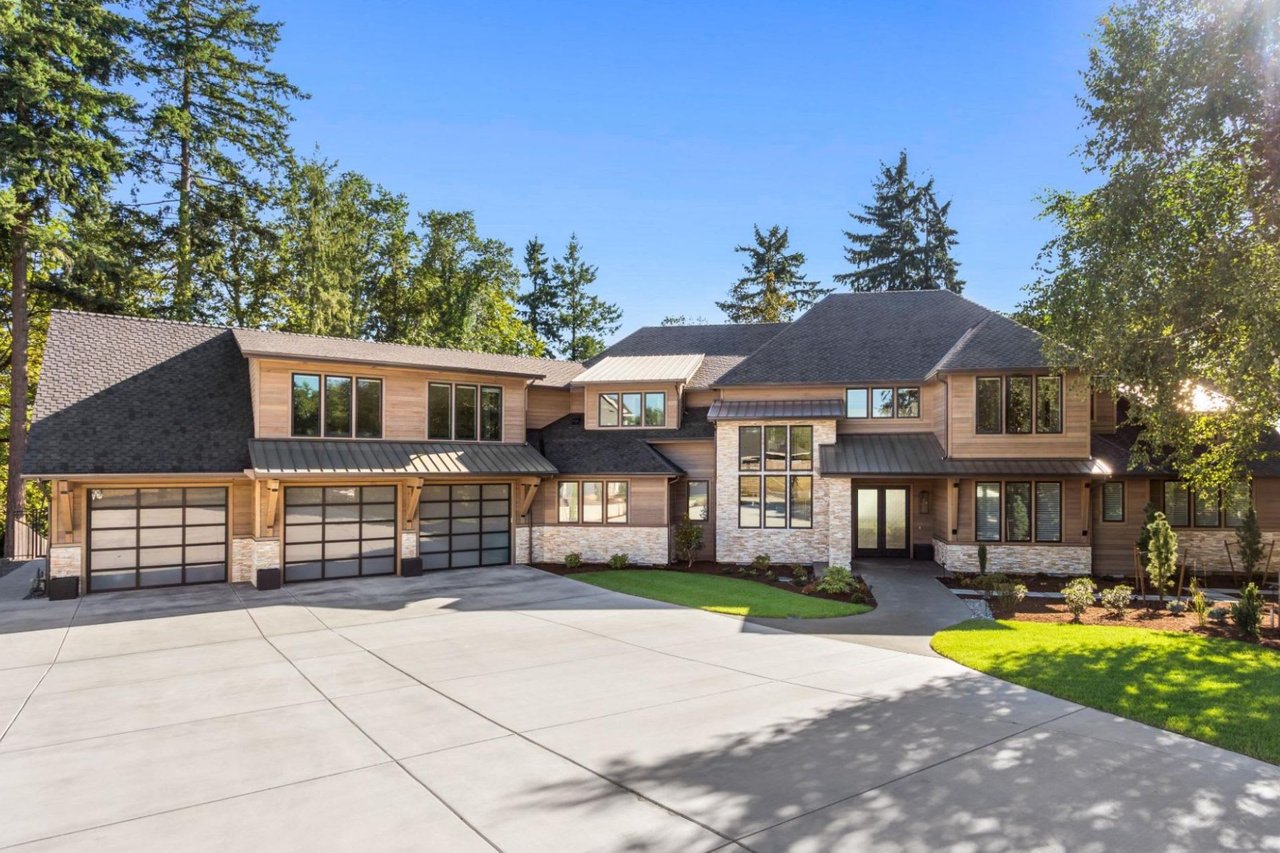
Castle Pines luxury properties vary widely by lot size, views, architecture, and amenities. Gated enclaves like Castle Pines Village and golf or amenity communities add layers such as HOA rules, architectural reviews, and showing procedures. Because no two homes are identical, your strategy should be grounded in local data instead of general averages.
Here are the specific data points to gather before you choose a path:
- Recent comparable sales and pending listings in your price tier, ideally within the last 6 to 12 months.
- Days on market and list-to-sale price ratios by tier, plus months of supply for luxury vs. the broader market.
- Active competition at key price bands, such as 800k to 1.5M, 1.5M to 3M, and 3M and above.
- Buyer profiles for the area, including local move-ups, out-of-state relocations, and second-home buyers.
- HOA and CC&R rules around signage, showings, and architectural controls.
- Local tax considerations and any transfer or community fees disclosed in public records.
When off-market fits
Off-market marketing can align with sellers who prioritize privacy, tighter control over showings, or speed when a qualified buyer is already in the network. It can also create a quieter negotiation environment.
The tradeoff is exposure. With fewer eyeballs on the property, you may miss the buyer most willing to pay a premium. Appraisals can be tougher due to fewer public comparables, and some buyers perceive reduced transparency in private sales.
Off-market advantages
- Privacy and discretion for high-profile situations.
- Control of the audience, with showings limited to pre-qualified buyers.
- Potentially faster results if a strong buyer is already known to your agent.
Off-market risks
- Reduced exposure may lower price discovery and leverage.
- Appraisal challenges for financed buyers when there are limited comps.
- MLS or brokerage rules that restrict public advertising without MLS submission.
Off-market launch checklist
- Define the private outreach list: top local brokers, vetted buyers, relocation contacts, and aligned networks.
- Require buyer vetting: proof of funds or lender pre-approval before showings.
- Prepare a private marketing packet with curated photos, floorplans, and a concise fact sheet.
- Set a tight timeline: 1 to 14 days is common before pivoting to MLS if needed.
- Confirm HOA rules for signage, access, and broker events, and decide whether an NDA is necessary. If so, use legal counsel.
- Mitigate appraisal risk with a pre-listing appraisal or a strong comparable sales dossier.
When MLS is the better path
If your top goal is price maximization, full MLS exposure usually offers stronger market-price discovery. The MLS structure encourages broker cooperation, supports transparent timelines, and often increases the chance of multiple offers.
The downsides are public visibility and higher showing traffic. For some sellers, that is a manageable tradeoff for broader reach and stronger competition among buyers.
MLS advantages
- Maximum exposure to buyers and agents.
- Easier valuation support for appraisals and lenders.
- Better odds of multiple offers and transparent bidding.
MLS considerations
- Less privacy since your address and photos are widely available.
- More frequent showings and feedback cycles.
MLS execution checklist
- Confirm the best status to start with, such as Coming Soon or Active, based on timing and rules.
- Price with precision using 3 to 5 top-tier comparables and current competition.
- Invest in presentation: professional photos, drone where allowed, floorplans, and 3D tours.
- Schedule broker tours and gather structured feedback to adjust quickly.
- Require proof of funds or pre-approval before entertaining offers.
Rules and disclosures to confirm in Colorado
- Clear cooperation policies: Many MLSs require that once a listing is publicly marketed, it must be submitted to the MLS within a set window, often 24 to 48 hours. Confirm specifics with the local MLS.
- Agency disclosures: Colorado practice requires written agency agreements that spell out representation, commission, and marketing strategy. If your listing agent also represents a buyer, you must be informed and consent in writing.
- Fair housing: All marketing, including private outreach, must comply with federal and state fair housing laws. Avoid selective or discriminatory practices.
- HOA and CC&R rules: Gated and amenity communities may limit signage or set showing rules. Review early to avoid delays.
- Confidentiality and NDAs: NDAs can protect privacy but may deter some buyers and complicate logistics. Have an attorney draft any confidentiality terms.
- Financing and appraisal: Off-market sales may face appraisal hurdles. Consider a pre-listing appraisal and prepare a comps package to support value.
A practical decision framework
Use this simple flow to protect both privacy and price potential:
- Define your top priority: price, privacy, or speed.
- Request a luxury-focused market analysis with tiered comps and active competition.
- If privacy is primary and your agent has vetted buyers, consider a short private launch of 1 to 14 days.
- If no acceptable offer emerges, pivot to MLS with a full marketing push.
- Throughout, track objective metrics and adjust quickly.
Metrics to track weekly
- Number of qualified showings and strength of buyer profiles.
- Number and quality of offers, including cash vs. financed.
- Feedback themes from buyer agents.
- Shifts in competing inventory and pricing activity.
Pricing strategy for luxury
Luxury properties do not move like entry-level homes. Overpricing can significantly extend time on market, while strategic pricing can attract multiple offers. Build your price around true comparables and current inventory, and plan for appraisal gaps with data-packed support and negotiation clarity.
What Alex brings to your sale
You deserve a strategy that balances discretion with results. With boutique, high-touch service backed by national syndication through a leading luxury platform, Alex aligns your goals with the right exposure strategy. Whether a tight private launch or a polished MLS campaign, you get disciplined pricing, premium presentation, strict buyer vetting, and negotiation designed to protect your value.
Ready to talk through your options and choose a path with confidence? Connect with Alex Rice to map your Castle Pines luxury selling strategy and timeline.
FAQs
Will an off-market sale get me the highest price in Castle Pines?
- Often not, since reduced exposure can limit bidding; outcomes depend on demand in your tier, property uniqueness, and the strength of your agent’s private network.
Are pocket listings allowed in Castle Pines and Douglas County?
- Generally yes, but MLS and brokerage rules may restrict public advertising without timely MLS submission, so confirm current clear cooperation policies before marketing.
How long should a private marketing period last before going public?
- A short window of 1 to 14 days is common to test qualified demand, with a written pivot plan to MLS if no strong offer emerges.
Can I require buyers to sign an NDA for showings?
- Yes, although NDAs can deter some buyers and add complexity, so consult legal counsel and weigh privacy benefits against potential friction.
Will a private sale create appraisal issues for financed buyers?
- It can, because fewer public comps make valuation harder; consider a pre-listing appraisal and prepare a robust comps package for the appraiser.
Does listing on or off the MLS change my tax treatment?
- No, MLS status does not affect tax consequences of a sale, but you should speak with your tax advisor about any capital gains impacts.
What if I need discretion due to a sensitive situation?
- Off-market can help manage privacy and showings, and you can set a defined deadline to pivot to MLS if a qualified private buyer does not materialize.