Thinking about a duplex or small multifamily in Englewood but not sure where to start? You are not alone. Between local zoning, rents, permits, and financing rules, it can feel like a moving target. This guide gives you a clear, Englewood‑specific process to evaluate 2 to 4 unit properties, model the numbers, and plan next steps with confidence. Let’s dive in.
Why Englewood for small multis
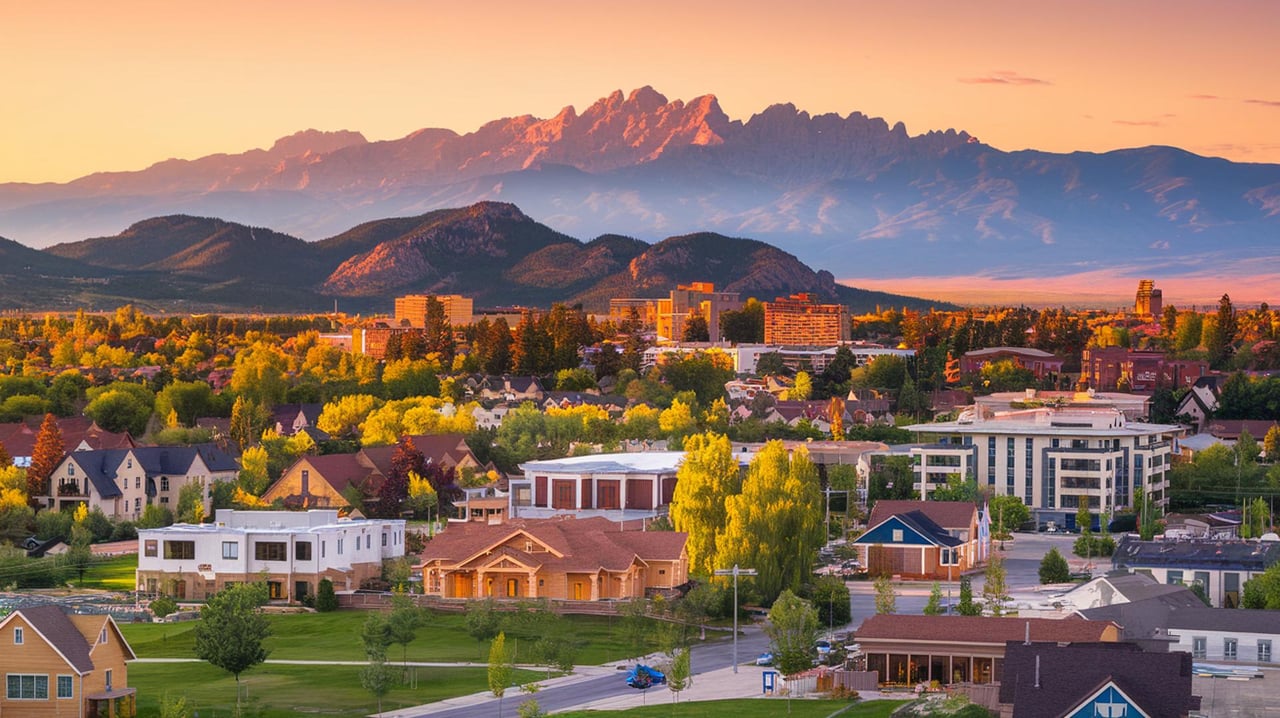
Englewood offers in‑demand locations near South Broadway, quick I‑25 access, and RTD light rail connections into Denver, which helps support steady renter interest. Market trackers recently showed median home values in the mid 500s to low 600s as of early 2026, depending on methodology and timing. Average apartment rent sits near $1,865 per month in early 2026, which is a useful anchor when you estimate duplex half or small 1 to 2 bed unit rents. See current benchmarks on the RentCafe Englewood trends page for context: average apartment rents in Englewood.
Englewood’s size and income mix also matter. The city’s population is roughly 33,000 to 34,000, with a balanced owner and renter base. That supports both long‑term holds and live‑in “house‑hack” strategies where you occupy one unit and rent the others. You can explore baseline demographics on Census Reporter’s Englewood profile.
Step 1: Define your play and find targets
Before you tour anything, get clear on your strategy: live‑in house‑hack, pure buy‑and‑hold, or light value‑add. Each path comes with different financing options, underwriting stress tests, and timeline expectations.
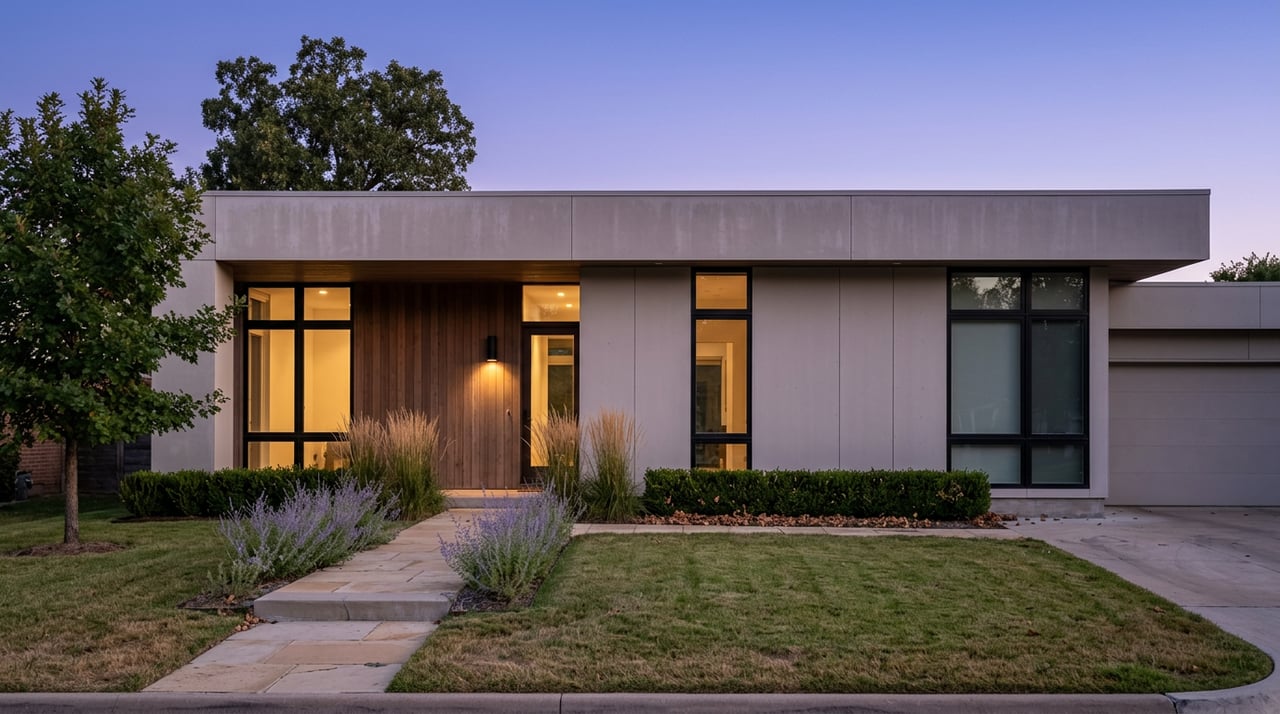
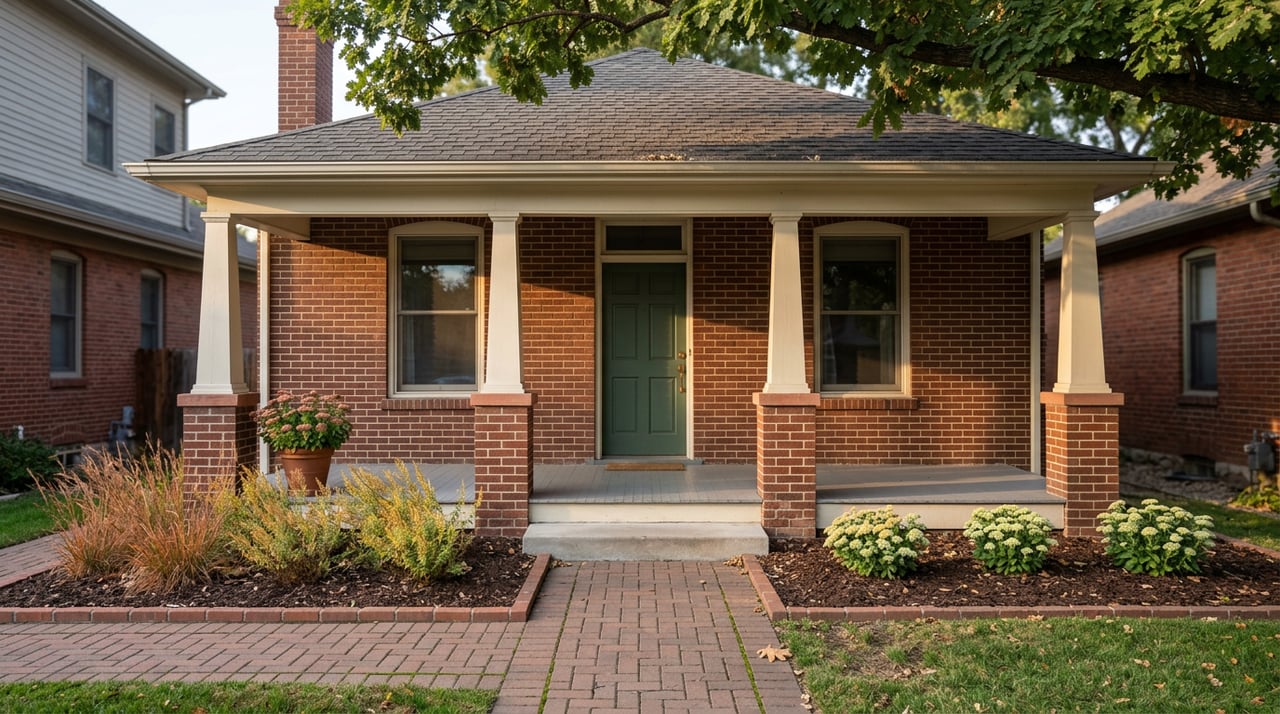
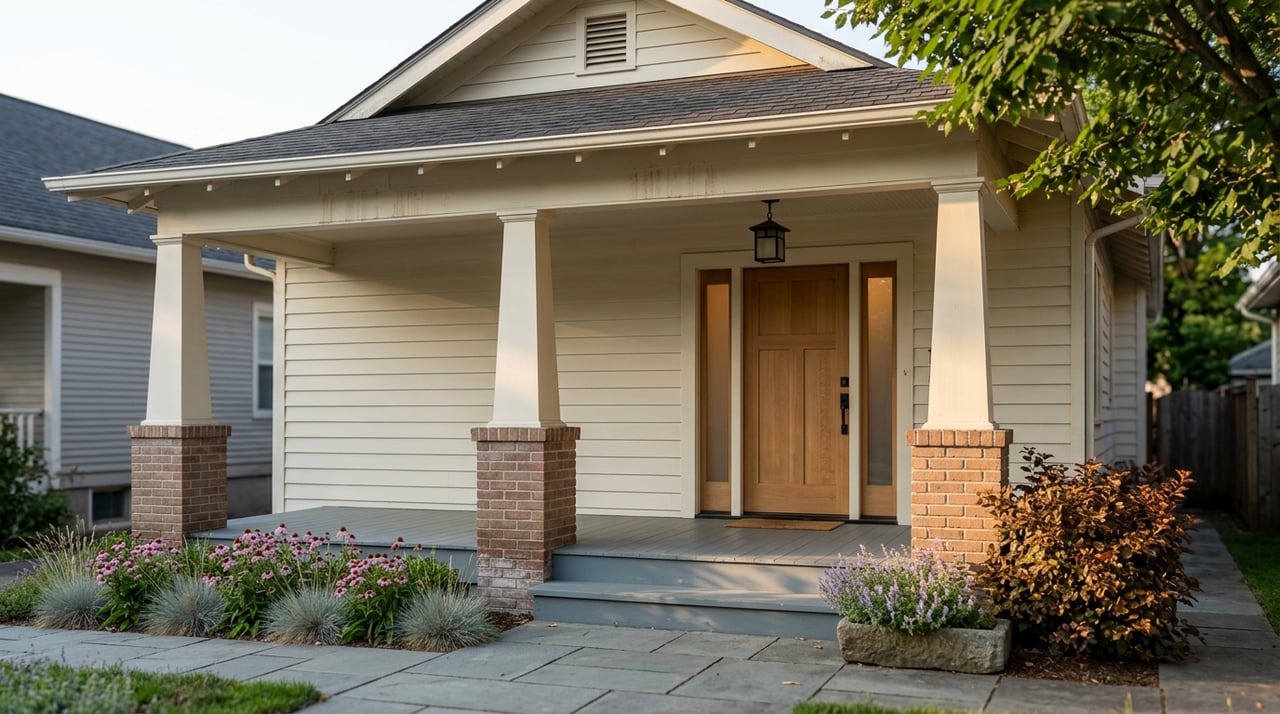
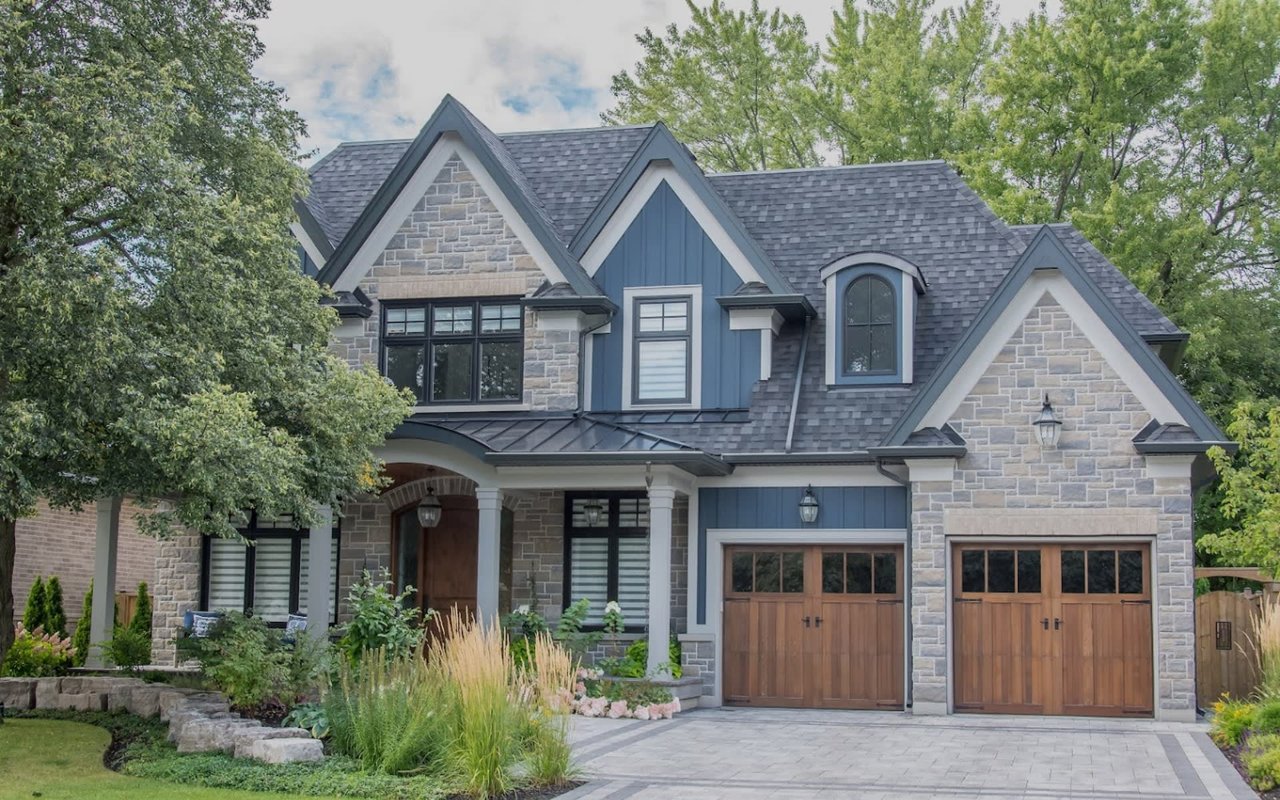
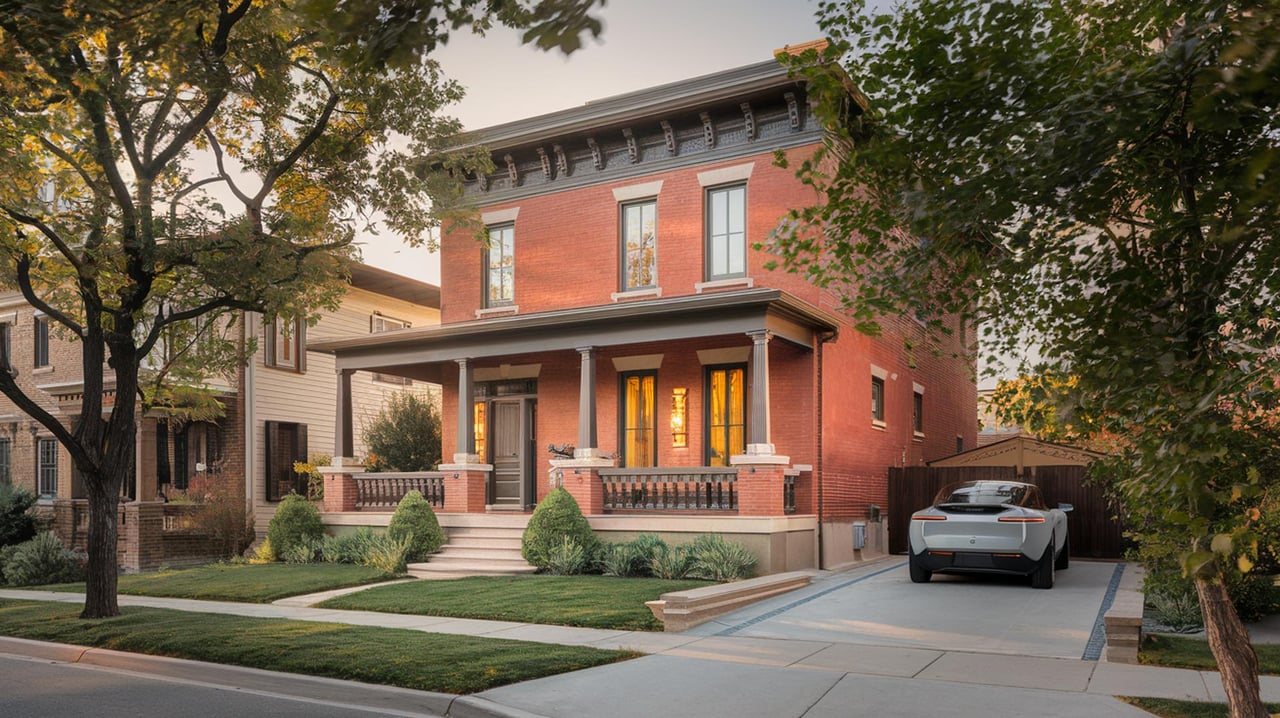
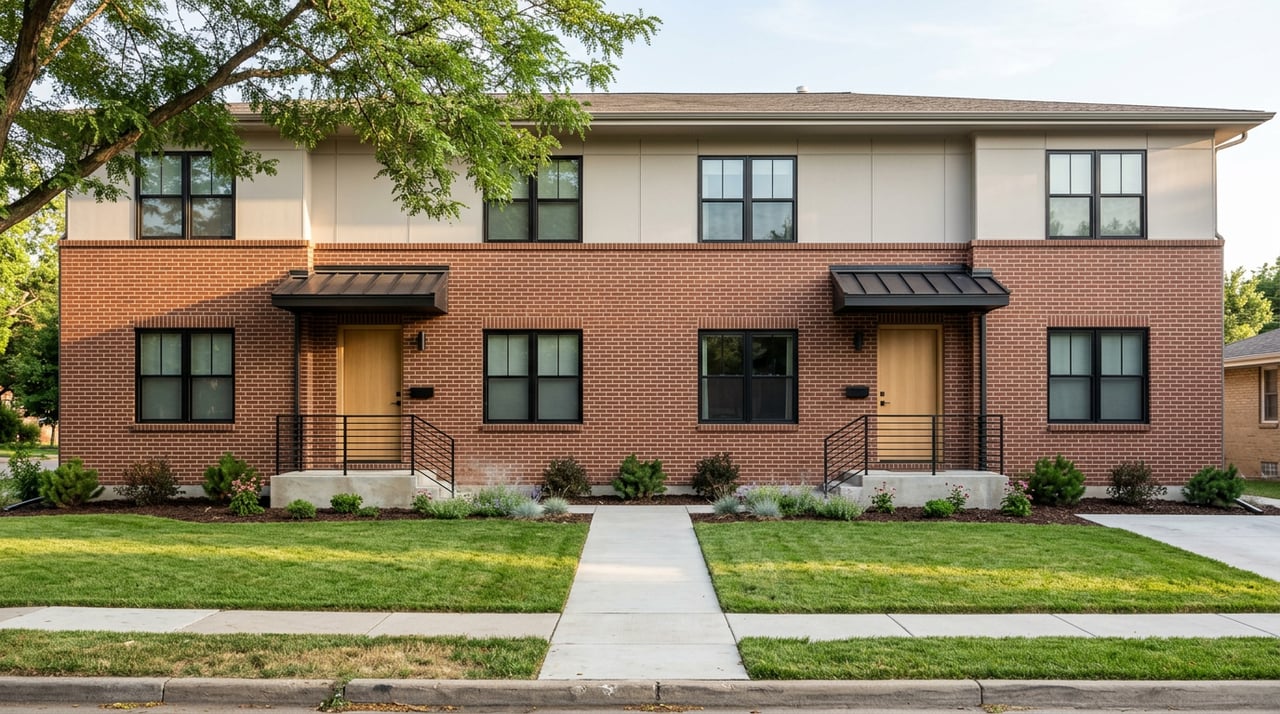
Englewood has a mix of detached duplexes, converted two‑unit homes, and scattered triplexes and fourplexes. In 2023 the city adopted a new Unified Development Code known as CodeNext. It updated standards for small‑lot housing and ADUs, but it did not automatically rezone every parcel. When you evaluate an address, confirm what the lot allows today, and whether any existing second units are legally permitted. Start with the city’s project page for context on what changed: Englewood CodeNext overview.
Quick search signals
- Look for properties with separate utility meters and private entries. This can simplify leasing and expense allocation.
- Favor locations walkable to South Broadway or near transit and employment nodes. It helps with renter demand and retention.
- Watch for listings that mention unpermitted units or prior conversions. Plan extra diligence with the city before you write an offer.
Step 2: Underwrite the numbers the right way
Your goal is a clean, repeatable model you can re‑use on each property. Build these steps into your spreadsheet.
Core metrics to calculate
- Gross Scheduled Rent: Add up realistic market rent for each unit. Use recent comps and current listings for 1 to 2 bed units as your closest analogs. Cross‑check with benchmarks like RentCafe’s Englewood averages.
- Vacancy: Use a documented factor. The Denver area has seen new deliveries and shifting vacancy. A 5 to 10 percent assumption is common depending on location and asset condition. For regional context on vacancy and cap rates, see the Matthews Denver multifamily market report.
- Operating Expenses: Include property taxes, insurance, utilities you pay, repairs and maintenance, landscaping and snow, trash, marketing and turnover, and management. For taxes, pull the parcel’s assessment and mill levy from county records. The Arapahoe County Treasurer explains how to find and understand bills here: Arapahoe County Treasurer resources.
- Reserves: Set aside annual capital reserves per unit for big‑ticket systems like roofs, HVAC, and plumbing. In older buildings or conversions, budget conservatively and add a contingency. Local remodel resources show how quickly scopes add up; see regional cost context and planning tips with this renovation guide.
- Net Operating Income (NOI): Effective Gross Income minus Operating Expenses.
- Cap Rate: NOI divided by purchase price. Compare to recent small multi sales, not just large apartment buildings.
- Cash‑on‑Cash and DSCR: Model financing to measure returns and lender coverage.
Default inputs you can refine
- Vacancy: Start at 7 to 8 percent and adjust based on comps and asset quality.
- Management: If you self‑manage, you can input zero. Still model a management line so you know the asset’s performance if you later outsource it.
- Utilities: If units are separately metered, owner utility costs may drop. If not, estimate water, sewer, and trash and consider bill‑back options if allowed by lease and law.
Step 3: Finance it to match your plan
Owner‑occupied and investor loans work very differently on 2 to 4 unit properties. Align your financing to your strategy and ask lenders for written scenarios before you go under contract.
- FHA for 2 to 4 units: Low down payment for owner‑occupants. For 3 to 4 units, FHA requires a self‑sufficiency test and reserves. See HUD’s guidance on the 3 to 4 unit self‑sufficiency test here: HUD FHA reference. Your lender will apply current rules and overlays.
- Conventional (Fannie Mae): Industry reporting highlights a 5 percent down option for owner‑occupied 2 to 4 unit homes, which has been a meaningful change for house‑hackers. Product availability and reserves vary by lender. Read an overview here: Fannie Mae 2 to 4 unit 5 percent down.
- VA: Eligible veterans can use VA financing on 2 to 4 units with owner occupancy. Confirm specifics with your lender.
- DSCR/non‑QM: For pure investments, DSCR loans underwrite the property’s cash flow rather than your W‑2 income. Compare rates, fees, and prepayment terms with a local mortgage pro.
Step 4: Inspect, permits, and plan your rehab
Englewood is clear about what work requires permits. Mechanical, electrical, plumbing, structural changes, window replacements, and HVAC and water heaters often need permits and inspections. Build permit time and inspection scheduling into your pro forma and closing plan. Start with the city’s summary here: Englewood Building Division permit guide.
If the building predates 1978, the federal EPA Renovation, Repair and Painting rule applies. Contractors disturbing painted surfaces must be EPA‑certified and follow lead‑safe practices. That can influence bids and timelines. Learn more at the EPA RRP rule page.
Rehab planning checklist
- Scope: Prioritize safety, building systems, and waterproofing before finishes.
- Permits: Confirm needed permits with the Building Division and factor plan review lead times. Expect several weeks for permitting and inspections.
- Contractors: Verify license and insurance, get multiple written bids, and request references. For pre‑1978 work, confirm EPA RRP certification.
- Contingency: Add 10 to 20 percent to your rehab budget, especially for older conversions.
Worked example 1: Duplex house‑hack
Assumptions for illustration only. Replace with address‑specific comps, county taxes, and vendor quotes.
- Purchase price: $600,000
- Units: Two 2 bed, 1 bath
- Market rent per unit: $1,900 per month (benchmarked against the Englewood average apartment rent)
Income
- Gross Scheduled Rent: $3,800 per month, $45,600 per year
- Vacancy at 8 percent: $3,648 per year
- Effective Gross Income: $41,952 per year
Operating expenses (illustrative)
- Property taxes: $3,500 per year (pull actual from Arapahoe County Treasurer)
- Insurance: $2,000
- Water/sewer/trash: $2,400
- Repairs and maintenance: $2,000
- Landscaping/snow: $600
- Management: $0 if self‑managed
- Capital reserves: $2,000
- Total Operating Expenses: $12,500 per year
Results
- NOI: $41,952 minus $12,500 equals $29,452
- Cap rate: $29,452 divided by $600,000 equals 4.9 percent
House‑hack view
- If you live in one unit, you collect rent on the other side. After 8 percent vacancy and a proportional share of expenses, your tenant’s net contribution can offset a large portion of your monthly payment. Ask your lender for an FHA or conventional owner‑occupied scenario and line it up against the after‑vacancy rent to estimate your out‑of‑pocket housing cost.
Worked example 2: 4‑unit light value‑add
Assumptions for illustration only. Replace with verified rents, taxes, and bids.
- Purchase price: $950,000
- Units: Four 1 bed, 1 bath
- As‑is market rent per unit: $1,750 per month
As‑is income and expenses
- Gross Scheduled Rent: $7,000 per month, $84,000 per year
- Vacancy at 8 percent: $6,720 per year
- Effective Gross Income: $77,280 per year
Operating expenses (illustrative)
- Property taxes: $6,000
- Insurance: $3,000
- Water/sewer/trash: $5,000
- Repairs and maintenance: $4,000
- Landscaping/snow: $1,200
- Management: 8 percent of EGI, about $6,182
- Capital reserves: $4,000
- Total Operating Expenses: $29,382 per year
Results
- NOI: $77,280 minus $29,382 equals $47,898
- Cap rate: $47,898 divided by $950,000 equals 5.0 percent
Light value‑add plan
- Scope: Paint, flooring, lighting, appliance refresh, minor bath updates. Confirm permit triggers with the Englewood Building Division and target a 10 to 20 percent contingency. For older buildings, plan for system checks and possible RRP compliance under the EPA lead‑safe rules.
- Budget: $80,000 total across four units.
- Target rents after refresh: $1,950 per unit.
Stabilized projection
- Gross Scheduled Rent: $7,800 per month, $93,600 per year
- Vacancy at 8 percent: $7,488 per year
- Effective Gross Income: $86,112 per year
- Management at 8 percent of EGI: $6,889 (other expenses held flat for illustration)
- Projected NOI: About $56,700 per year
Value view
- If small multis in Englewood trade near the mid 5 percent cap range, a stabilized NOI of about $56,700 suggests an indicated value near $1,030,000 at a 5.5 percent cap. Always verify with recent small multi comps and a local broker opinion. For regional context on where cap rates have been, see the Matthews Denver multifamily report.
Zoning and legal unit check
Unit legality and zoning are parcel‑specific. CodeNext updated standards but did not convert every lot overnight. Before you close, ask the city to confirm permitted use, unit count, setbacks, and parking for your address. Start with the CodeNext overview and follow up with Community Development and the Building Division.
Exit strategies and timing
- Hold for cash flow: Stabilize rents and operate. Watch expense trends and lease renewals.
- Refinance: After rent stabilization and rehab, a cash‑out refinance can return some capital if value supports it.
- Sell to an owner‑occupant: Duplexes often appeal to buyers who want to live in one side.
- Value‑add flip: Update and sell. Confirm permit needs and resale comps.
- 1031 exchange: Consider a tax‑deferred trade. Coordinate early with your CPA and accommodator.
Risks to underwrite upfront
- Rent assumptions: Anchor to actual comps and current listings, not just averages.
- Vacancy and cap rate shifts: The Denver region has seen changing vacancy and pricing. Stress‑test at multiple vacancy and cap rate cases using the Matthews report for context.
- Permits and timelines: Many scopes require permits. Plan the schedule using the Englewood permit guide.
- Taxes and insurance: Check parcel‑level taxes and request multiple insurance quotes. Use the Arapahoe County Treasurer to pull exact tax data.
- Financing rules: FHA self‑sufficiency testing and conventional reserve rules can change. Confirm with your lender using HUD guidance and current lender overlays.
Ready to evaluate a specific Englewood duplex or fourplex and tailor the numbers to your plan? Get local comps, zoning answers, and a clean underwriting model with a consult from Alex Rice.
FAQs
What is a good vacancy rate to use for Englewood small multis?
- Start with 5 to 10 percent based on location and asset condition, and stress‑test multiple cases using regional context from the Matthews Denver multifamily report.
How do you confirm a duplex’s legal unit count in Englewood?
- Check parcel zoning and permitted use with Community Development, review any prior permits, and verify with the Englewood Building Division before you waive contingencies.
Which permits are usually required for duplex renovations in Englewood?
- Electrical, plumbing, HVAC, water heaters, structural changes, and window replacements typically require permits and inspections; confirm scope specifics with the city using the permit guide.
Can you buy a 2 to 4 unit in Englewood with a low down payment?
- Yes, if you will occupy a unit. FHA and certain conventional options allow low down payments, but 3 to 4 unit FHA loans must pass a self‑sufficiency test; see HUD’s guidance and confirm details with your lender.
What should you budget for renovations on older Englewood duplexes?
- Costs vary widely by scope and age; use multiple written bids, plan a 10 to 20 percent contingency, and review regional cost context such as this Denver‑area remodel guide; follow the EPA RRP rule if the building predates 1978.