If your perfect evening includes a quick trail run before dinner or an early paddle at sunrise, you are probably deciding between Lakewood and central Denver. Both offer outdoor access, but they deliver it in very different ways. This guide compares trails, parks, commutes, and housing patterns so you can match your lifestyle to the right location. By the end, you’ll know where you can get outside fastest and what kind of home supports your gear and routines. Let’s dive in.
Quick take: who fits where
- Lakewood favors you if you want fast foothills access, frequent singletrack, and a home with a garage or yard for bikes, skis, and kayaks.
- Central Denver fits if you want daily paved-trail runs and bike commutes, quick walks to parks, and easy access to dining and culture.
Outdoor access comparison
Lakewood foothills and regional parks
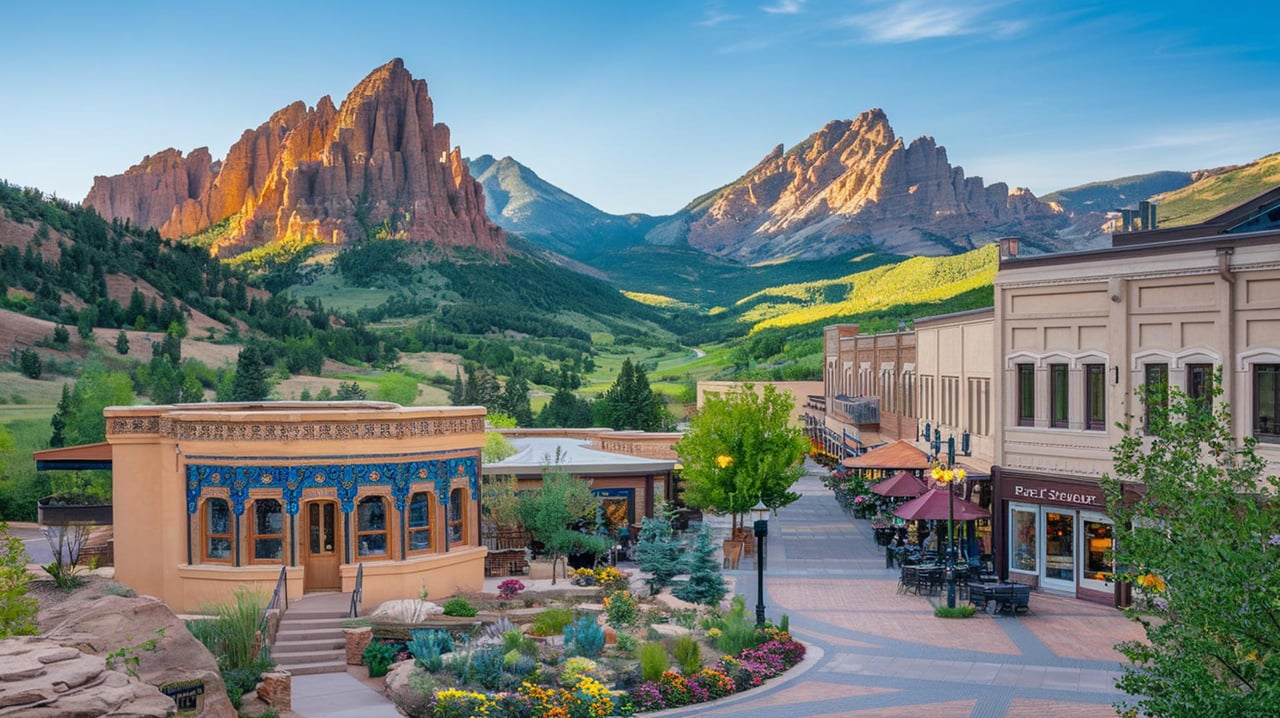
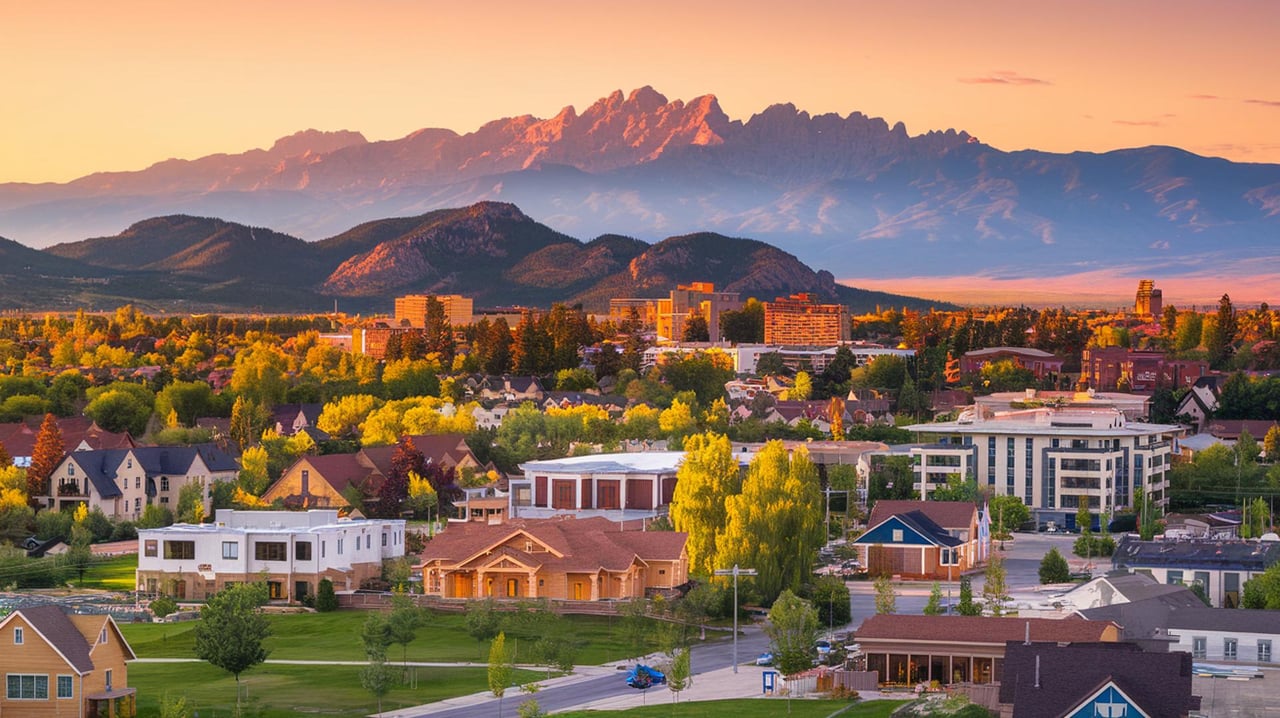
In Lakewood, large open spaces sit right at the metro’s edge. You can spend weekends on the lake or singletrack without leaving the city limits. Bear Creek Lake Park offers miles of trails, boating and fishing, a swim beach, and camping. For true foothills vibes, William F. Hayden Park on Green Mountain packs summit climbs, ridgeline views, and a broad network for hiking, trail running, and mountain biking.
Just west, you’ll find a cluster of iconic trailheads. The Red Rocks trails and nearby Jefferson County open spaces are usually about a 10 to 20 minute drive from much of Lakewood, depending on your neighborhood and traffic. That range makes quick evening rides or sunrise hikes realistic several times a week.
Central Denver parks and paved trails
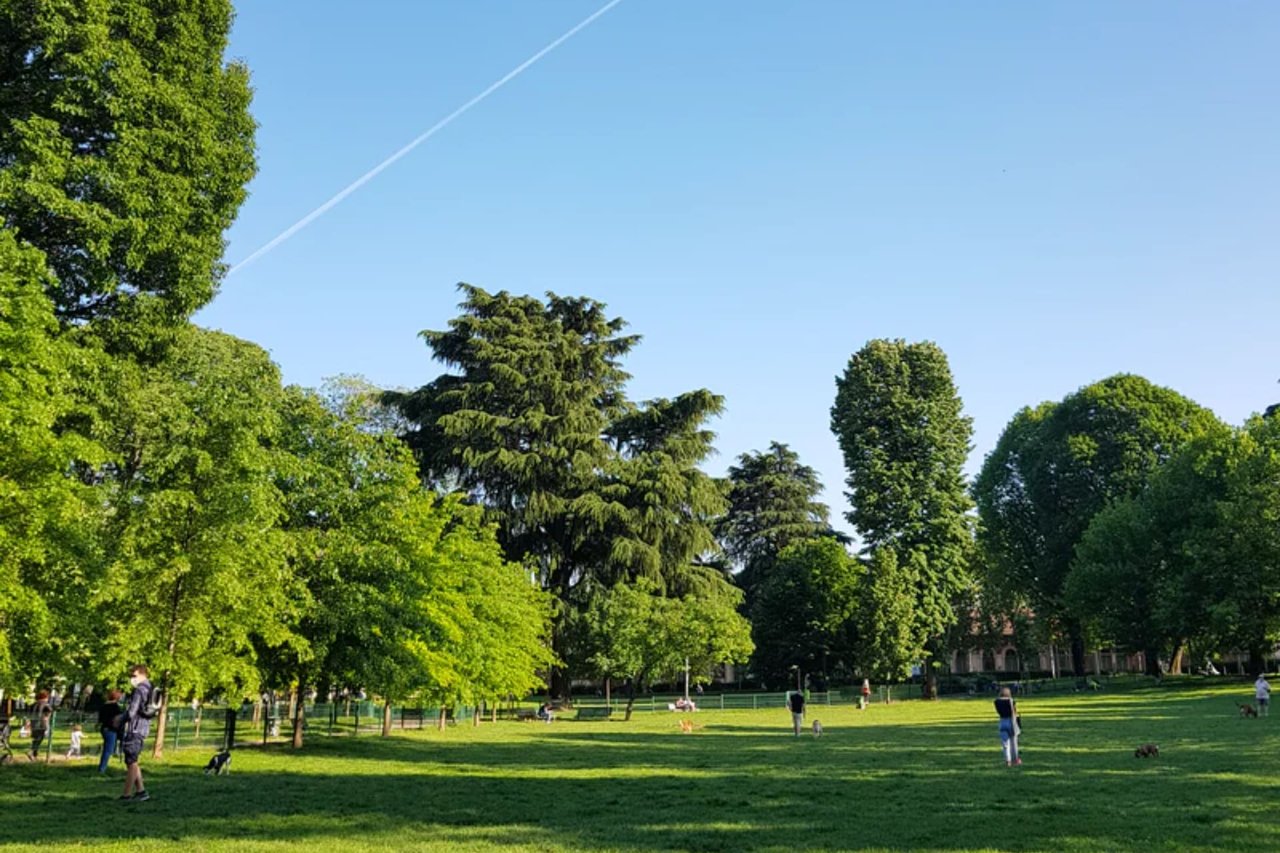
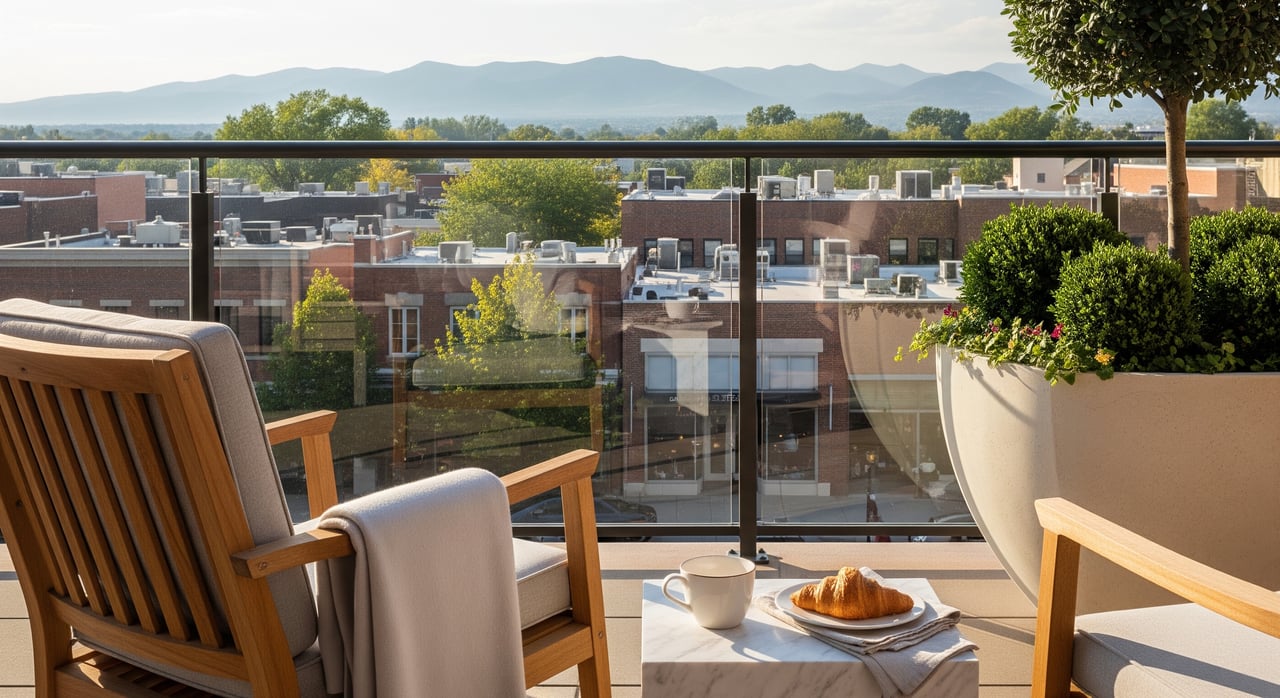
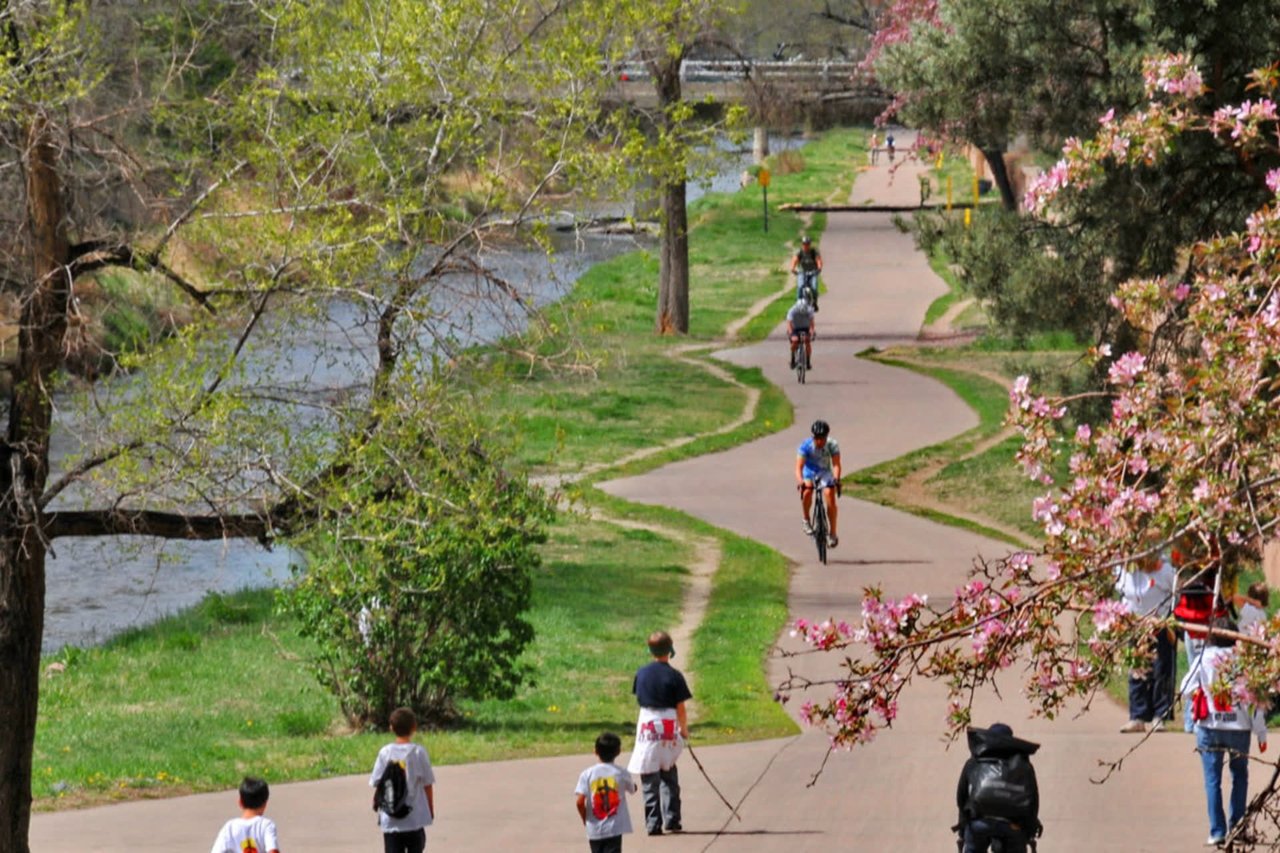
Central neighborhoods trade immediate foothills access for an unmatched paved-trail network and big in-city parks. Denver’s 90-plus miles of paved multi-use trails include the Cherry Creek Trail and South Platte River paths, which make daily running, bike commuting, and long recreational rides easy without a car. Signature parks like City Park, Washington Park, Cheesman Park, and Sloan’s Lake create a reliable daily routine: loops, lake views, and quick workouts before or after work.
Expect fewer singletrack options out your door. Most foothills trailheads are a short drive away from central Denver, often in the 25 to 40 minute range in normal traffic.
Shared foothills within reach
Whether you live in Lakewood or central Denver, you’ll likely visit the same west-side gems: Red Rocks, Mount Falcon, Matthews/Winters, North Table Mountain, and Lookout Mountain. From Lakewood, many of these sit about 10 to 20 minutes away. From downtown or nearby central neighborhoods, plan for roughly 25 to 40 minutes depending on time of day and your exact starting point.
Commute and mobility tradeoffs
Average commute context
At the city level, mean one-way commute times are similar: about 25.5 minutes in Lakewood and about 24.9 minutes in Denver. Your door-to-door reality will depend on your neighborhood, job location, and peak-hour patterns. If your work sits downtown or in the central corridor, living closer often saves time. If you split days between the city and the foothills, Lakewood reduces weekend and pre-work mountain drives.
Transit and park-and-ride options
Lakewood benefits from the RTD W Line, with stations at Lakewood–Wadsworth, Lamar, Garrison, Oak, and Federal Center. Park-and-ride access makes a mixed commute realistic: drive or bike to the station, ride to Union Station, and skip daily downtown parking. In central neighborhoods, shorter intra-city trips and multiple bus and rail options make car-light living more feasible.
Active commuting on two wheels
Central Denver’s dense grid and trail system support year-round bike commuting. You can link neighborhood streets to the Cherry Creek or South Platte trails for a low-stress ride to many central jobs. In Lakewood, many areas are bikeable, and riding to Green Mountain or Bear Creek is a major perk. For most mountain-style recreation, you will still drive to reach trailheads quickly.
Homes and lifestyle patterns
Housing types and storage needs
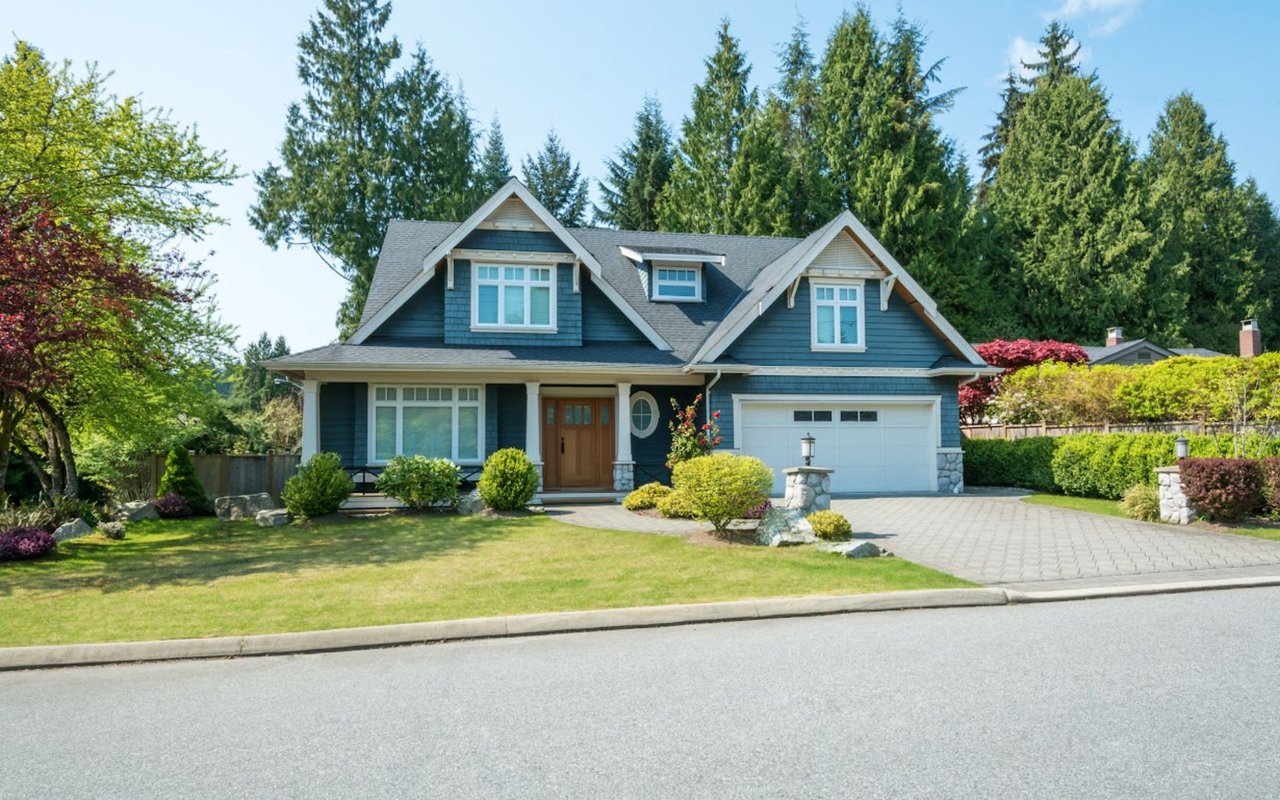
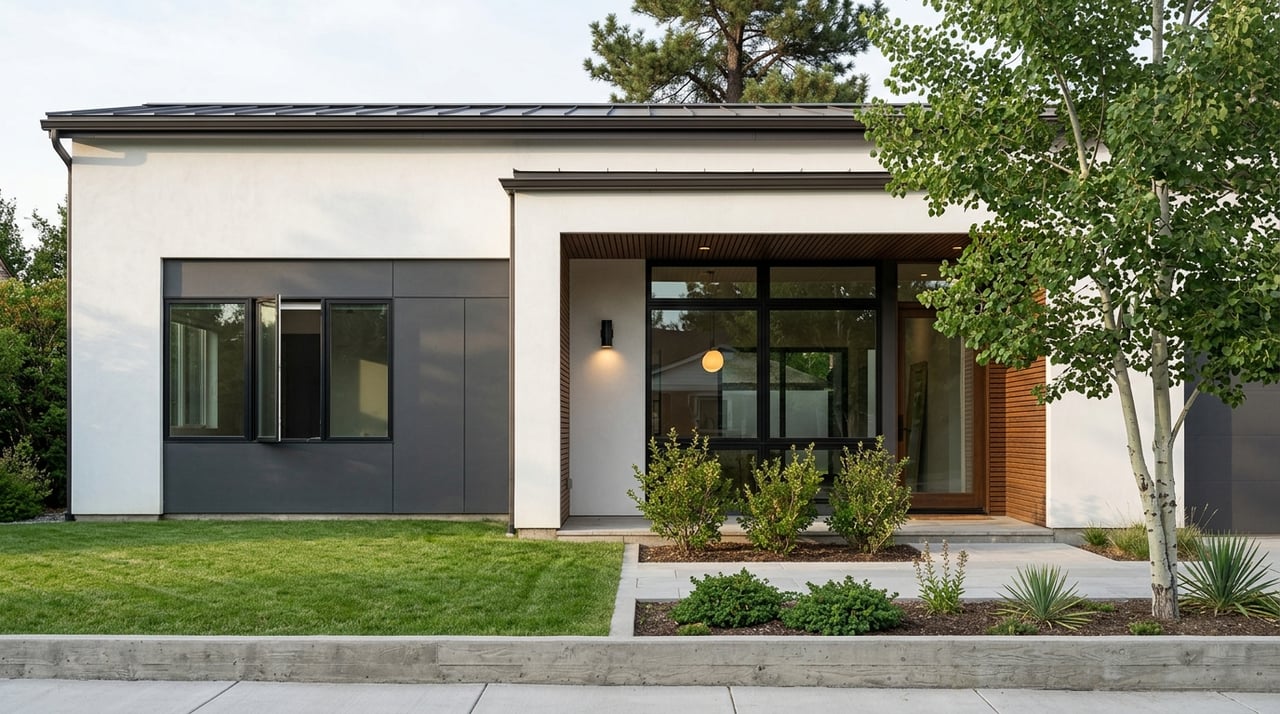
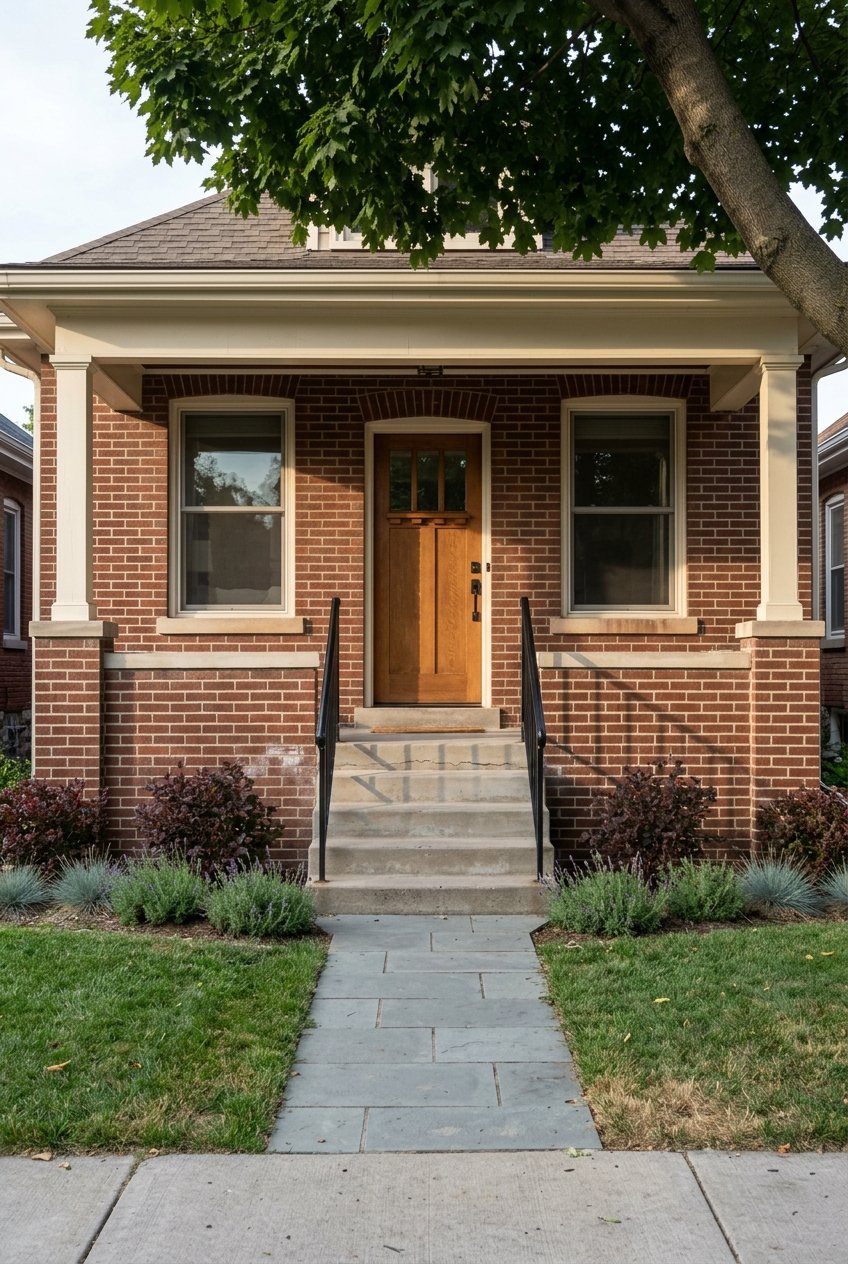
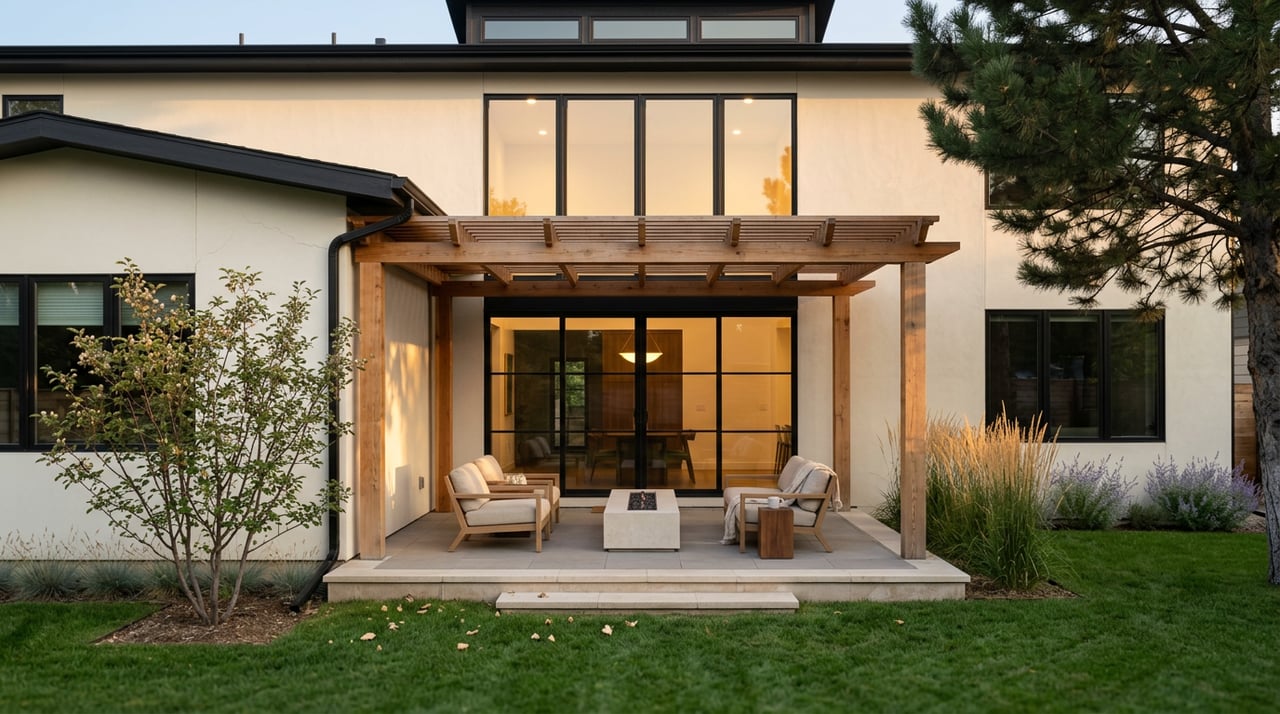
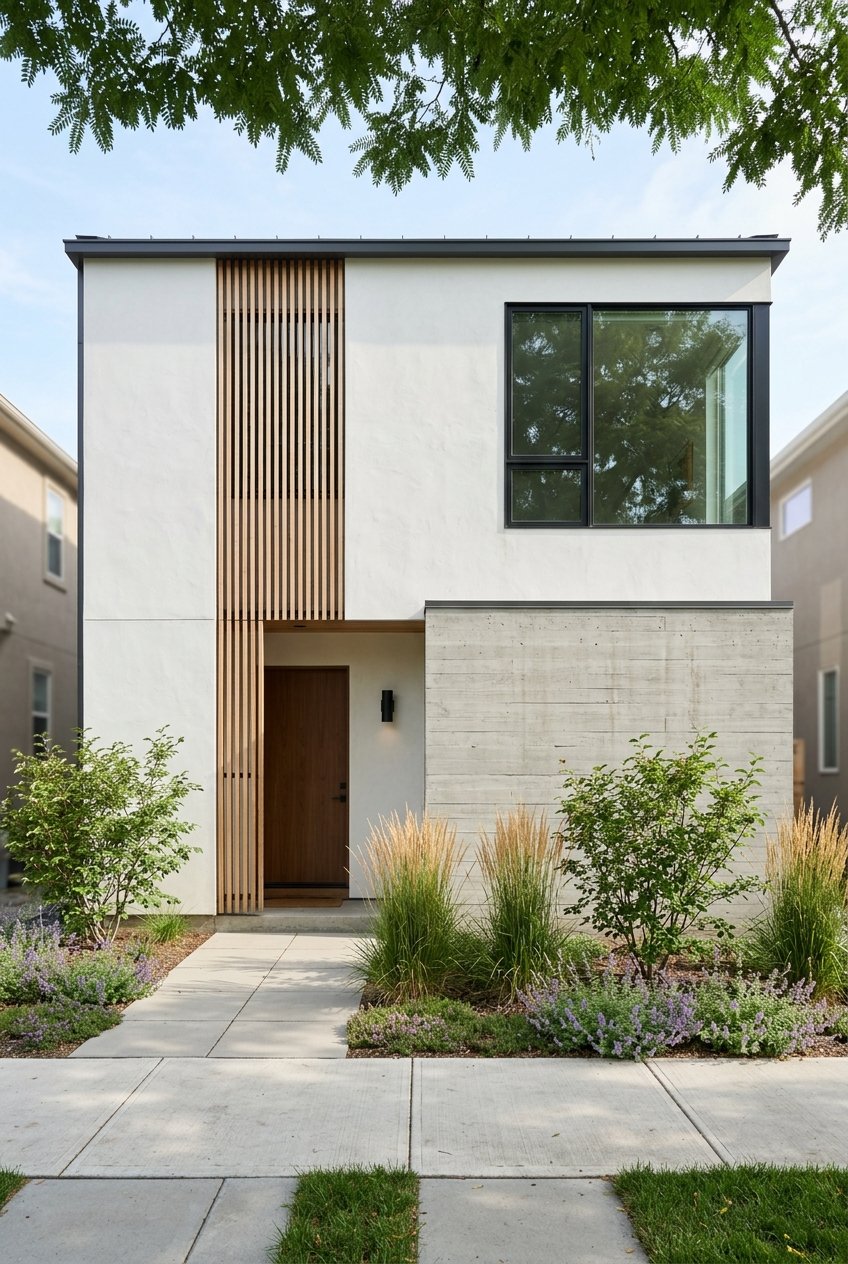
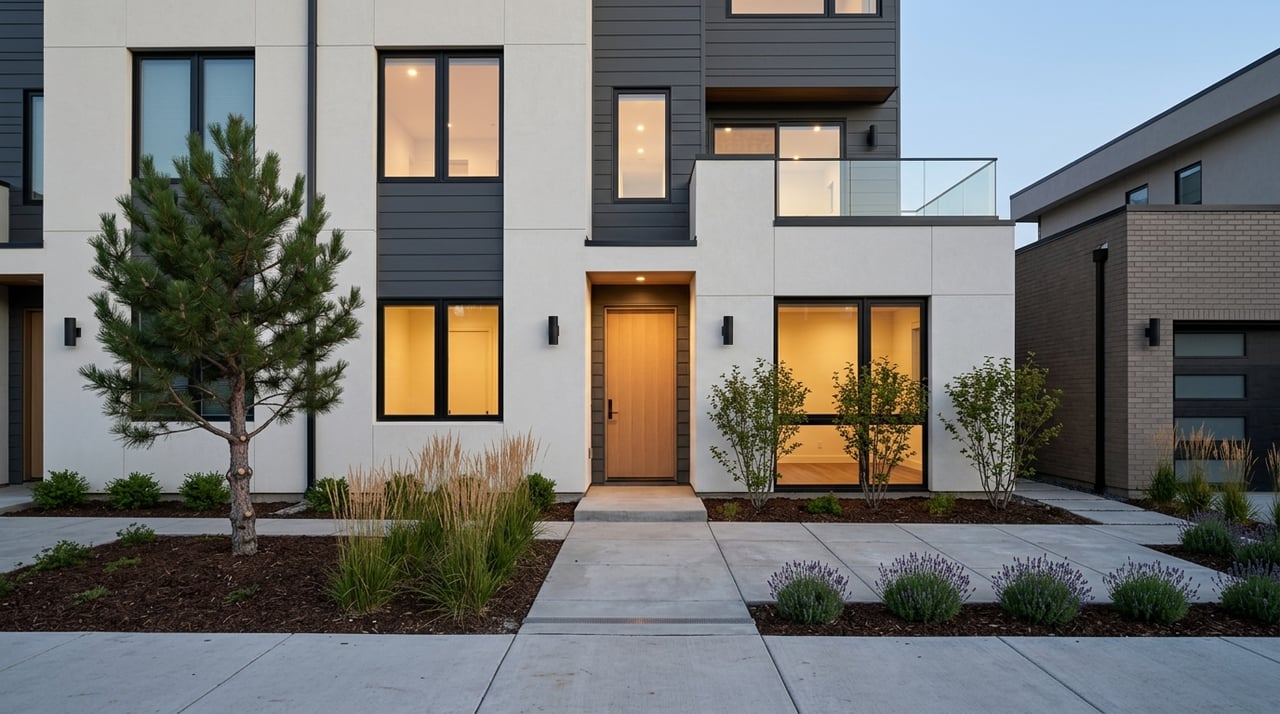
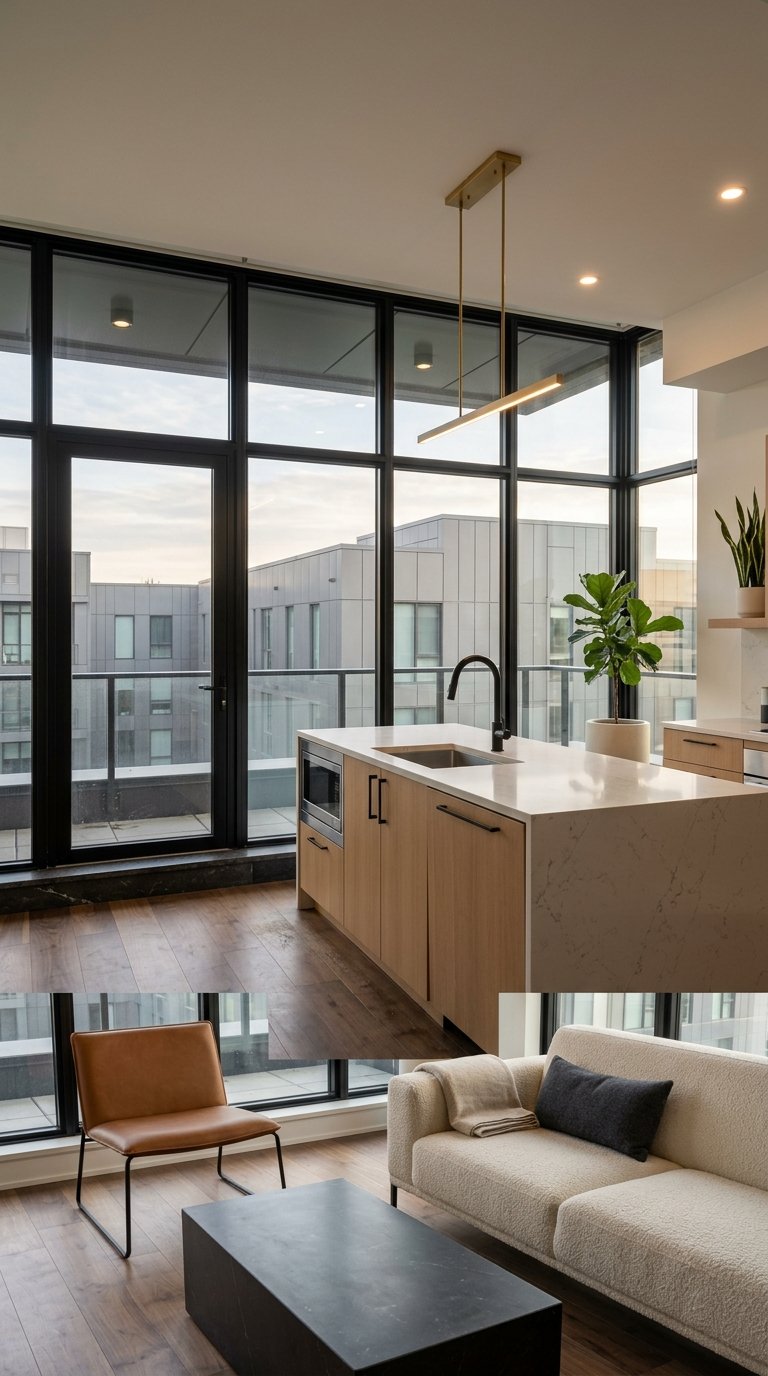
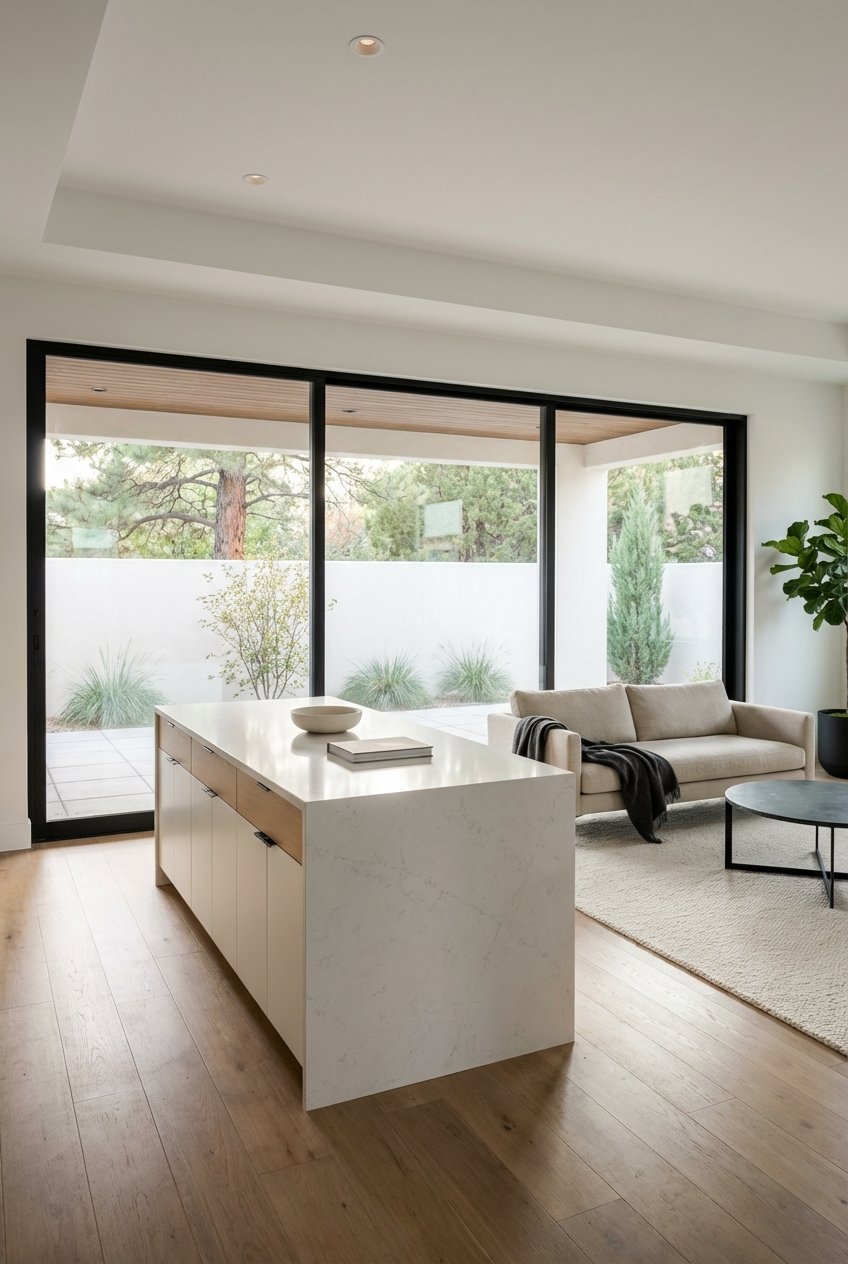
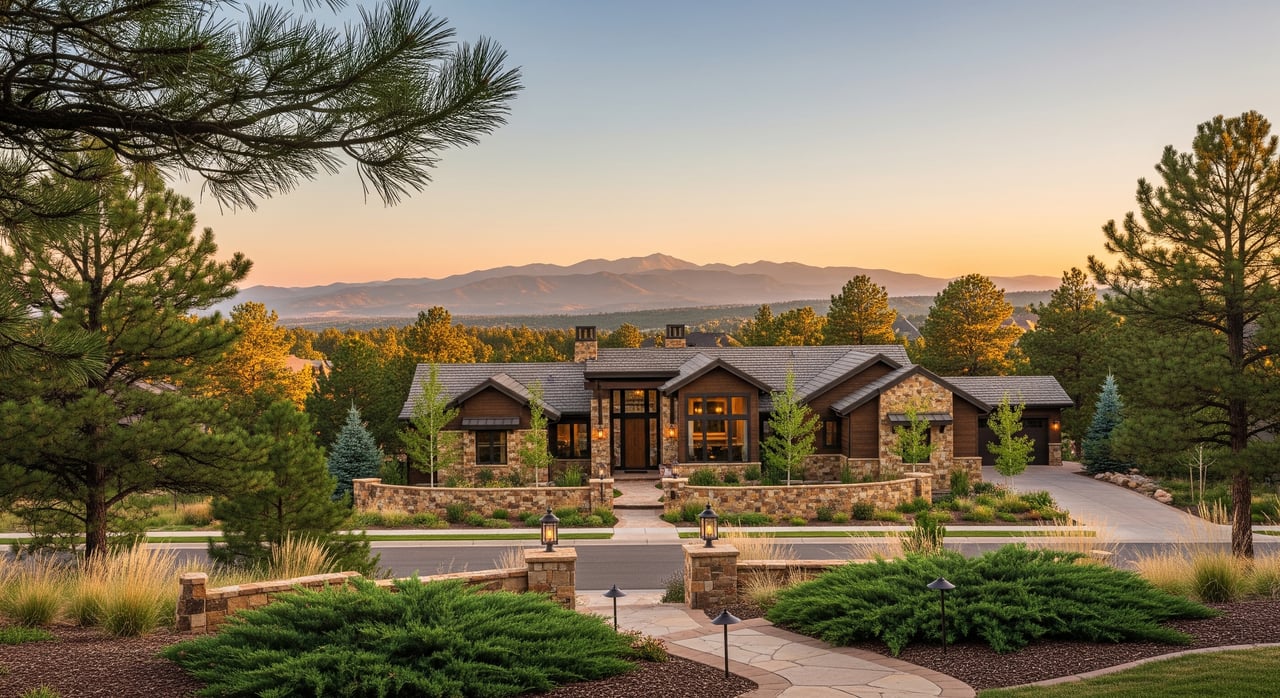
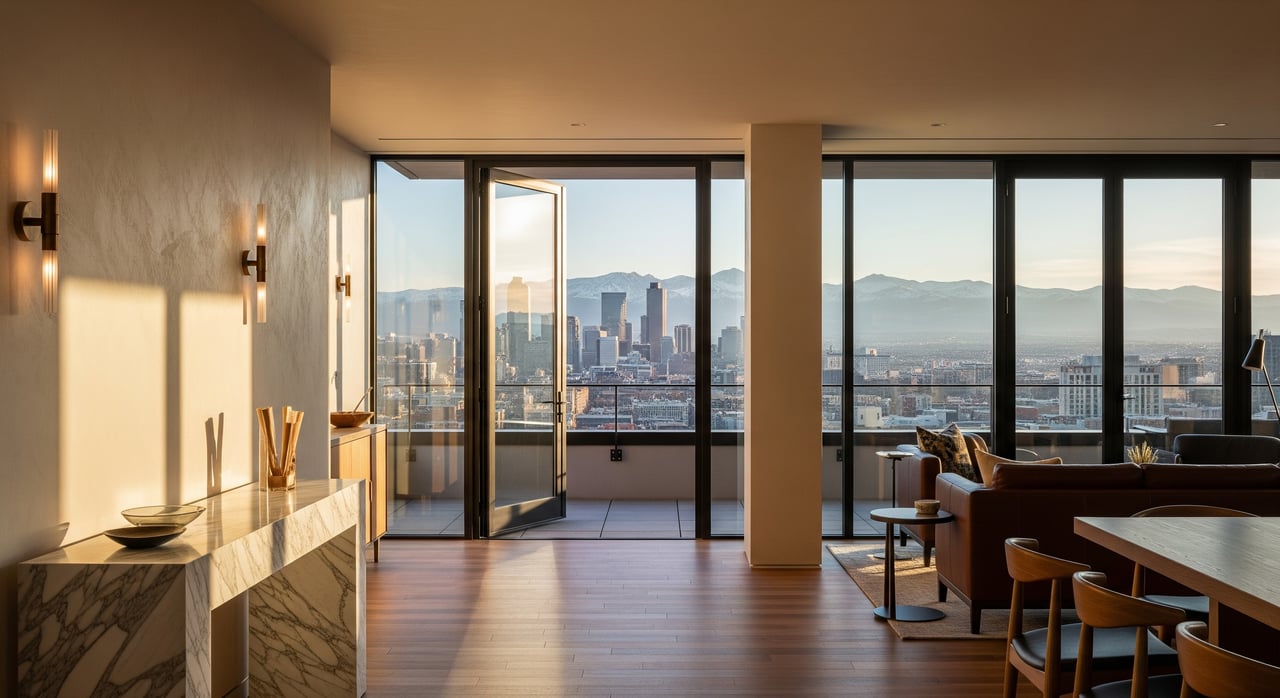
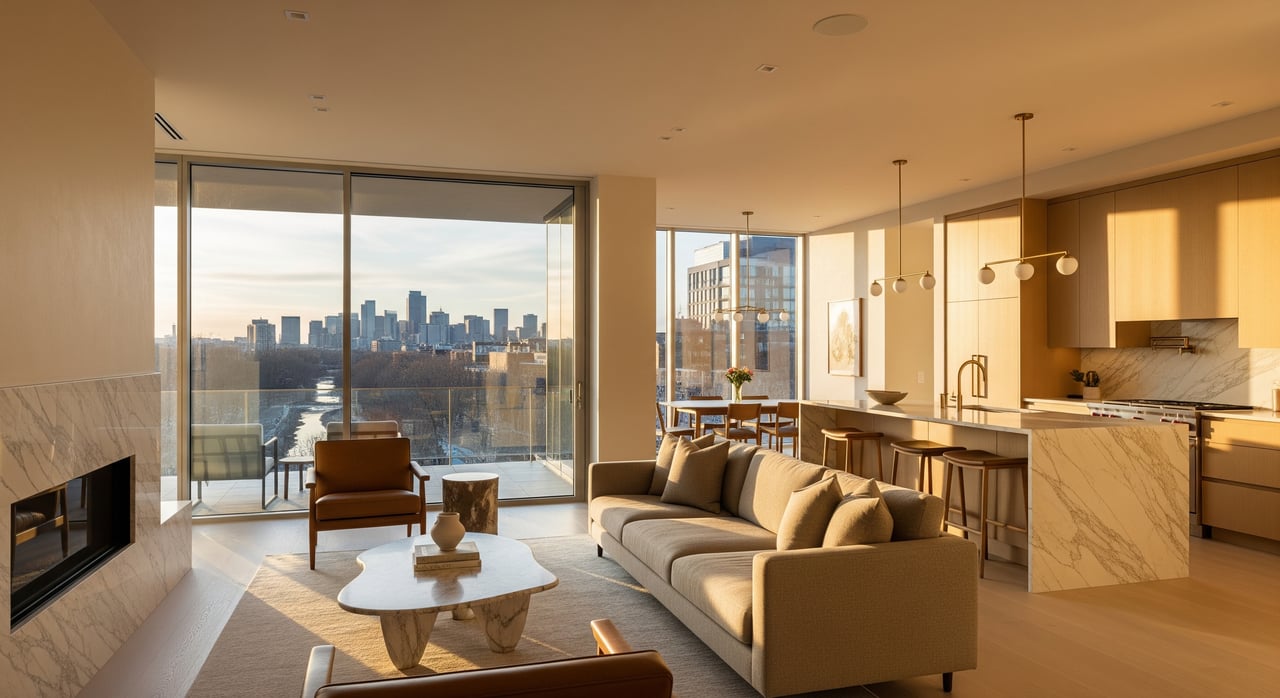
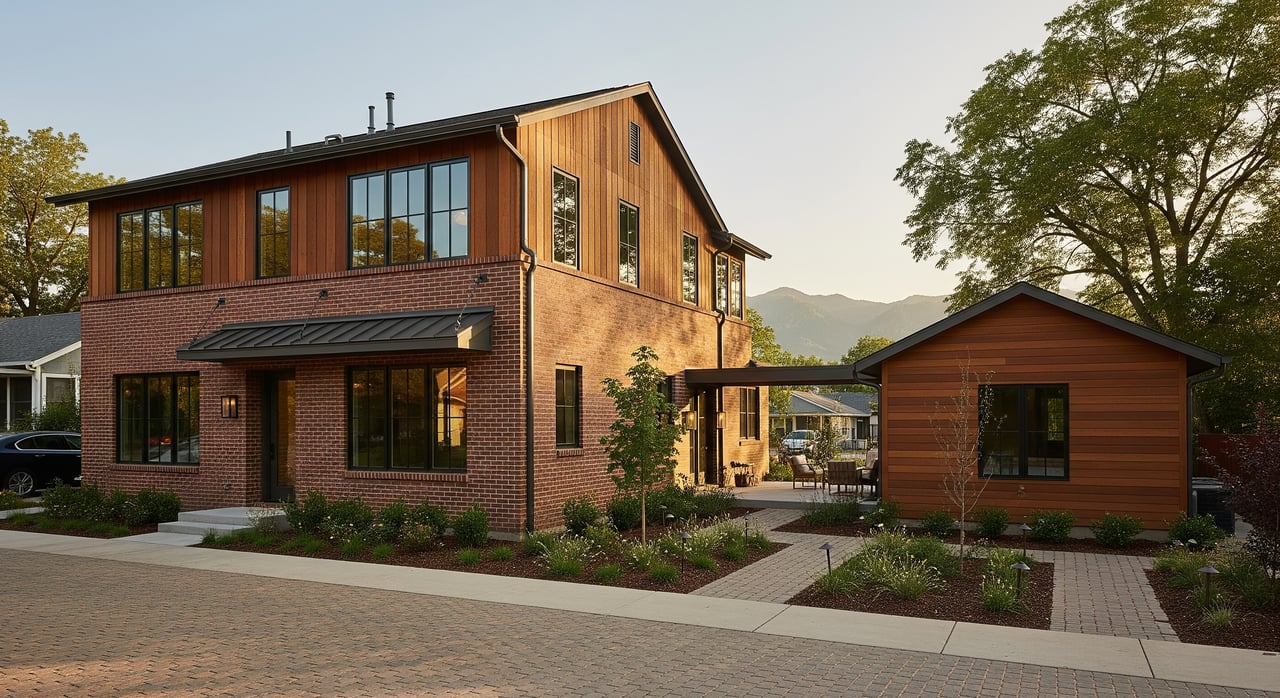
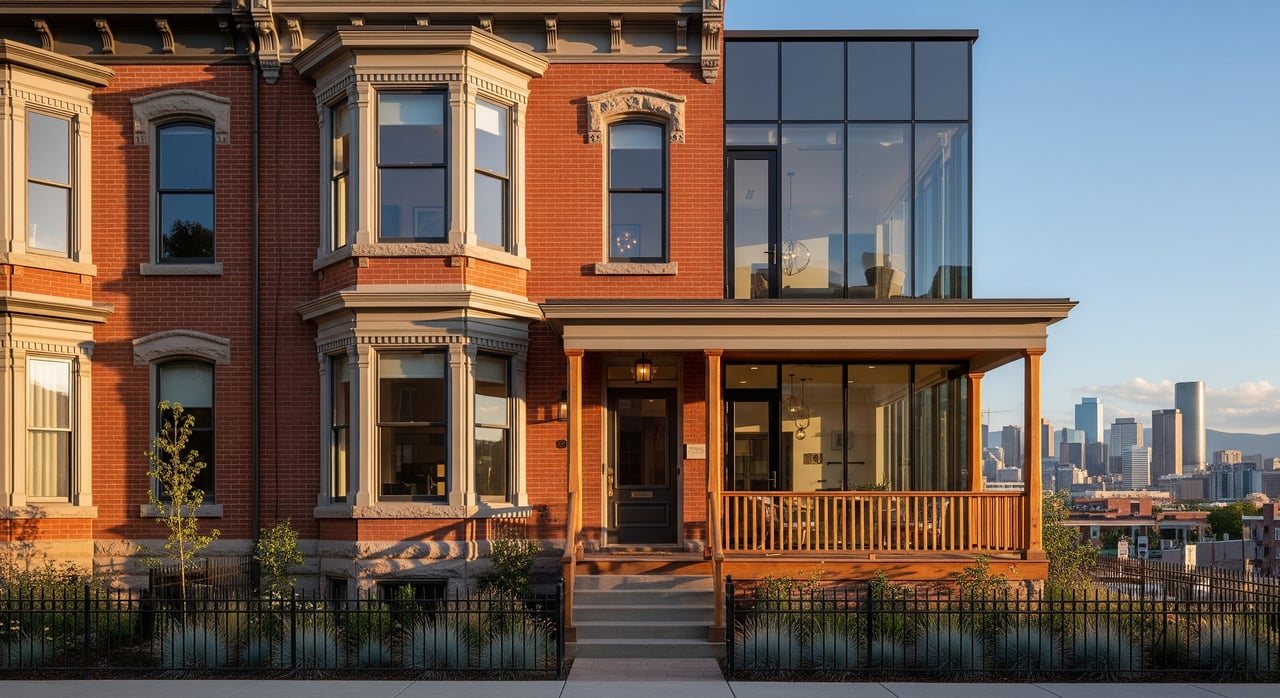
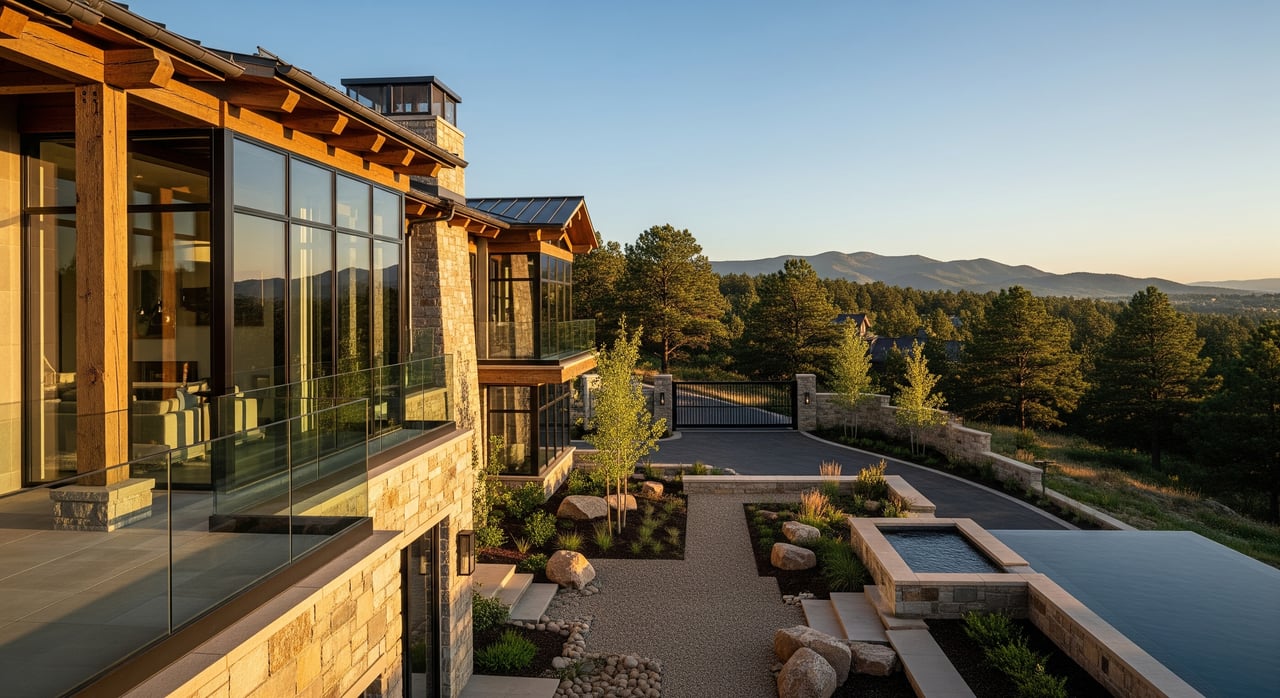
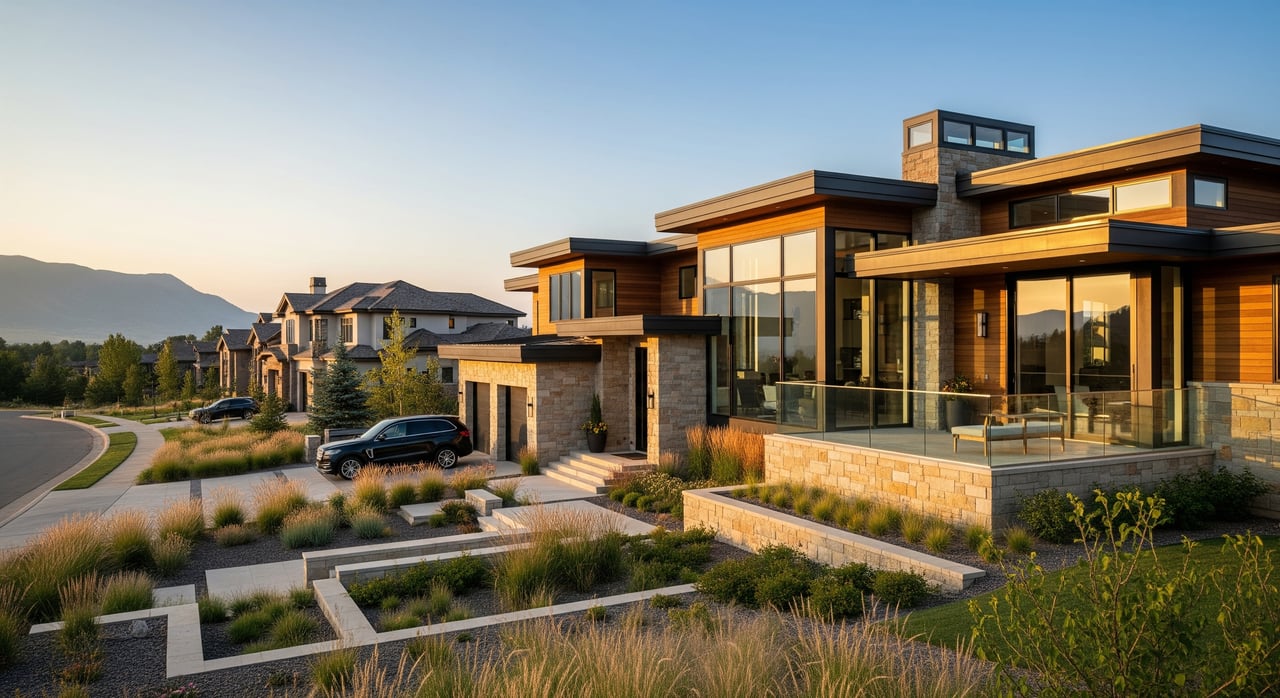
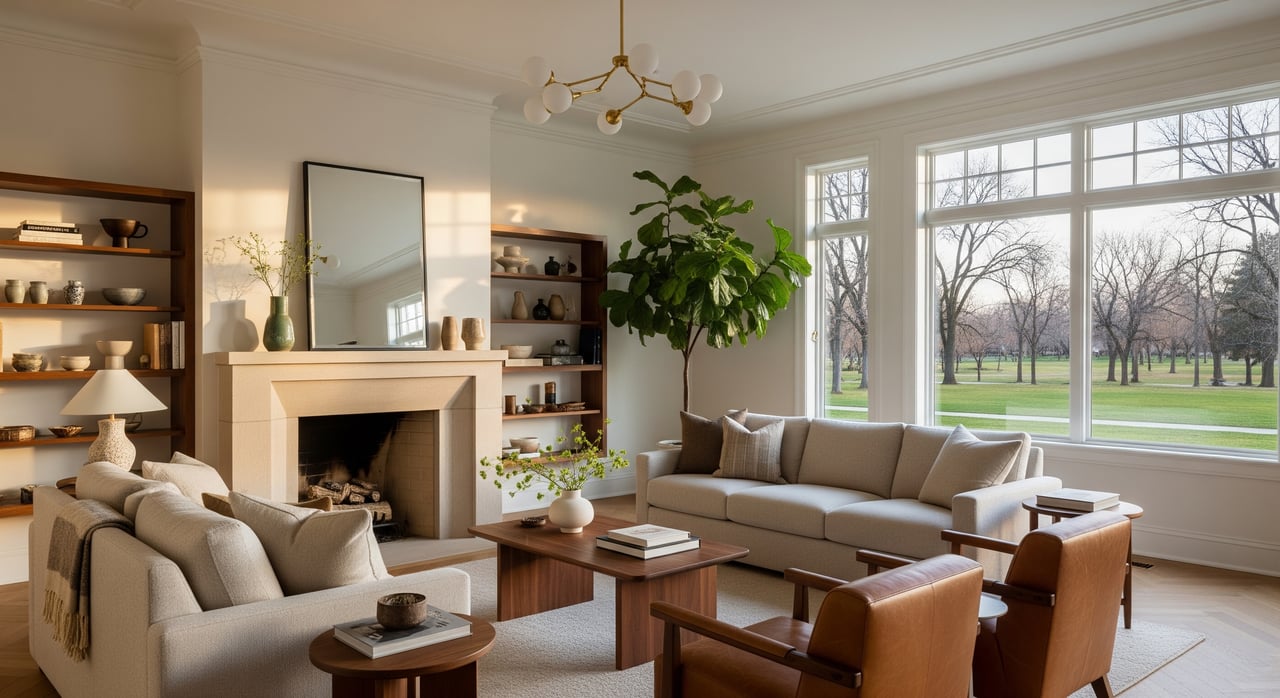
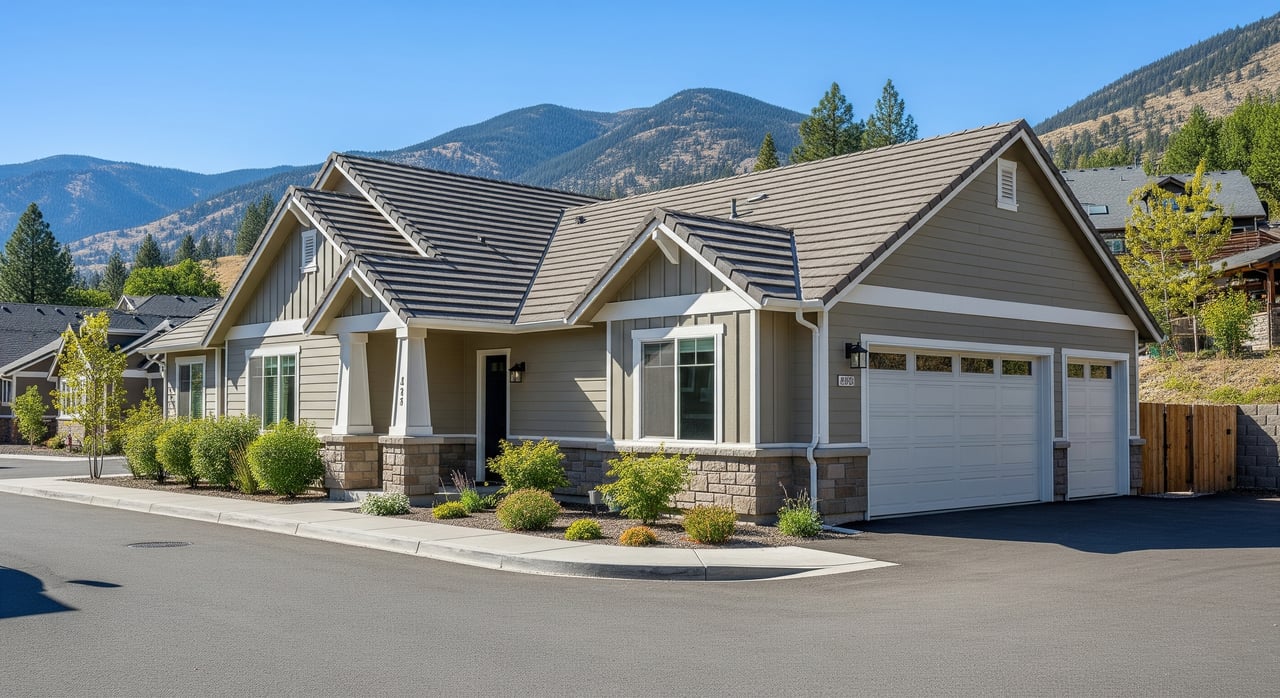
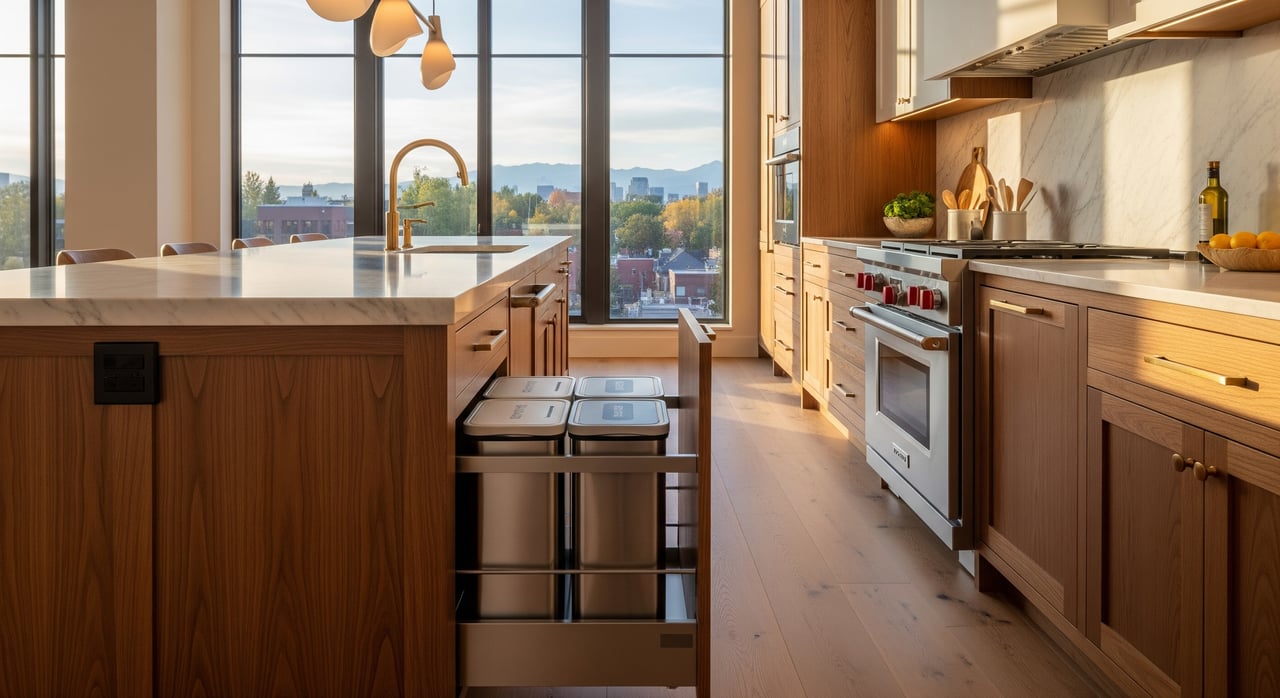
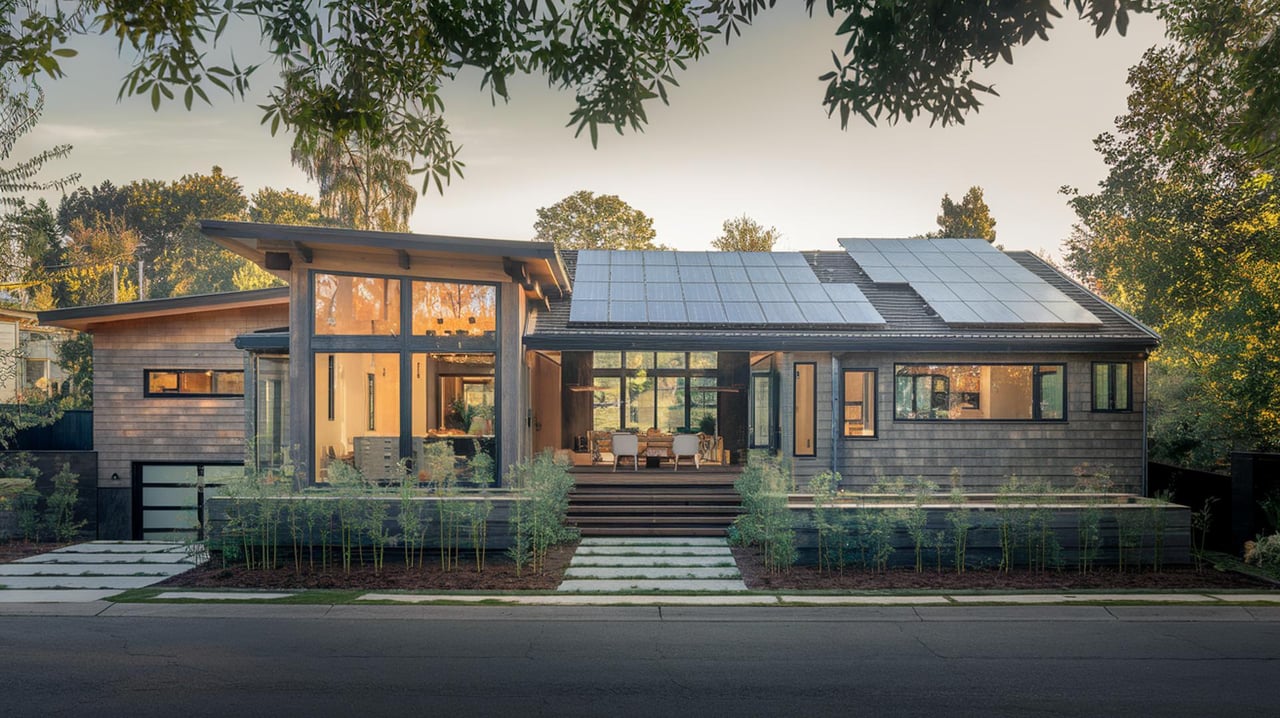
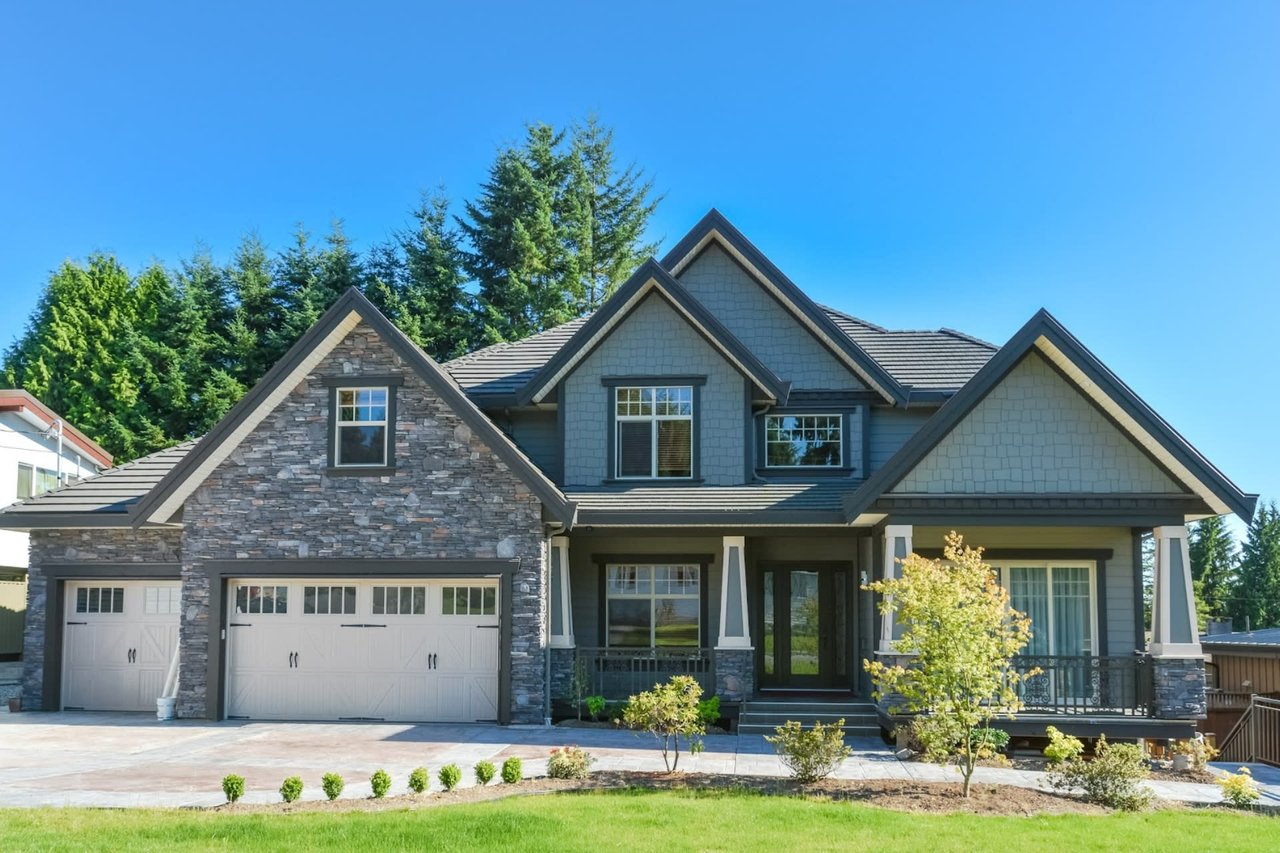
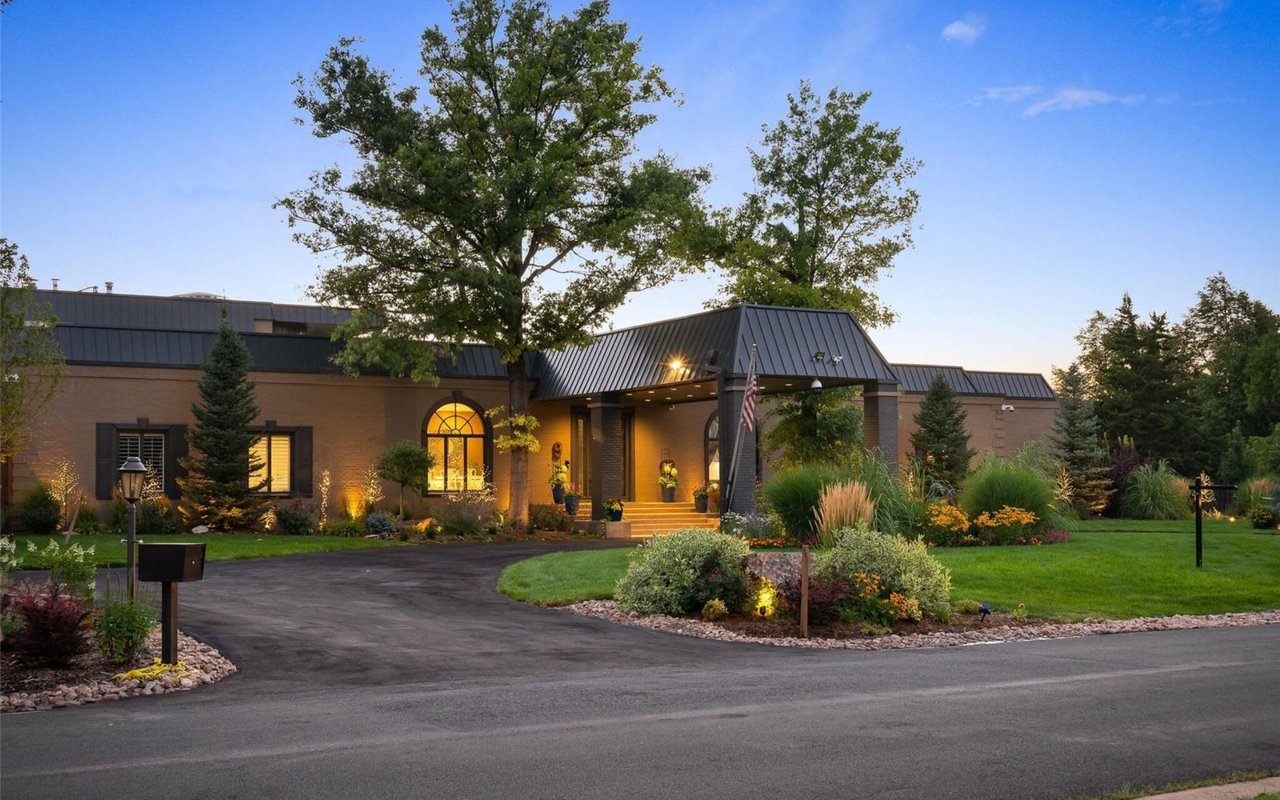
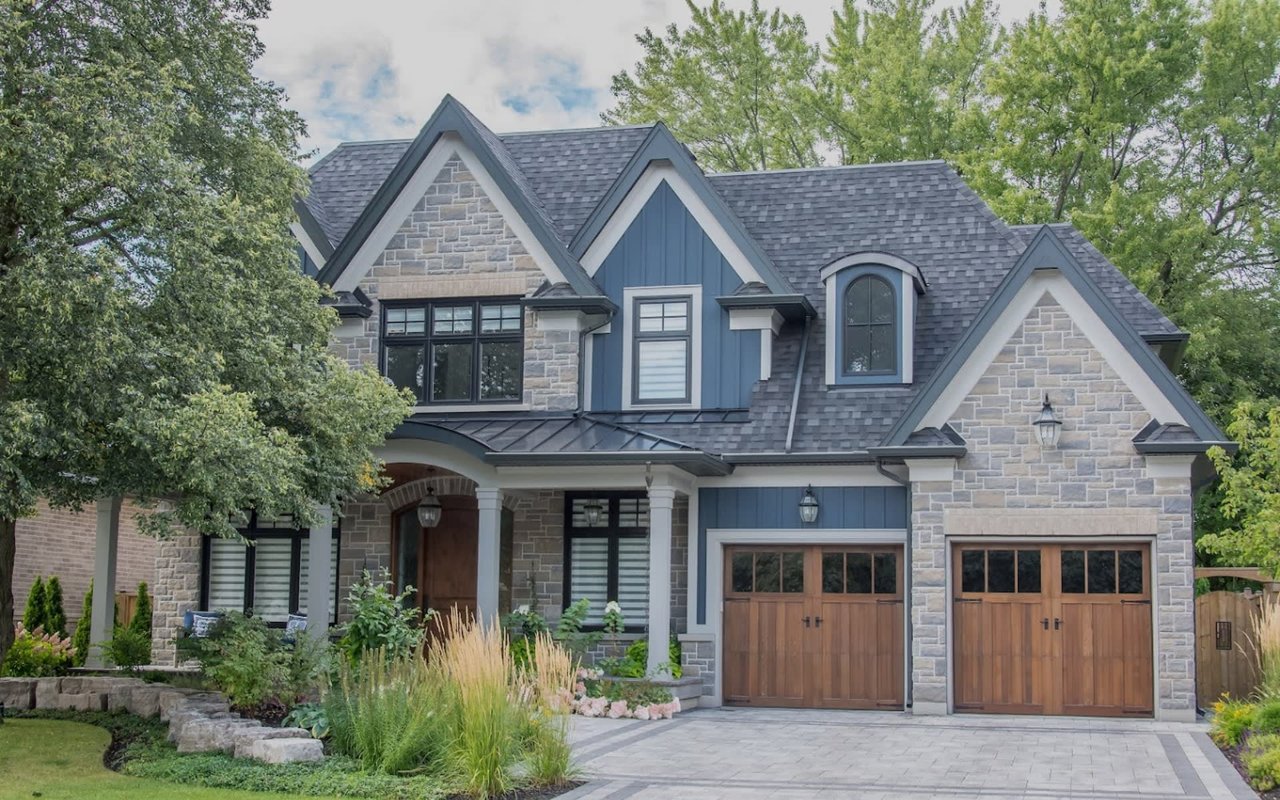
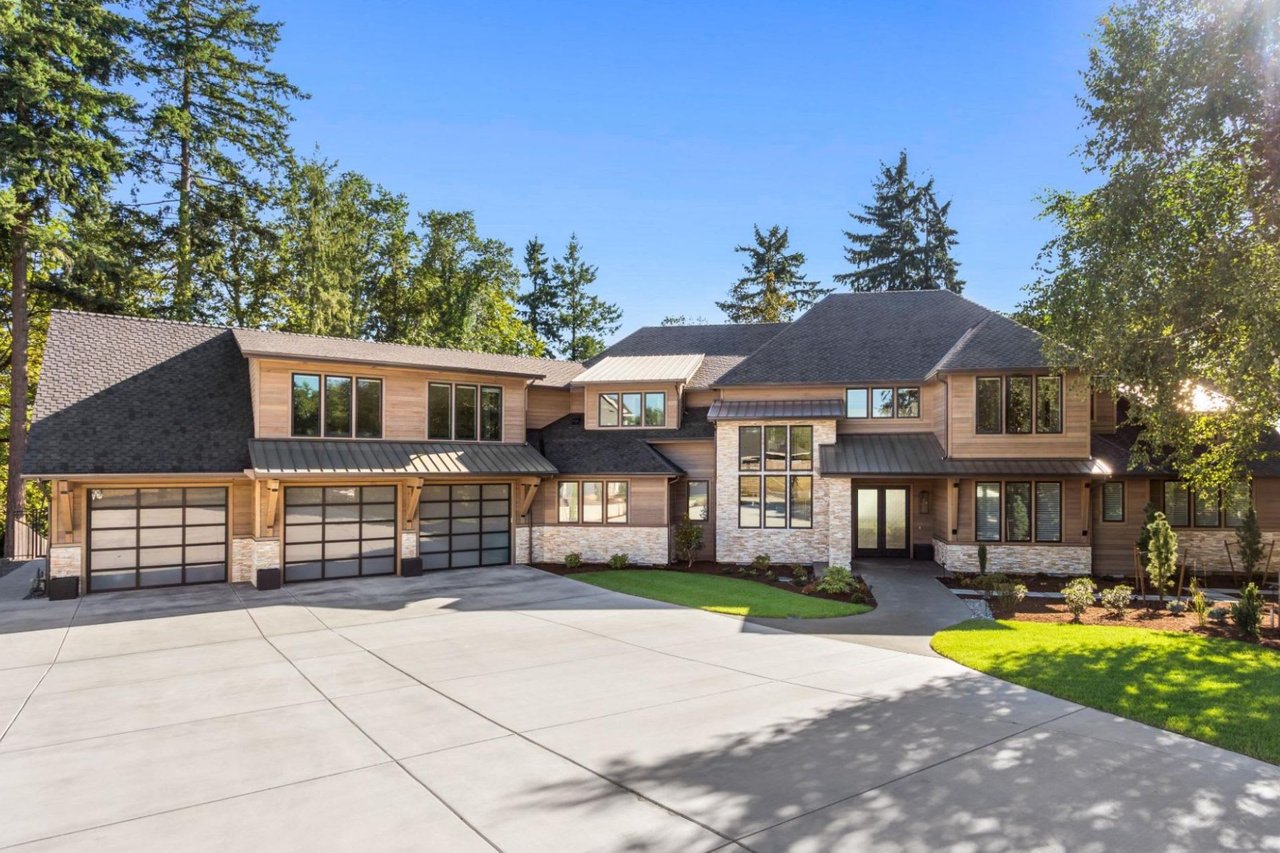
In Lakewood, you’ll see a larger share of single-family homes with yards, plus townhomes and some newer infill. Garages, mudrooms, and extra storage are more common, which matters when you juggle skis, bikes, and paddle gear. In central Denver, there is a higher mix of condos, townhomes, and historic smaller-lot homes. Many buyers trade private yard space for walkability and urban convenience. City-level value snapshots show Zillow’s typical Lakewood home value around the mid-$500,000s, while central-neighborhood pricing varies widely by property type and area.
Walkability and day-to-day convenience
Lakewood ranges from car-dependent suburban blocks to walkable pockets like Belmar. Consumer guides often show mid-range walk scores overall, with pockets that score higher. You will likely drive for some errands in many Lakewood neighborhoods, though amenities cluster along major corridors. A Lakewood local guide captures this mix.
Central Denver neighborhoods often post higher walk scores. Daily life can look like coffee on foot, a run on the Cherry Creek Trail, and dinner a few blocks away. For a quick snapshot, review a Downtown Denver neighborhood overview and nearby central districts.
Price snapshot and how it shapes choices
At a metro level, values cluster in a similar range across the city, but central pricing swings more by product type and micro-location. Zillow’s February 2026 Denver snapshot places typical values in the mid-$500,000s, while Lakewood tracks closely. Expect condos in prime central spots to command higher price per square foot than many Lakewood single-family homes, and expect premium Lakewood areas near the hills to price up as well. Your ideal fit comes down to lifestyle tradeoffs: walkability and culture proximity versus yard and gear space near the foothills.
How to choose: an outdoor buyer checklist
Use this quick checklist to stress-test homes against your routine:
- Proximity to trailheads: time your door-to-trail drive for likely windows you will use. Under 15 minutes is a strong foothills signal.
- Storage and layout: look for a two-car garage, dedicated gear storage, a mudroom or laundry entry, hose bibs, and exterior access for rinsing gear and pets.
- Transit and arteries: if you plan a hybrid commute, note access to an RTD W Line station or major routes like 6th Avenue and Wadsworth.
- Walkability vs yard: decide how much you need a private yard versus quick walks to coffee, parks, and daily errands. The Lakewood local guide can help you spot more walkable pockets.
- HOA rules: if you are eyeing condos or townhomes, review policies on racks, storage, and guests to confirm they support your weekend routine.
- Off-season access: ask about winter plowing at trailhead lots and whether steep approaches require a specific vehicle setup.
Lakewood neighborhoods to know
- Green Mountain and Green Mountain Village: closest to foothills singletrack with quick access to the Green Mountain trail network and summit views. Start your search near the William F. Hayden Park on Green Mountain access points.
- Bear Creek corridor: convenient to Bear Creek Lake Park, with quick drives to Red Rocks and the hogback.
- Belmar: a walkable town-center vibe within Lakewood, pairing shops and dining with easy drives to trails.
Central Denver contrasts worth considering
- LoDo, RiNo, and Union Station area: direct access to river trails and an easy link to restaurants and cultural venues.
- Washington Park and Platt Park: daily loops around the lakes and neighborhood runs.
- Cherry Creek and Cherry Creek North: direct connection to the Cherry Creek Trail plus retail and dining.
- Sloan’s Lake and the Highlands: lake loops, bike lanes, and skyline views from neighborhood parks. For a quick context snapshot, scan a Downtown Denver neighborhood overview and explore adjacent central districts.
Putting it together
If singletrack and summit sunsets are your daily reset, Lakewood functions like a suburban basecamp: short trips to trailheads, more storage, and frequent time in big open spaces. If you want to lace up and log miles on paved trails before work, then meet friends for dinner without a drive, central Denver keeps your routine tight and walkable. Both choices are excellent. The right one aligns with how you move through a typical week.
Curious which streets put you within a 15-minute drive of your favorite trailhead, or which condo buildings offer easy trail access and secure bike storage? Let’s map it to your life. Reach out to Alex Rice to compare neighborhoods, preview homes, and create a search that fits your outdoor routine.
FAQs
Is Lakewood or central Denver better for mountain biking?
- If you want routine singletrack rides without a long drive, Lakewood’s proximity to Green Mountain and Bear Creek makes it the easier choice; central Denver excels for paved-trail rides and commuting.
How long is the drive to Red Rocks or Mount Falcon from each area?
- From many Lakewood neighborhoods, expect about 10 to 20 minutes in normal traffic; from downtown and nearby central areas, plan roughly 25 to 40 minutes depending on origin and time of day.
Can I commute to downtown from Lakewood without driving every day?
- Yes; the RTD W Line connects Lakewood stations to Union Station, and park-and-ride options let you combine biking or a short drive with rail.
What home features best support an outdoor lifestyle?
- Look for a two-car garage, dedicated gear storage, a mudroom or laundry entry, hose bibs for rinsing gear and pets, and secure exterior access.
How walkable is Lakewood compared to central Denver?
- Central neighborhoods generally post higher walk scores and support daily errands on foot, while Lakewood offers walkable pockets like Belmar alongside more car-dependent suburban blocks.