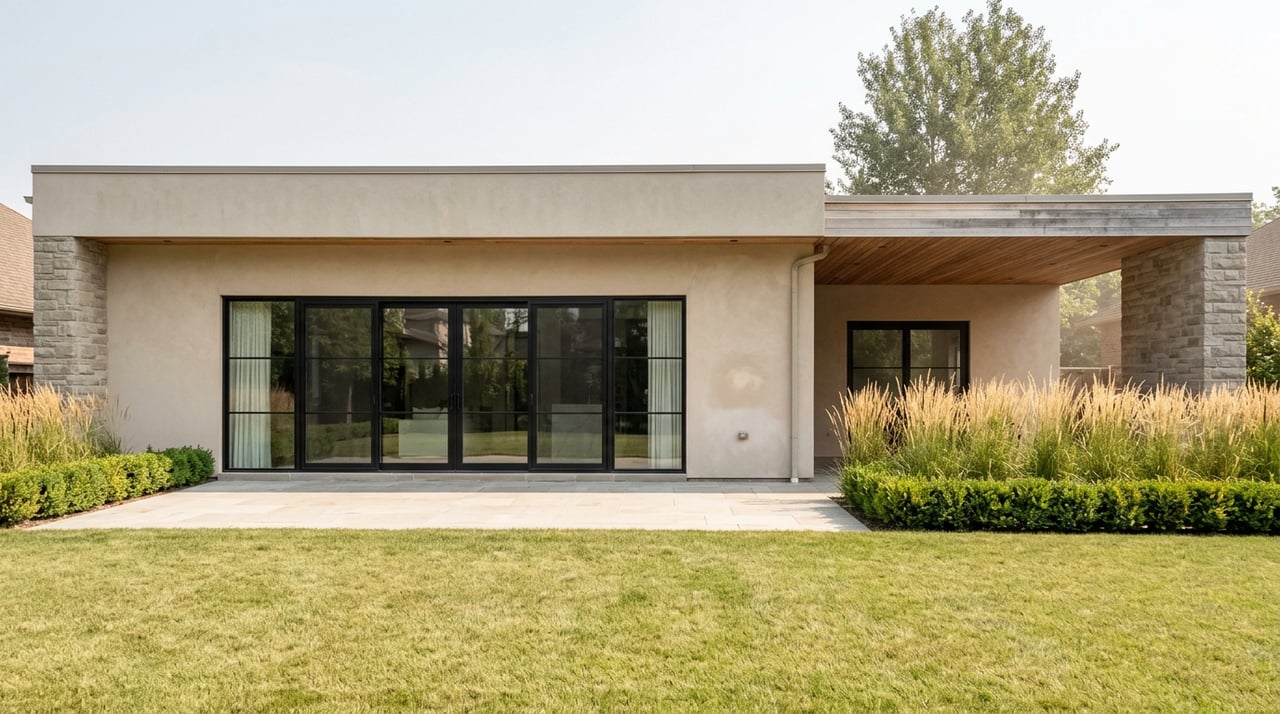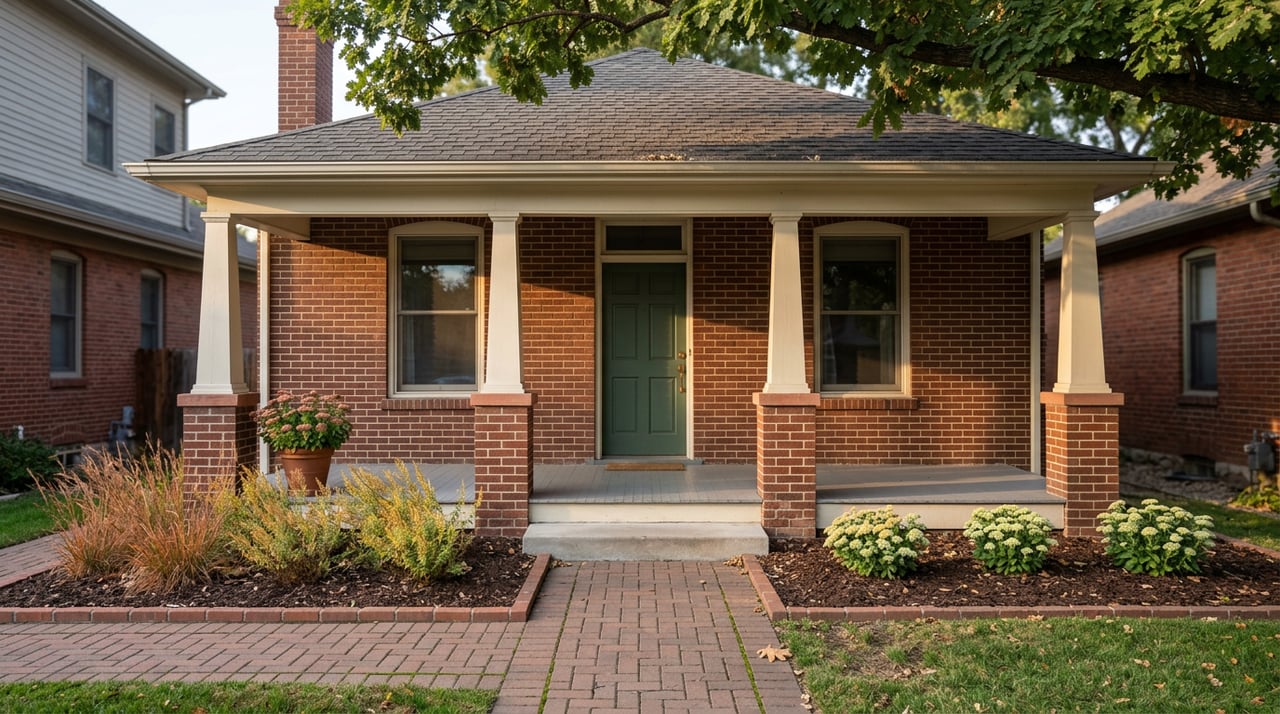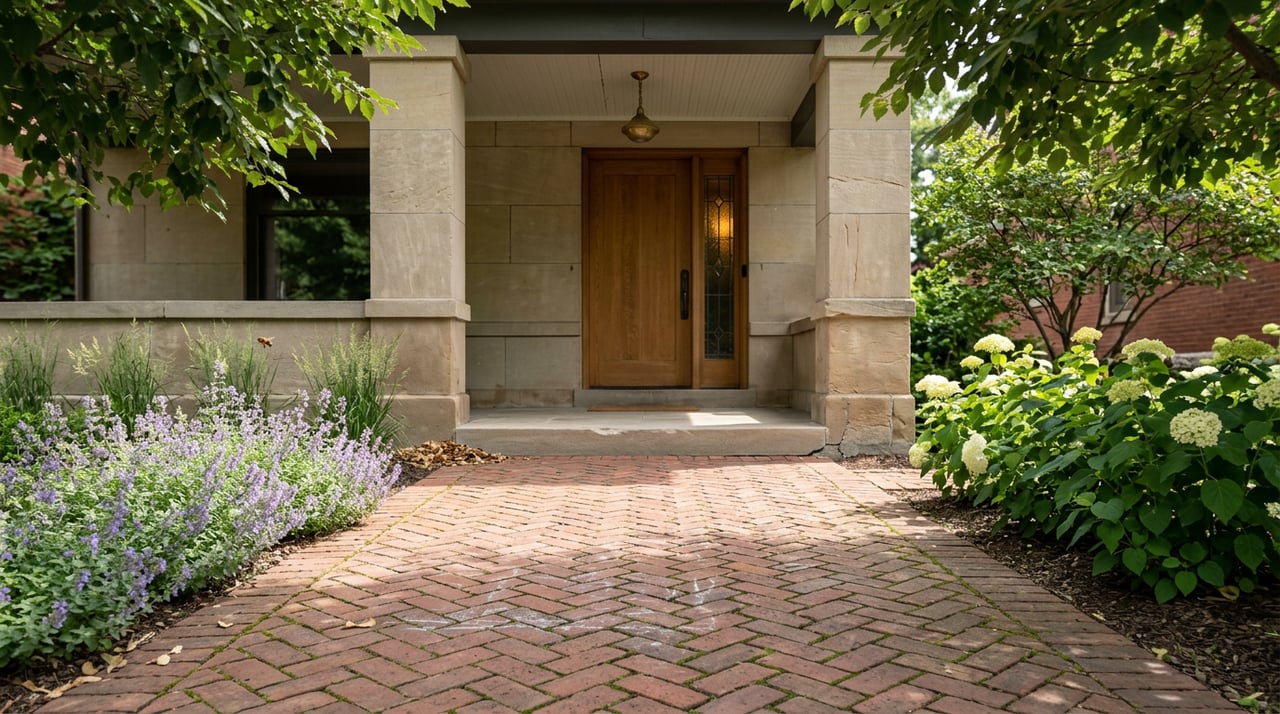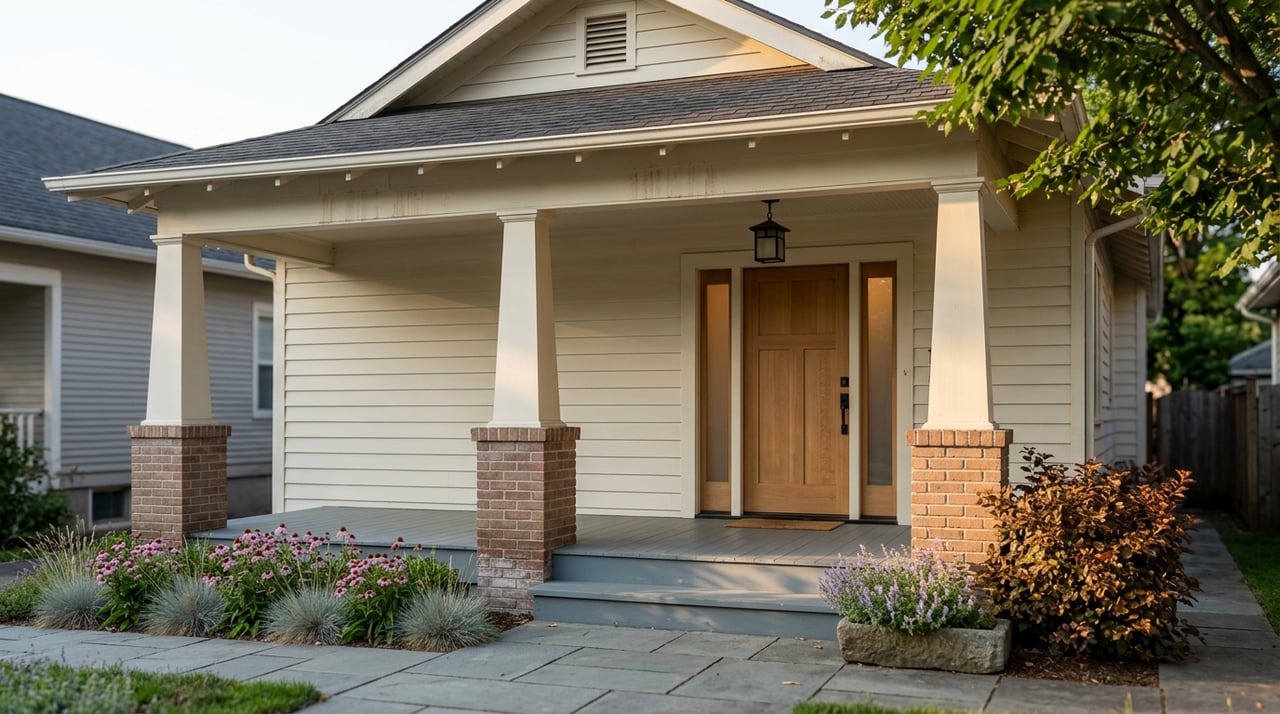
Love the idea of high ceilings, original millwork, and brick facades in one of Denver’s most storied neighborhoods, but unsure what comes with the keys? Buying a historic home or condo in Capitol Hill offers beauty, craftsmanship, and central-city convenience, plus a few rules and extra due diligence. In this guide, you’ll learn how to read the architecture, confirm landmark status, navigate HOAs, plan inspections, and decide when to restore versus replace. Let’s dive in.
Why Capitol Hill stands out
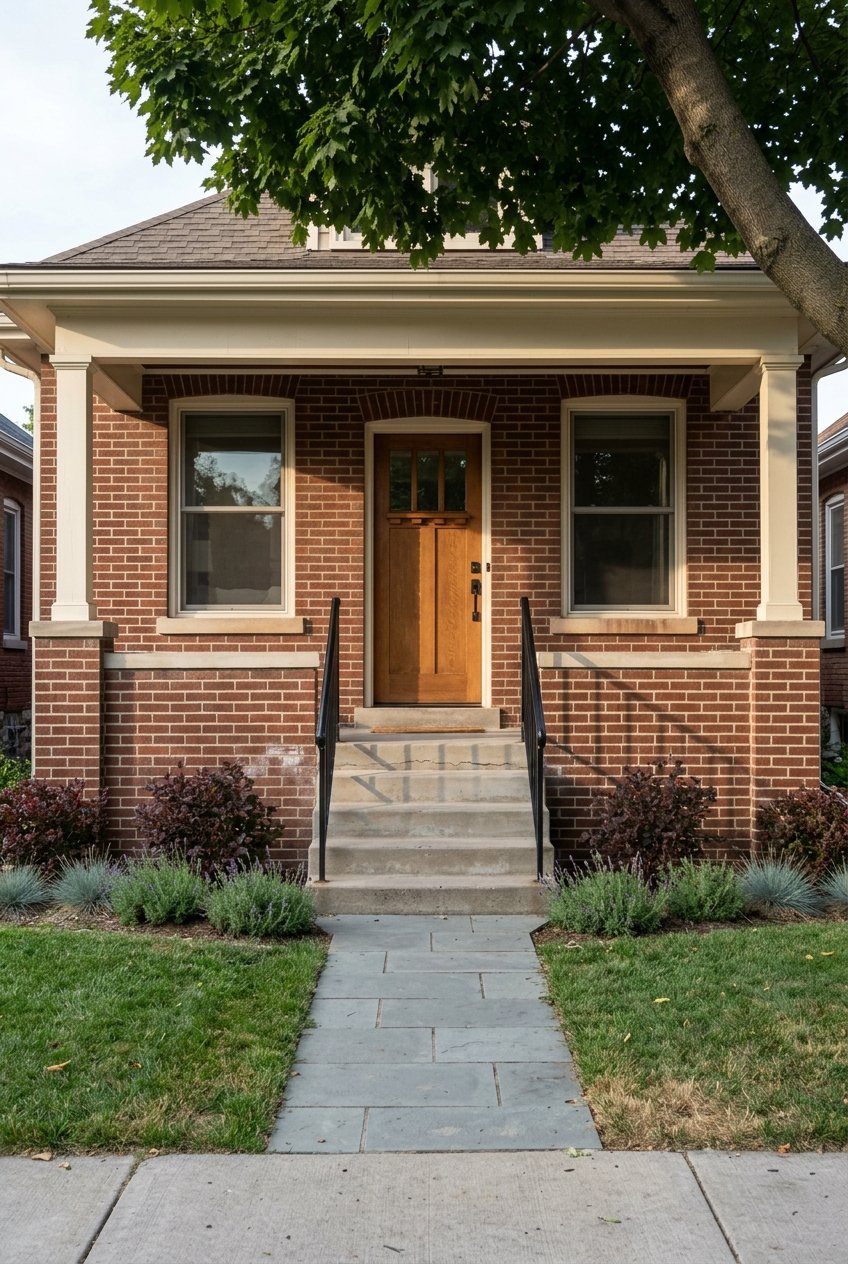
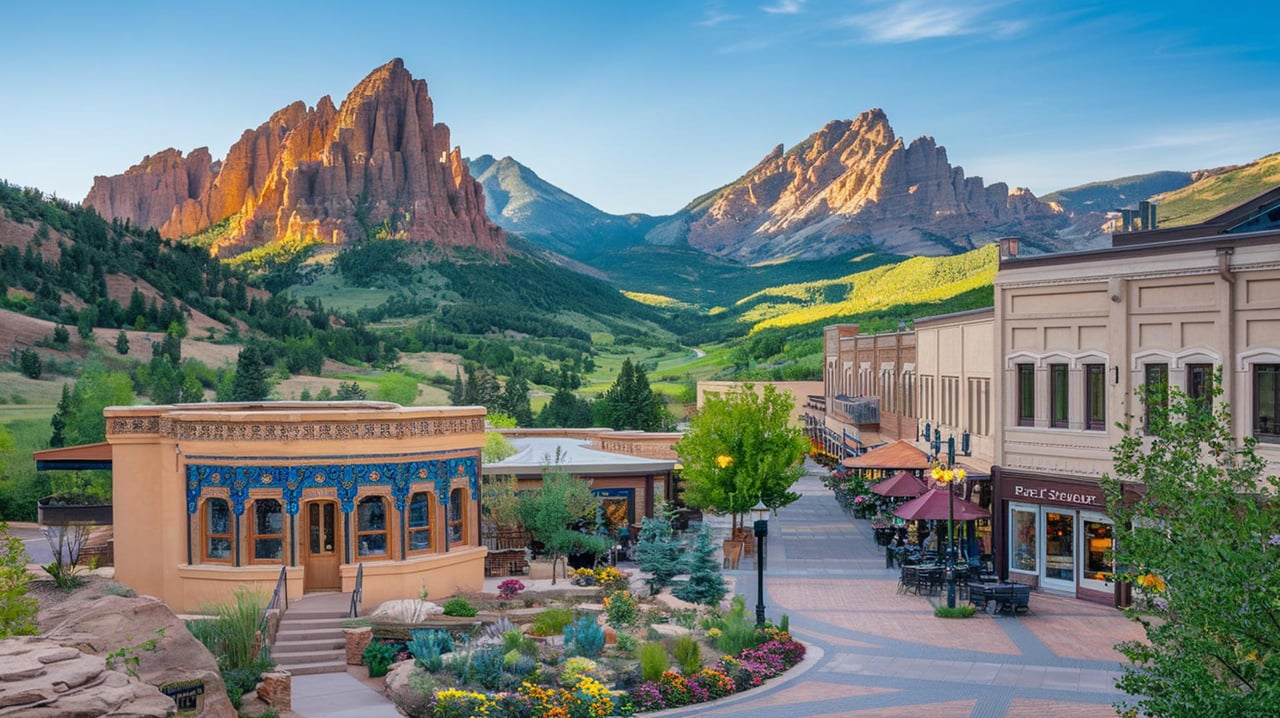
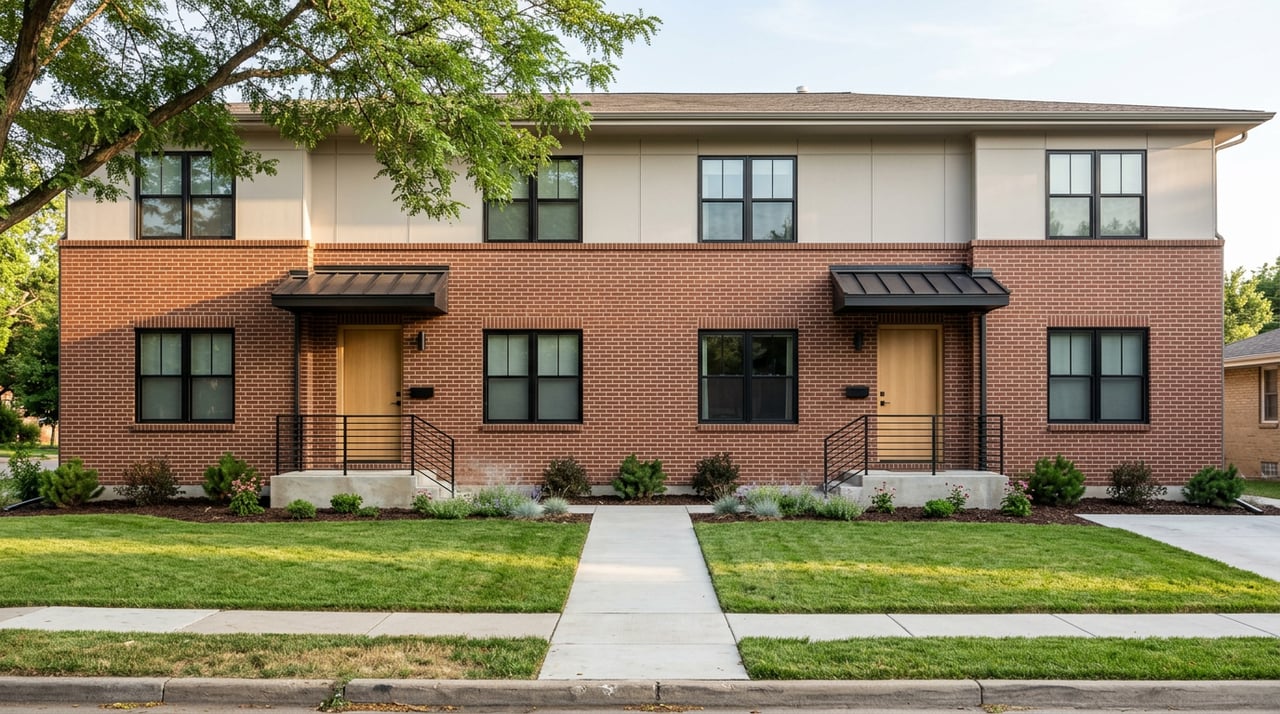
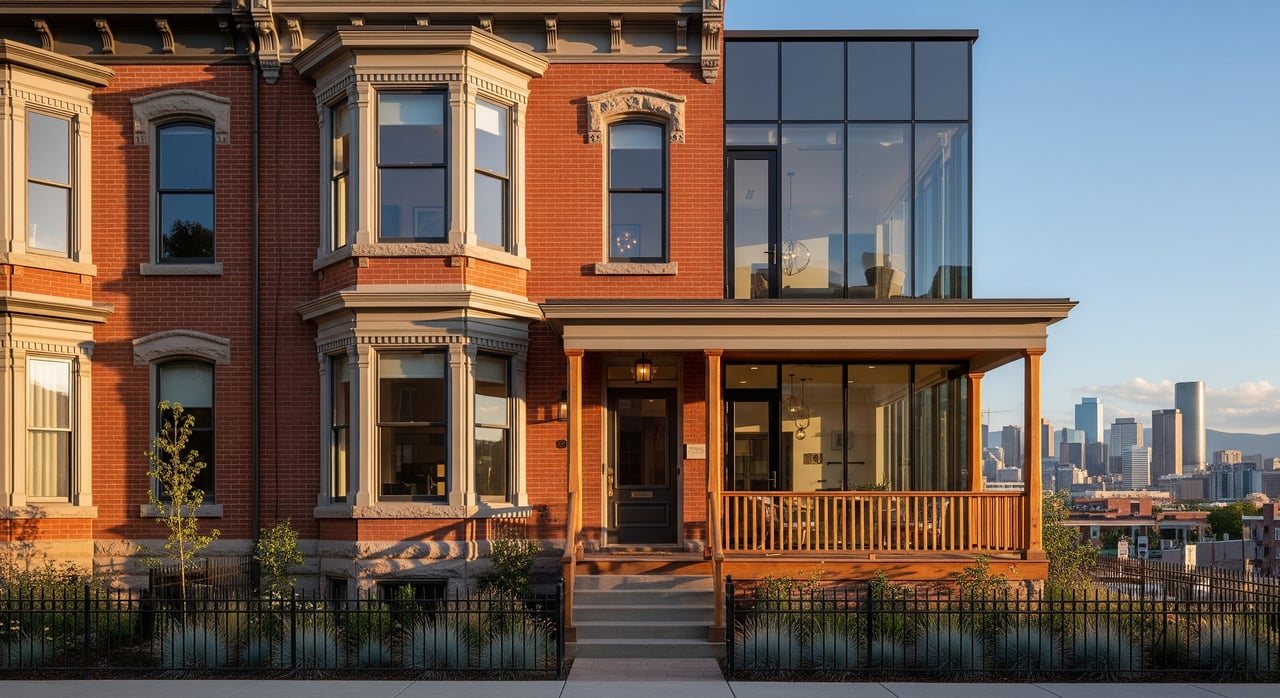
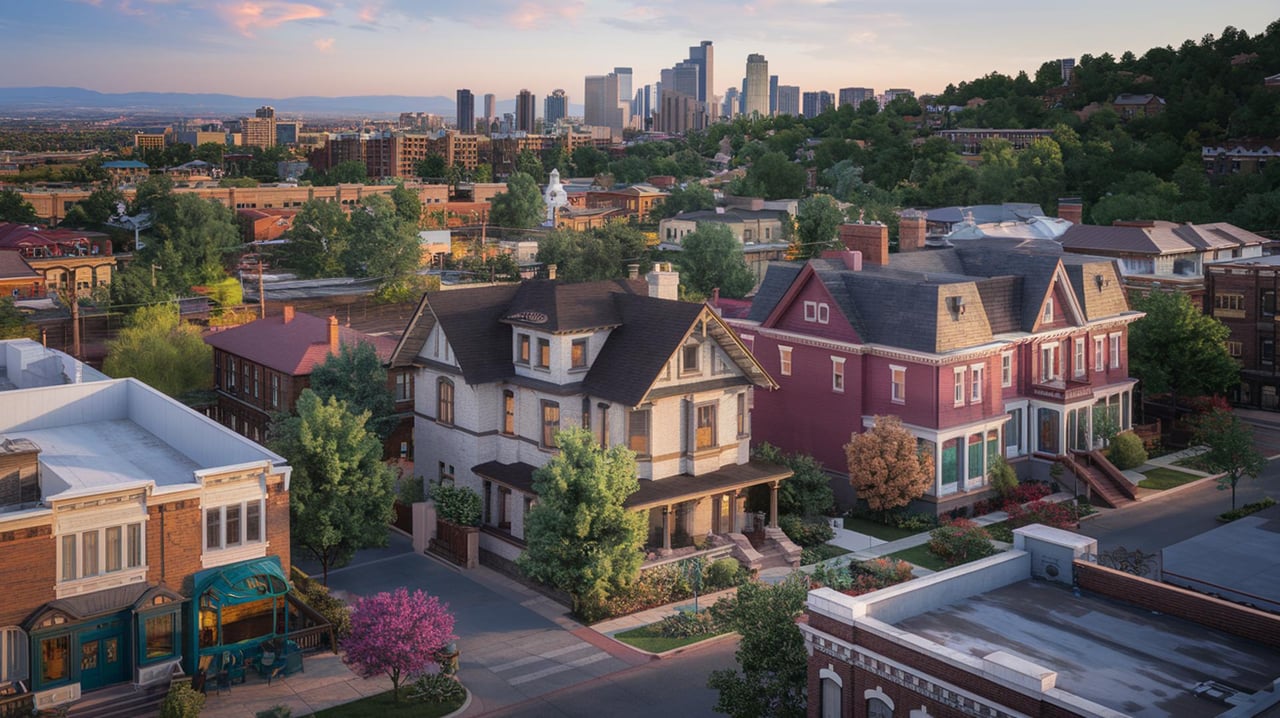
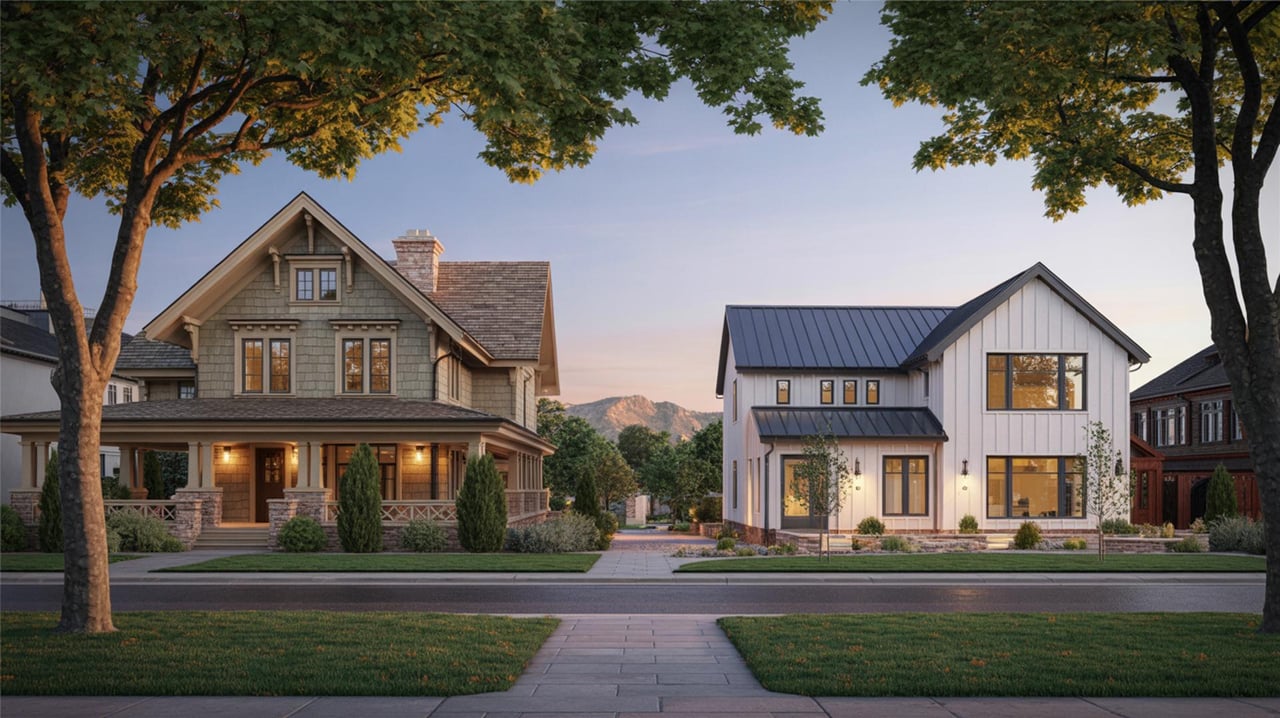
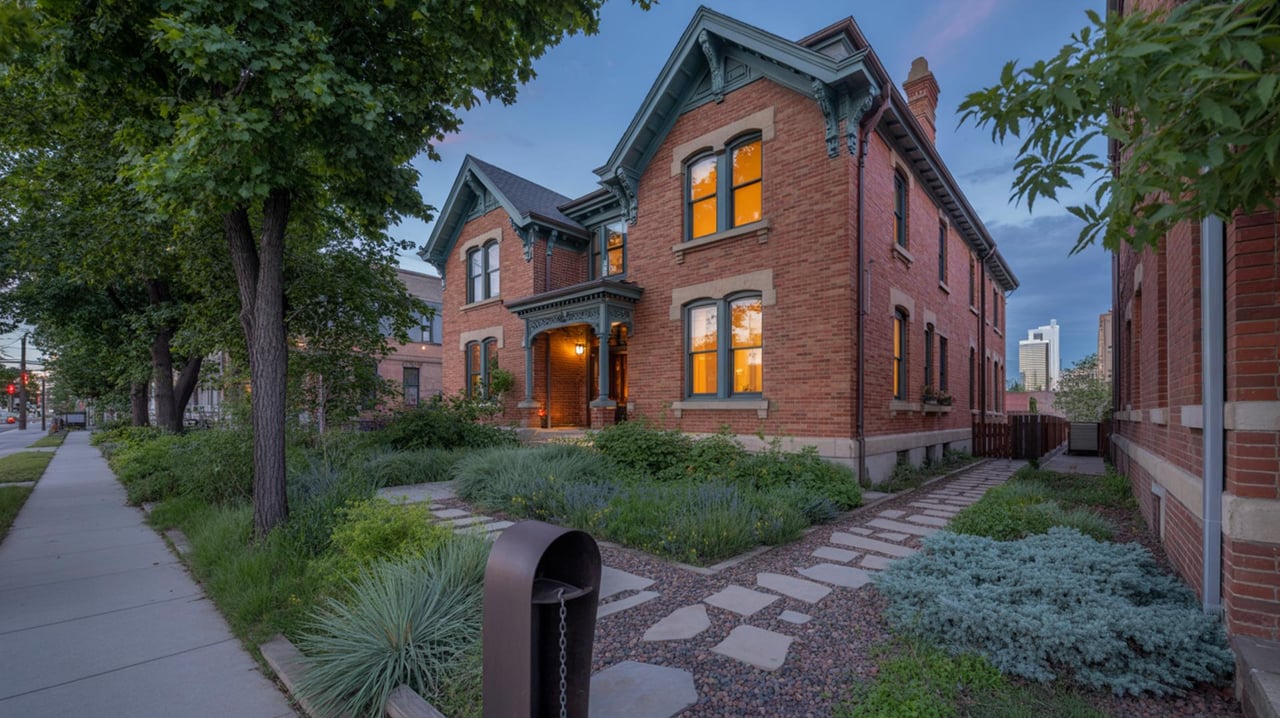
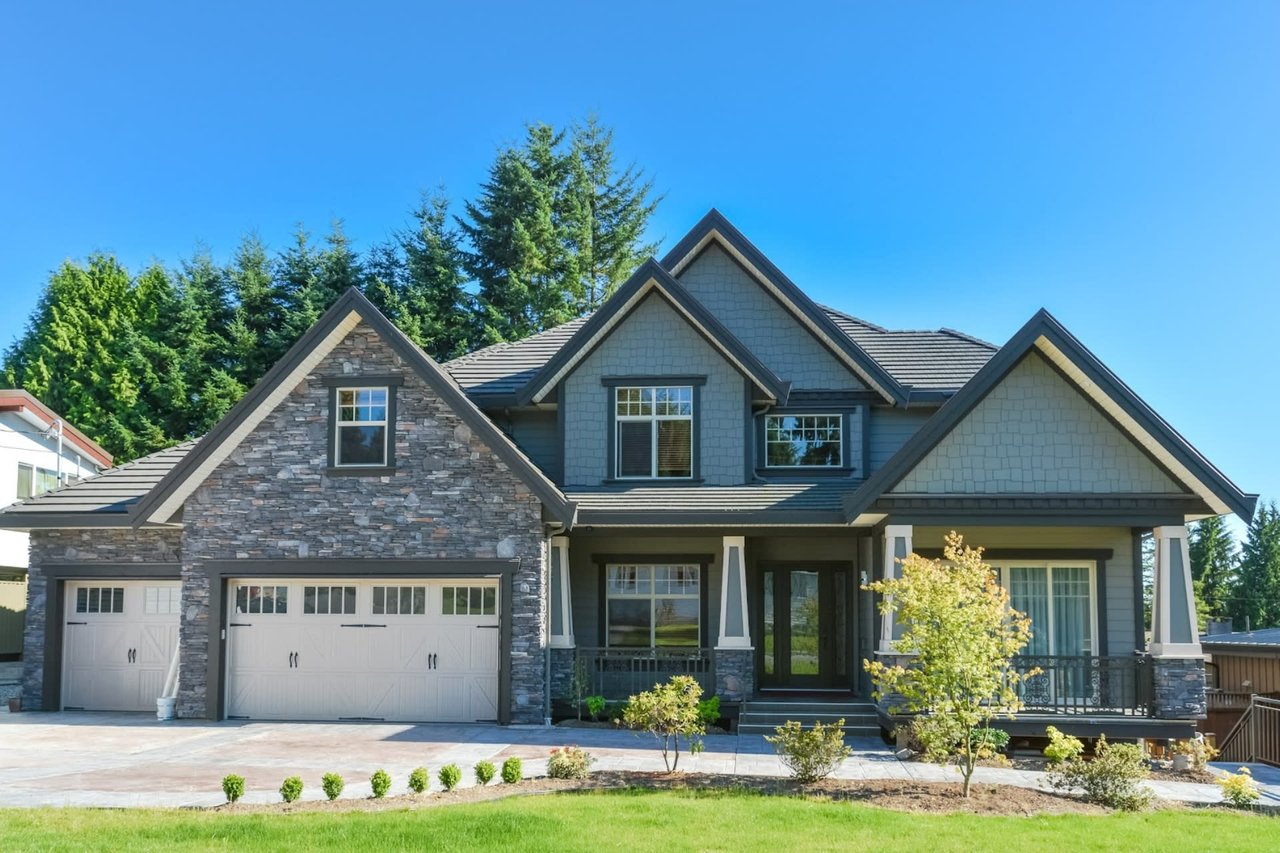
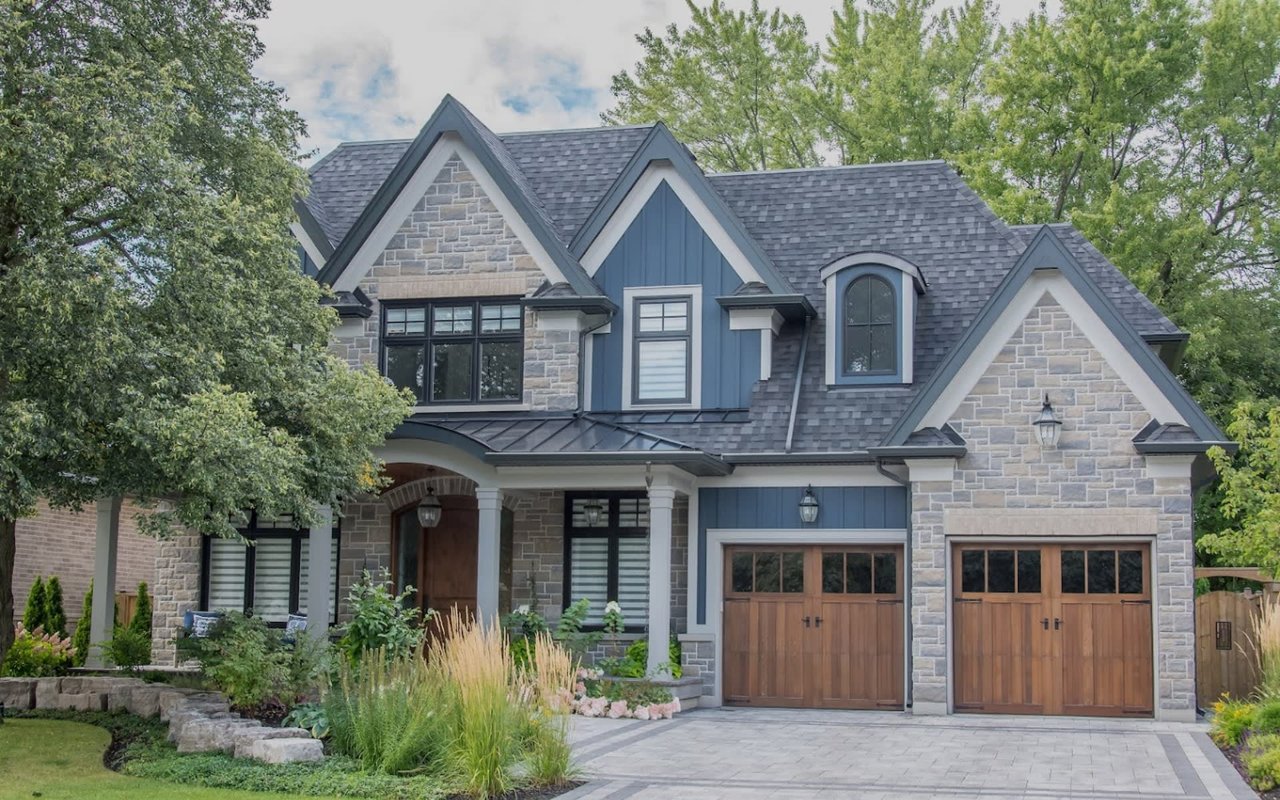
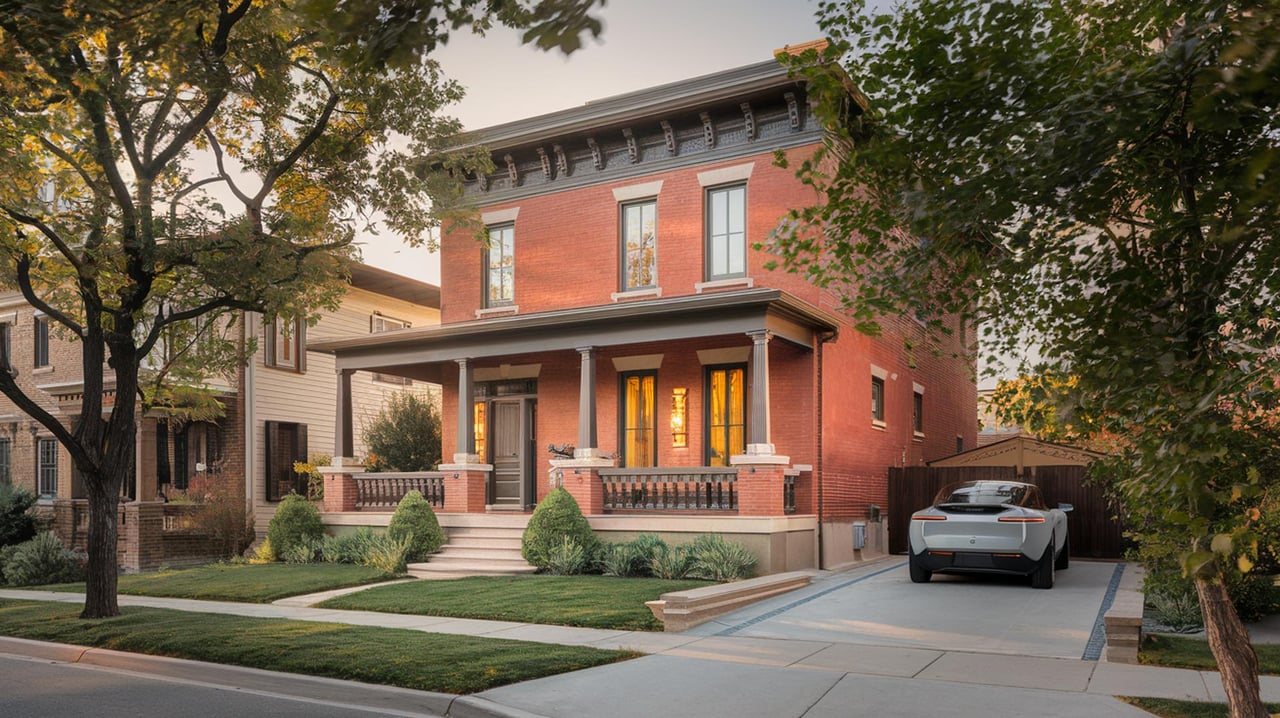
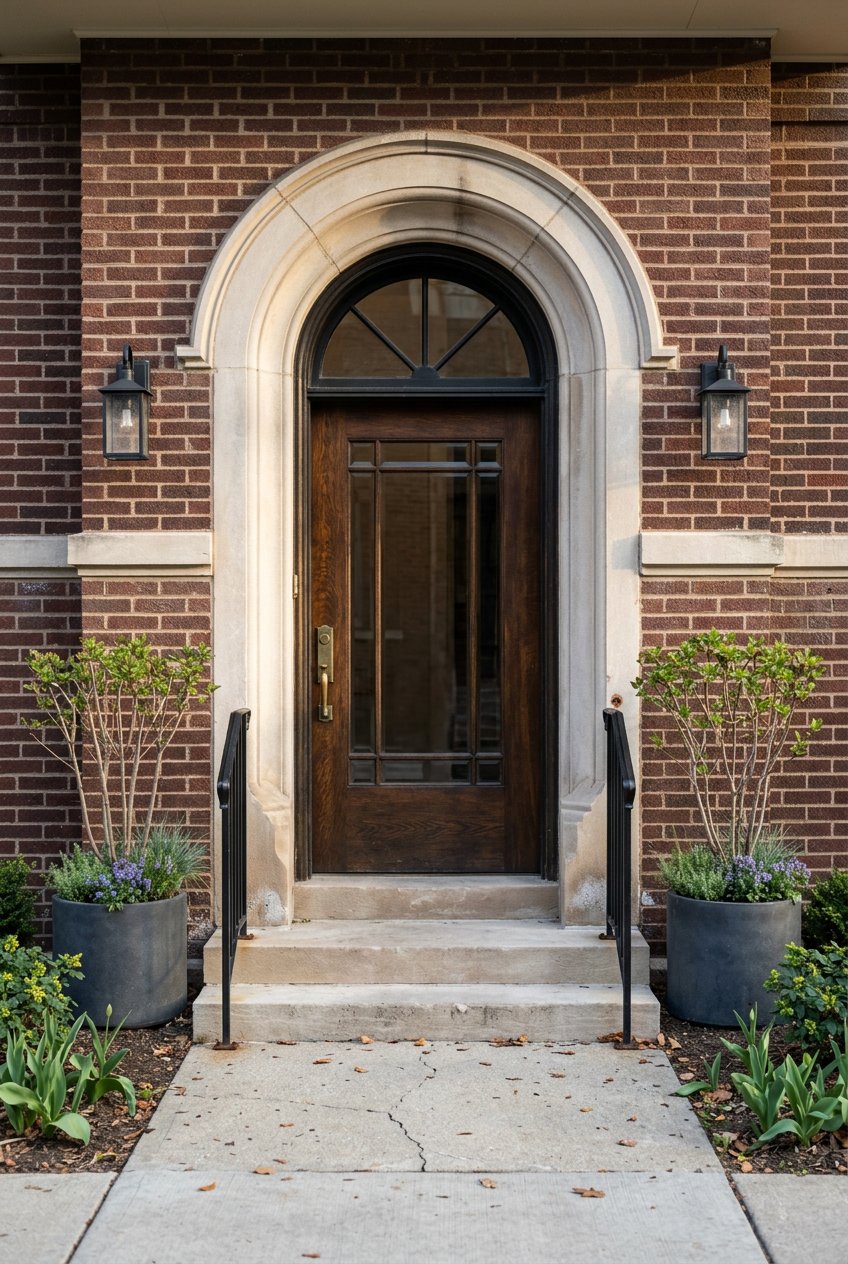
Capitol Hill is one of Denver’s oldest neighborhoods, known for ornate late‑19th and early‑20th‑century architecture and a rich mix of mansions and early apartment buildings. You will see Queen Anne details, Denver Squares, Craftsman influences, and revival styles across stone and brick facades. Many early 1900s apartment houses were later converted to condos, which give you period character with shared maintenance. If you want a quick primer on the area’s evolution and building types, explore the neighborhood history from the Denver Public Library’s Western History collection on Capitol Hill’s past and architecture.
Know the rules before you buy
Landmark status and design review
Capitol Hill has a patchwork of historic districts and individually designated landmarks. Not every property is protected, so you must confirm the exact status for the address you are considering. Start with the city’s official list of Denver landmark districts and designated properties. If a property is designated or in a district, exterior changes typically require a Certificate of Appropriateness under the city’s Landmark Design Guidelines. Budget time for reviews and potential hearings, especially for additions or major exterior work.
Condos, HOAs, and CCIOA
Many historic apartment buildings in Capitol Hill are now condominiums governed by an HOA. Colorado’s common‑interest communities operate under the Colorado Common Interest Ownership Act. During resale, you will receive a packet that outlines dues, reserves, pending assessments, and any litigation. Request it early and negotiate time to review it in your contract. For state guidance and registration details, use the Colorado Division of Real Estate’s resource on HOA and CCIOA basics.
Incentives for historic rehabs
If you plan to renovate, know what support exists and where it does not.
- Federal: The 20 percent Federal Historic Rehabilitation Tax Credit applies to income‑producing certified rehabilitations, not typical owner‑occupied homes. Review the National Park Service’s eligibility requirements.
- State: Colorado offers a preservation tax credit program administered with History Colorado and OEDIT. Program rules and amounts change, so contact the program early if you think your project could qualify. Learn more from OEDIT’s overview of the Colorado historic preservation tax credit.
Inspections that matter
Older buildings can deliver incredible character along with legacy materials and systems. Add these items to your inspection plan.
Environmental hazards
- Lead paint is common in pre‑1978 housing, especially on trim and windows. Plan for careful paint stabilization or abatement if you intend to disturb painted surfaces.
- Asbestos can be present in insulation, floor tiles, pipe wrap, and roofing. The EPA advises that intact materials are often best left undisturbed, but any planned renovation should include testing and, if needed, licensed abatement. Read more in the EPA’s guide to protect your family from asbestos.
Systems and structure
- Electrical: Very old homes may have knob‑and‑tube wiring or undersized service panels, which can affect insurance and lending. Have a licensed electrician evaluate. See InterNACHI’s overview of knob and tube wiring.
- Plumbing and sewer: Cast‑iron, clay, and galvanized lines age out. A camera sewer scope is a smart add‑on in Capitol Hill to catch root intrusion or collapsed lines. Learn why a sewer scope helps avoid big surprises from this sewer inspection explainer.
- Masonry and roofs: Historic brick and stone require compatible mortar and careful water management. The National Park Service Preservation Briefs are the go‑to technical references for proper repair methods. Slate or older roofs may need specialists.
Air quality
- Radon: The Denver area has elevated radon potential. Include a professional radon test during inspections and budget for mitigation if levels exceed the EPA action level. The city shares more on testing in its radon awareness and test kit program.
Smart renovation approach
Renovating a historic property works best with a plan tailored to preservation standards and city process.
- Confirm whether design review is required before you draw plans or order materials. Early outreach to Landmark staff reduces rework.
- Favor repair over replacement for character‑defining elements like original windows, porches, and masonry when feasible. Well‑executed repairs with weather‑stripping or storm windows can outperform wholesale replacements over time.
- Hire contractors experienced with historic fabric and ask for written scopes that reference accepted preservation standards.
- Build extra time and cost contingencies into your budget. Hidden conditions are common in older buildings.
Buyer checklist: Capitol Hill historic
Use this quick path from first showing to closing.
- Confirm the property’s exact historic status using the city’s designation list and follow up with Landmark staff if needed. Landmark districts and properties and Landmark Design Guidelines.
- Ask for maintenance records, permit history, and any prior landmark approvals.
- If you are buying a condo, request the HOA resale packet early and negotiate time to review budget, reserves, insurance, minutes, and any litigation. Reference the state’s HOA and CCIOA guidance.
- Order a home inspection with historic experience and add radon testing, a sewer scope, and specialty testing for lead or asbestos when renovation is planned. For context, see this sewer scope overview and InterNACHI on knob and tube.
- Considering a renovation that could qualify for incentives. Verify federal rules for income‑producing projects and contact the state program early via OEDIT’s tax credit page.
- Interview preservation‑savvy contractors and request written scopes aligned with preservation best practices.
- Confirm insurance and lender acceptance for older systems before you remove contingencies.
Capitol Hill rewards thoughtful buyers with timeless design, central location, and homes that feel singular. With the right inspections and a clear understanding of landmark and HOA rules, you can protect your investment and enjoy the details that make these homes special.
If you want a calm, tactical path to a Capitol Hill purchase, connect with Alex Rice for tour planning, document strategy, and negotiation that respects both the property’s history and your goals.
FAQs
What makes Capitol Hill homes and condos “historic” in Denver?
- Many properties date from the 1880s to the 1930s, featuring Queen Anne, Denver Square, and early apartment house styles, with some protected by local landmark designation.
How do I check if a Capitol Hill property is landmarked?
- Review Denver’s official list of designated landmarks and districts, then confirm with Landmark staff if you need clarity on what exterior work requires review.
Which inspections are essential for older Capitol Hill properties?
- Add radon testing, a sewer scope, and specialized evaluations for electrical, asbestos, and lead paint to your standard home inspection.
Do tax credits apply to owner‑occupied historic homes?
- The federal credit is for income‑producing certified rehabilitations, while Colorado’s program may support certain projects; contact the state program early to verify eligibility.
How do HOA rules interact with historic requirements in Capitol Hill condos?
- Your HOA can regulate building operations and interiors while Denver Landmark rules govern exterior changes for designated properties, so plan for both when budgeting time and approvals.