Thinking about working in the Denver Tech Center but living somewhere that feels easier, more connected, and a little less hectic? Lone Tree stands out because it gives you more than a place to sleep between workdays. You get a commuter-friendly setup, a growing mix of housing, and everyday amenities that can simplify your routine. If you are weighing where to land during a Denver-area move, this guide will help you see how Lone Tree fits the picture. Let’s dive in.
Why Lone Tree works for DTC commuters
If your job is in the Denver Tech Center, location matters in ways that go beyond drive time. You want options when traffic changes, meetings run late, or your schedule shifts midweek. Lone Tree offers direct access to I-25, C-470, and E-470, plus a transit network that gives you more than one way to get where you need to go.
According to the City of Lone Tree transportation overview, the city is built around strong regional connections. Lone Tree also has five light rail stations, which is a major advantage for people who want flexibility between driving and rail. For many relocation buyers, that mix can make daily life feel more manageable.
Transit options in Lone Tree
One of Lone Tree’s biggest strengths is that it supports different commuting styles. You are not locked into a single car-only routine, which is not always the case in south-metro communities. That matters when your workweek includes office days, airport runs, or after-hours plans.
Light rail access
Lone Tree’s rail network gives you several entry points depending on where you live. The city notes that County Line Station, Lincoln Station, and RidgeGate Parkway Station offer park-and-ride capacity, while Sky Ridge Station and Lone Tree City Center Station are walk-up stations without RTD parking. That creates useful choices for both drive-to-rail and walk-to-rail living.
RTD notes that the E Line serves Union Station and the R Line connects to Aurora and the A Line for Denver International Airport. For a DTC worker, that means Lone Tree is not just convenient for the office. It can also support broader regional travel without relying on your car for every trip.
Local shuttle service
Lone Tree also offers a free Link On Demand shuttle within Lone Tree and Meridian, and the service also reaches Highlands Ranch. That can help with errands, station access, or short trips around town. It is one more layer of flexibility for residents who want easier last-mile transportation.
RTD has also indicated that effective February 1, 2026, Lone Tree FlexRide becomes part of a new DTC FlexRide consolidation designed to improve access to the Denver Tech Center. If your job requires a steady office commute, that is a meaningful detail to watch.
Daily life beyond the commute
A good relocation choice is not only about how fast you can get to work. It is also about what life feels like before and after your workday. Lone Tree has a compact, amenity-rich setup that can help you keep more of your routine close to home.
The city describes itself as a place where people live, work, shop, and visit, with about 15,000 residents and more than 3,000 businesses. The U.S. Census Bureau QuickFacts page estimated 14,061 residents in 2024, which reflects its relatively small footprint. For you, that often translates to a city that feels easier to navigate than larger suburban options.
Shopping and dining convenience
One of Lone Tree’s biggest lifestyle anchors is Park Meadows. The center describes itself as Colorado’s biggest shopping mall and lists 185 stores and restaurants. In practical terms, that means you can often handle shopping, dining, and casual meetups without going far.
If you are relocating for work, that convenience matters. It can reduce the friction of settling into a new city when basic errands, restaurants, and social plans are all nearby.
Arts, parks, and trails
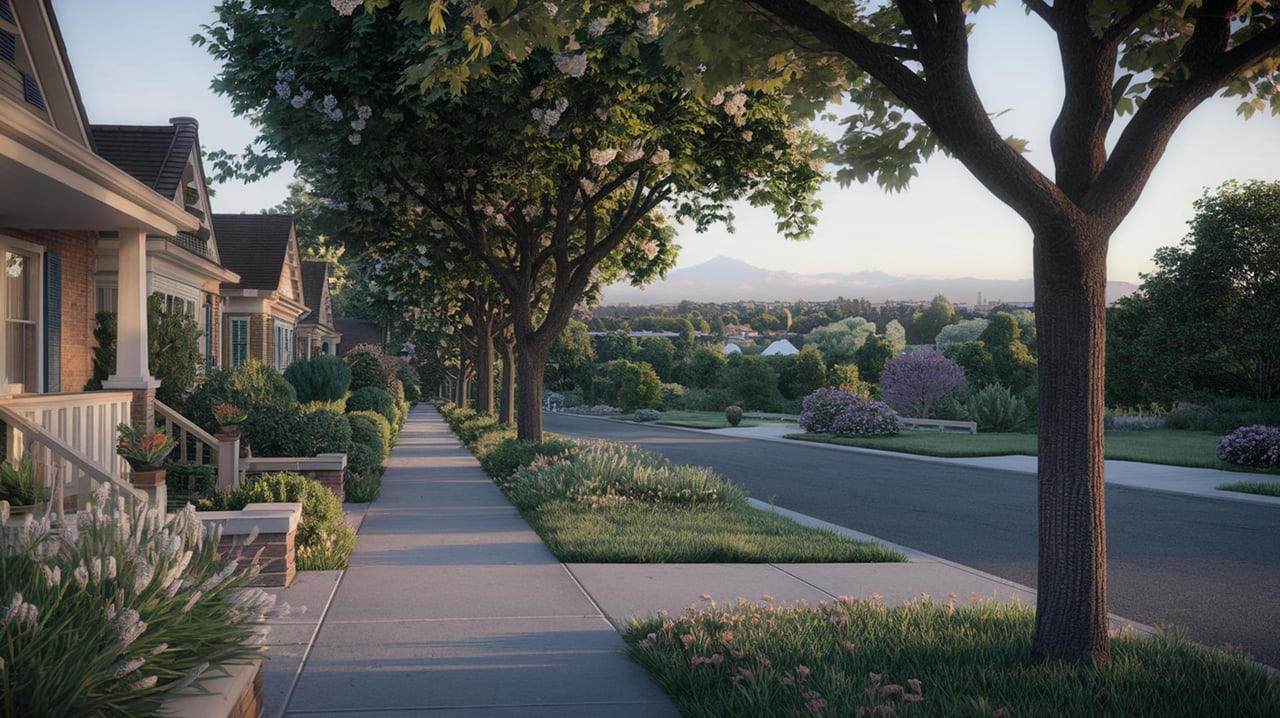
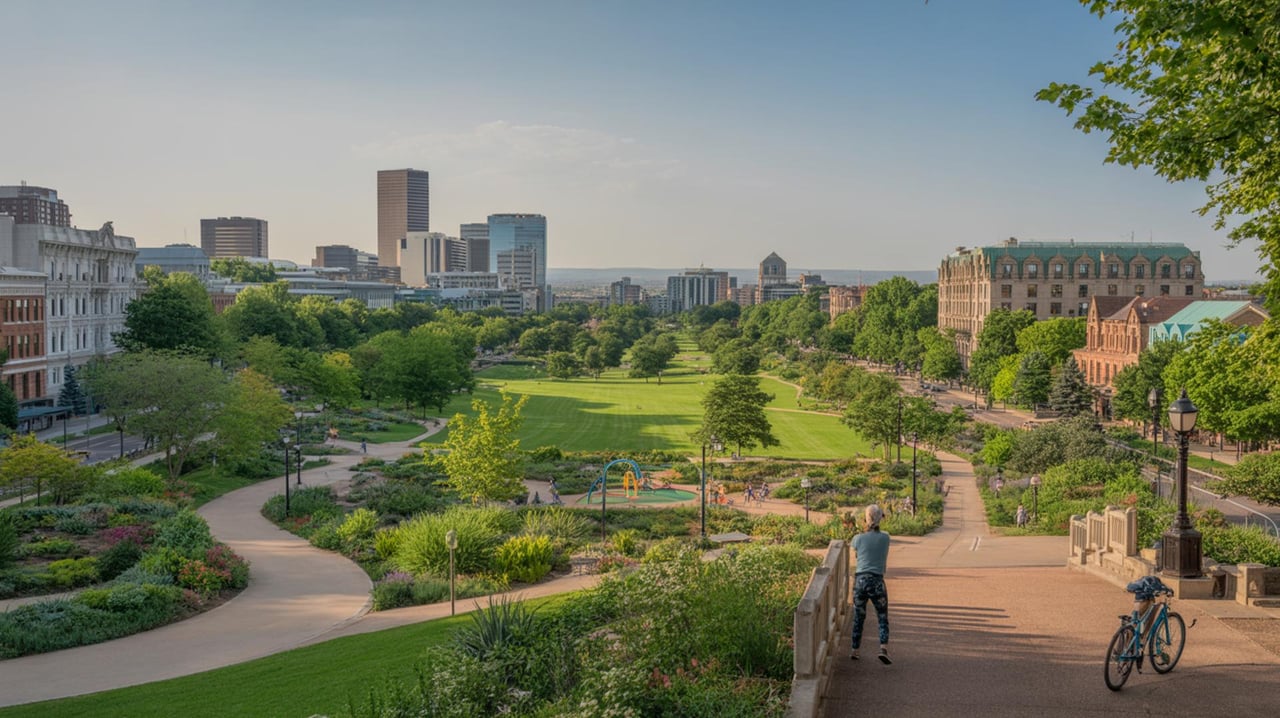
Lone Tree also offers a balance of suburban pace and local activity. The city highlights dining, shopping, parks, trails, and events at the Lone Tree Arts Center. That creates a lifestyle that feels active and polished without trying to mimic an urban core.
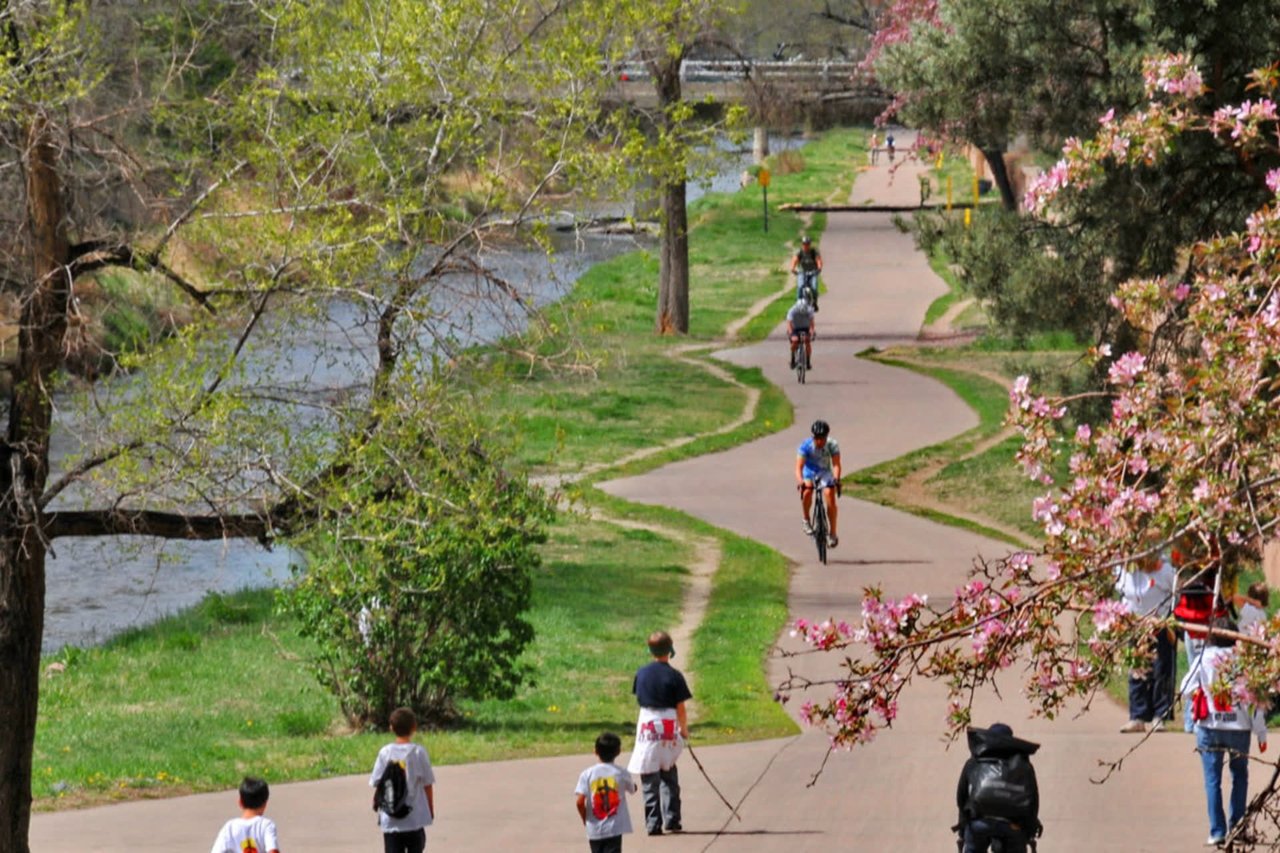
For outdoor time, the parks, trails, and open space system is a real asset. The city lists Willow Creek Trail, the East/West Regional Trail, and Bluffs Regional Park and Trail. The East/West trail runs 27 miles one way with connectors around Lone Tree, and Bluffs Regional Park includes a 2.7-mile loop, which gives you easy options for a walk, run, or quick reset after work.
Housing choices in Lone Tree
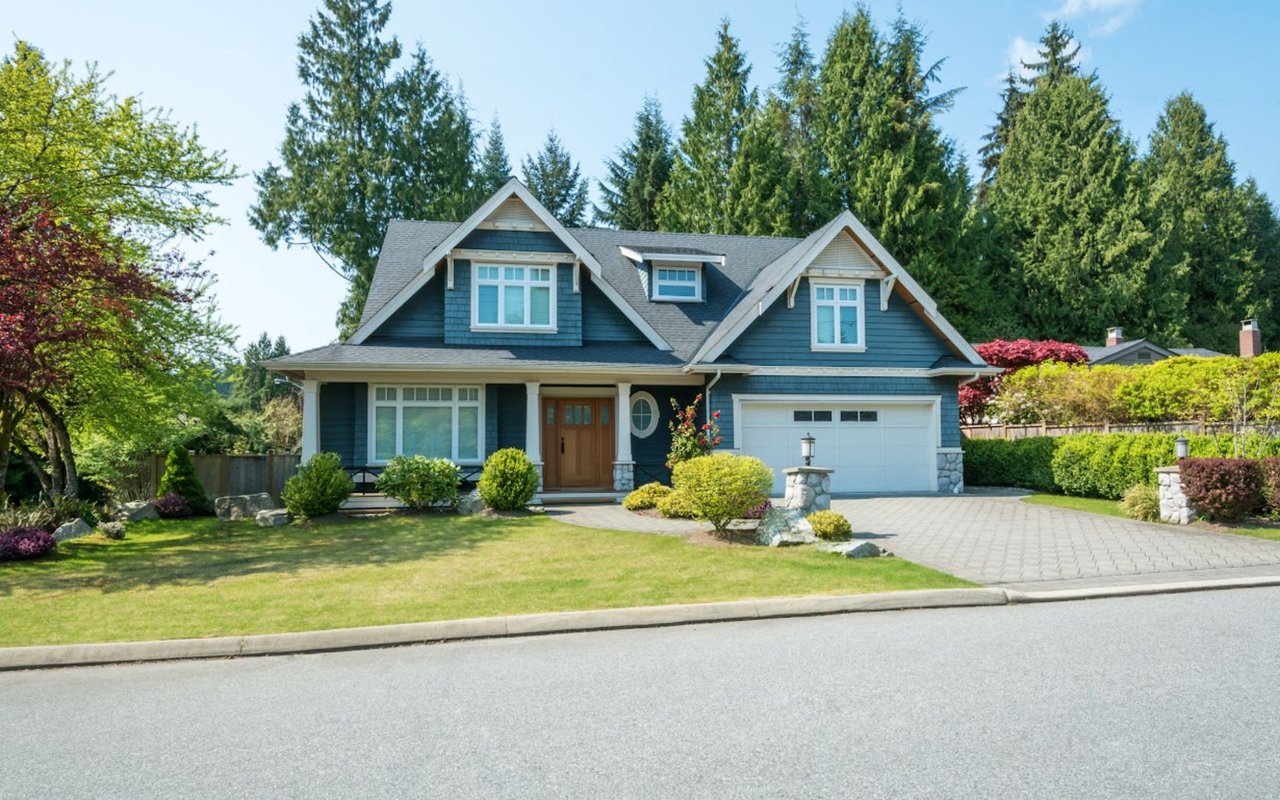
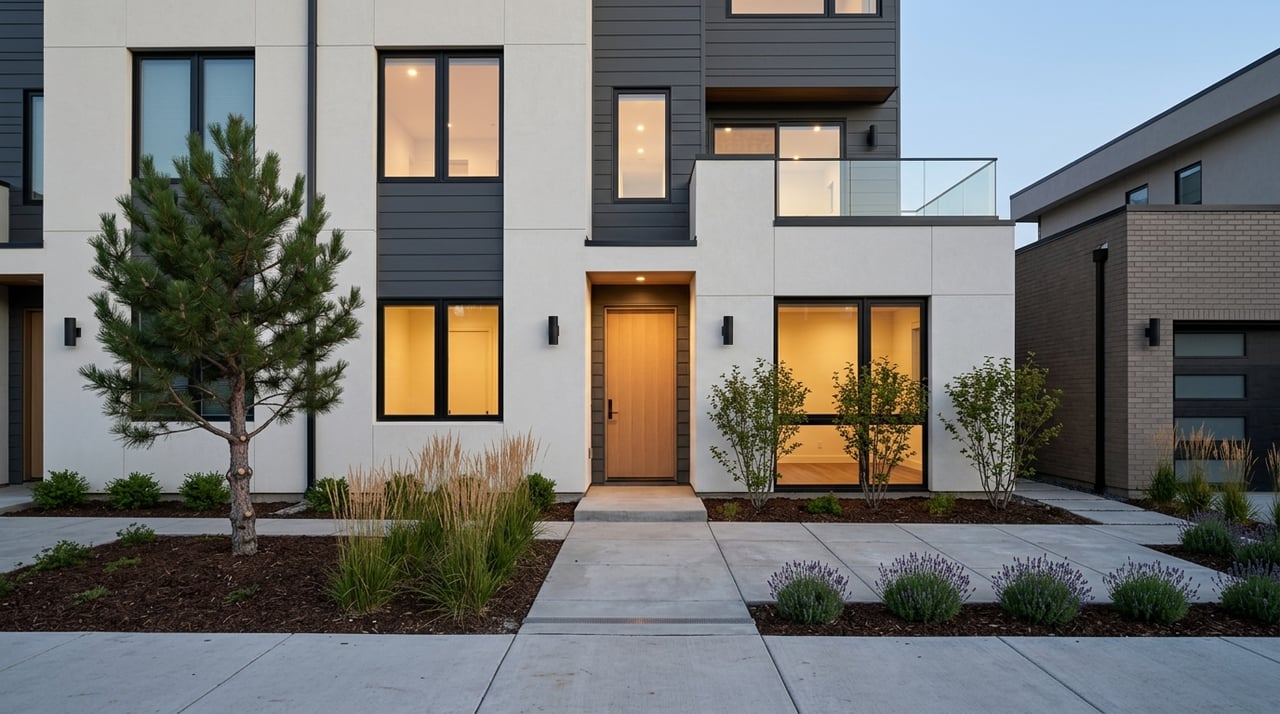
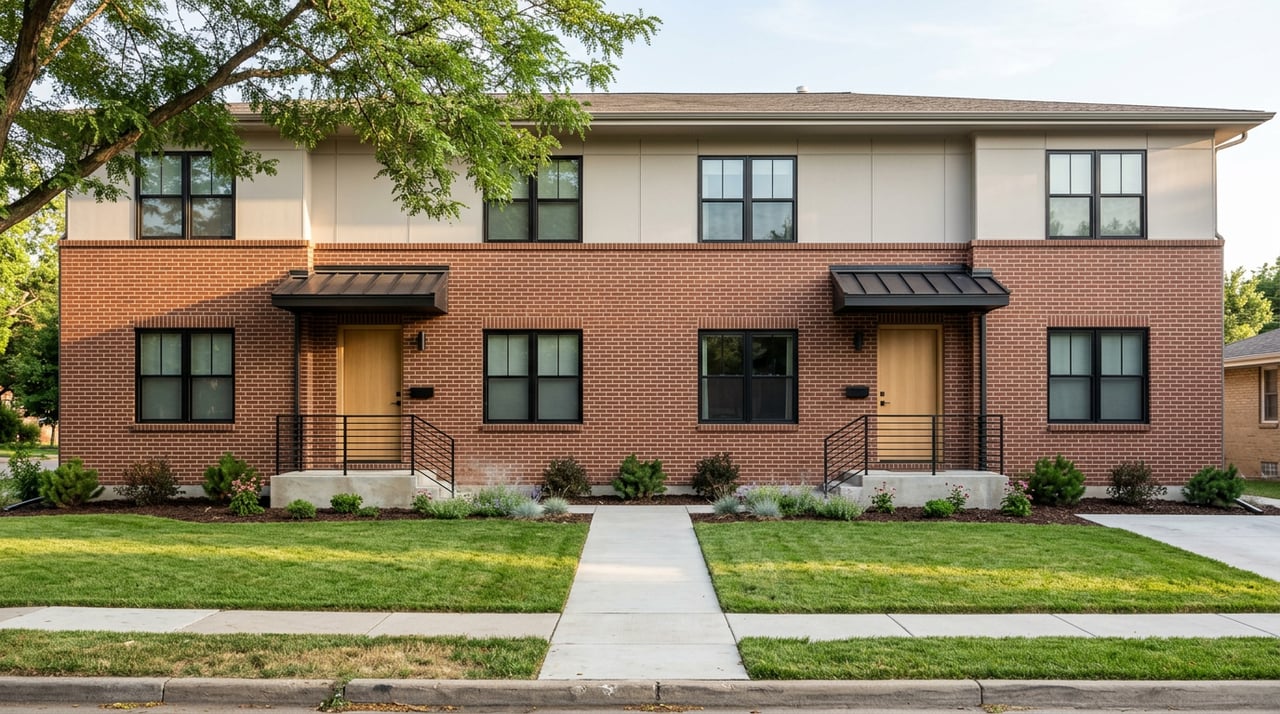
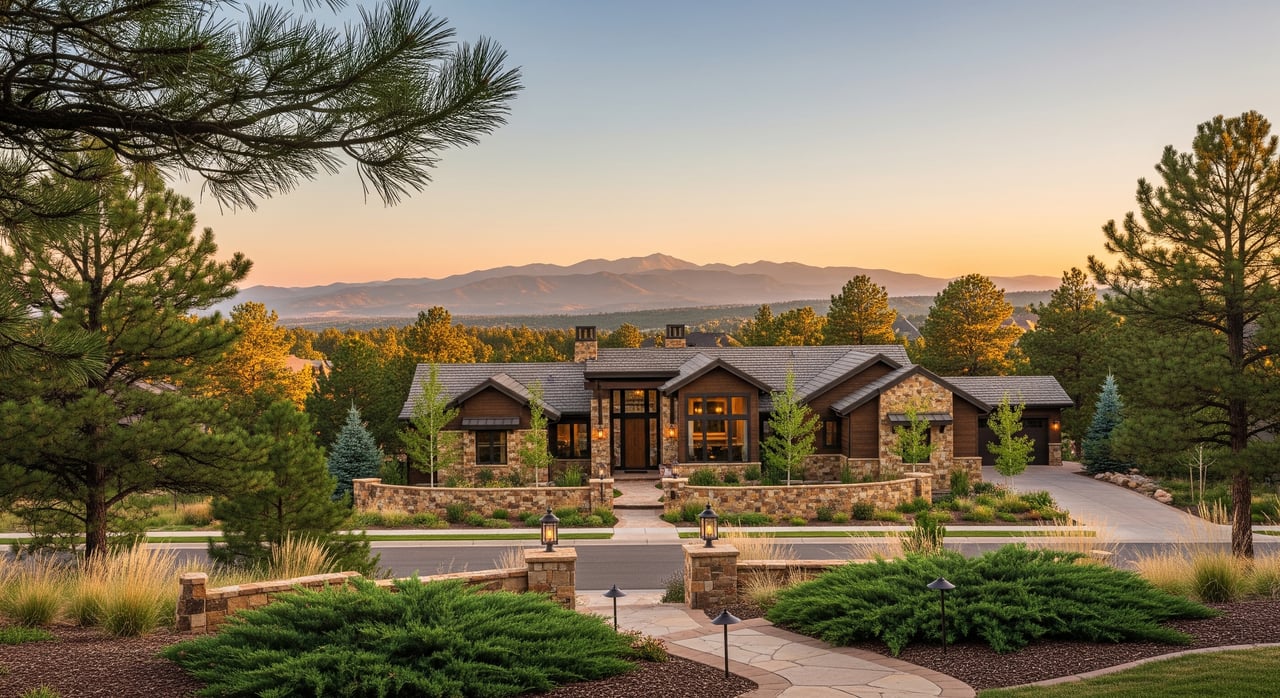
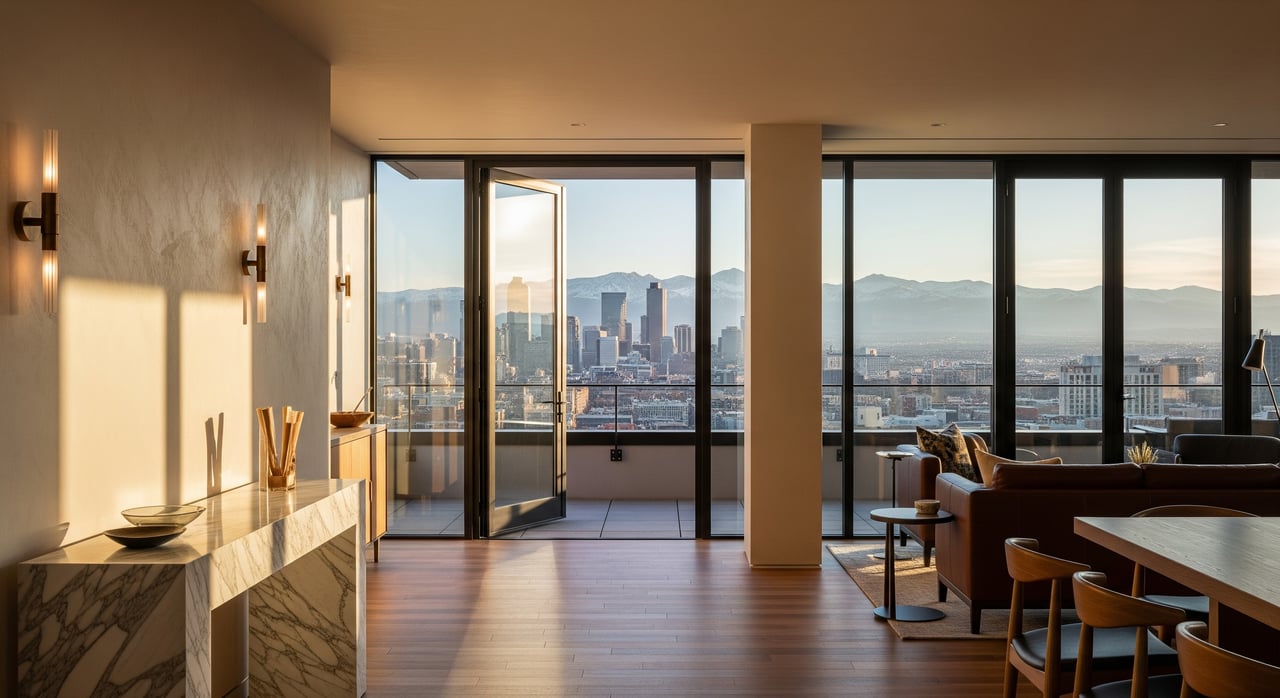
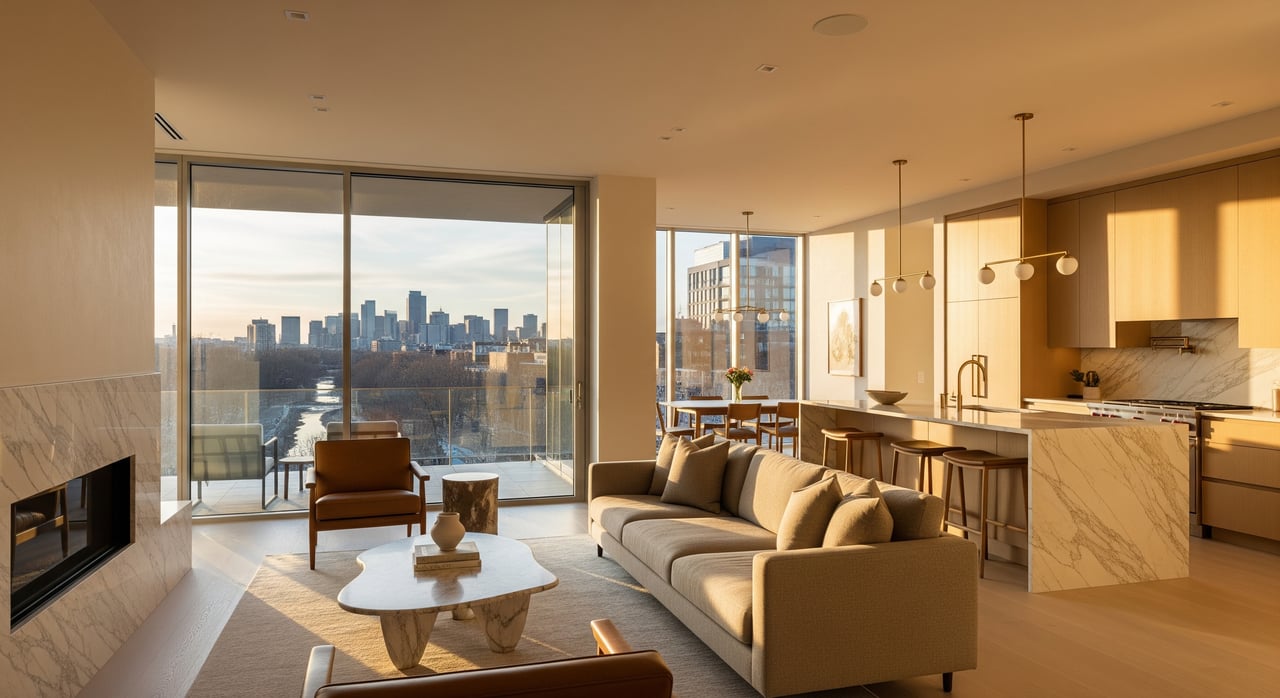
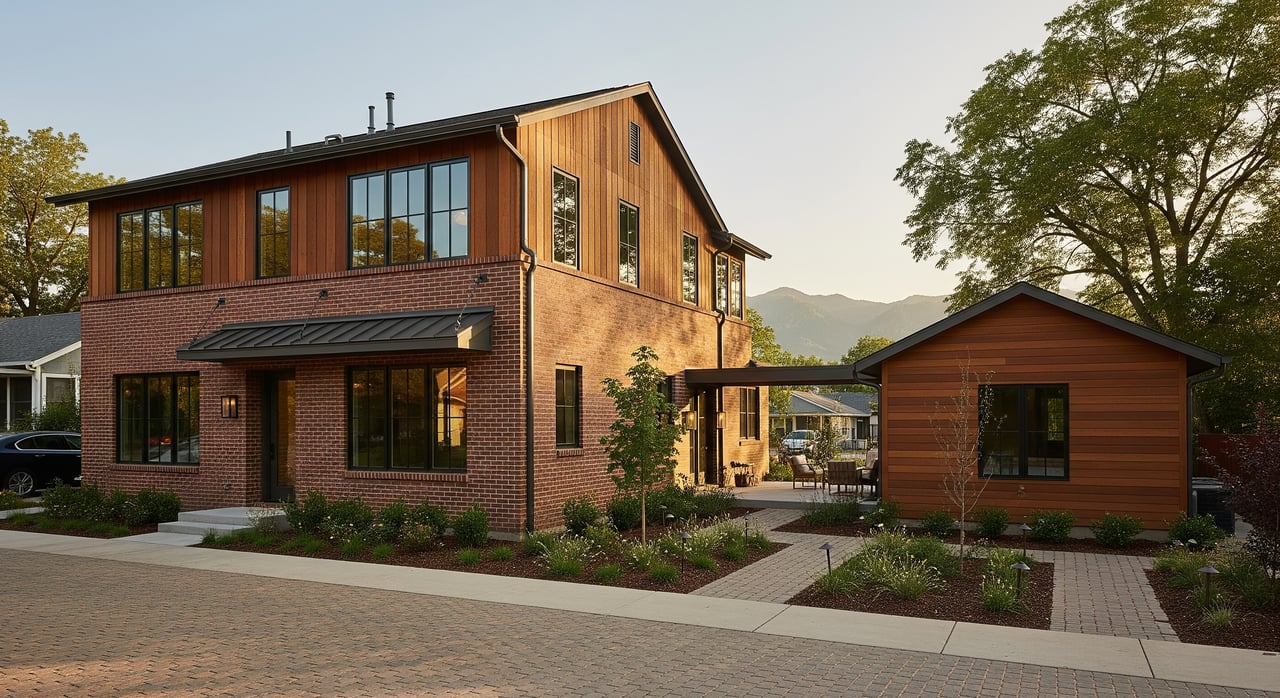
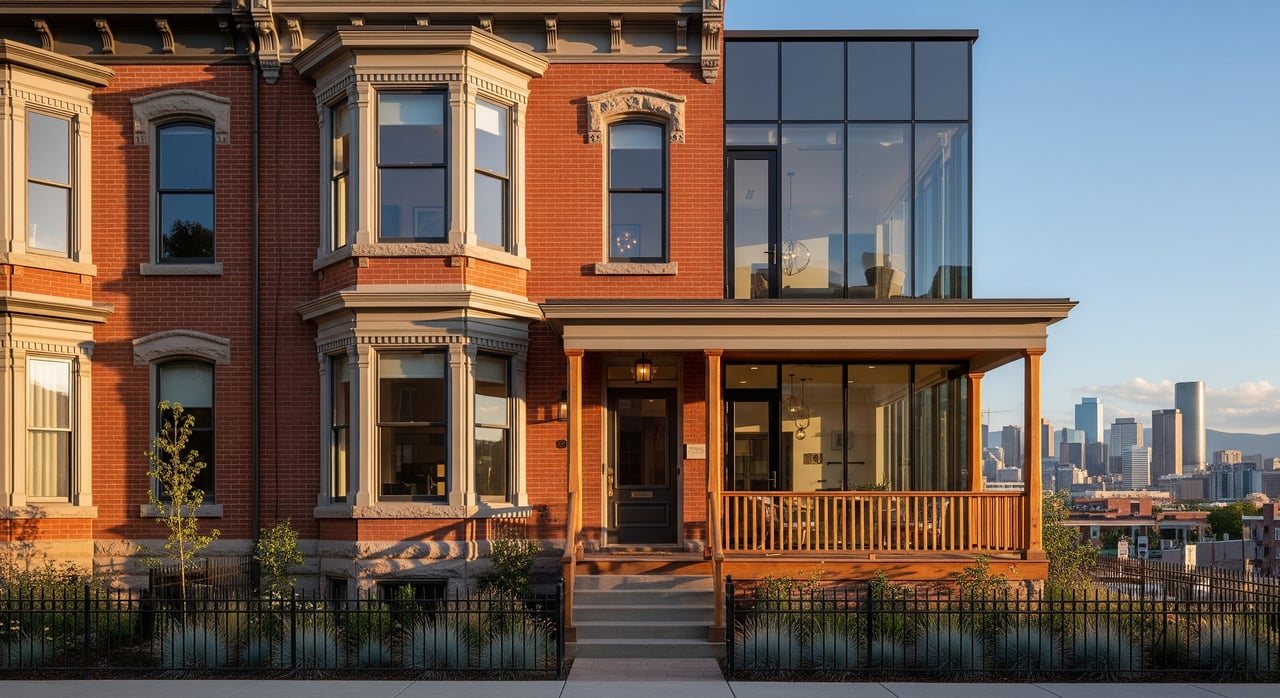
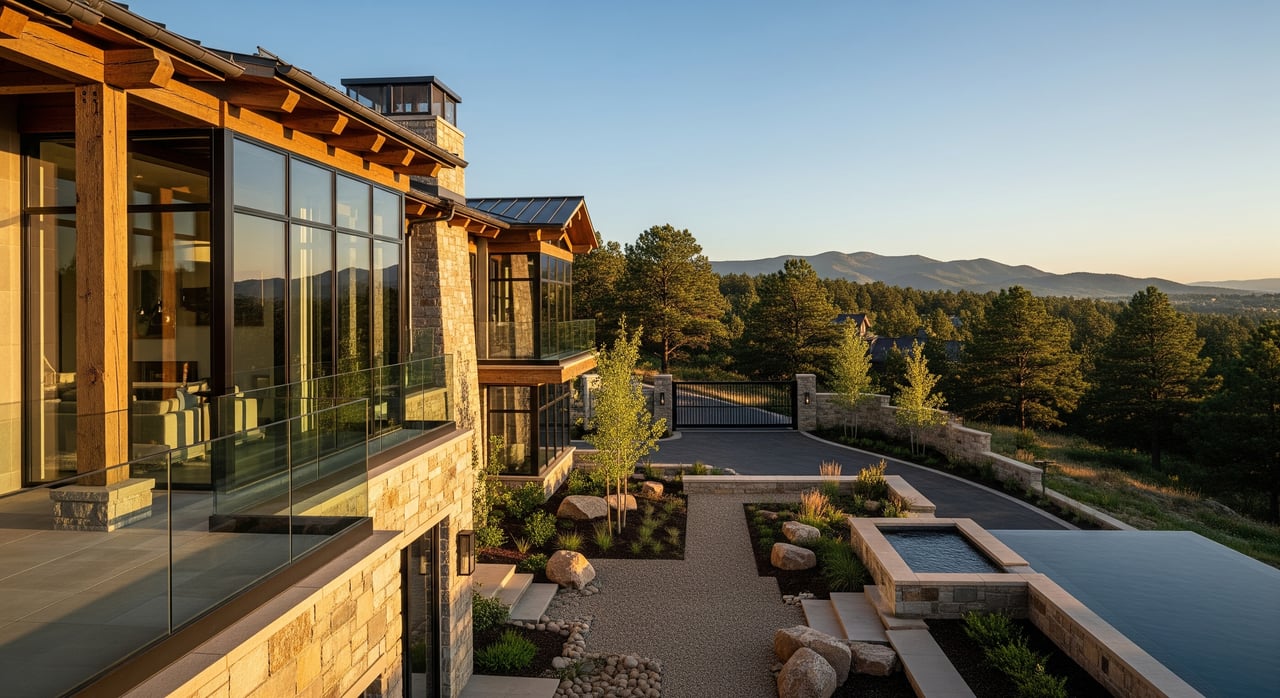
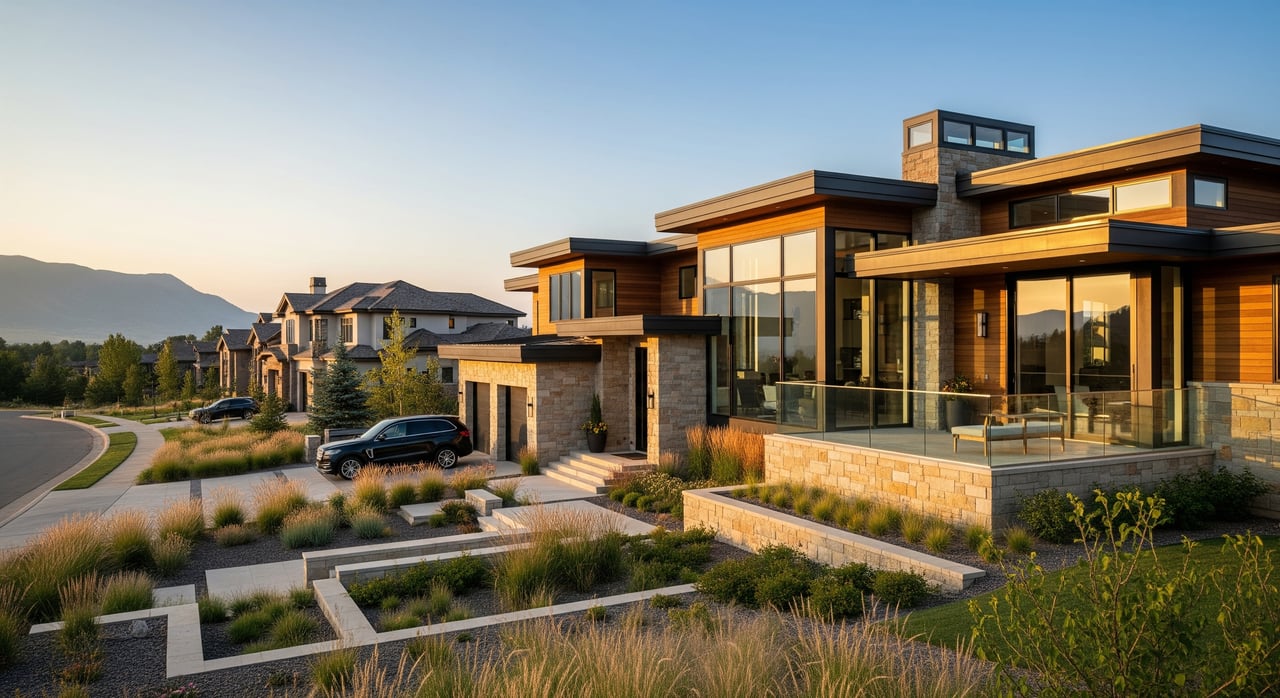
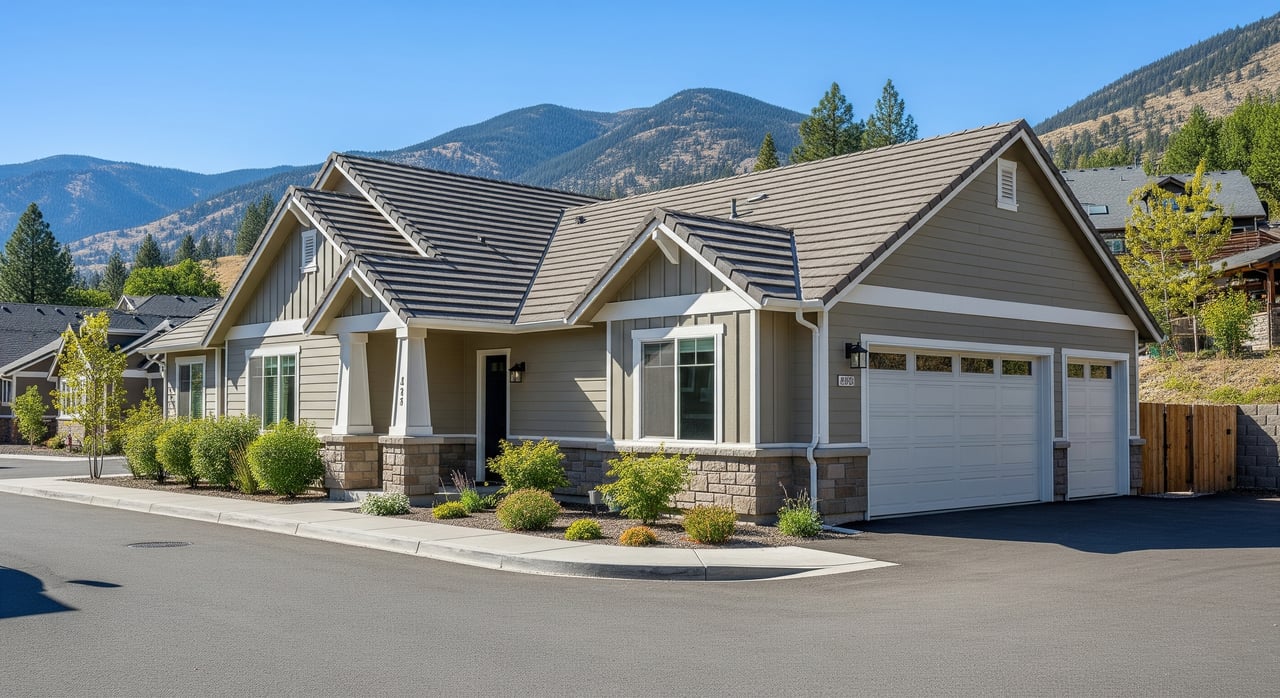
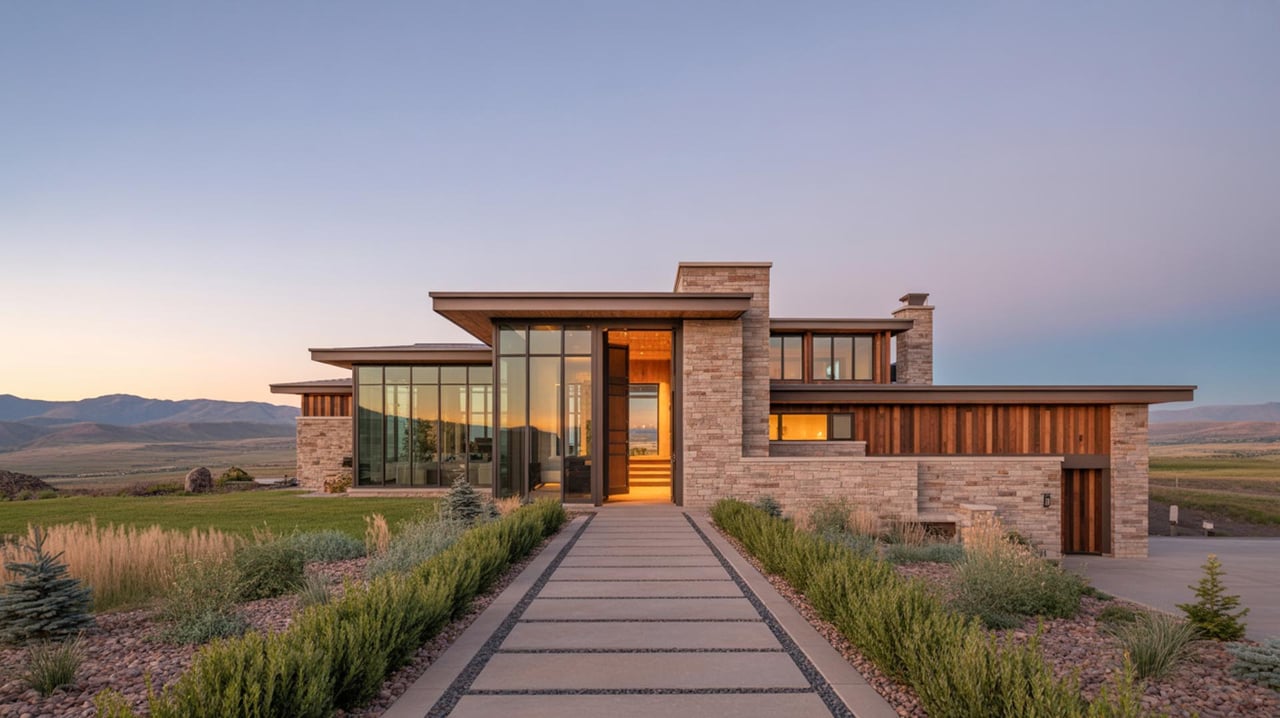
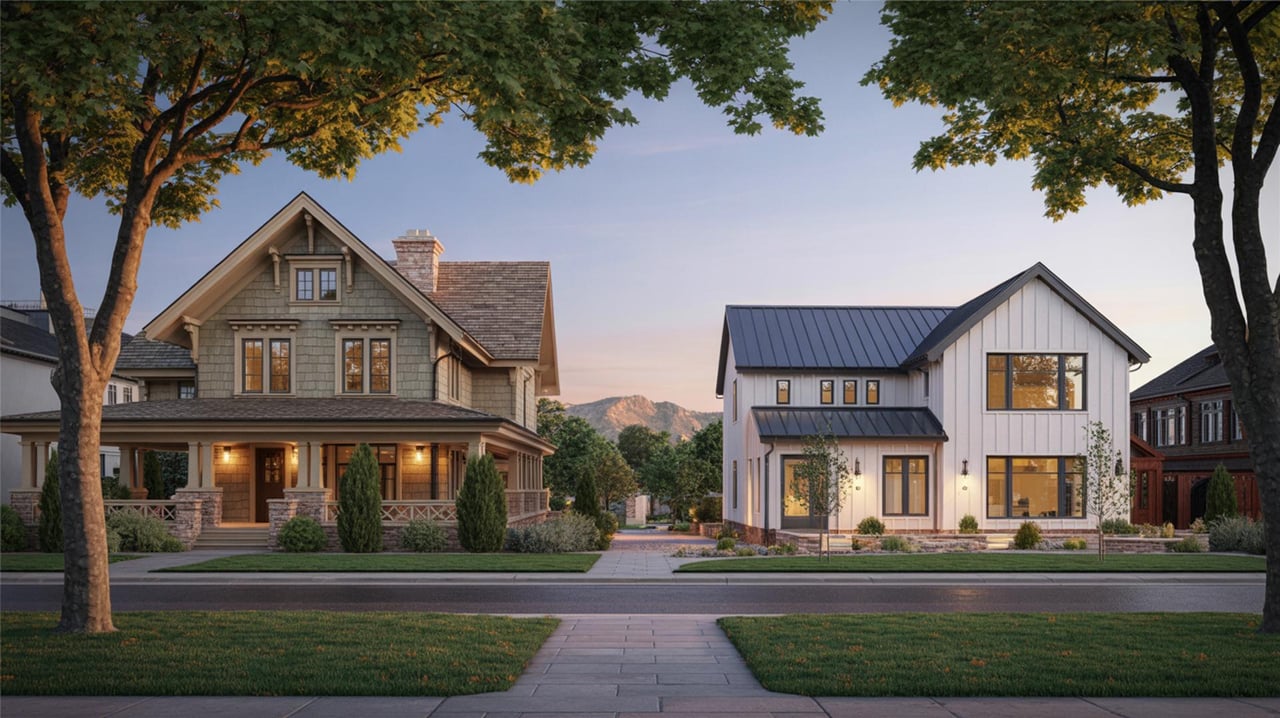
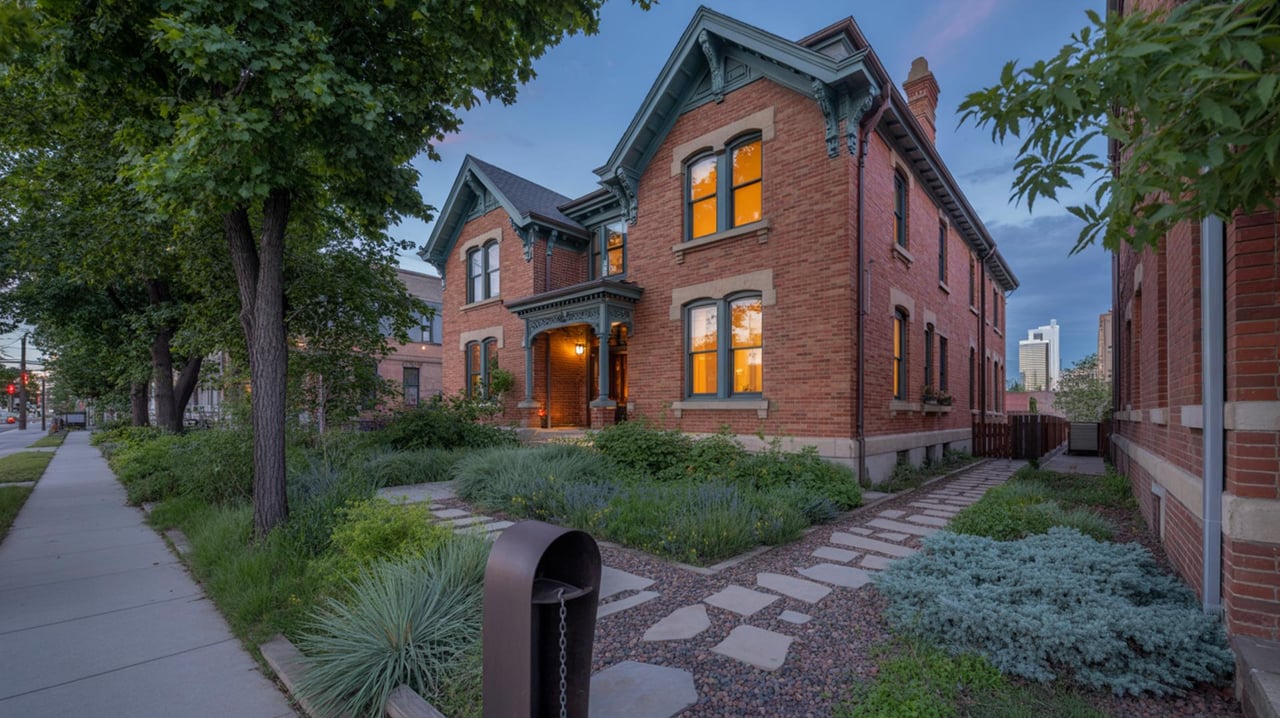
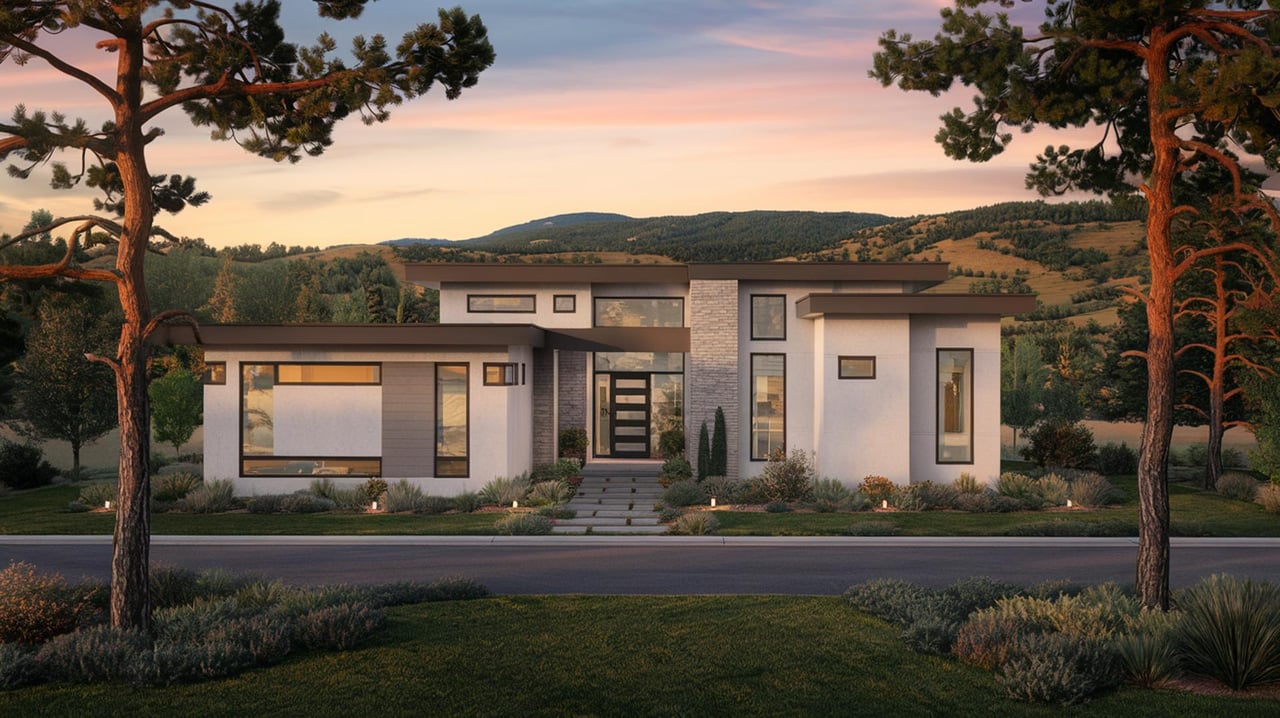
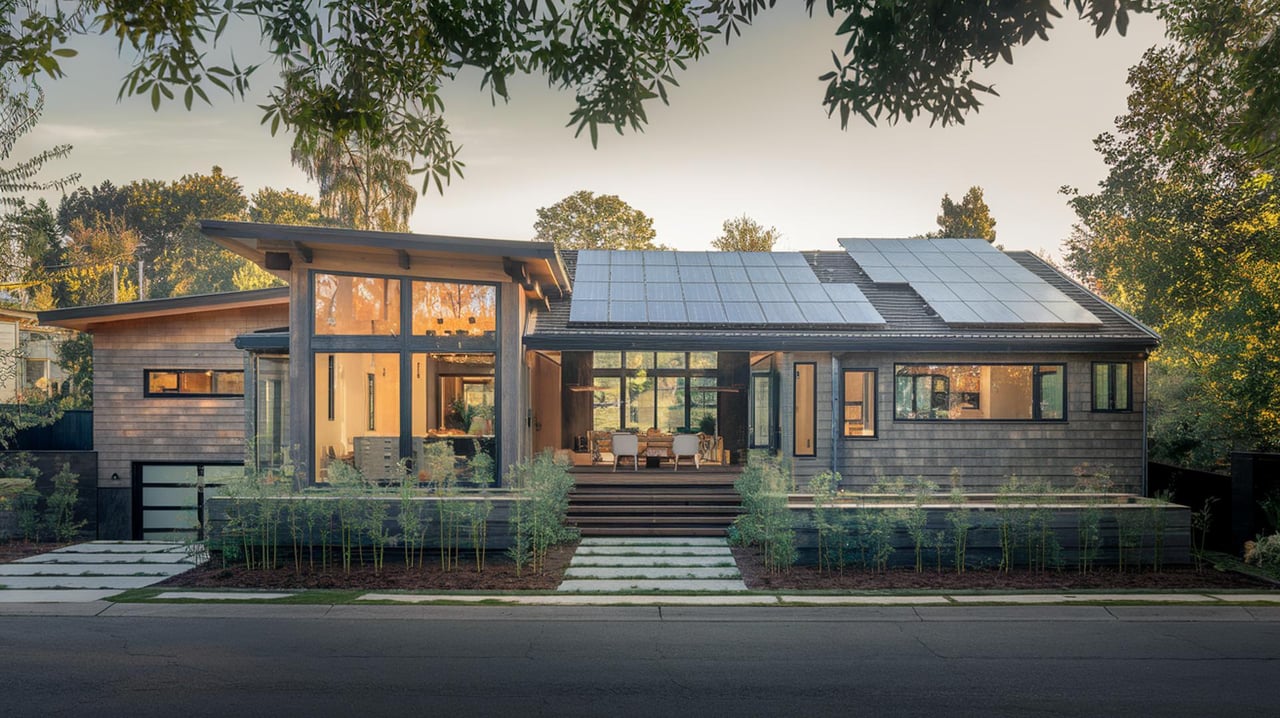
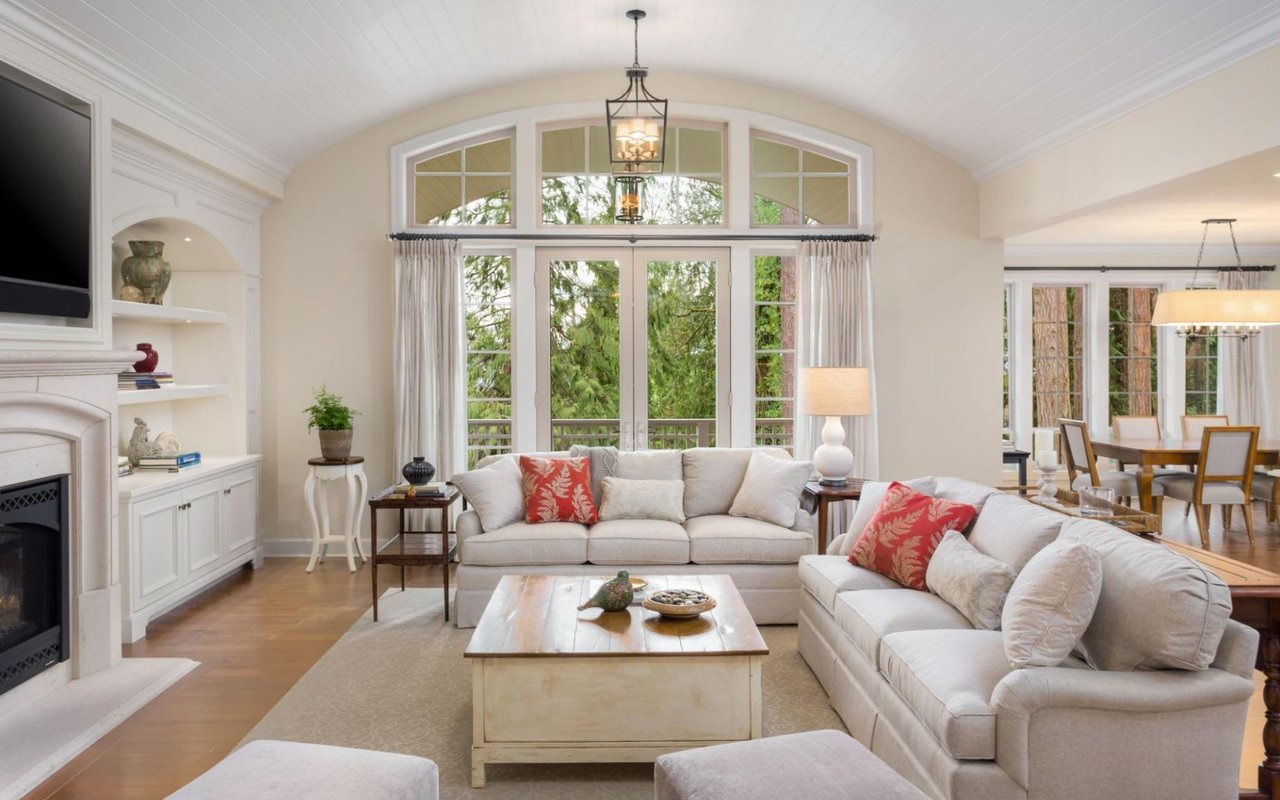
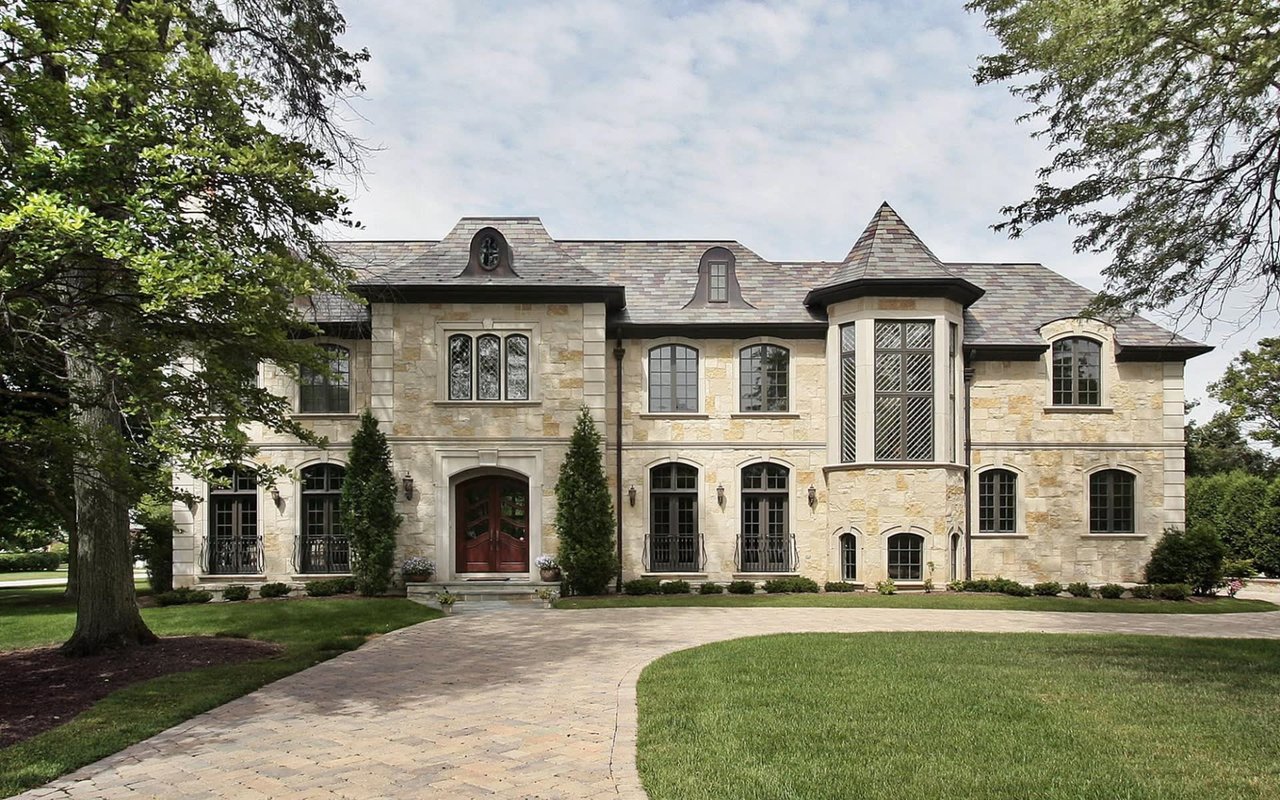
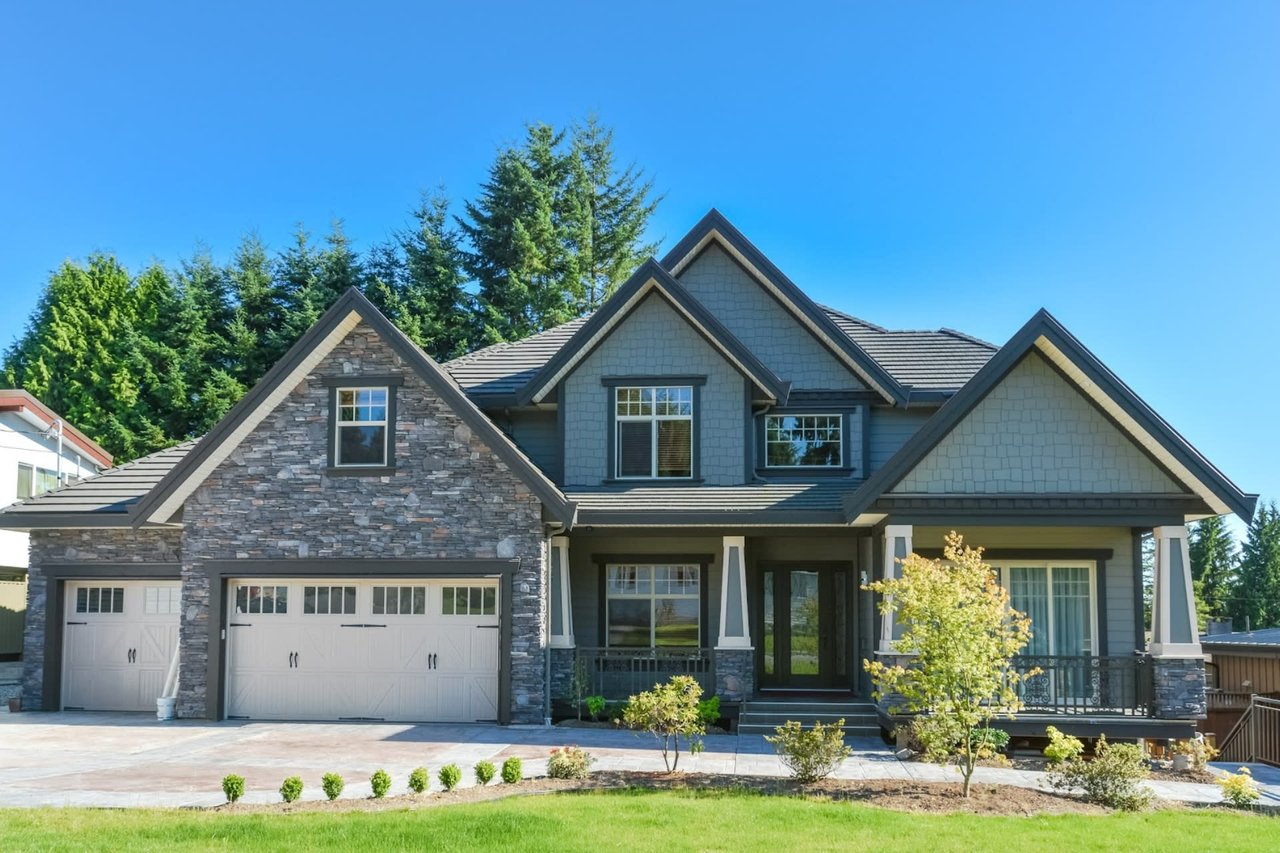
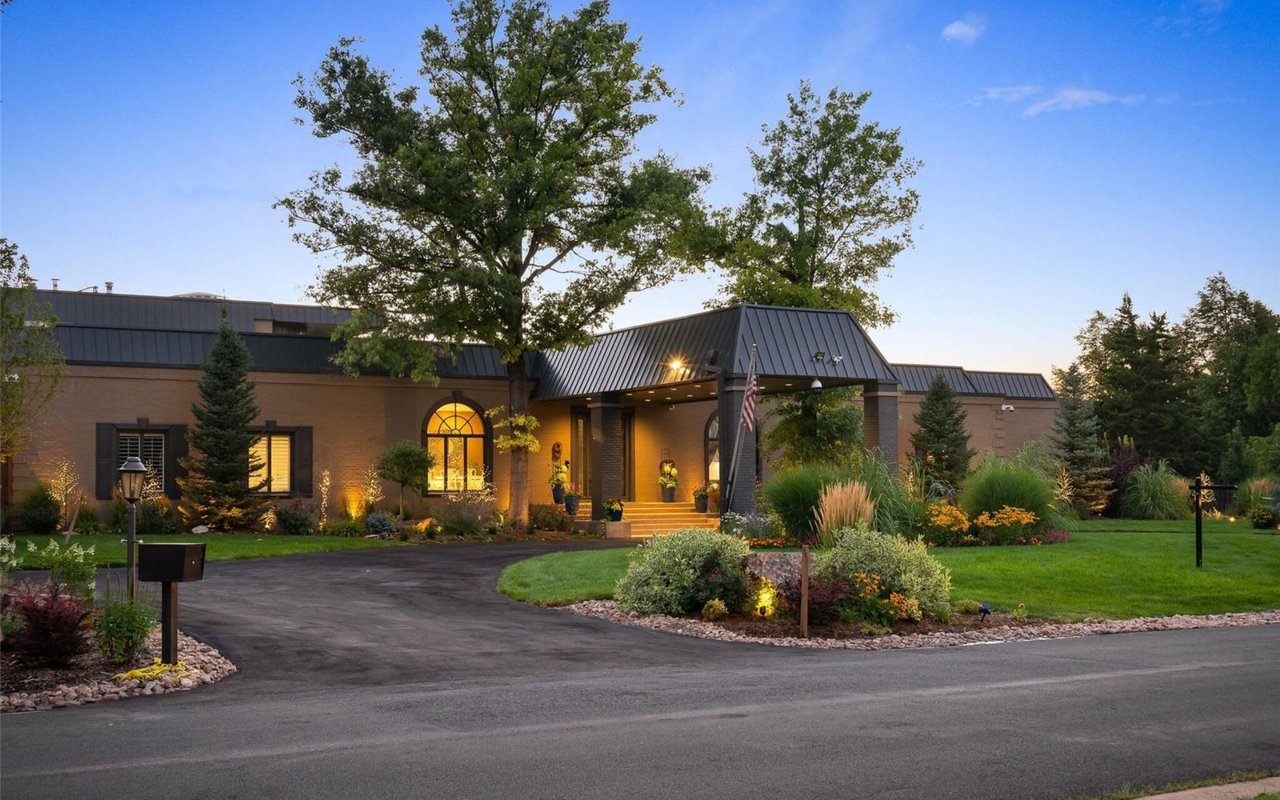
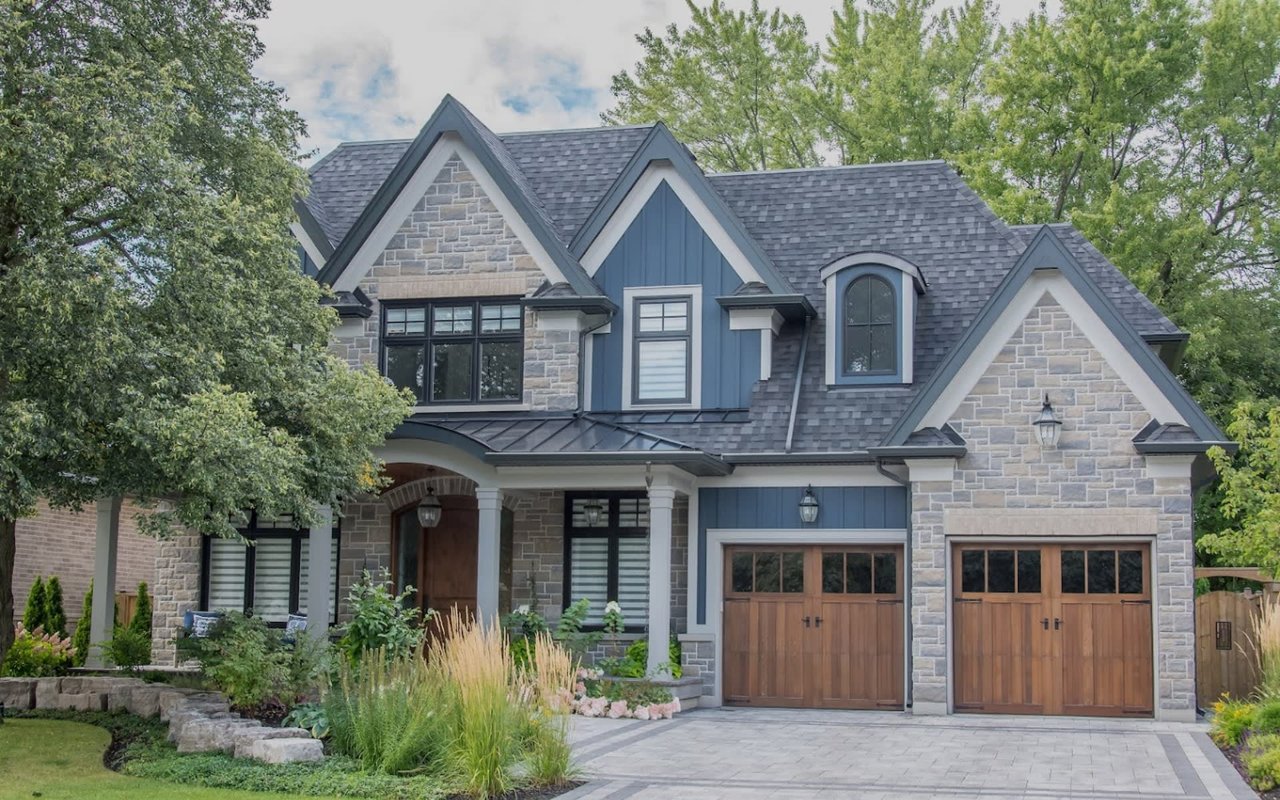
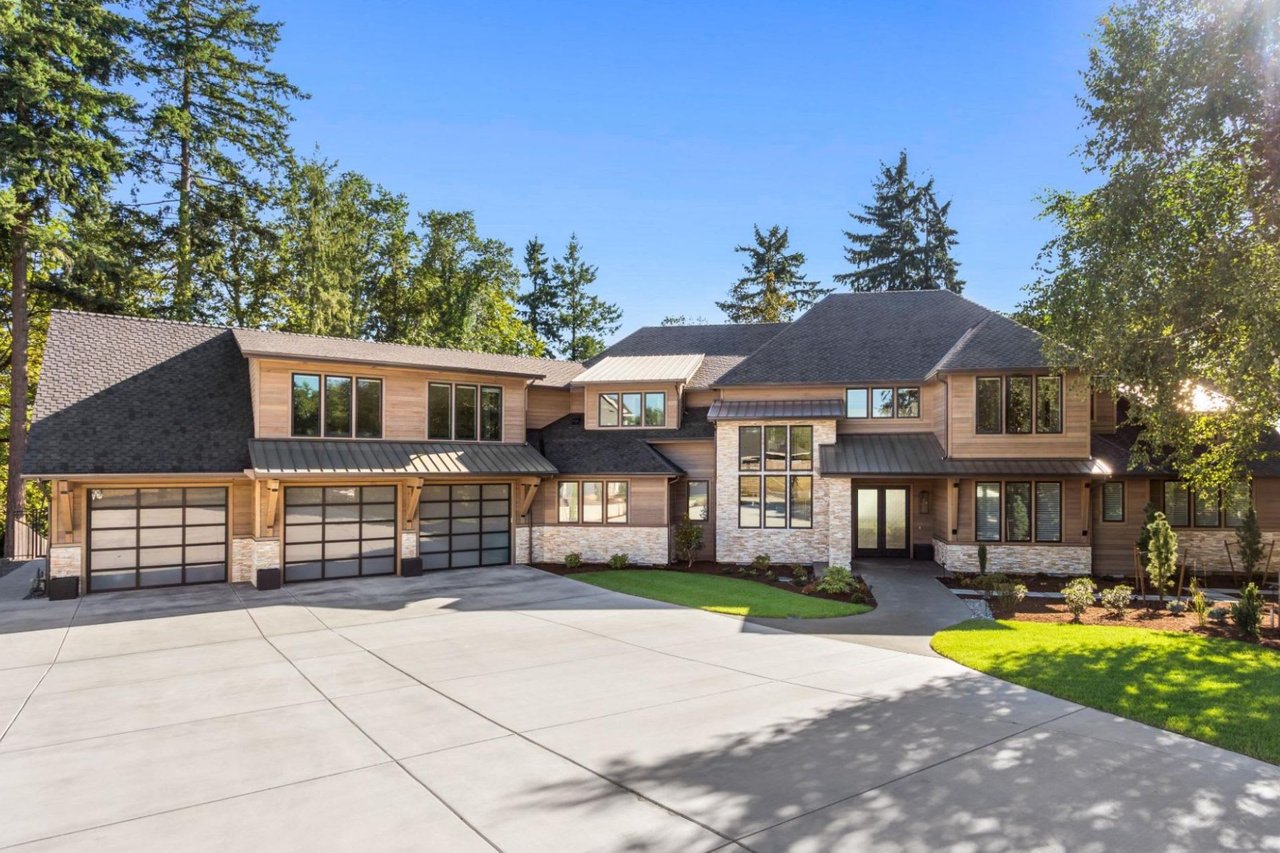
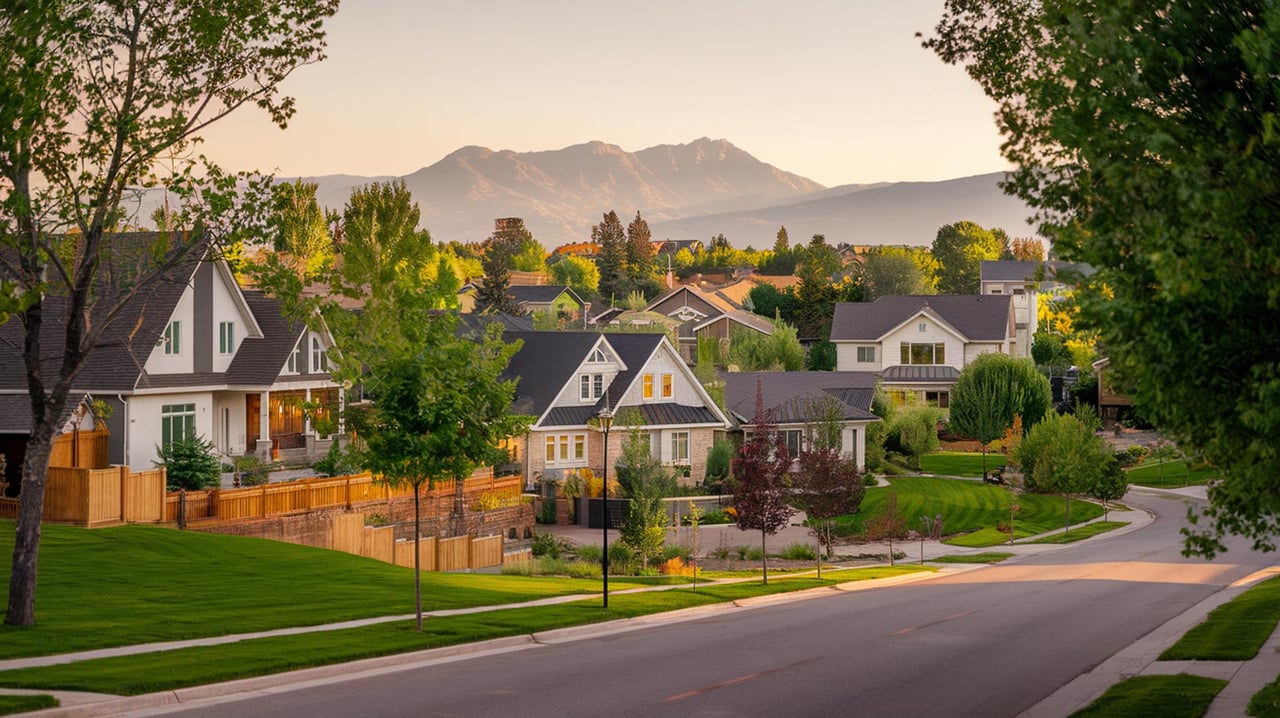
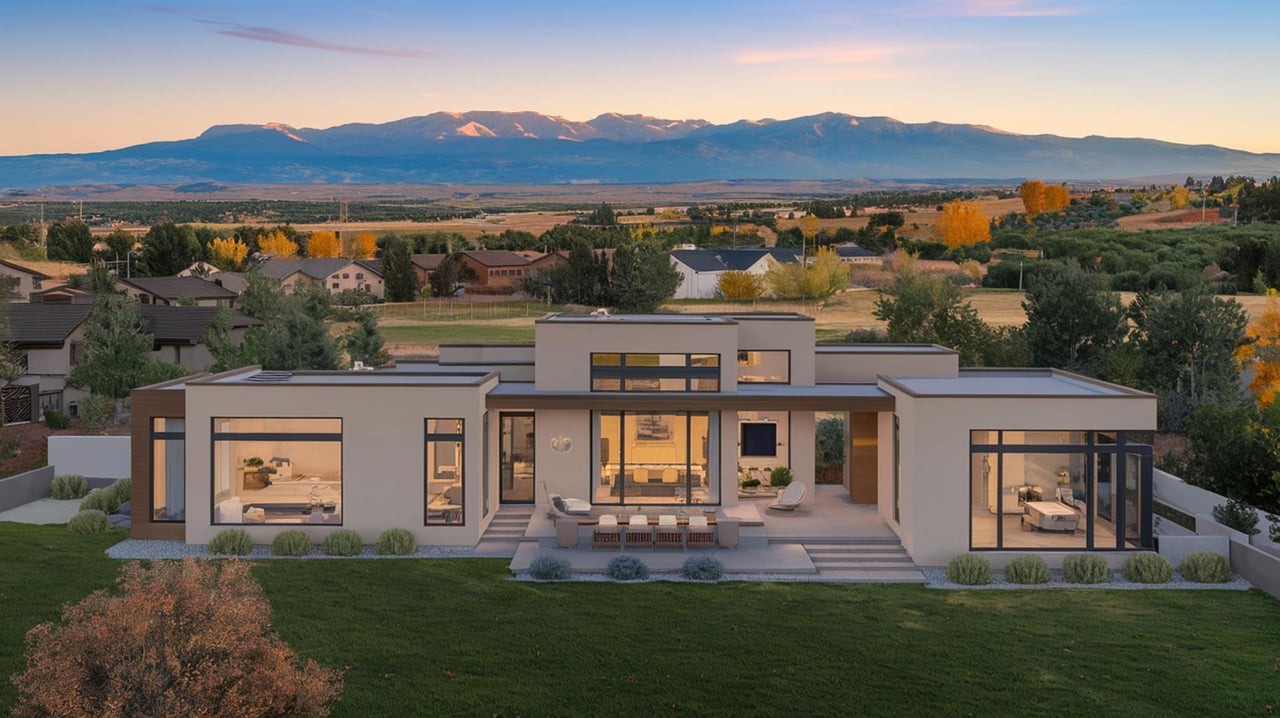
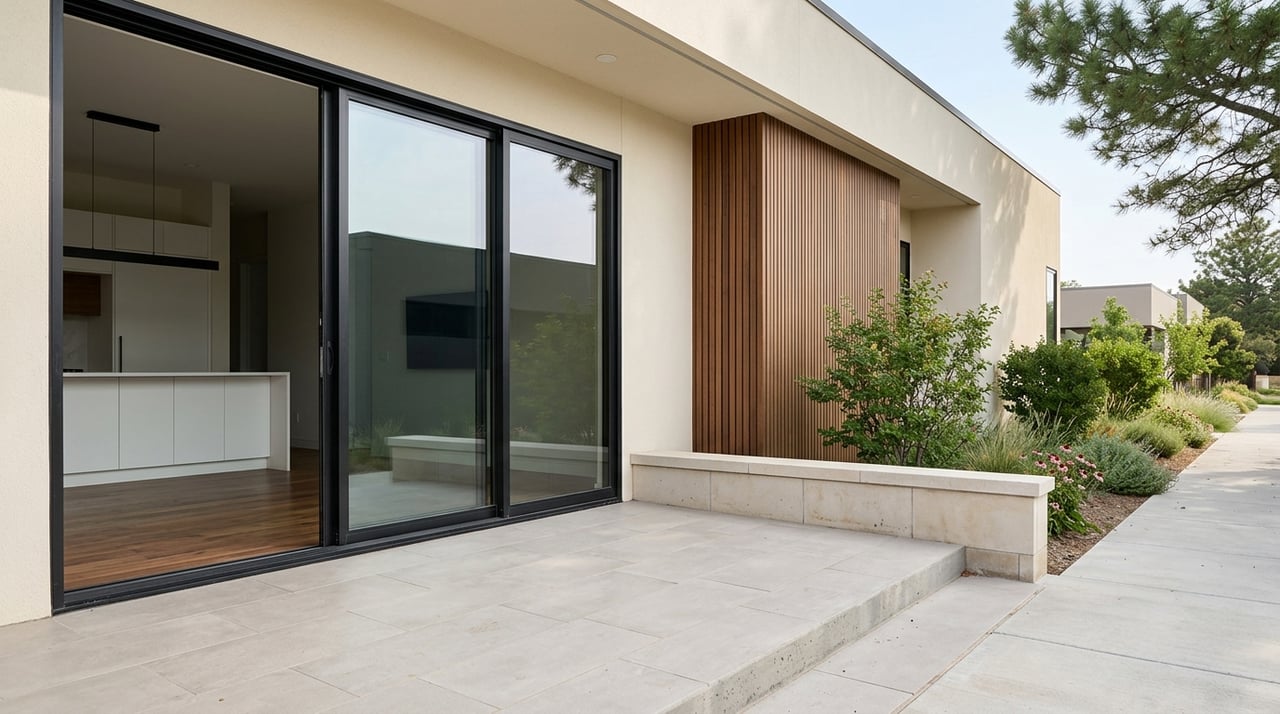
If you picture Lone Tree as one type of suburb with one type of home, the current housing picture is broader than that. City materials describe a mix that includes single-family homes, townhomes, condos, apartments, senior living, and supportive or affordable housing. That variety is one reason Lone Tree appeals to both established homeowners and incoming professionals.
A city feature notes roughly 2,975 single-family homes, 792 townhomes, 330 condos, 3,898 apartments, 434 senior living units, and 28 supportive or affordable housing units. The same source also notes that more than 230 homes were produced by Koelbel for residents seeking more affordable options. Together, those numbers suggest a market with more choice than many people expect in a smaller south-metro city.
A city still evolving
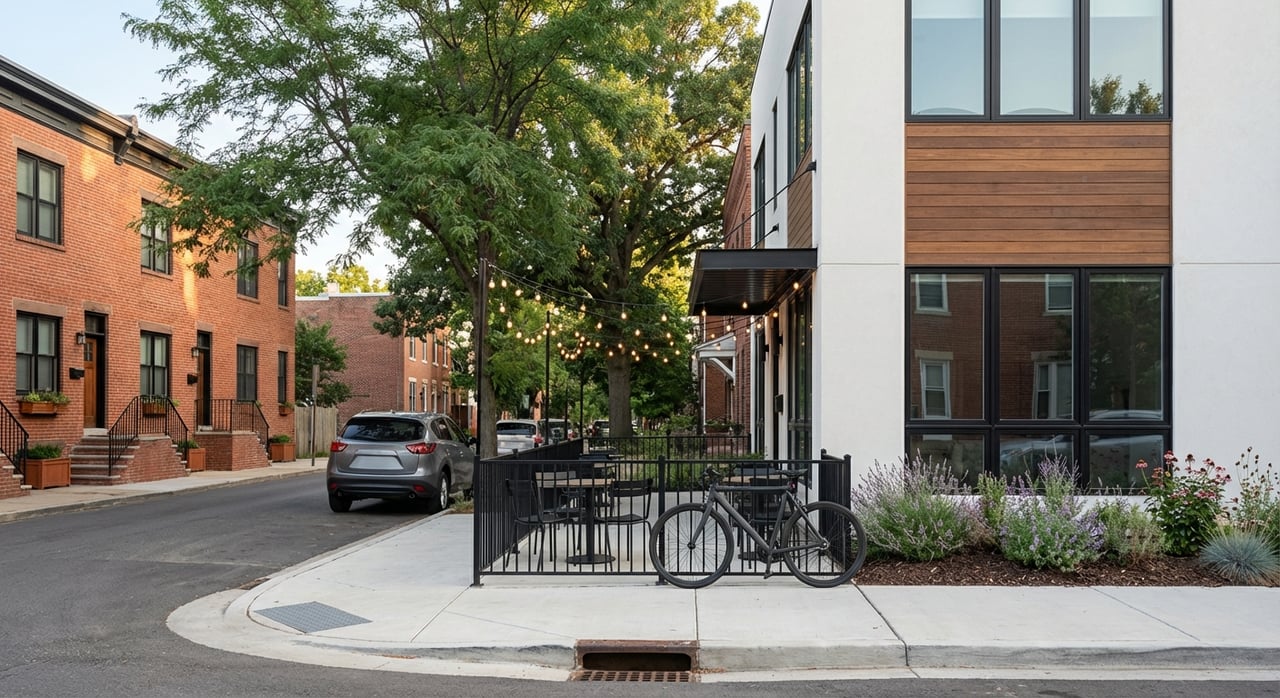
Lone Tree is not standing still. The City Center plan envisions 5,000 residential units and frames the area as a transit-oriented district with connections to downtown Denver, DTC, Meridian, and Denver International Airport. For relocation buyers, that signals ongoing growth around walkable and mixed-use areas.
The city’s planning materials also point to newer apartment and townhome development in areas like RidgeGate and Willow Creek. That reinforces a simple takeaway: Lone Tree offers both established residential areas and newer housing tied to transit-oriented growth. If you want choices in style, maintenance level, and proximity to amenities, that matters.
Who tends to like Lone Tree most
Lone Tree can be a strong fit if your top priority is building a smoother weekly routine. It especially appeals to people who want to stay connected to DTC while keeping shopping, dining, and recreation close by. If you value efficiency and flexibility, Lone Tree checks a lot of boxes.
You may want to focus on Lone Tree if you are looking for:
- Quick access to DTC by road or rail
- Multiple light rail station options
- A mix of home types, from detached homes to attached and multifamily options
- Nearby retail and dining for daily convenience
- Trails and parks that are easy to work into your routine
- A smaller city feel with a strong regional connection
How Lone Tree compares nearby
If you are choosing among south-metro communities, it helps to know what makes each one different. Lone Tree is not the only option for a DTC worker, but it has a distinct combination of strengths.
Lone Tree vs. Greenwood Village
Greenwood Village is a natural comparison because it also offers light rail access and close ties to the employment corridor. If your main goal is to be as close as possible to an office-oriented environment, Greenwood Village may be worth a look. Lone Tree, though, brings a more compact mix of commuting, retail, and everyday convenience.
Lone Tree vs. Highlands Ranch
Highlands Ranch is much larger in scale, with about 103,000 residents, 26 parks, and more than 70 miles of trails across a 22,000-acre master-planned community. If you want a larger suburban footprint, it may suit you well. If you want a more transit-dense and compact setup, Lone Tree may feel easier to navigate.
Lone Tree vs. Centennial
Centennial offers more than 100 parks, 100 miles of trails, and more than 4,000 acres of open space through partnerships. That makes it a strong option if open space is your top priority. Lone Tree, by comparison, leans more heavily into the blend of transit, retail access, and mixed-use development.
Lone Tree vs. Parker
Parker has a different transportation pattern, with commuter-oriented bus and park-and-ride options rather than the same level of rail density. The town’s strategic plan also emphasizes a hometown feel. If you prefer a more traditional suburban-town identity, Parker may appeal to you. If direct rail access and a tighter commuter footprint matter more, Lone Tree has the edge.
A simple way to decide
If you are relocating for Denver Tech Center work, start with your weekly routine, not just a map. Ask yourself how you want mornings, errands, airport trips, workouts, and evenings to function. The best fit is often the city that reduces friction across all of those moving parts.
Lone Tree may be your best match if you want a commuter-friendly base with multiple transportation options, a growing housing mix, and strong day-to-day convenience. It is especially compelling if you want a suburban setting that still feels connected and efficient.
If you are weighing Lone Tree against other south-metro options, a local strategy can make the decision much clearer. Alex Rice offers a polished, hands-on approach for relocation buyers who want clear guidance, neighborhood insight, and smart positioning from the start.
FAQs
Is Lone Tree a good place to live if you work in the Denver Tech Center?
- Yes. Lone Tree offers access to I-25, C-470, and E-470, plus five light rail stations and local shuttle options that can support a flexible DTC commute.
Does Lone Tree have light rail access for Denver-area commuters?
- Yes. The city says Lone Tree has five light rail stations, with a mix of park-and-ride and walk-up station options.
What kinds of homes are available in Lone Tree, Colorado?
- City materials describe a mix of single-family homes, townhomes, condos, apartments, senior living units, and other housing types.
Is Lone Tree more urban or suburban in feel?
- Lone Tree has a suburban pace, but it is organized around transit, retail, dining, and mixed-use development, so it can feel more connected than a traditional low-density suburb.
How does Lone Tree compare with Highlands Ranch for DTC commuters?
- Highlands Ranch offers a larger suburban footprint and more extensive neighborhood recreation, while Lone Tree stands out for its compact layout, rail access, and convenience-focused daily routine.
What amenities does Lone Tree offer for new residents?
- Lone Tree offers major shopping and dining at Park Meadows, access to parks and trails, arts and entertainment, and city transportation options that support everyday convenience.