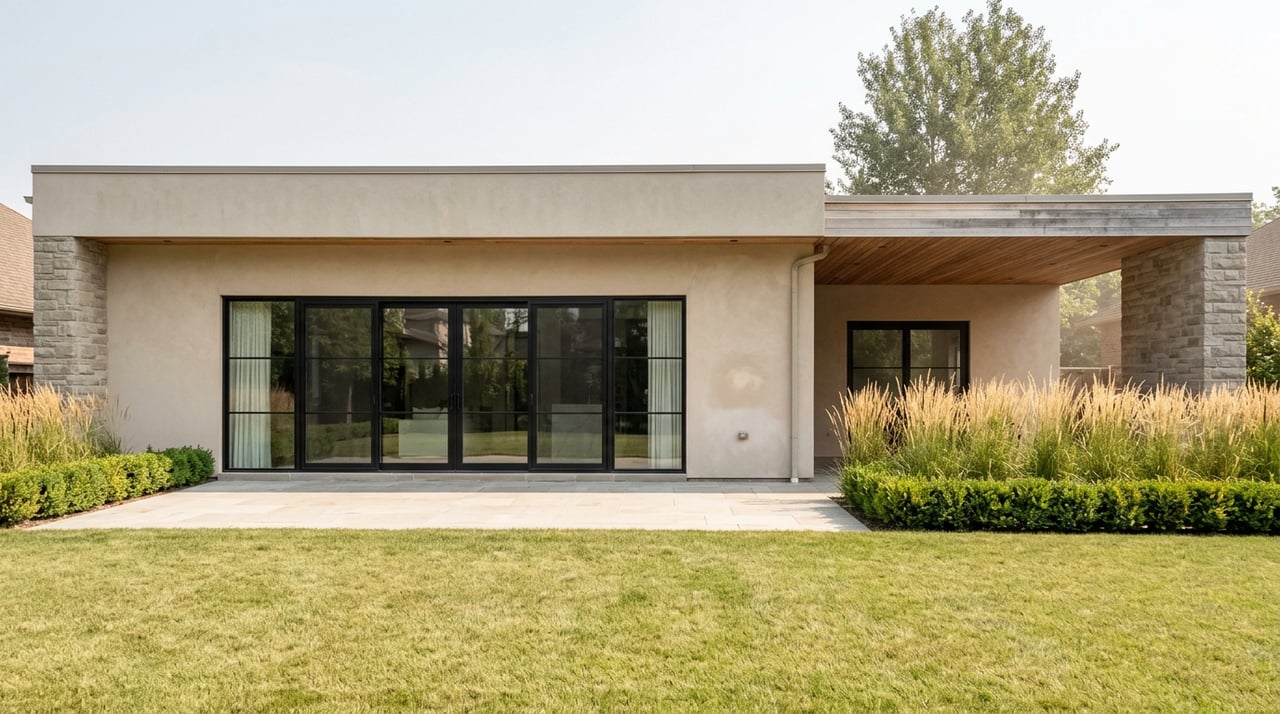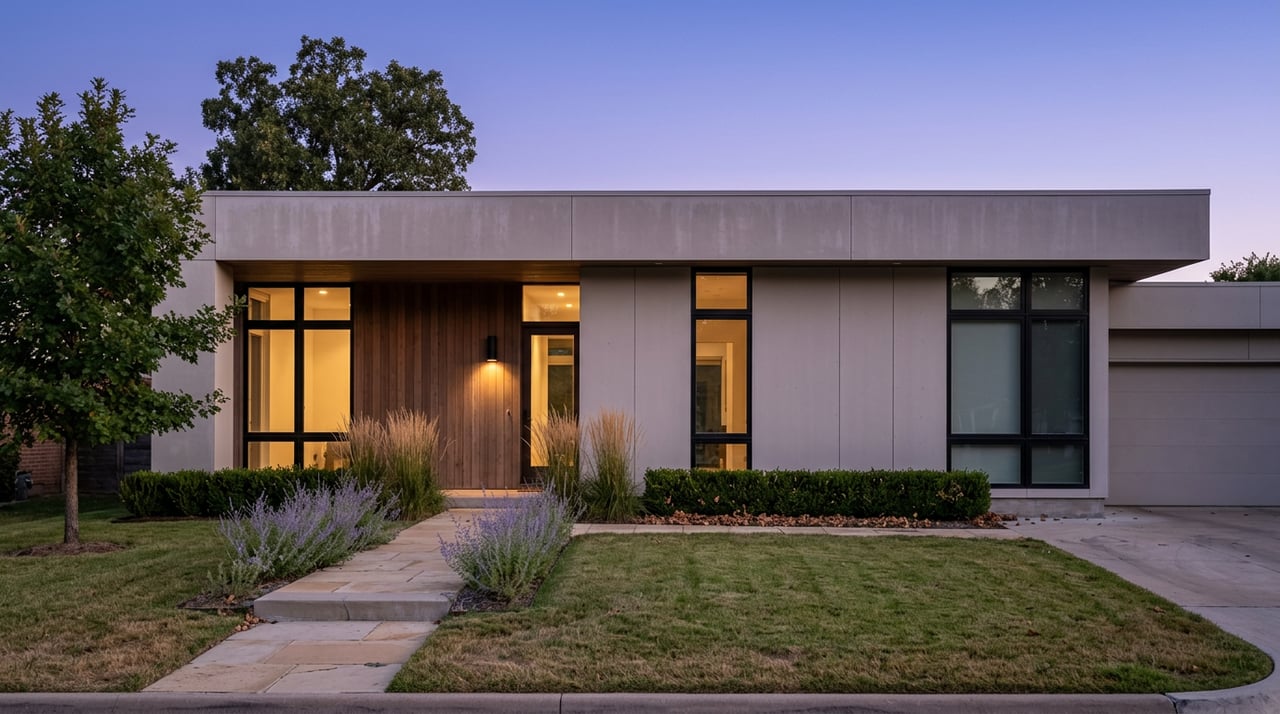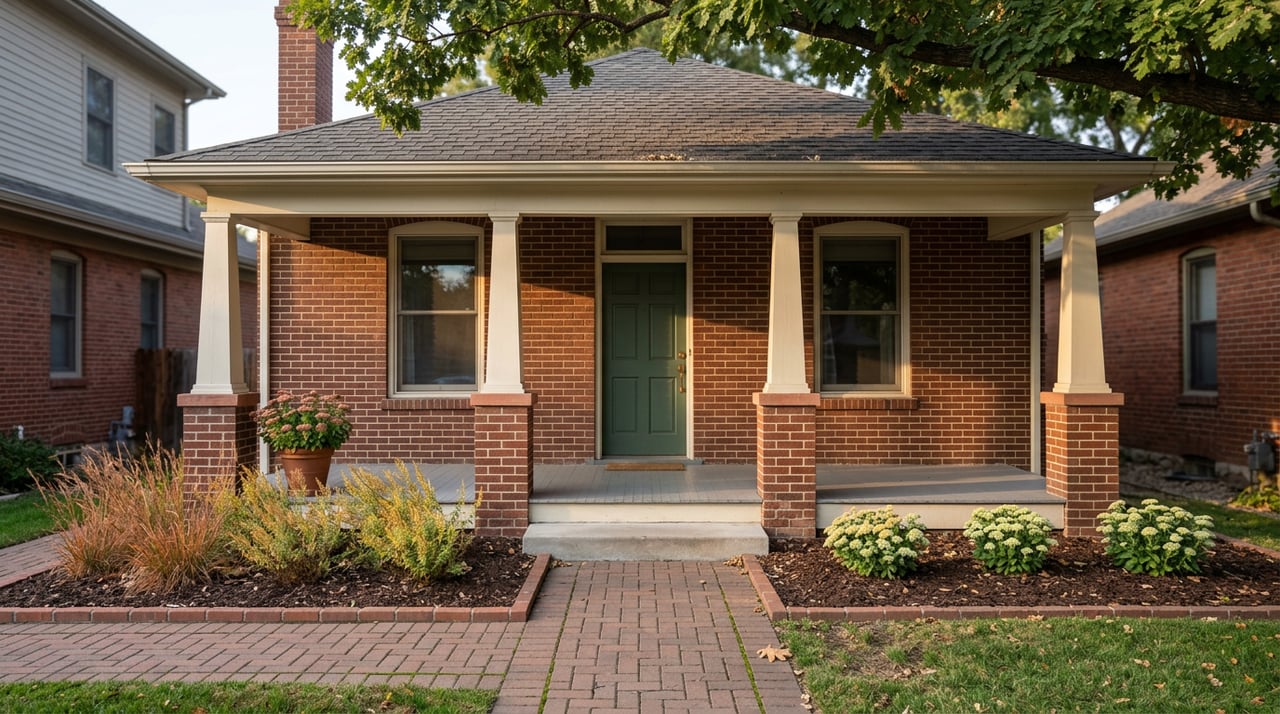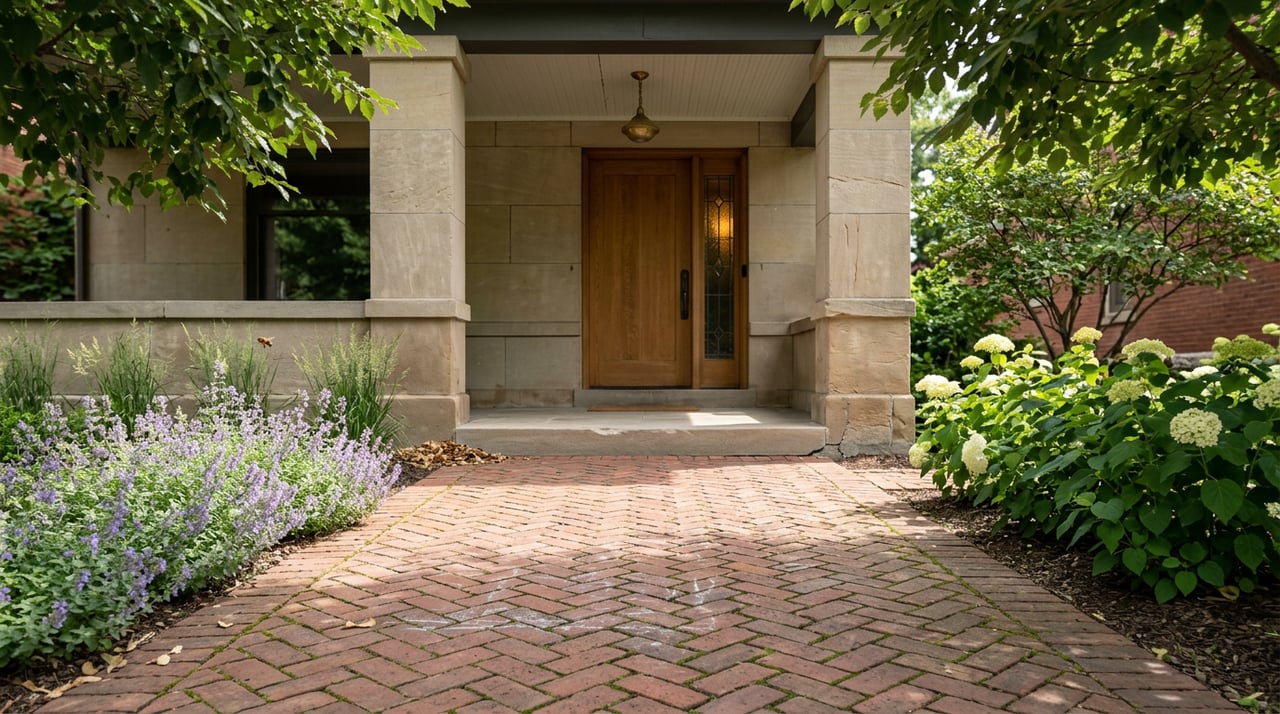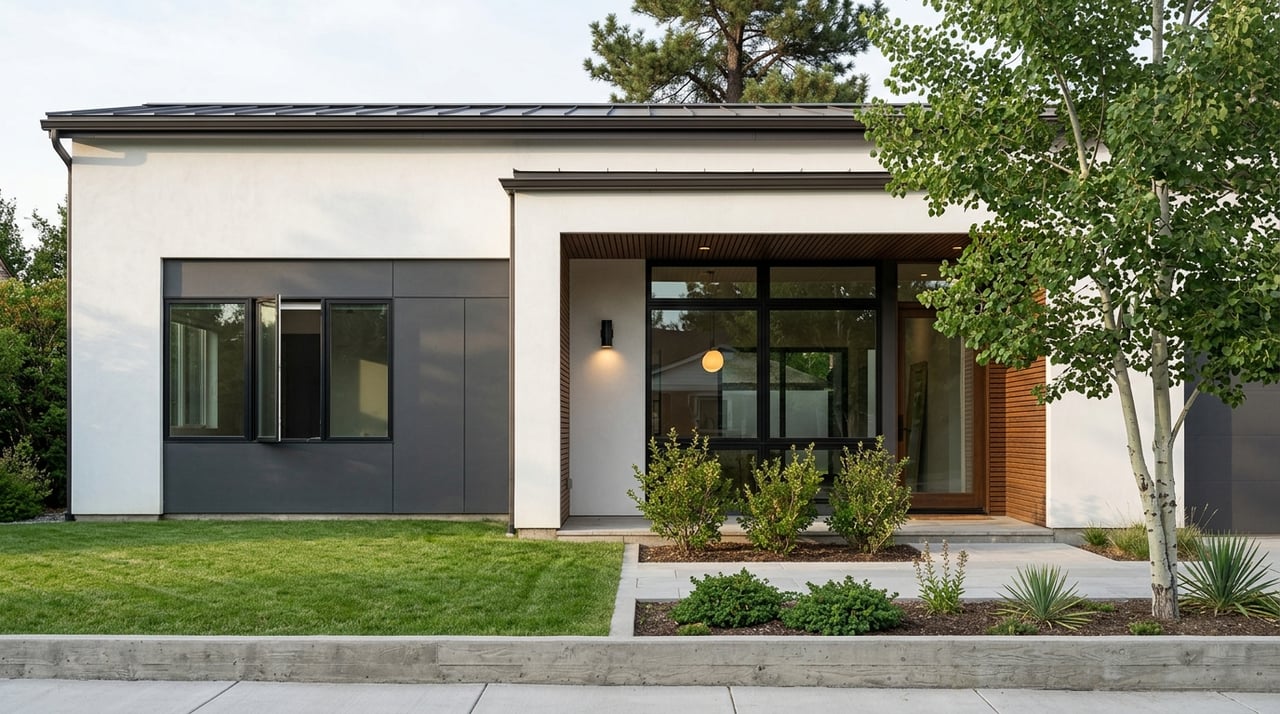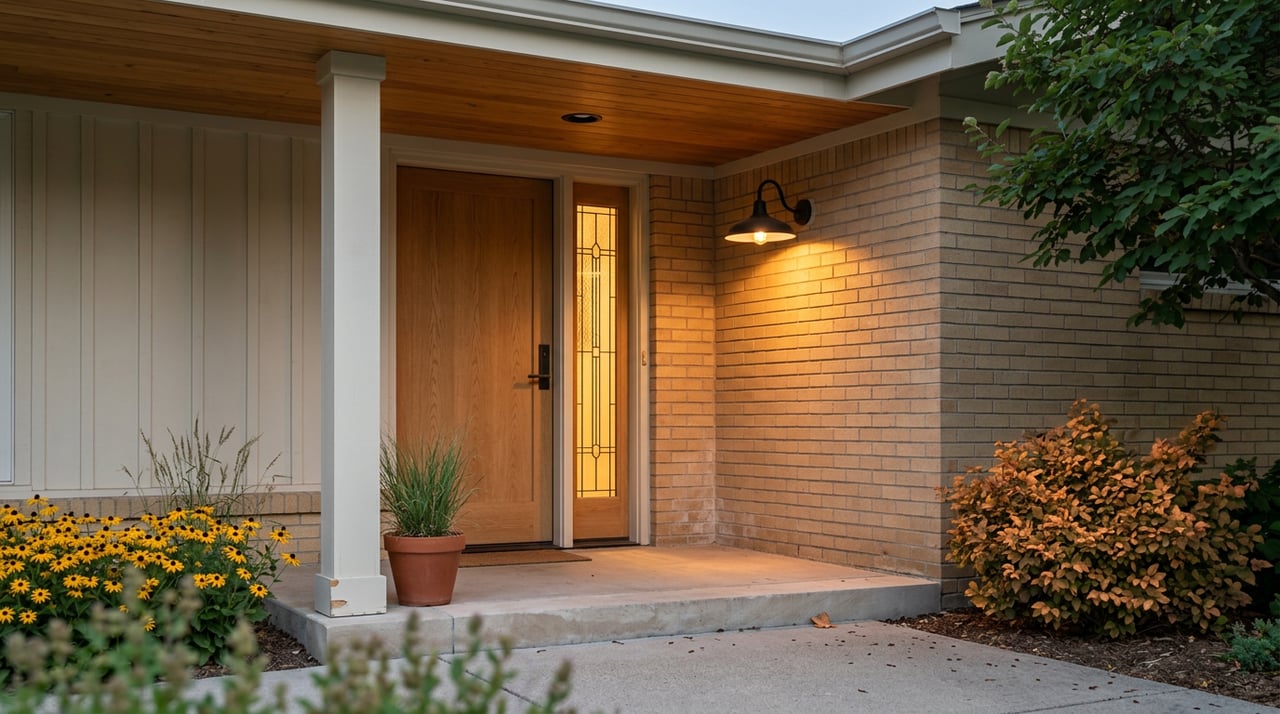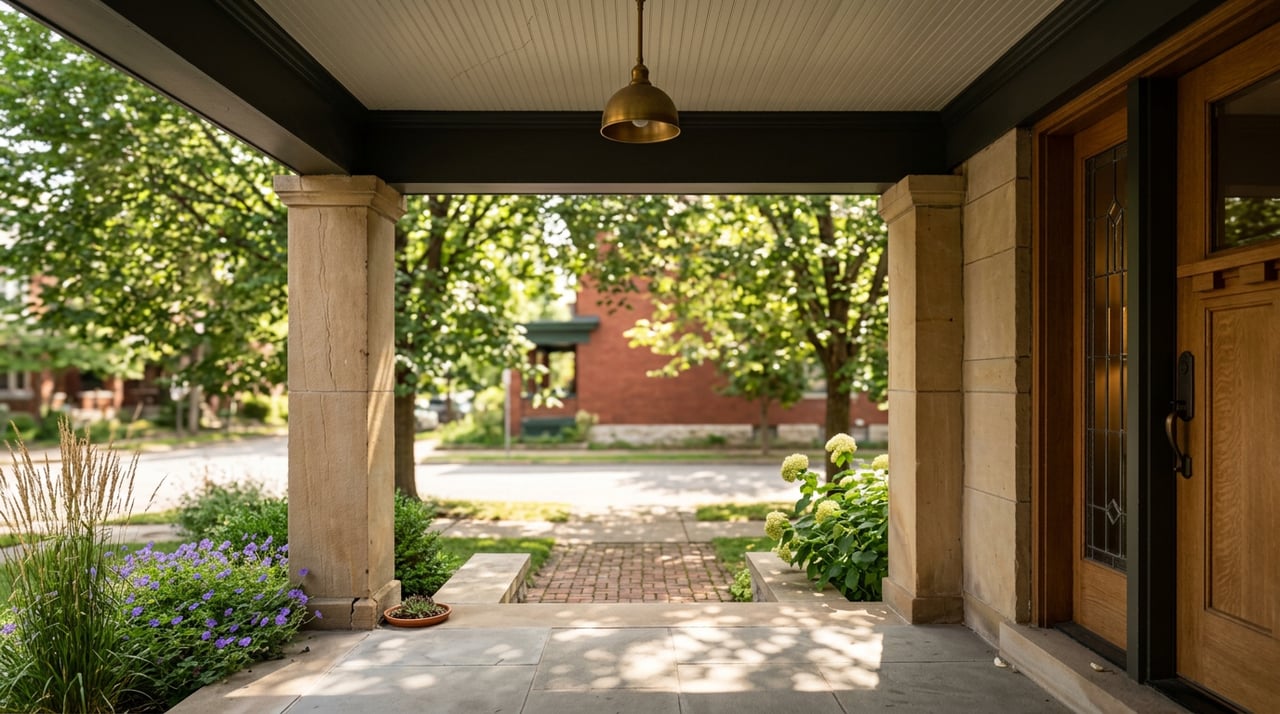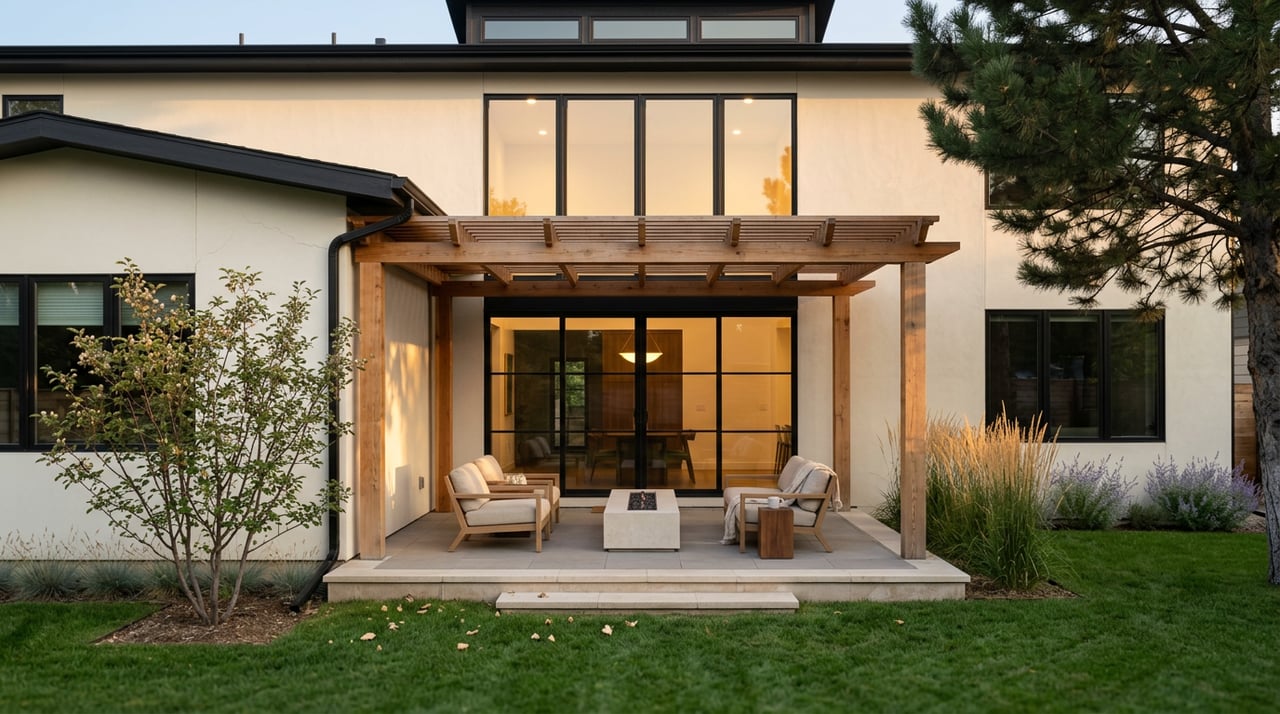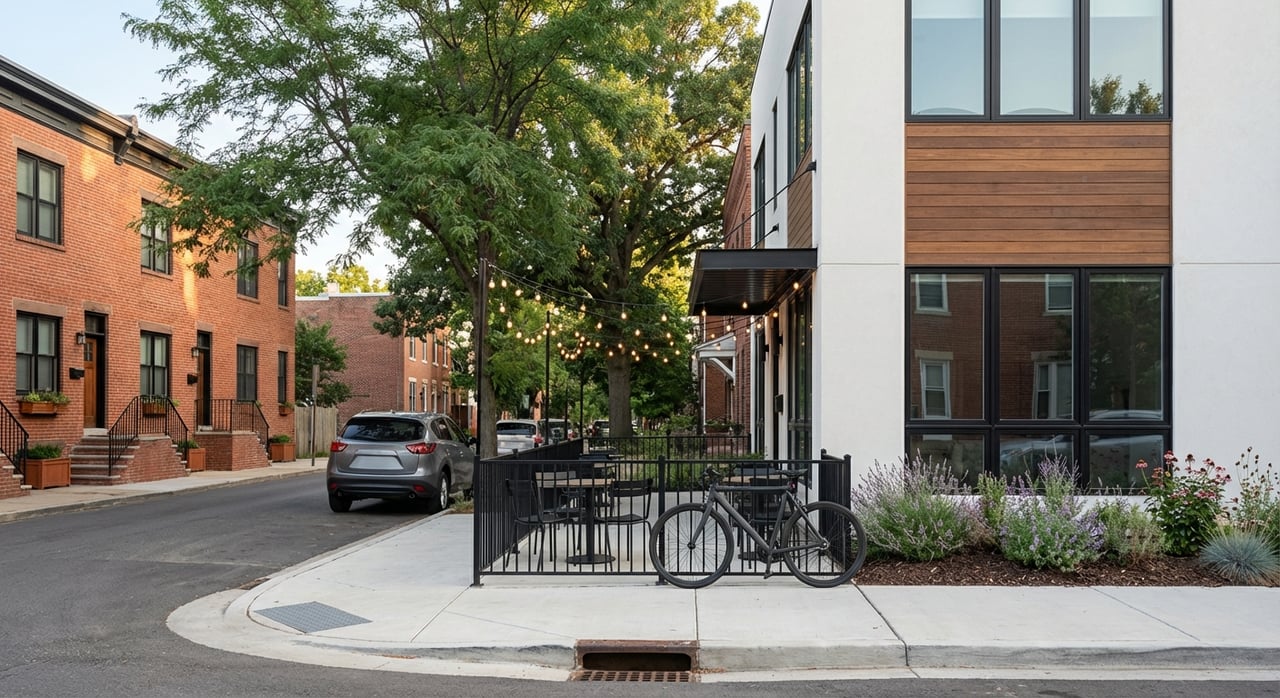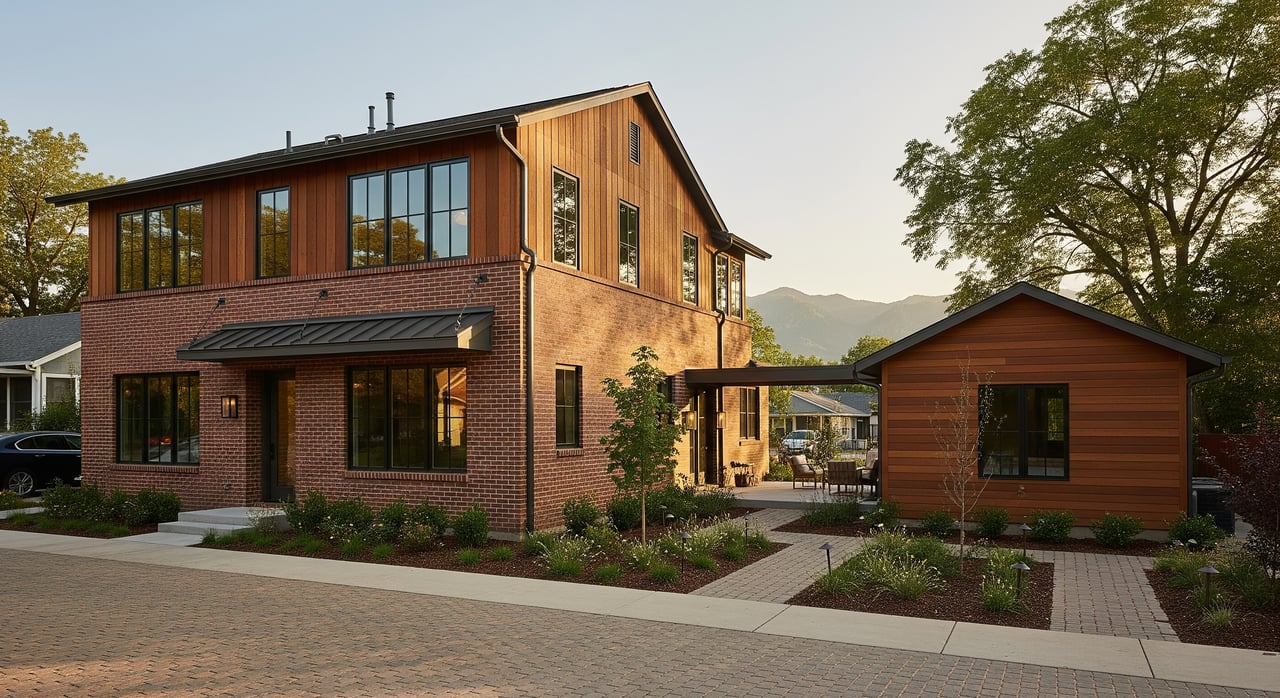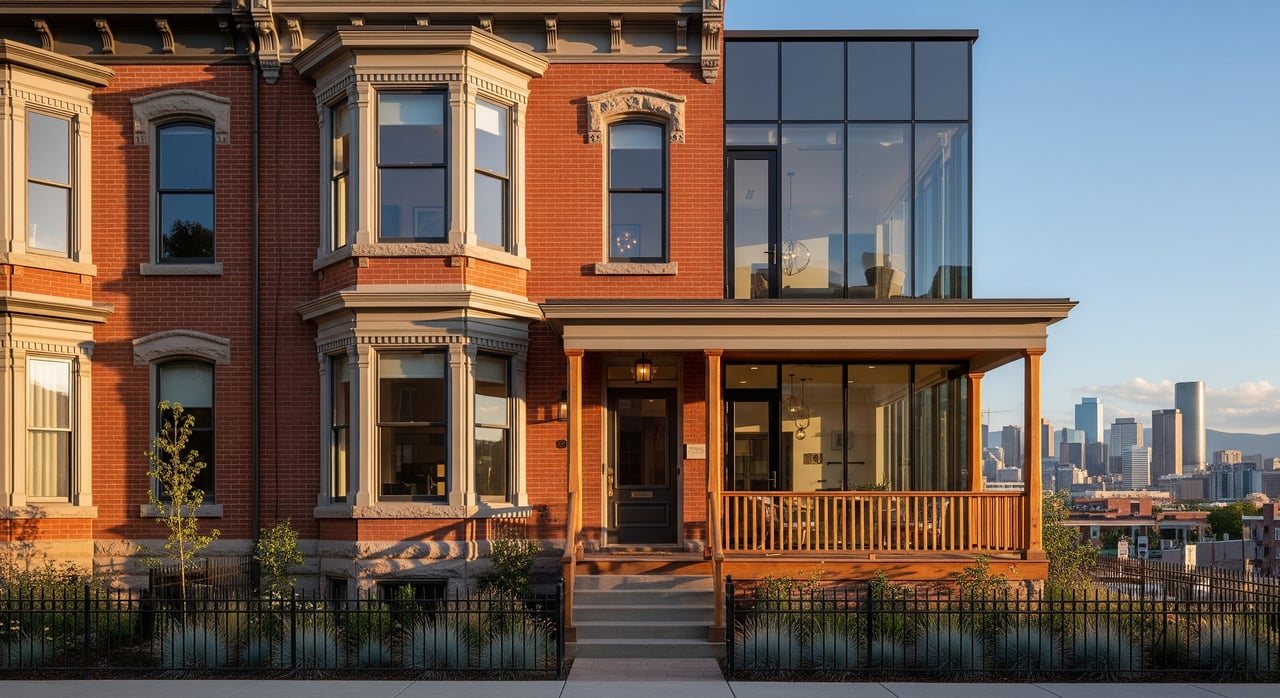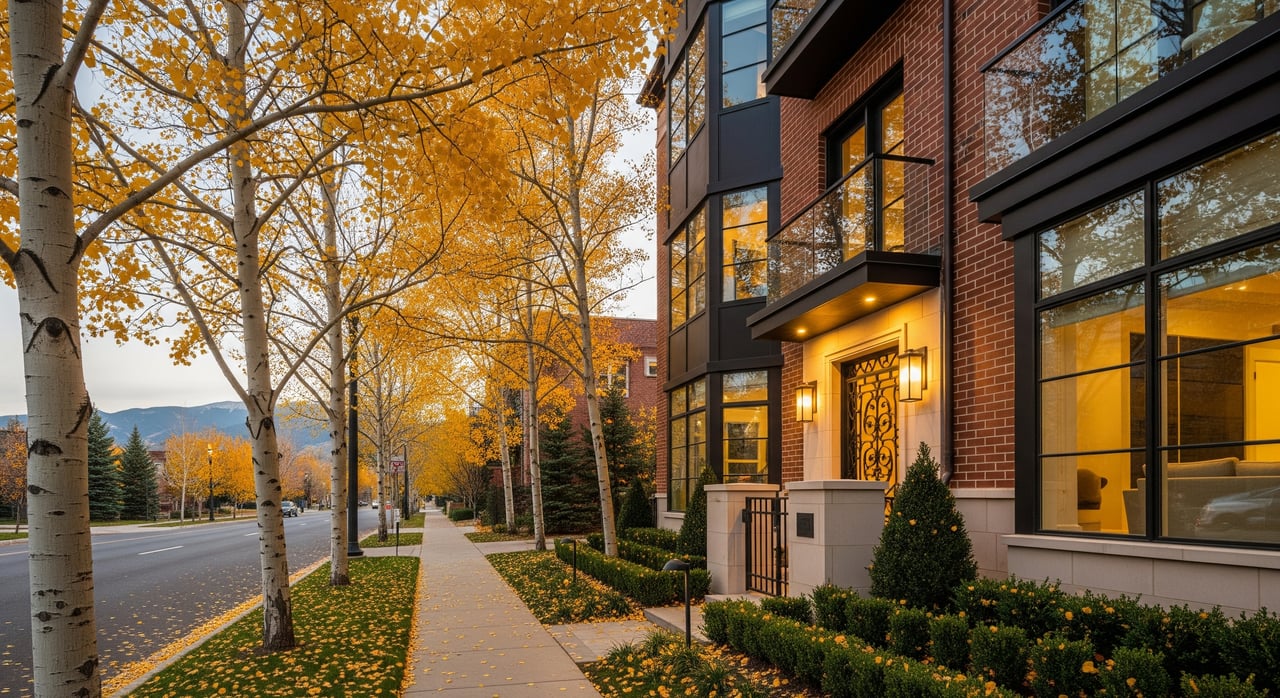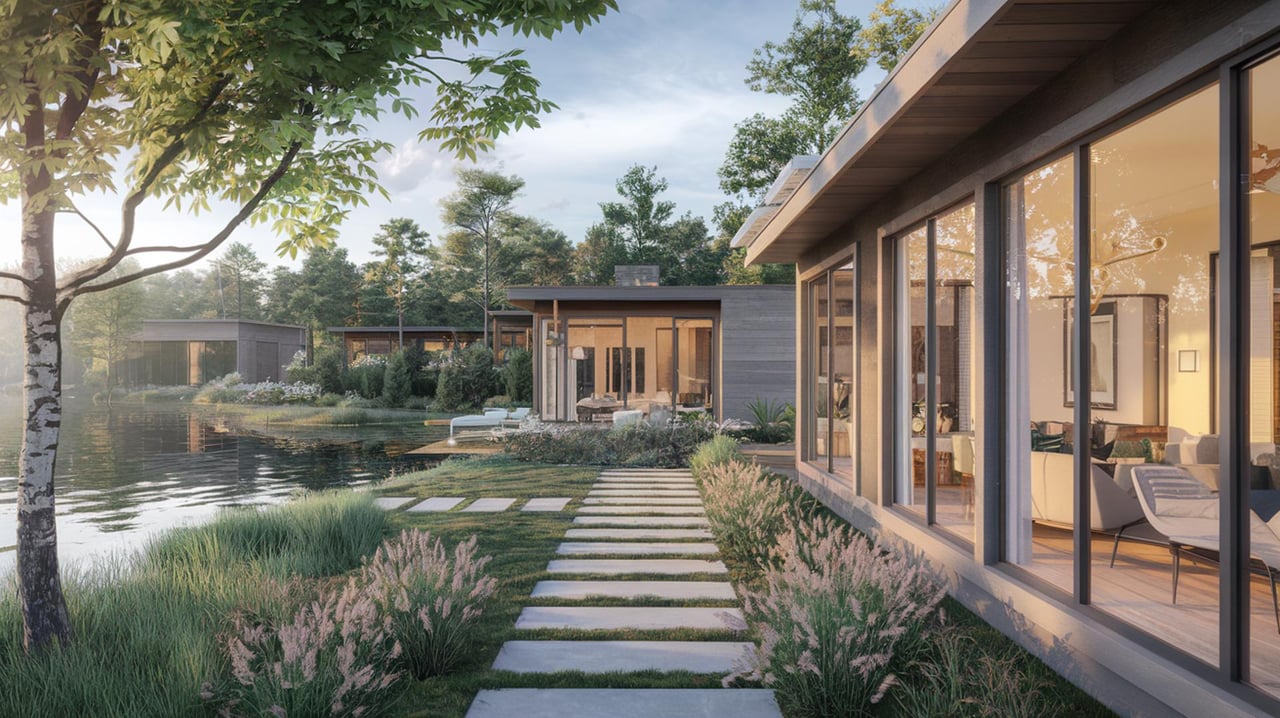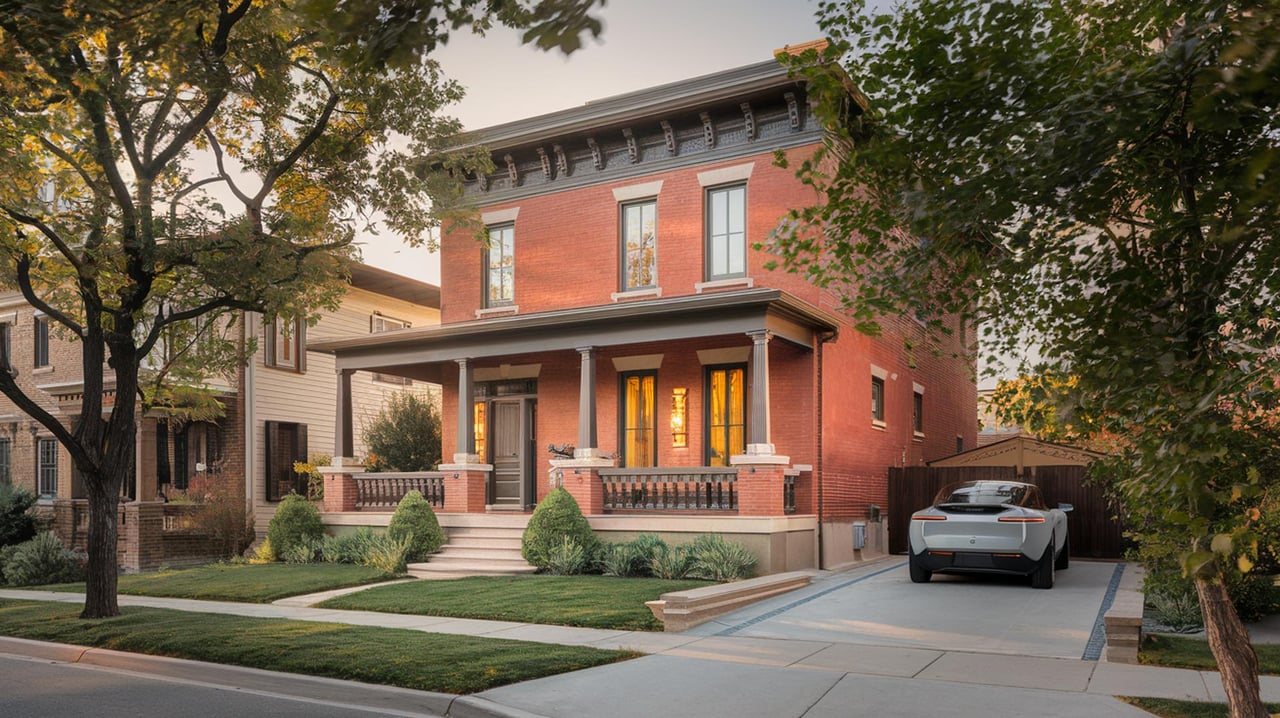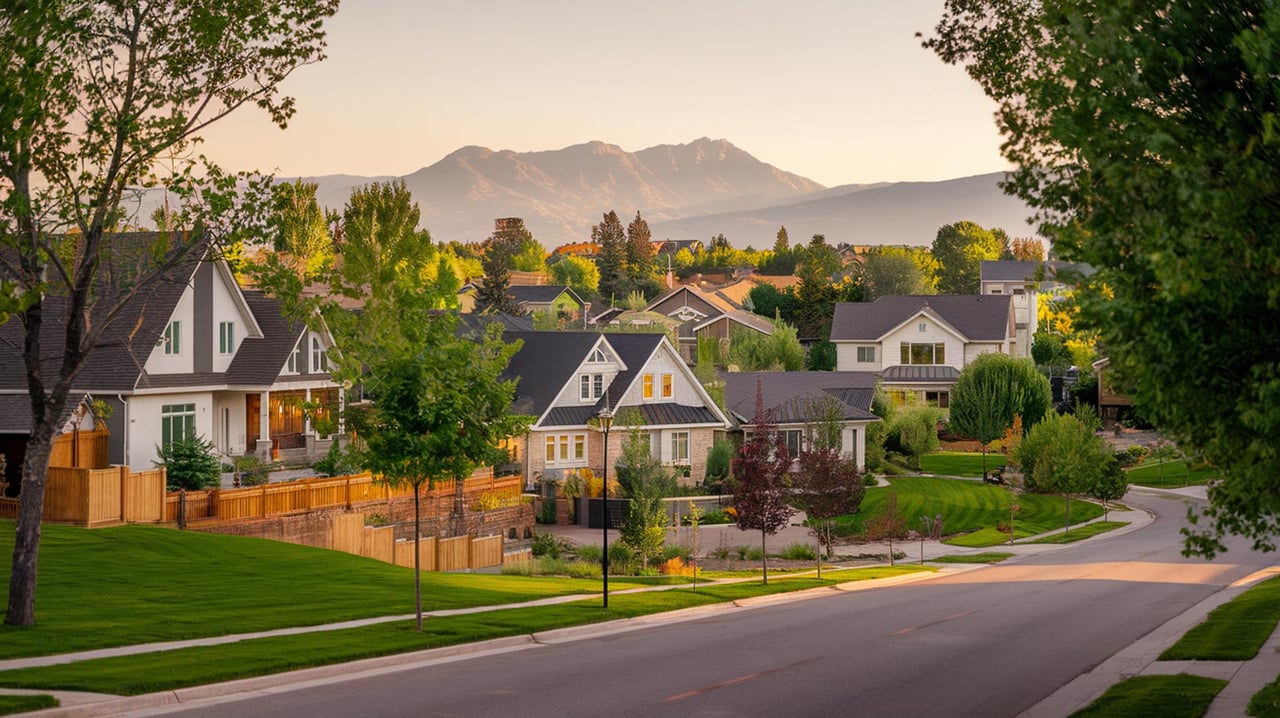
Dreaming about a classic brick bungalow in Congress Park is easy. Buying one without costly surprises takes a little more work. If you are considering a historic home in Congress Park or near the 7th Avenue Historic District, you need to know what makes these properties special, what rules may apply to a specific address, and where renovation plans can get complicated. Let’s dive in.
Why Congress Park Feels Different
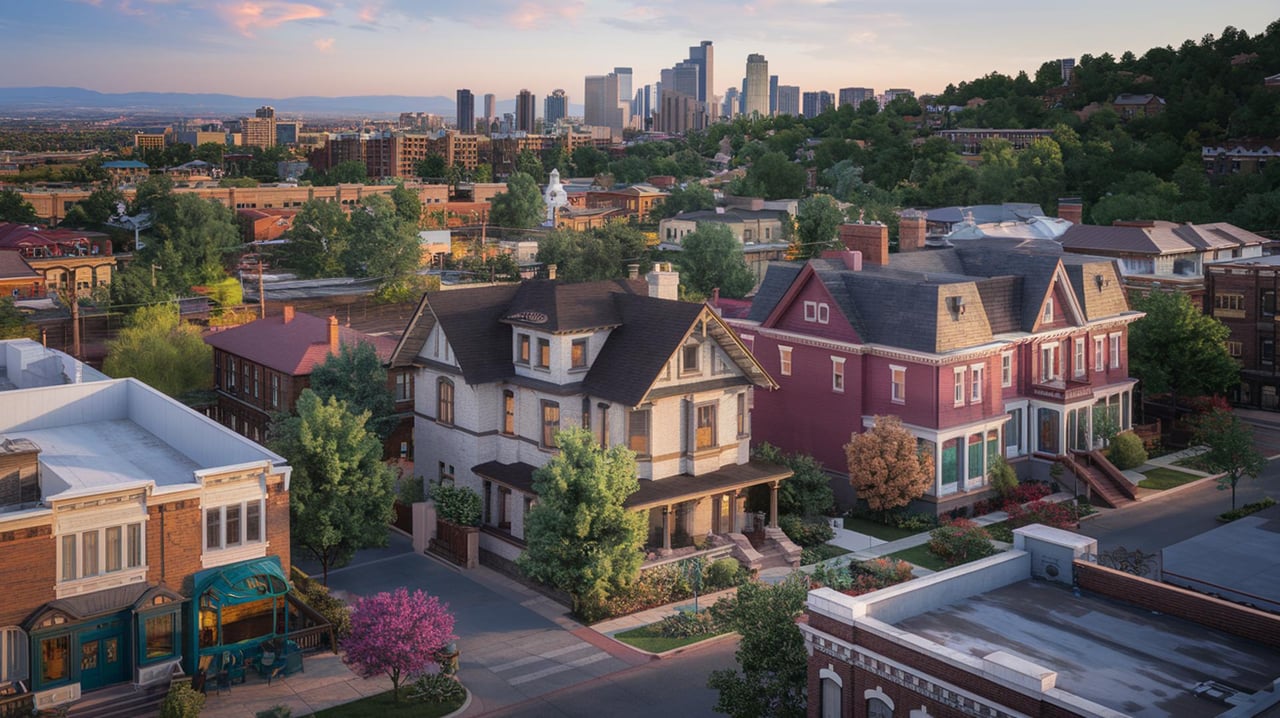
Congress Park has a distinct historic identity because it developed in layers from the late 1880s through the 1940s. According to Historic Denver’s Congress Park survey, the area includes 2,409 parcels and 34 architectural styles, with 78% of the buildings identified as single-unit homes.
That variety matters when you shop here. Congress Park does not read like a one-style district. You will see older homes mixed with later compatible homes from the 1930s and 1940s, which gives many blocks a more varied look than buyers expect.
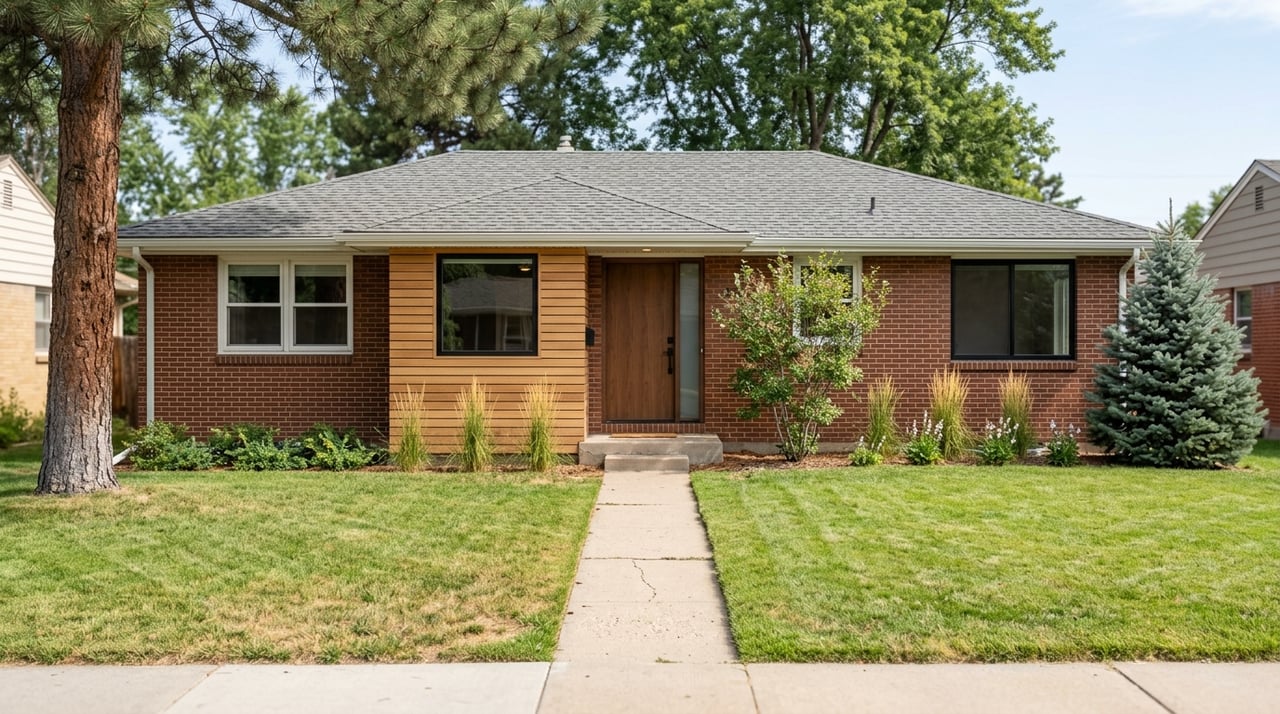
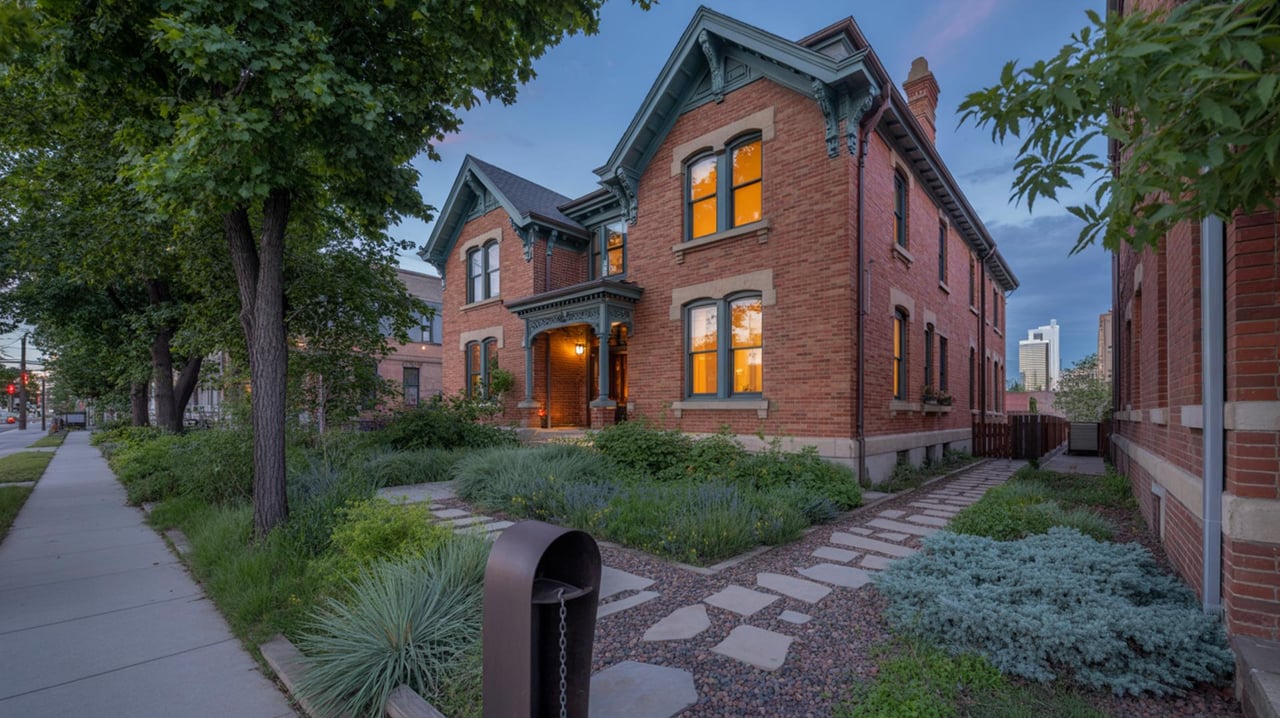
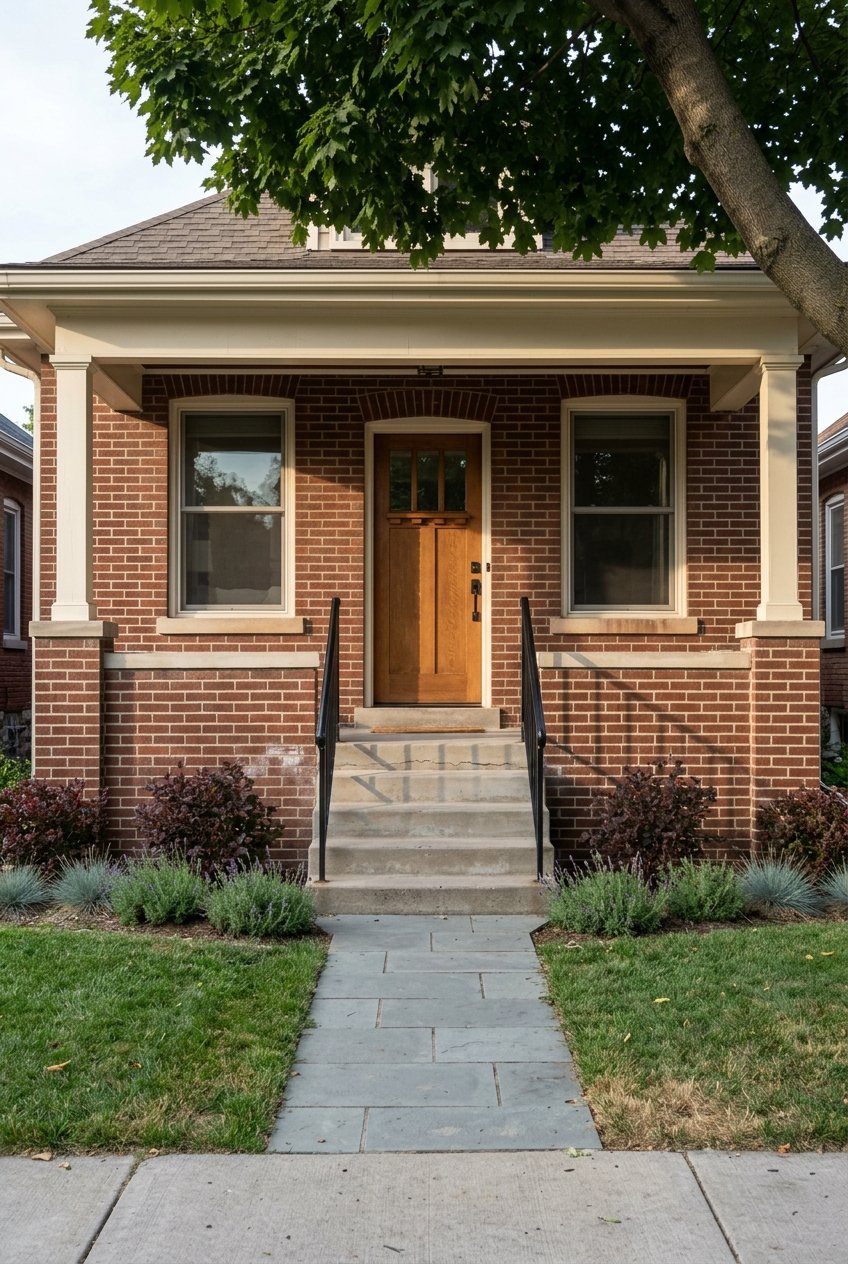
Bungalows shape much of the area’s character. Historic Denver found that bungalows account for 51.3% of the neighborhood’s single-unit homes, which helps explain why wide porches, deep eaves, and neat brick facades feel so common here.
Know the Historic Status by Address
One of the biggest mistakes buyers make is assuming historic rules apply evenly across the neighborhood. In Denver, historic status is address-specific, which means one home may fall within a historic district or be individually designated while a nearby property may not.
Denver maintains historic landmarks and districts data, and the city advises buyers to contact Landmark Preservation if a property’s status is unclear. That step matters because ownership rules and future project options can change based on the exact parcel, not just the broader neighborhood name.
This is especially important around the Seventh Avenue Historic District. Denver’s parkway guideline appendix identifies East 7th Avenue Parkway and Williams Street Parkway as part of that district context, which helps explain why homes along that corridor can feel more regulated than houses a few blocks away.
What Styles You’ll See Most Often
If you want to buy confidently, it helps to recognize the common home types in Congress Park. The neighborhood includes a broad architectural mix, but a few styles show up often enough to shape your search.
Bungalows
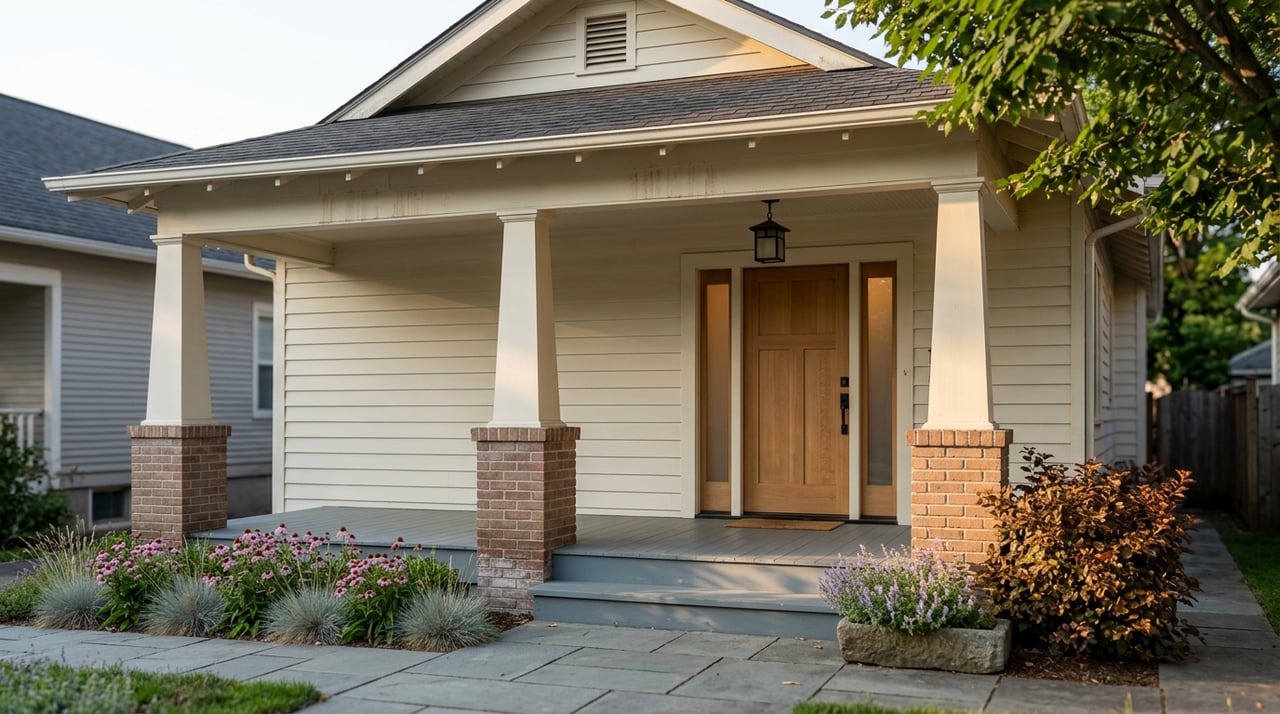
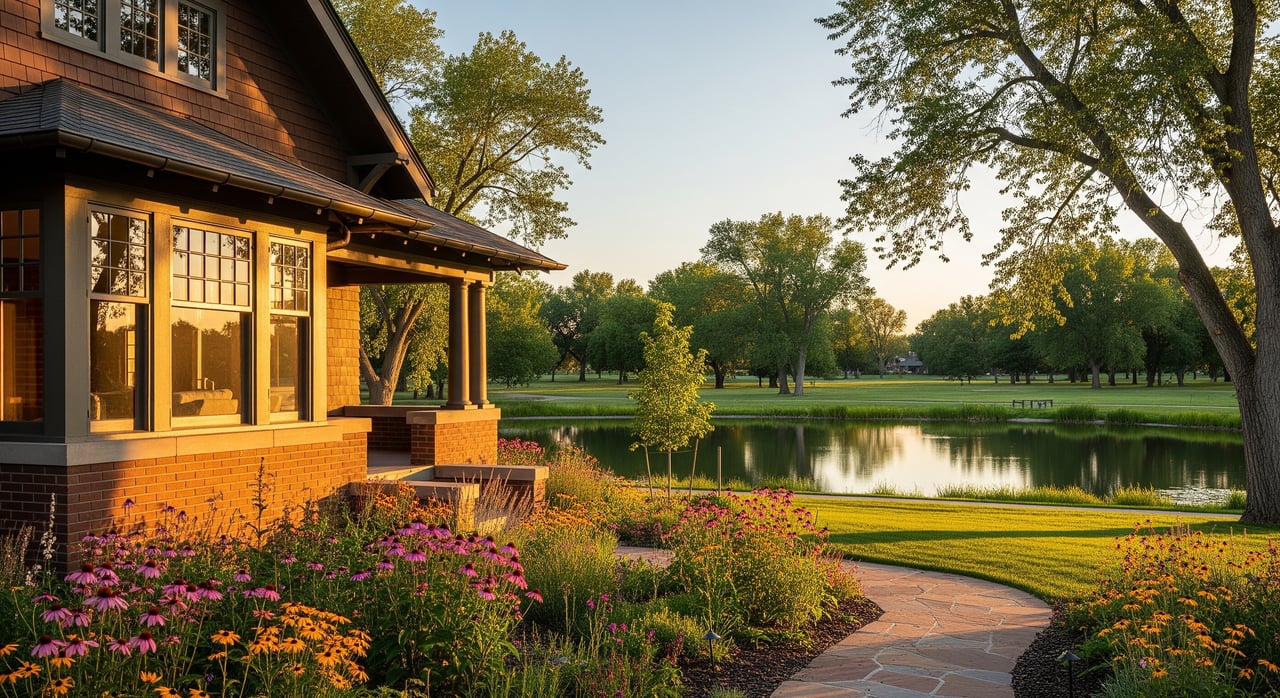
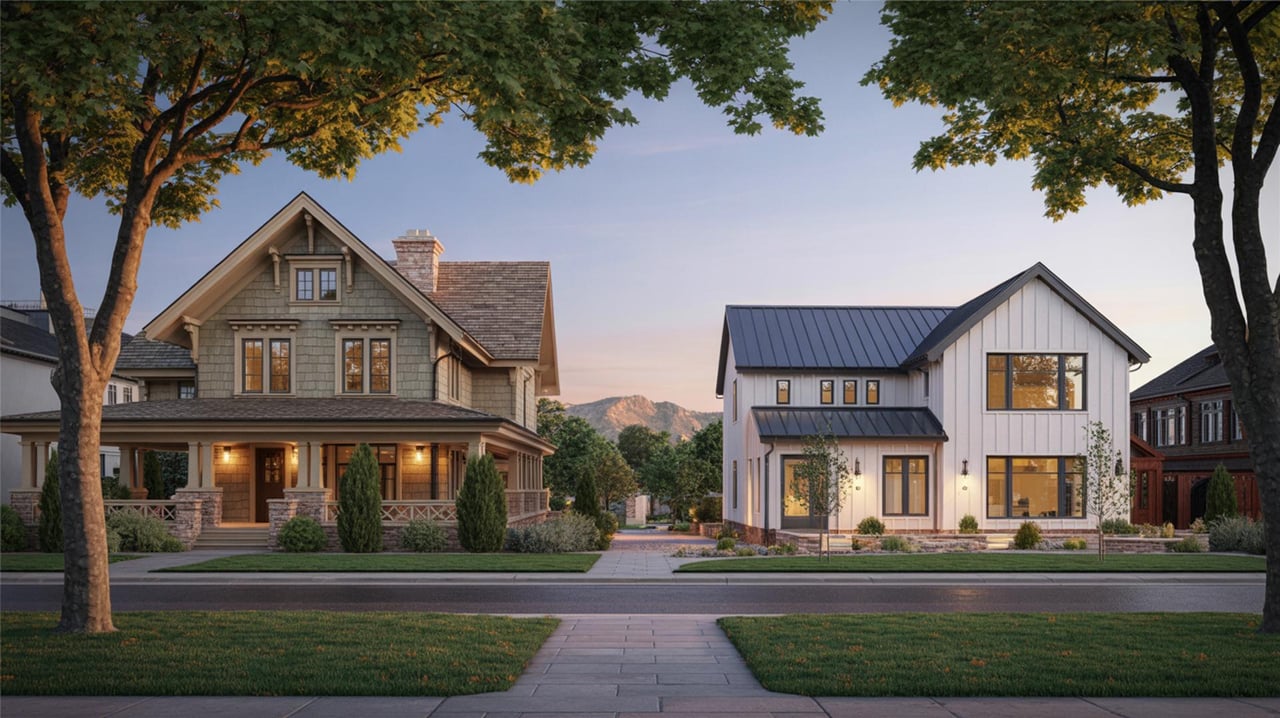
Bungalows are the dominant single-family form in the survey area. They often feature large front porches, substantial porch piers, wide overhanging eaves, exposed rafter tails, and gable or hip-on-gable roofs.
Foursquares
Foursquares usually have a more boxy footprint and two or more stories. You will often notice a hipped roof, overhanging eaves, and a front porch.
Central Block With Projecting Bays
These homes generally date from the 1880s through the 1910s. They typically include a hipped central block, gabled projecting bays, and a full-width or partial-width porch.
Other Styles in the Mix
Congress Park also includes gable-front homes, classic cottages, Queen Anne, Colonial Revival, Dutch Colonial Revival, Edwardian, and English Norman Cottage examples. That range means your buying strategy should stay focused on the specific house, not just a generic idea of what a “historic home” looks like.
What Historic Designation Can Change
Historic ownership in Denver does not mean you cannot improve your home. It does mean some exterior work becomes a formal review process instead of a simple contractor decision.
Denver Landmark Preservation reviews exterior work on individual landmarks and properties within historic districts when the work requires a building, zoning, encroachment, or curb-cut permit. The city applies the Secretary of the Interior’s Standards along with local design guidelines during that review.
For buyers, the practical takeaway is simple: before you assume a post-closing project is straightforward, confirm whether Landmark review applies.
Exterior Projects That Often Trigger Review
Several common upgrades can require review on historic properties in Congress Park or the 7th Avenue area:
- Roofing and siding work
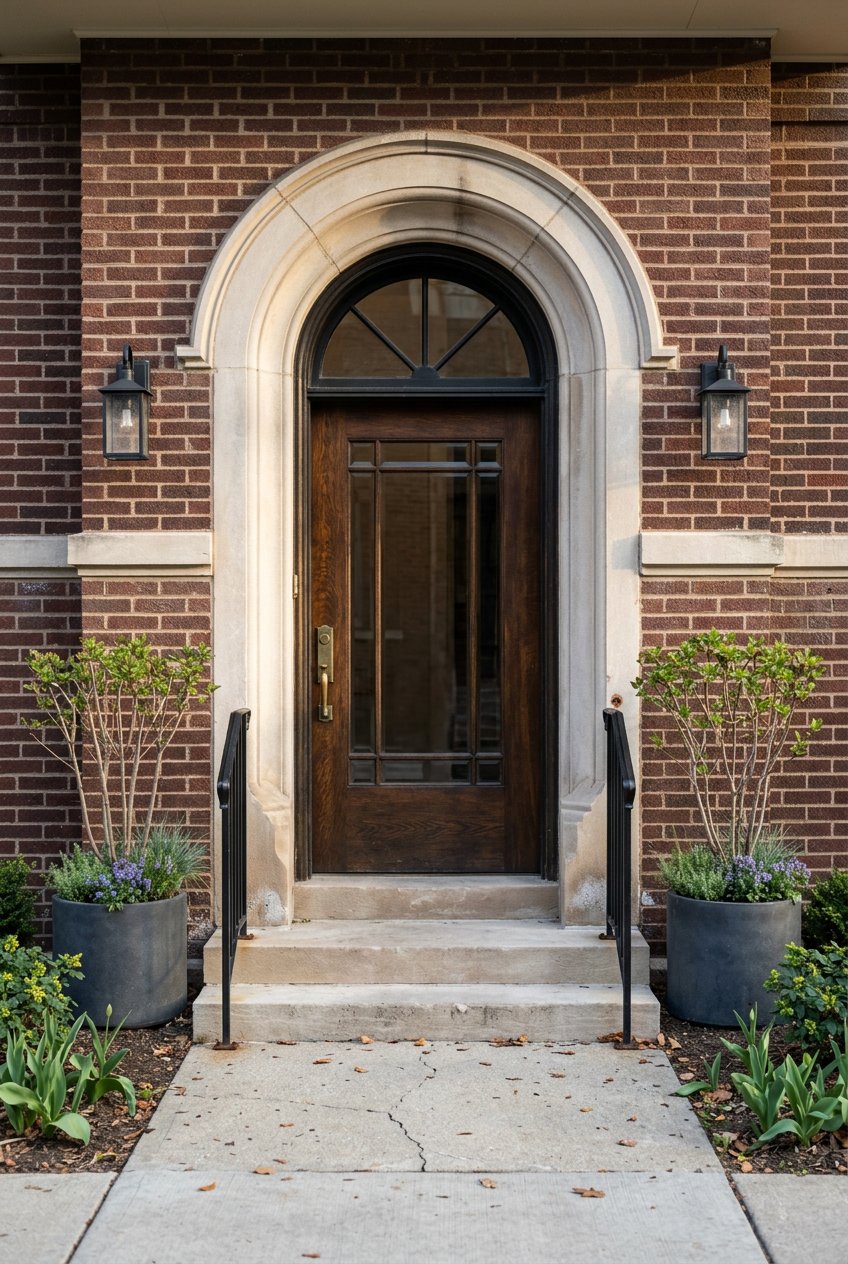
- Window and door replacements
- Additions
- Accessory dwelling units
- Egress windows
- Garages and small accessory structures
Roofing catches many buyers off guard. Denver requires Landmark approval for roofing and siding work on individual landmarks or buildings within a historic district, and roof permits are separate from a general construction permit. The city also notes that roof repair or replacement over 10% of the roof square footage or two roof squares requires a roof permit.
Windows and doors can be another major issue. Denver strongly encourages retention of historic character windows and character front doors, and the city prohibits vinyl windows and doors, plus windows or doors that use only internal muntins or glued-on muntins.
If you are thinking bigger, additions, ADUs, and egress windows deserve early planning. Denver recommends a pre-application meeting for additions, and ADUs in historic districts or at individual landmark properties require both a pre-application meeting and Landmark Preservation Commission approval.
Material Choices Matter More Than You Think
In a historic area, the material list is not just a design preference. It can affect whether a project is approved at all.
Denver’s design review guidance prohibits a number of materials for additions and many accessory projects in historic districts. That list includes T-111 siding, molded plastic siding, vinyl and aluminum siding, thin brick veneer, EIFS, faux-grain wood textures, vinyl windows, and windows with only internal or glued-on muntins.
That is one reason historic homes can surprise buyers on budget. The replacement you might choose for a non-historic property may not be allowed here, which can shift both pricing and project scope.
Why 7th Avenue Can Be More Complicated
If you are looking near East 7th Avenue Parkway, there may be another layer beyond standard historic review. Denver’s parkway rules can affect how a property relates to the street and where certain structures may sit.
The city states that structures along designated parkways are subject to building-line restrictions, and the setback starts at the property line rather than the curb. Denver also notes that East 7th Avenue Parkway has a 20-foot setback on both sides.
For homes on parkways that are also part of landmark historic districts, additional Landmark Preservation review applies. In practical terms, that means frontage, setbacks, and site layout can matter just as much as the house itself when you evaluate renovation potential.
What to Prioritize During Inspection
With an older home, buyers often focus only on systems and age. In Congress Park, you should also pay close attention to exterior features that shape historic character and may affect future approvals or repair costs.
A strong inspection and due diligence process should look closely at:
- Roof condition and prior repairs
- Windows and doors
- Porch structure and details
- Masonry condition
- Siding and exterior materials
- Walkways, fences, site walls, and stairways
- Front-yard layout and landscaping patterns
- Garage or accessory structure condition
Denver’s site and landscape guidelines emphasize preserving and repairing historic site features such as walkways, fences, site walls, stairways, retaining walls, and ornamental features. The city also encourages retention of original open-space patterns at the sides and rear of the structure when feasible.
Even smaller details can matter. Denver notes that historic front-yard fences should be simple, open, and low, with a maximum front-yard fence height of 48 inches, and the city discourages vinyl and chain-link fencing. The guidelines also note that many original Denver sidewalks were made from Lyons sandstone and should be preserved if feasible.
Budget for Timing, Not Just Repairs
One of the most common surprises in a historic purchase is not the contractor bid. It is the schedule.
Denver’s process for additions, ADUs, window work, and egress windows can require a pre-application meeting, photos, site plans, elevations, and other submittal materials before permits move forward. That means preservation-compliant updates can involve extra planning time and soft costs even before construction begins.
If you plan to renovate soon after closing, this point matters a lot. The gap between a standard interior remodel and an exterior project that requires Landmark review can be meaningful in both scope and timing.
Smart Questions to Ask Before You Close
If you want fewer surprises, your due diligence should go beyond the standard property disclosure. A historic home purchase works best when you confirm what has already been done and what may be possible next.
Ask for:
- Permit history
- Prior Landmark approvals
- Records for window replacement
- Documentation for roof work
- Records for porch or siding repairs
- Any plans or sketches tied to unbuilt additions or ADUs
These documents can help you understand whether previous exterior work followed the required process. They can also give you a clearer picture of what your own renovation path may look like after closing.
How to Buy With More Confidence
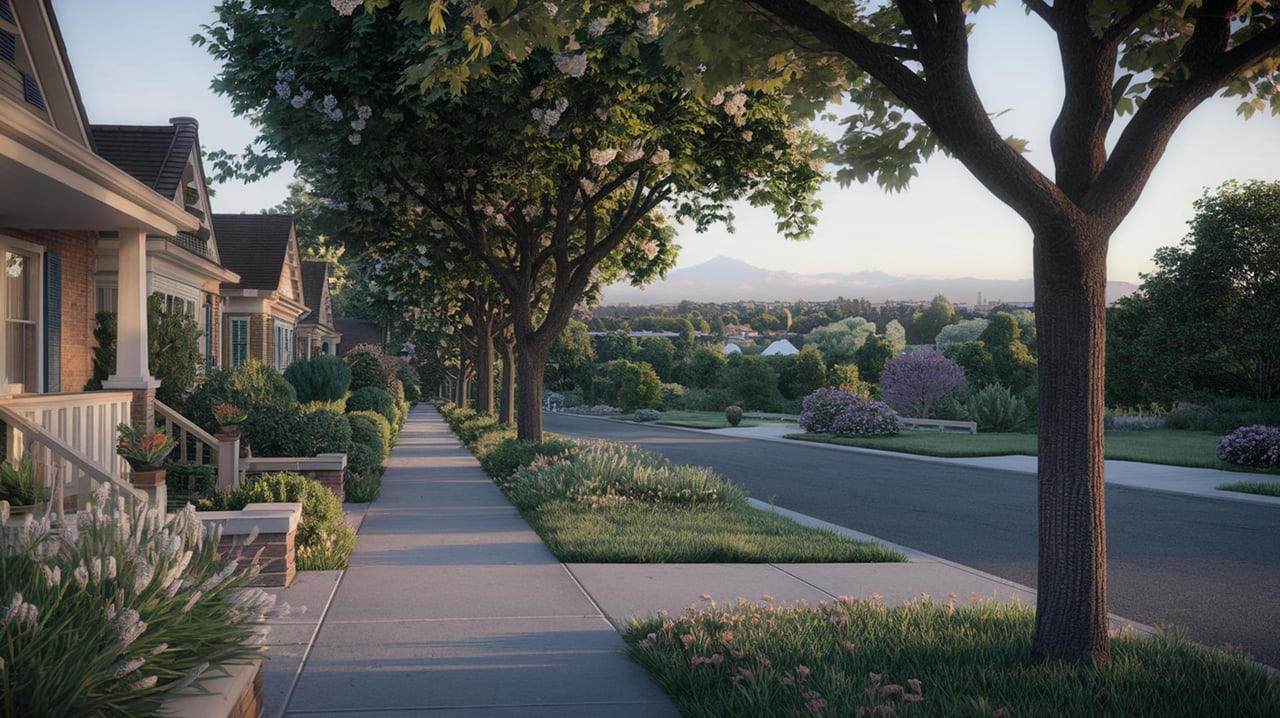
Historic homes in Congress Park offer character that is hard to replicate, from front porches and brick detailing to streetscapes that have stayed remarkably intact. But the right purchase is about more than charm. You need clarity on the address-specific historic status, realistic expectations for approvals, and a sharp eye for exterior elements that may carry future cost.
When you approach the process with strong local guidance and careful due diligence, you can enjoy the character of a Congress Park home without being blindsided by rules, materials, or timing. If you are weighing a purchase in Congress Park or along 7th Avenue, Alex Rice can help you evaluate the property, the constraints, and the upside with a clear local strategy.
FAQs
What makes a home in Congress Park historic?
- A home may be historic because it is individually designated or because it sits within a historic district. In Denver, that status is specific to the address, so buyers should verify the parcel rather than assume the whole block follows the same rules.
What exterior work on a Congress Park historic home may need review?
- Roofing, siding, window and door replacement, additions, ADUs, egress windows, garages, and other accessory structures may require Landmark Preservation review when the property is a landmark or located in a historic district.
What should buyers inspect first in a Congress Park historic home?
- Pay close attention to the roof, windows, doors, porch structure, masonry, siding, fences, walkways, site walls, and front-yard layout because these features can affect both preservation compliance and future repair costs.
What is different about homes near East 7th Avenue Parkway?
- Homes near East 7th Avenue Parkway may be affected by both historic district review and parkway rules. Denver states that the setback starts at the property line, and East 7th Avenue Parkway has a 20-foot setback on both sides.
Can you replace windows freely in a Denver historic district?
- No. Denver reviews window and door replacements on historic-district properties and individual landmarks, encourages retention of historic character windows and front doors, and prohibits vinyl windows and doors plus certain noncompliant muntin styles.
What records should buyers request before closing on a historic home in Congress Park?
- Request permit history, prior Landmark approvals, and documentation for roof, window, porch, and siding work so you can better understand what was approved before and what your future project path may involve.