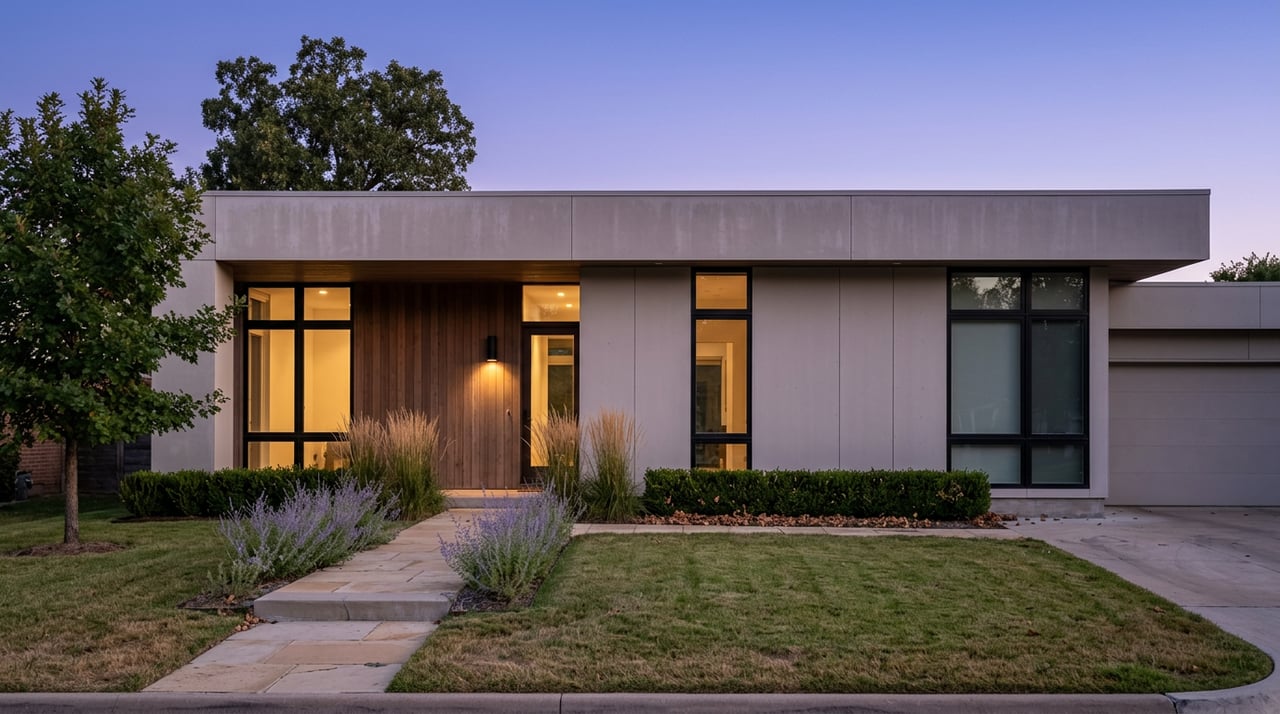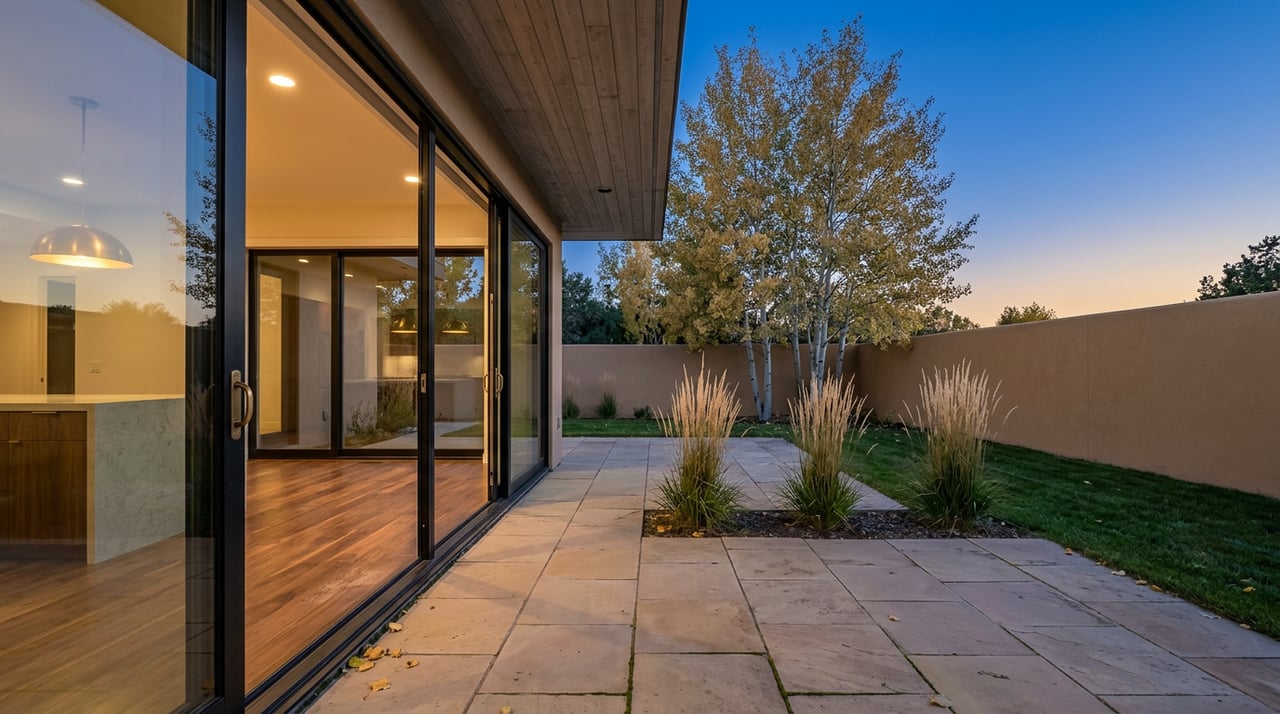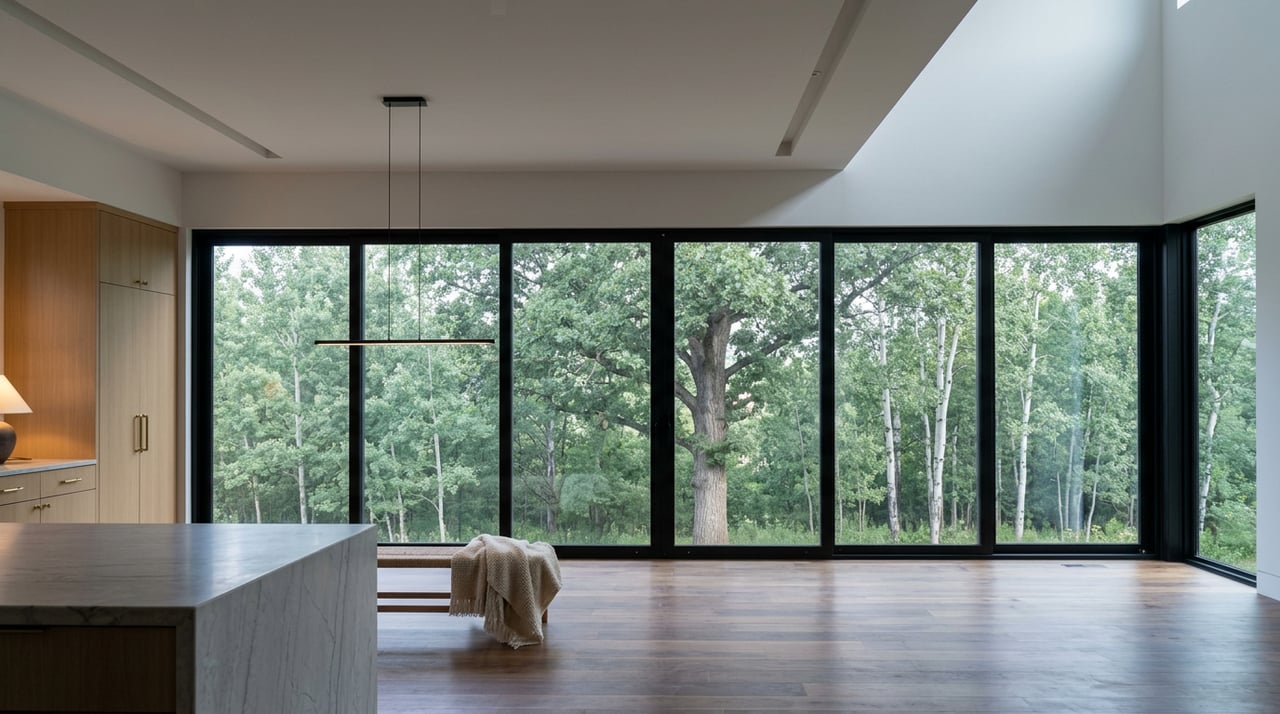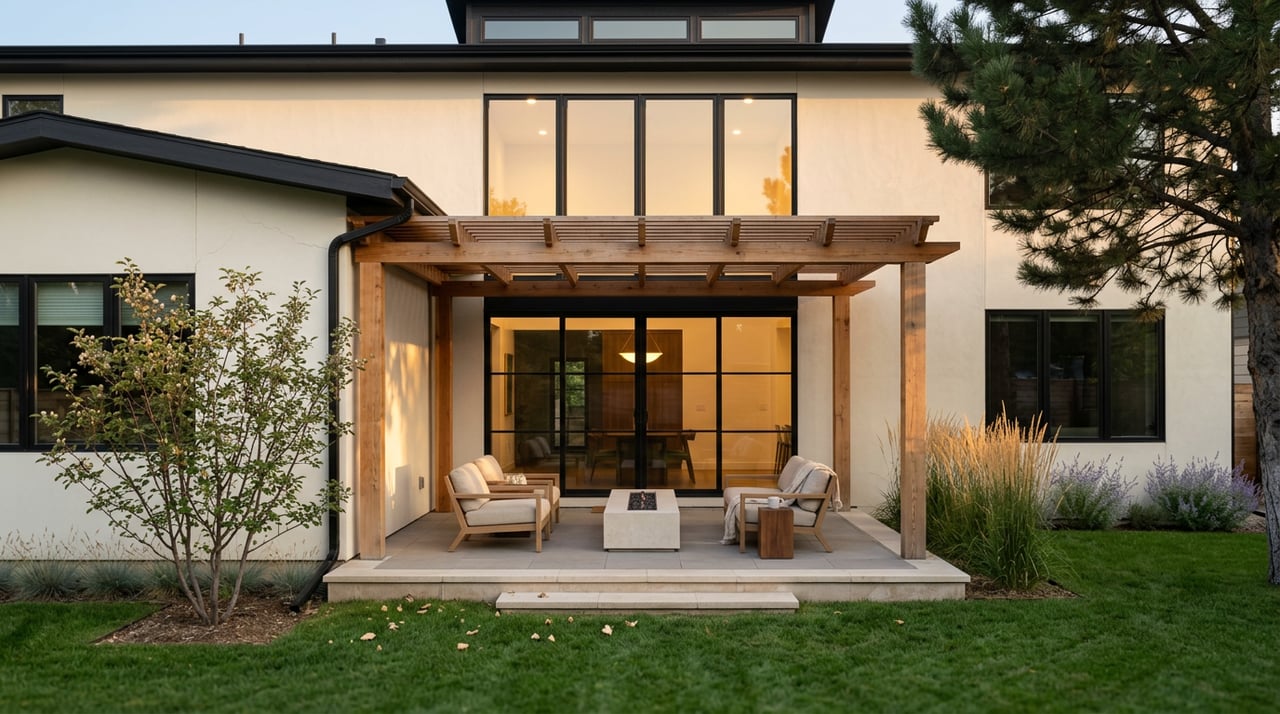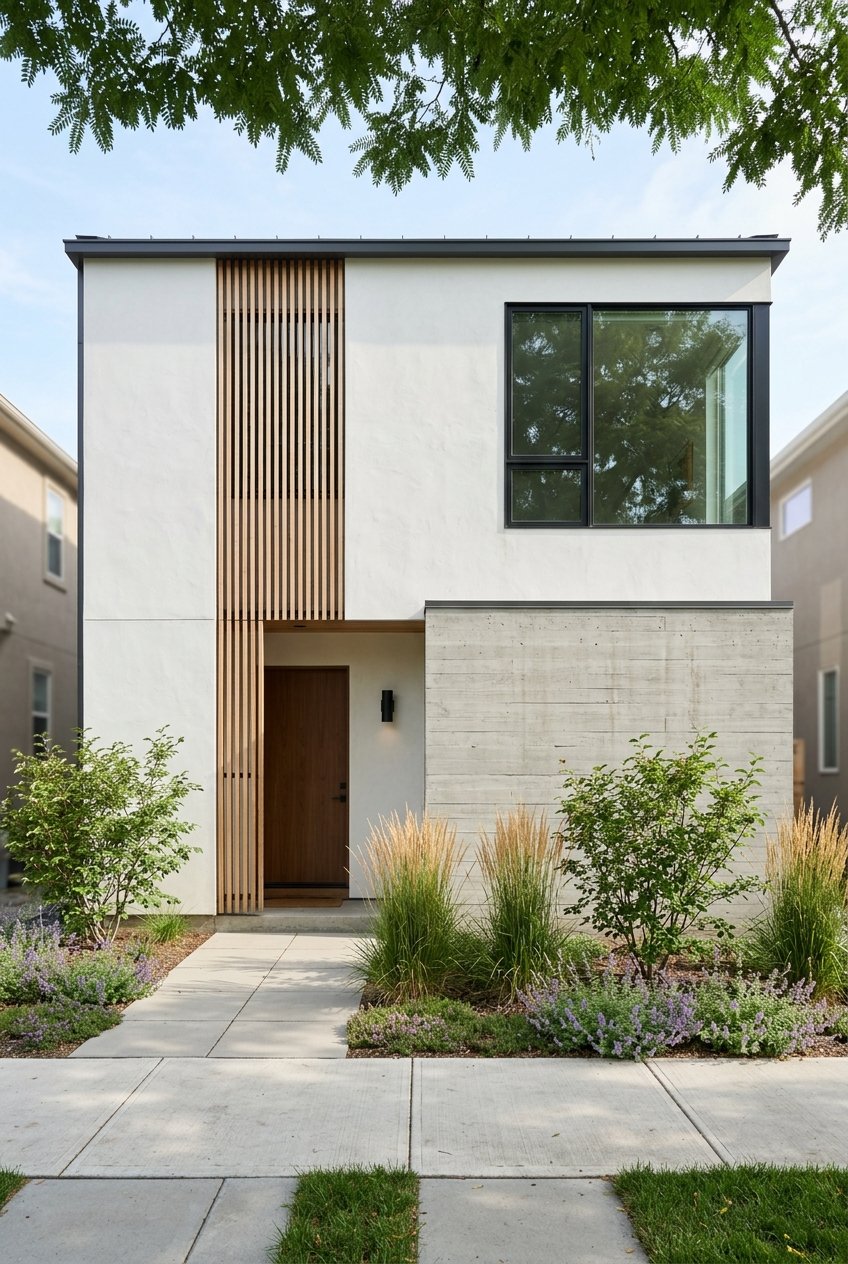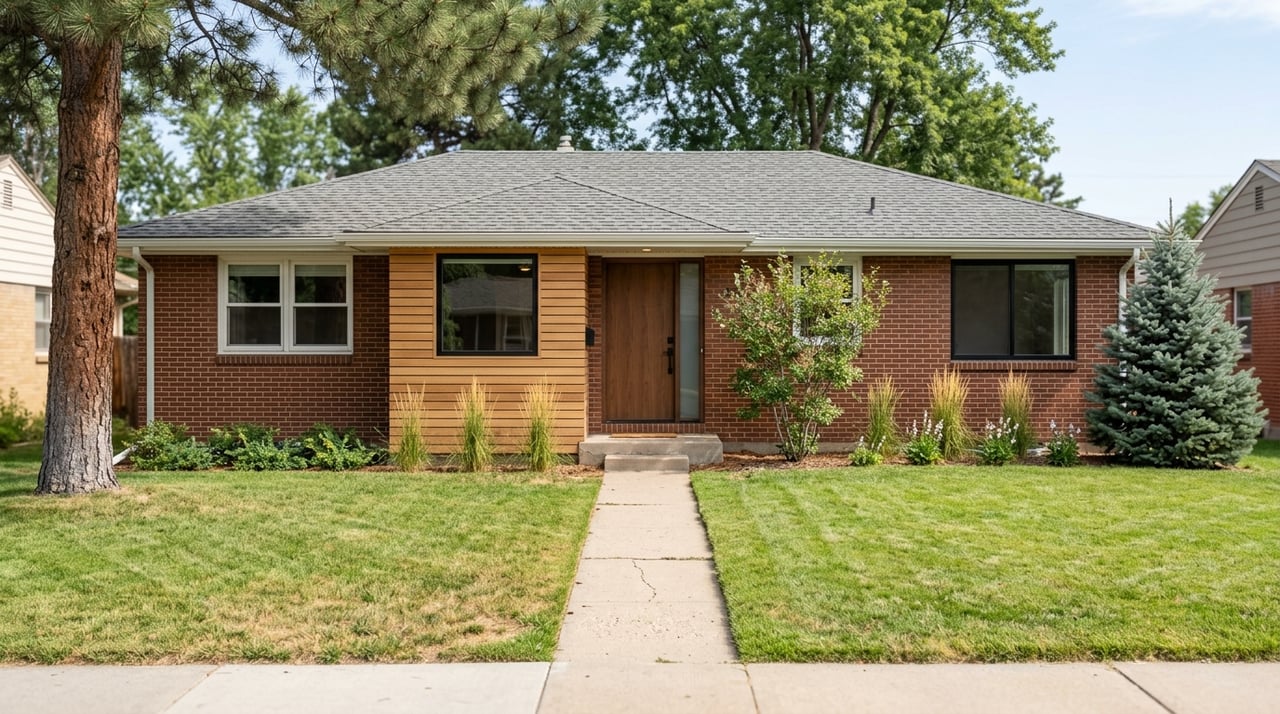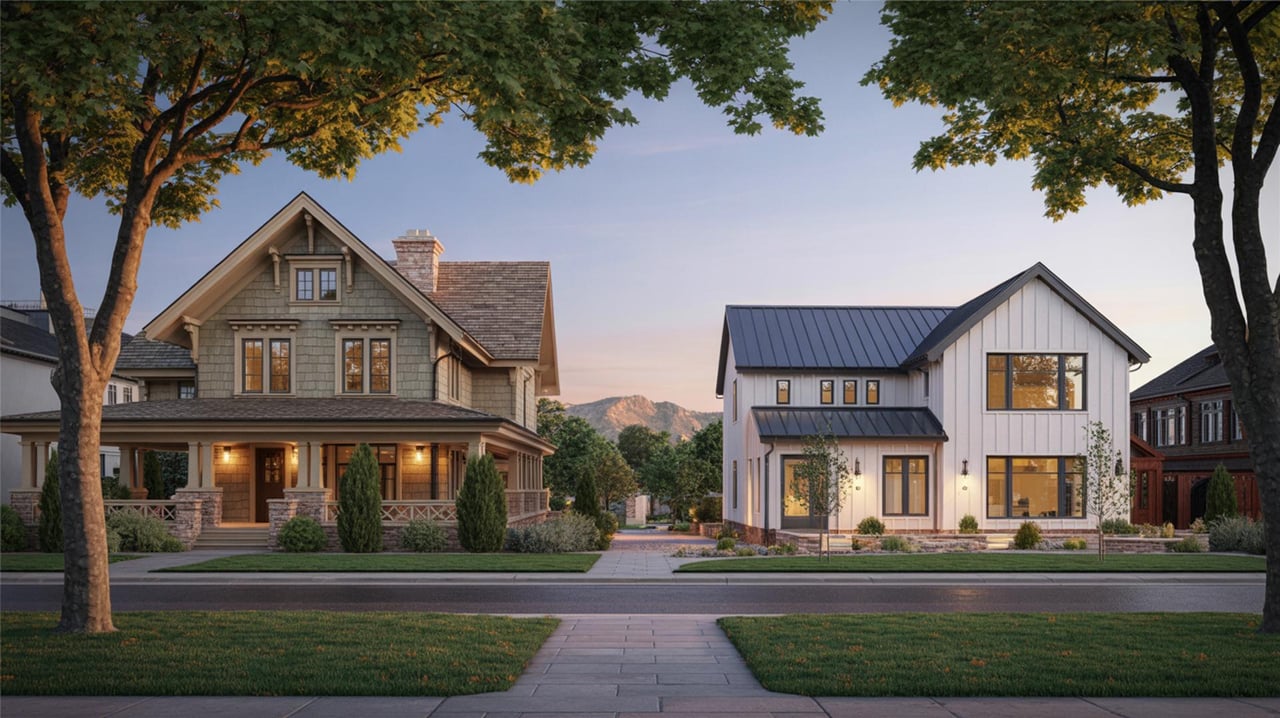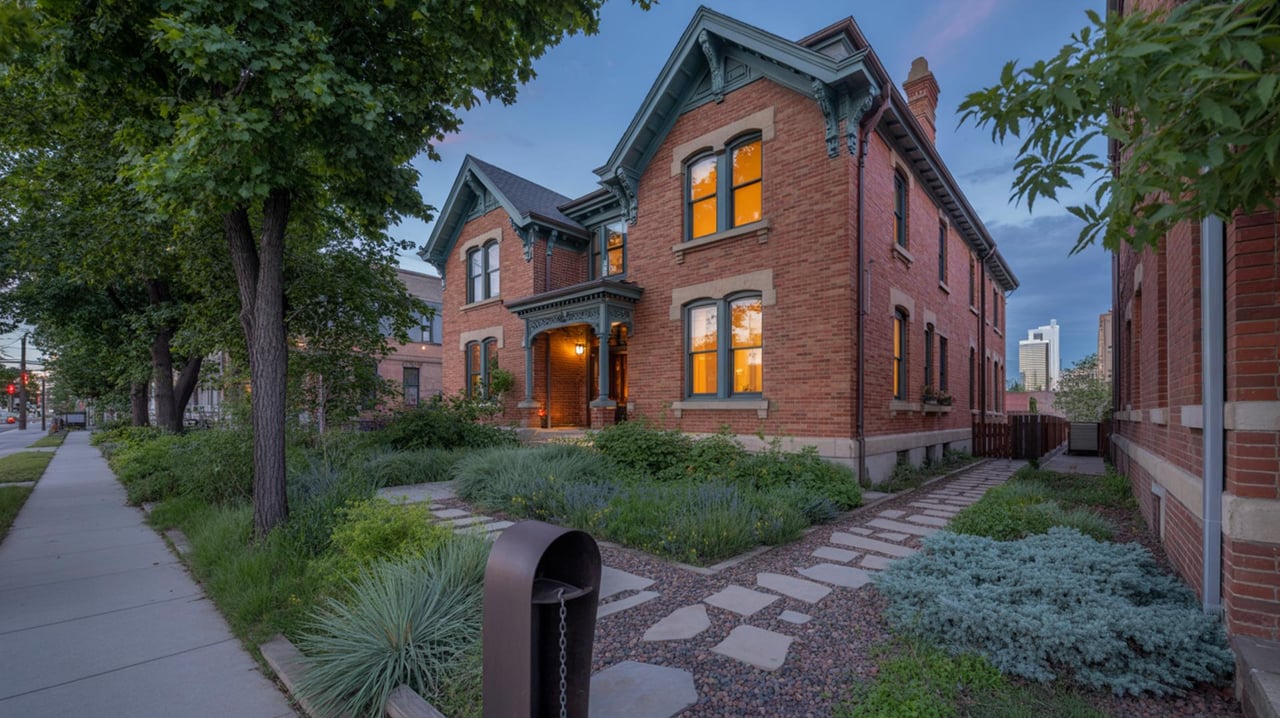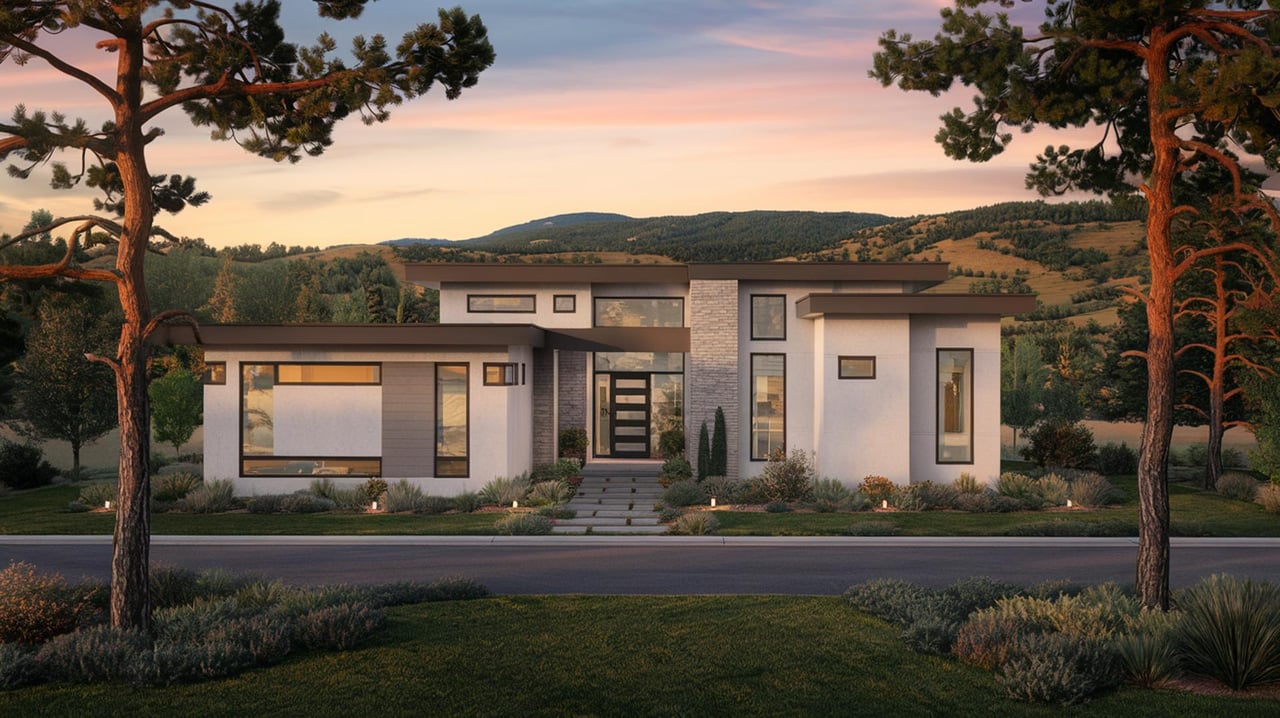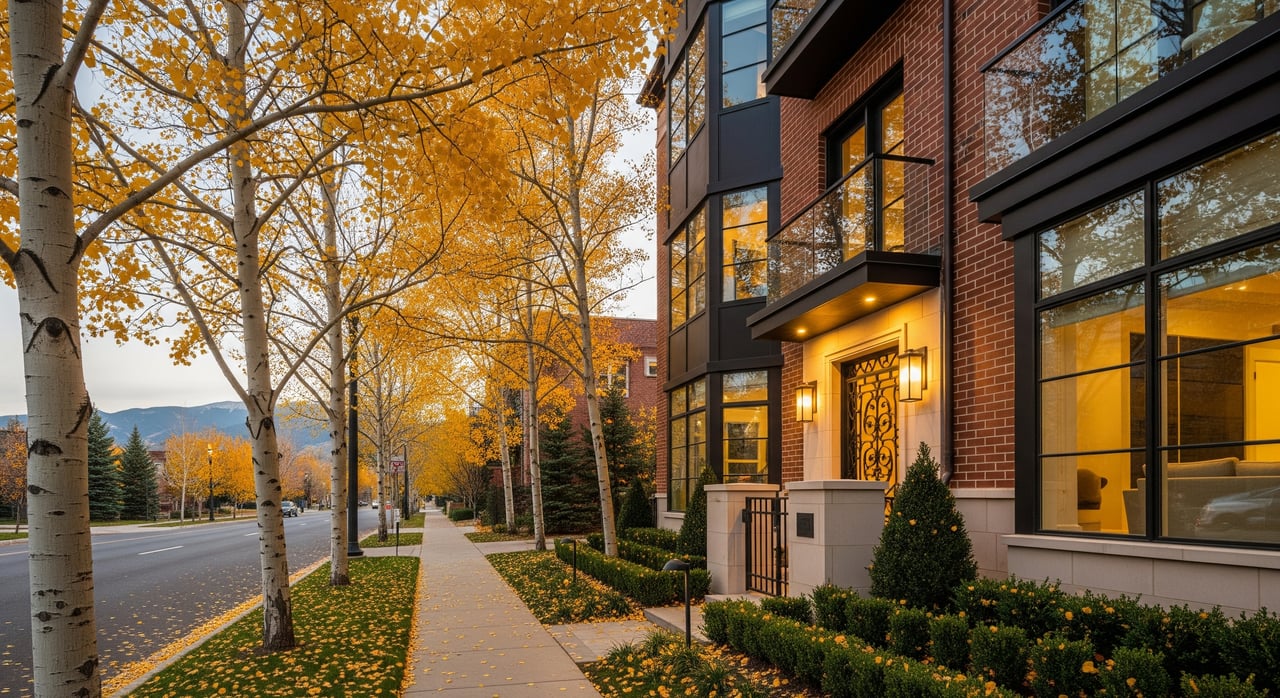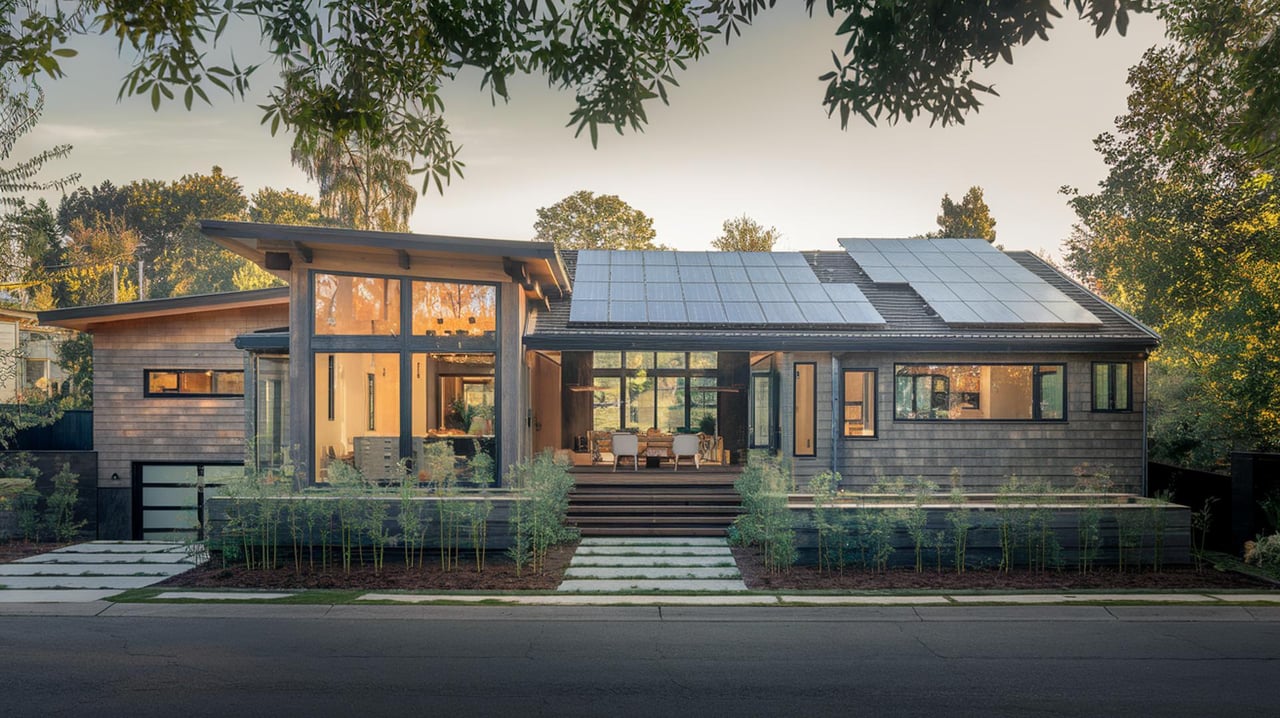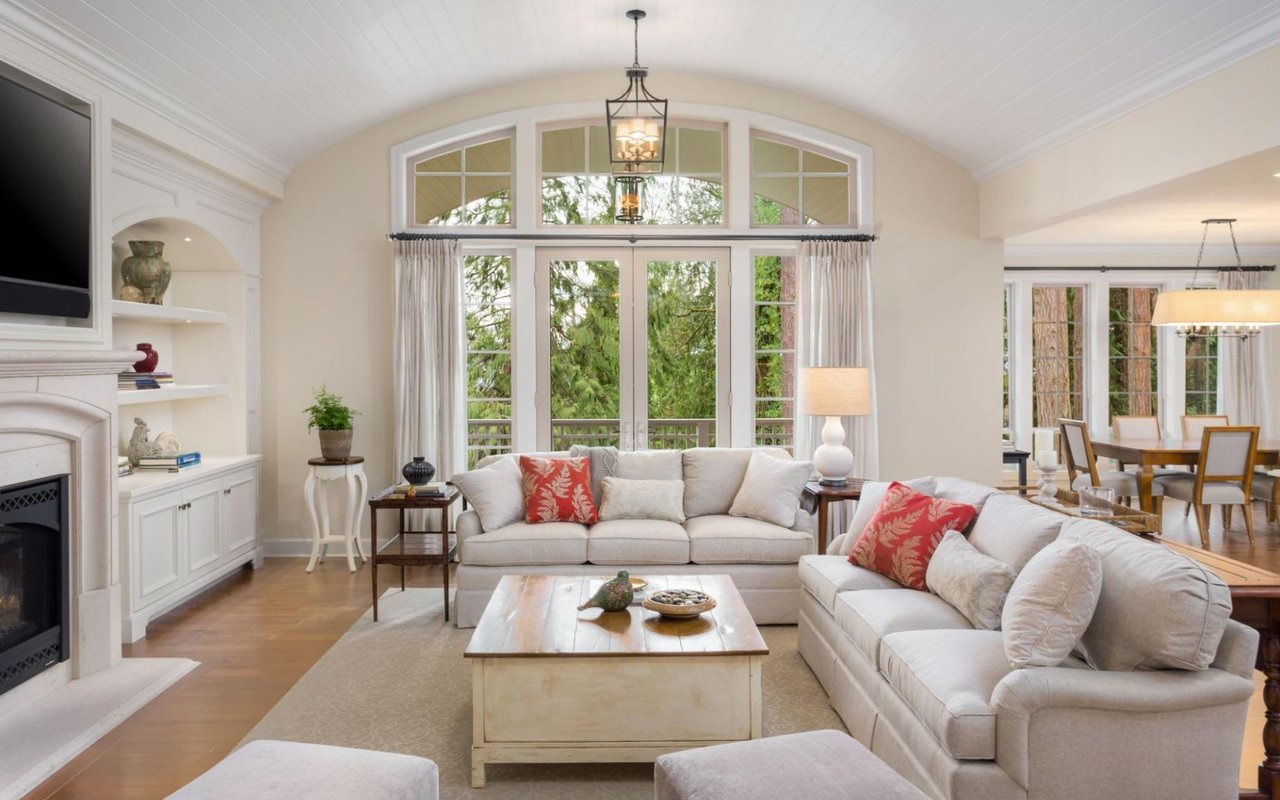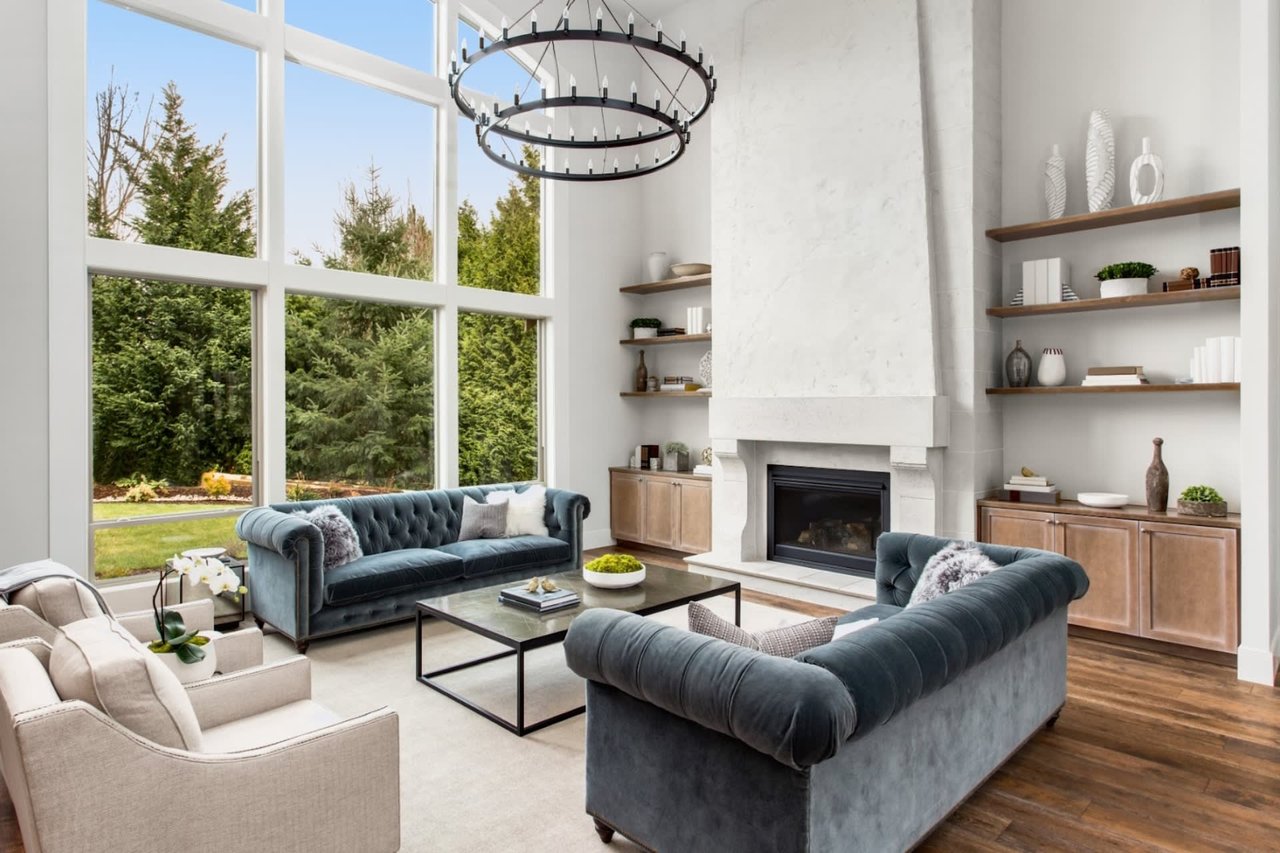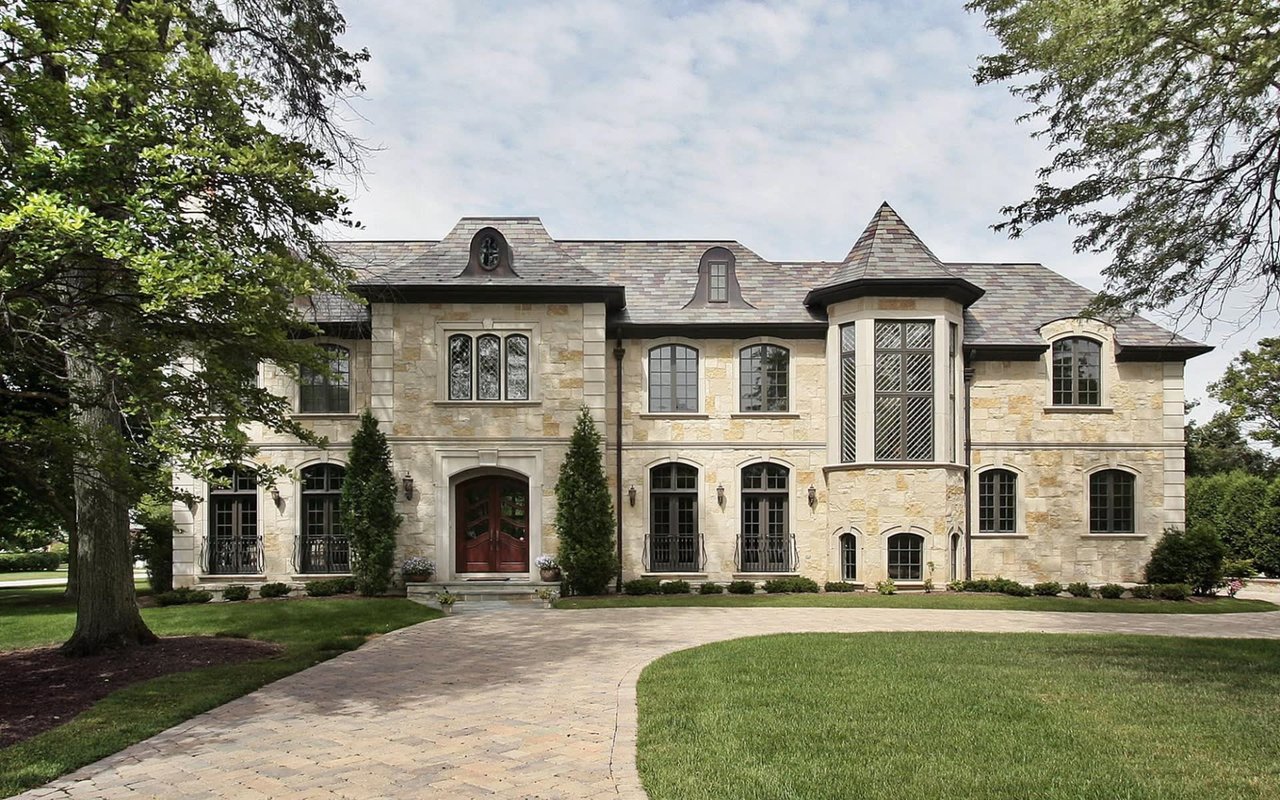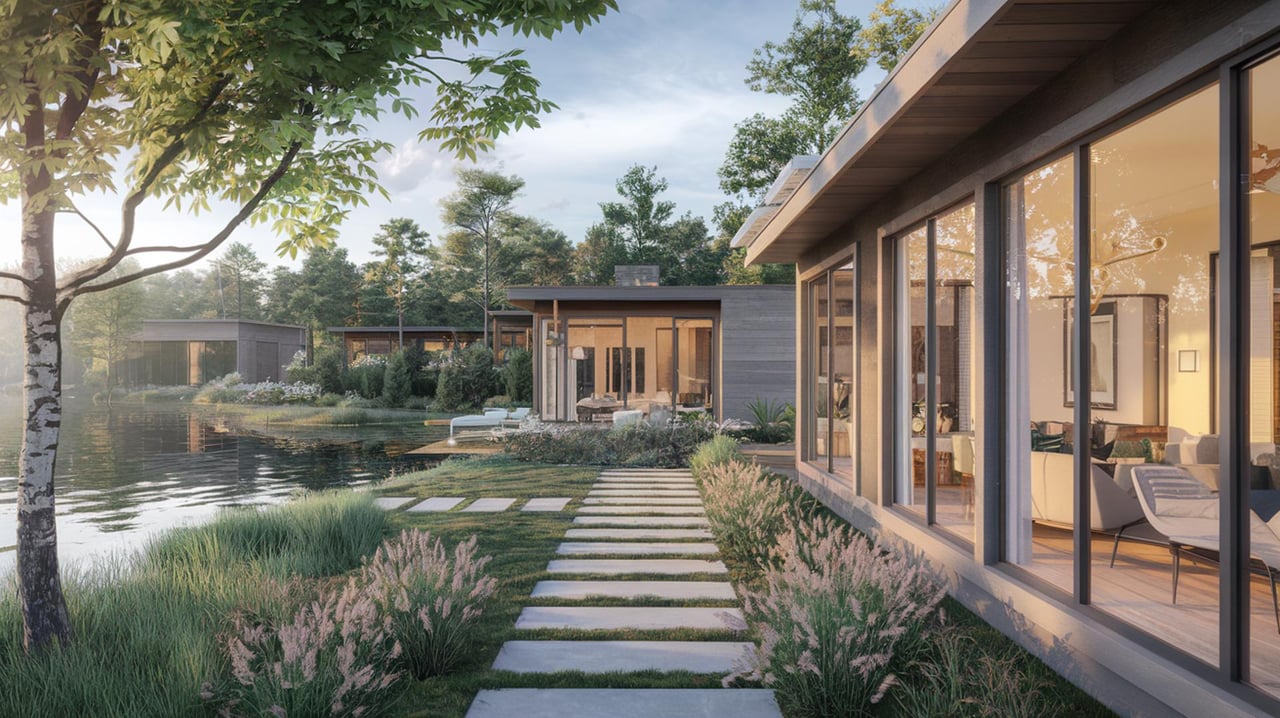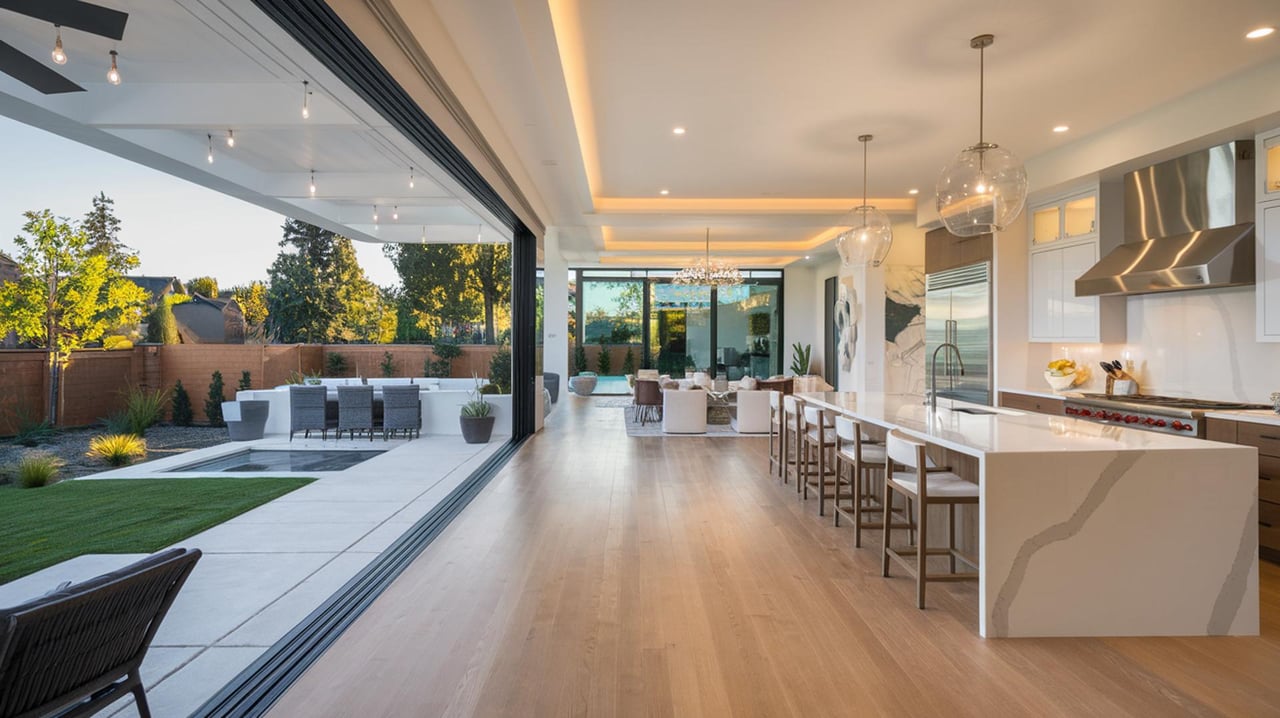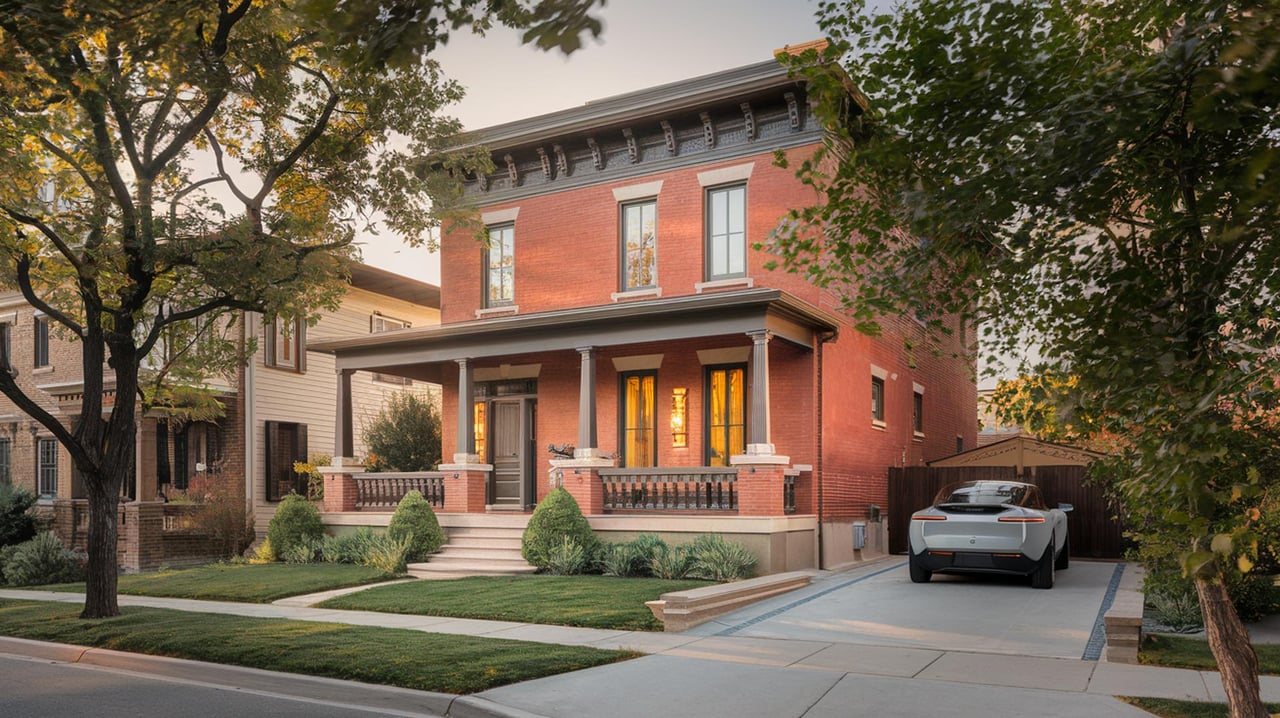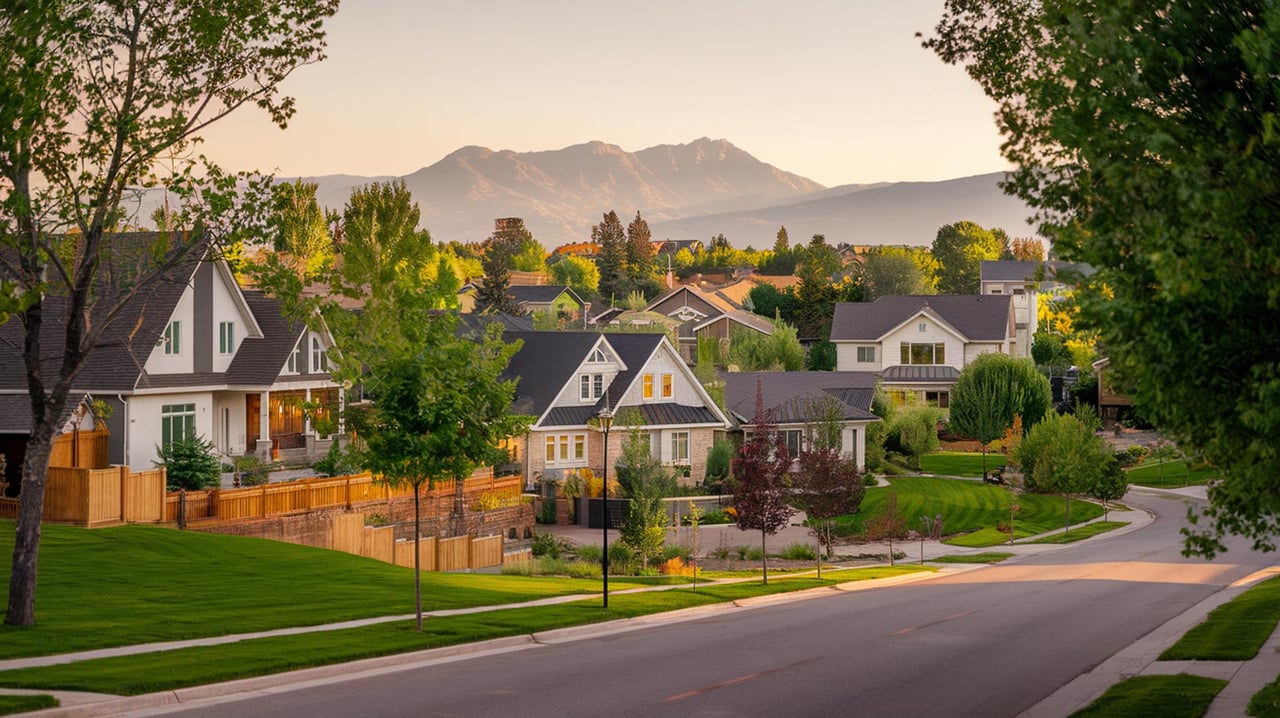
Wondering whether a Highland townhome or a detached home is the better fit for your lifestyle and budget? In this part of Denver, the answer is rarely as simple as “more house is better.” Your ideal choice depends on how you want to live, what kind of upkeep you want to handle, and how much flexibility you may need down the road. Let’s break down the real tradeoffs so you can make a smart move in Highland.
Highland housing choices in context
Highland sits within Denver’s Near Northwest Area, where the city’s adopted 2024 plan points to a neighborhood pattern that balances housing growth, walkability, bike access, historic homes, and neighborhood character. Community input also highlighted concerns around parking, traffic, older homes, and interest in missing-middle housing and ADUs.
That context matters because townhomes and detached homes often serve different priorities. In Highland, your property type choice is closely tied to how much you value walkability, lot control, maintenance, outdoor space, and parking simplicity.
The market also shows that Highland is not one-size-fits-all. As of spring 2026, Redfin reported a March median sale price of $877,500, while Realtor.com reported an April median listing price of $975,000, with 104 active listings and a median 41 days on market. Those numbers measure different parts of the market, but together they show a competitive neighborhood with a wide range of options.
Highland prices vary by subarea
One of the biggest reasons this decision can feel tricky is that Highland includes several subareas with meaningful price differences. Realtor.com reported median listing prices around $980,000 in LoHi, $774,000 in Potter Highlands, $675,000 in Town of Highland, and $749,900 in Near Northwest Denver.
That spread matters because buyers often end up choosing both a property type and a micro-location at the same time. A townhome closer to a denser, more active stretch of Highland may offer a different day-to-day experience than a detached home on a quieter residential block.
Why some buyers prefer detached homes
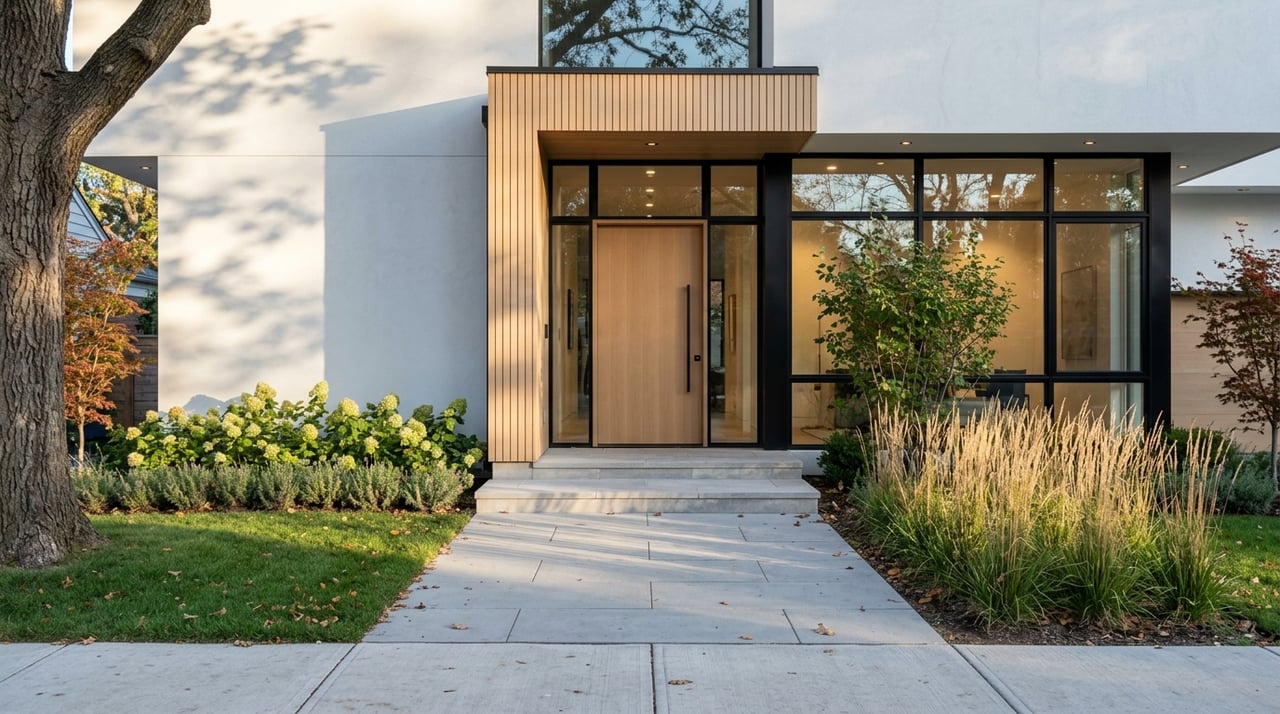
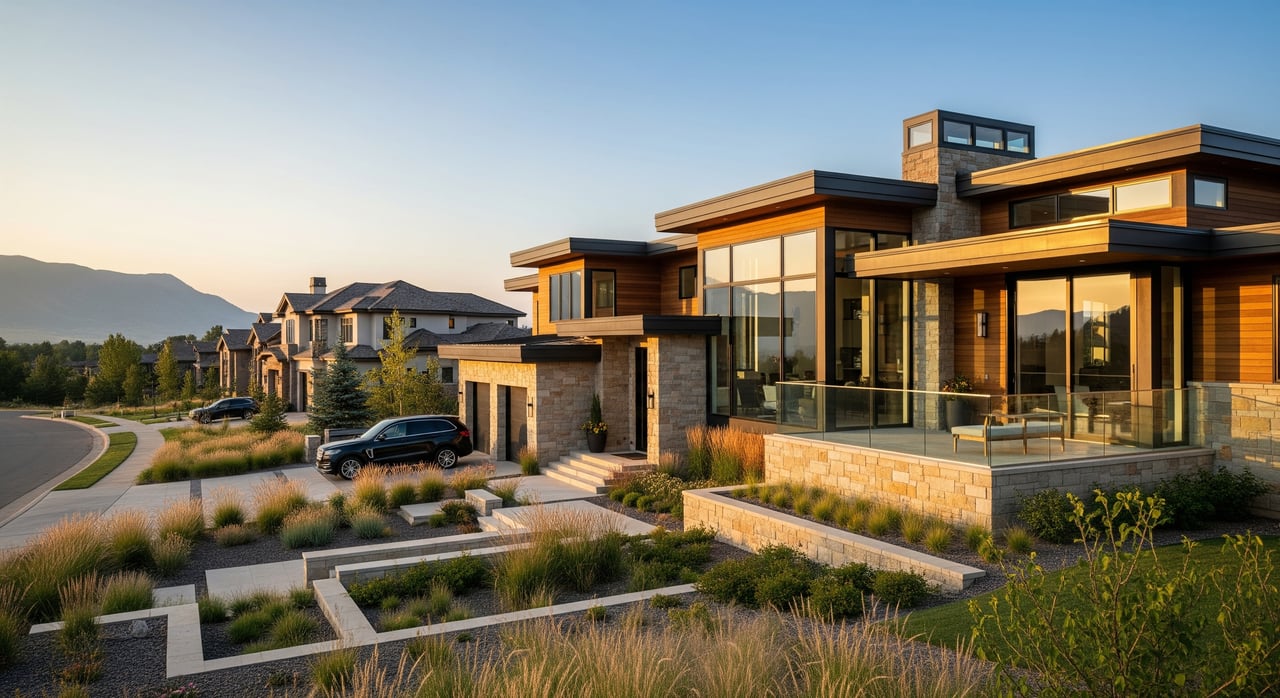
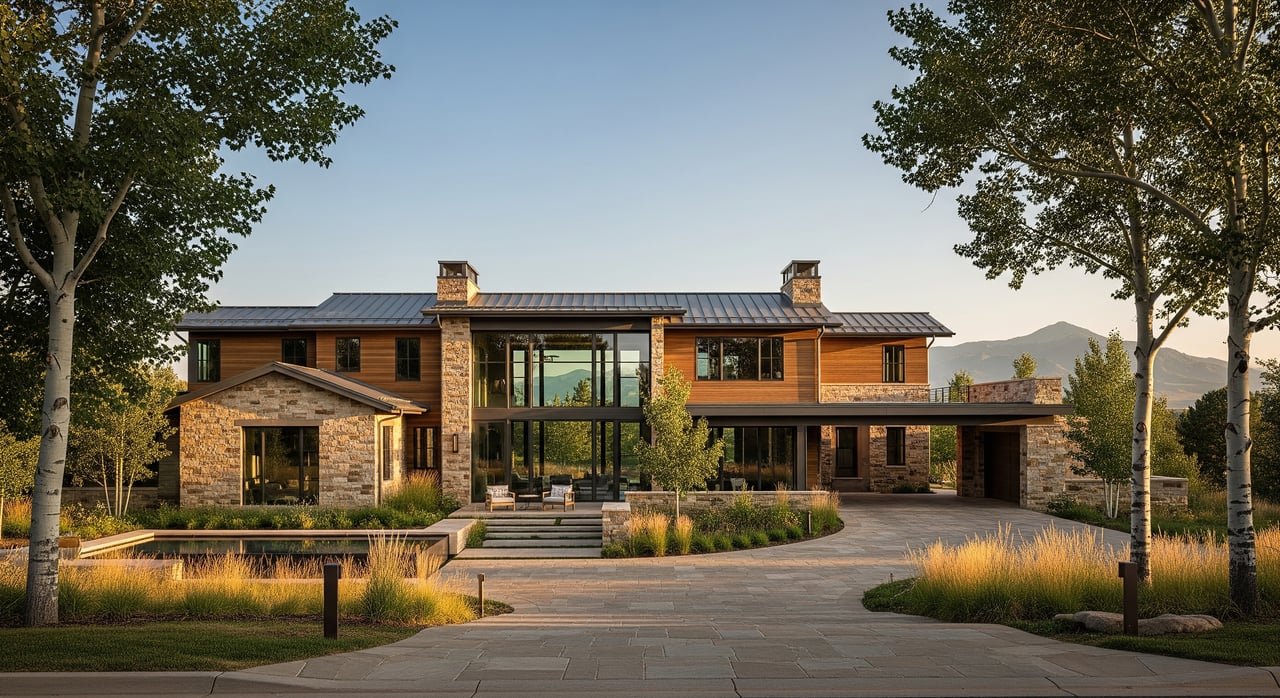
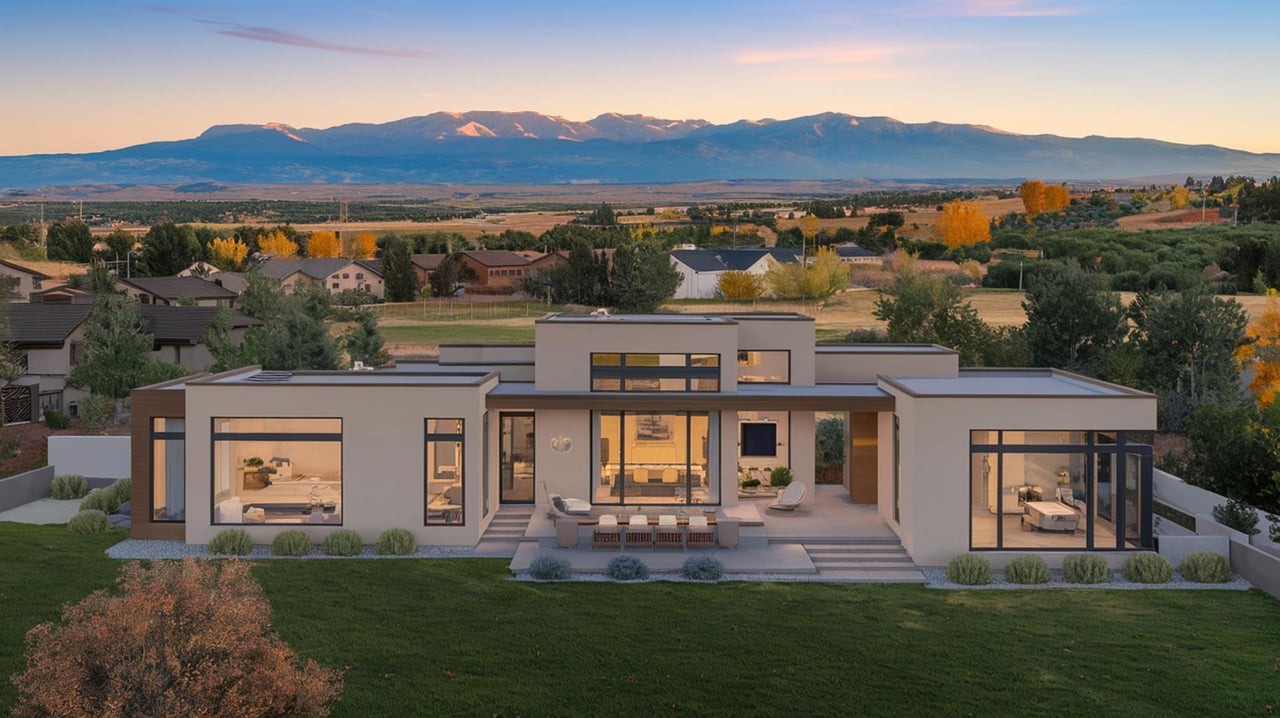
Detached homes usually appeal to buyers who want more privacy, more site control, and more long-term flexibility. Denver defines a single-unit dwelling as one dwelling unit in a single structure, such as a detached house, and that setup often gives you more freedom to think ahead.
If future flexibility matters, detached ownership can be especially compelling in Denver right now. The city’s ADU change that took effect on December 16, 2024 opened ADUs in all residential areas and expanded them to roughly 70% of Denver land, up from 36% before. In single-unit zone districts, the owner must live on the property.
For some buyers, that creates a meaningful advantage. If you are thinking about multigenerational living, a future guest space, or a long-term property strategy, detached homes often provide the cleaner path to explore those options, subject to zoning and code requirements.
Current Highland detached-home listings also show the premium that comes with that flexibility. Realtor.com examples range from about $900,000 to $2.595 million, with sample lot sizes commonly around 2,700 to 4,100 square feet.
Detached-home advantages
- More privacy from neighboring units
- More direct control over the lot and exterior
- Better fit for buyers who want expansion potential
- Stronger appeal if private parking or garage access is a priority
- More practical starting point for buyers considering a future ADU, subject to zoning and code
Detached-home watchouts
- Higher entry prices in many parts of Highland
- More owner responsibility for exterior upkeep and repairs
- Older homes may need more planning and maintenance
- Site shape, setbacks, and zoning can limit future additions
Why townhomes attract many Highland buyers
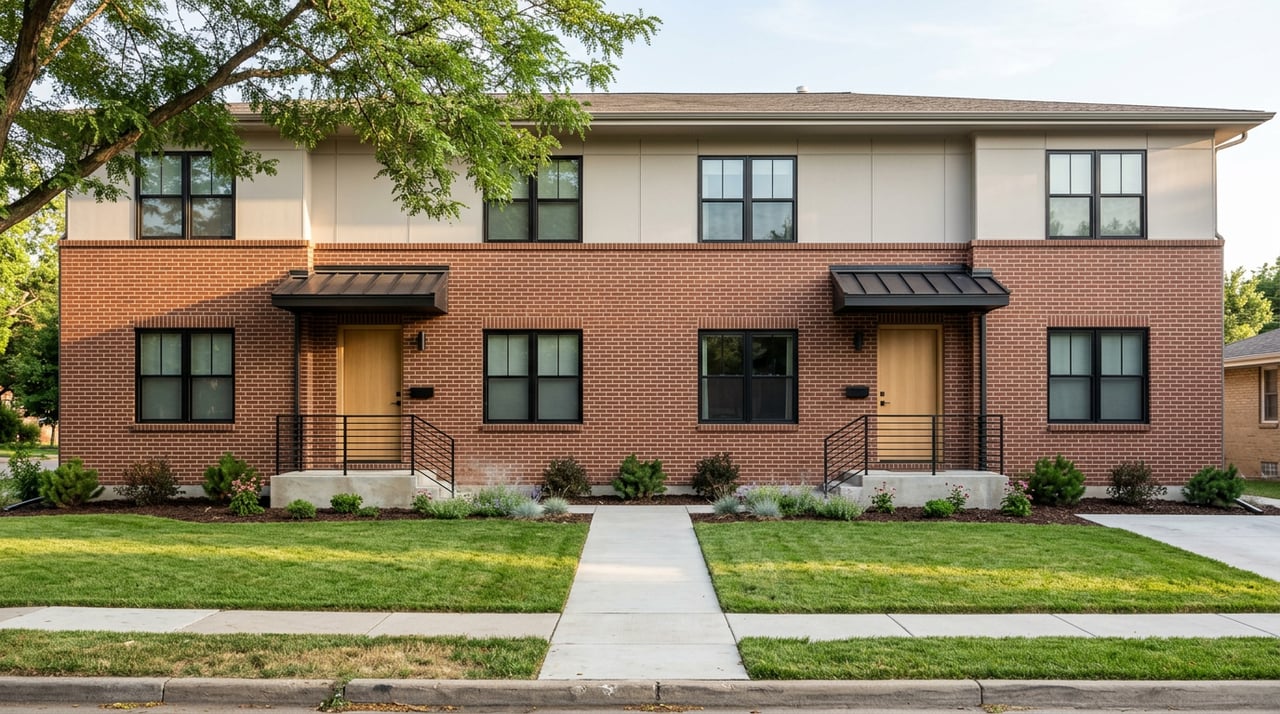
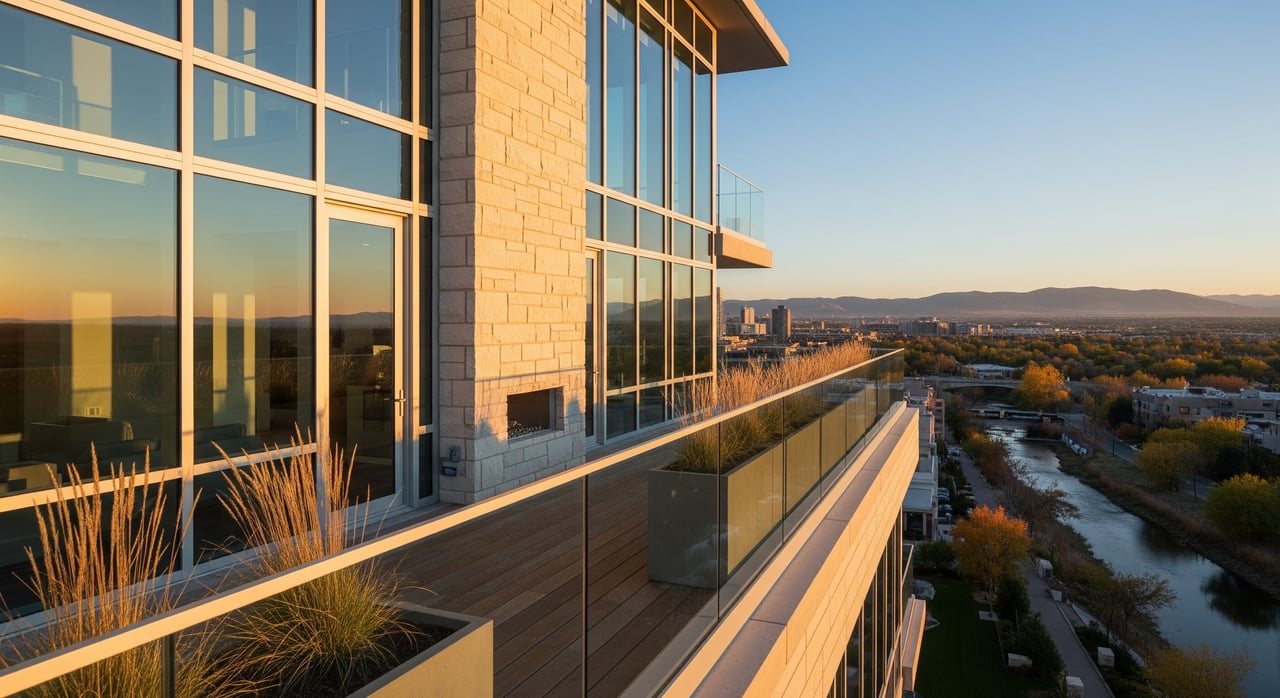
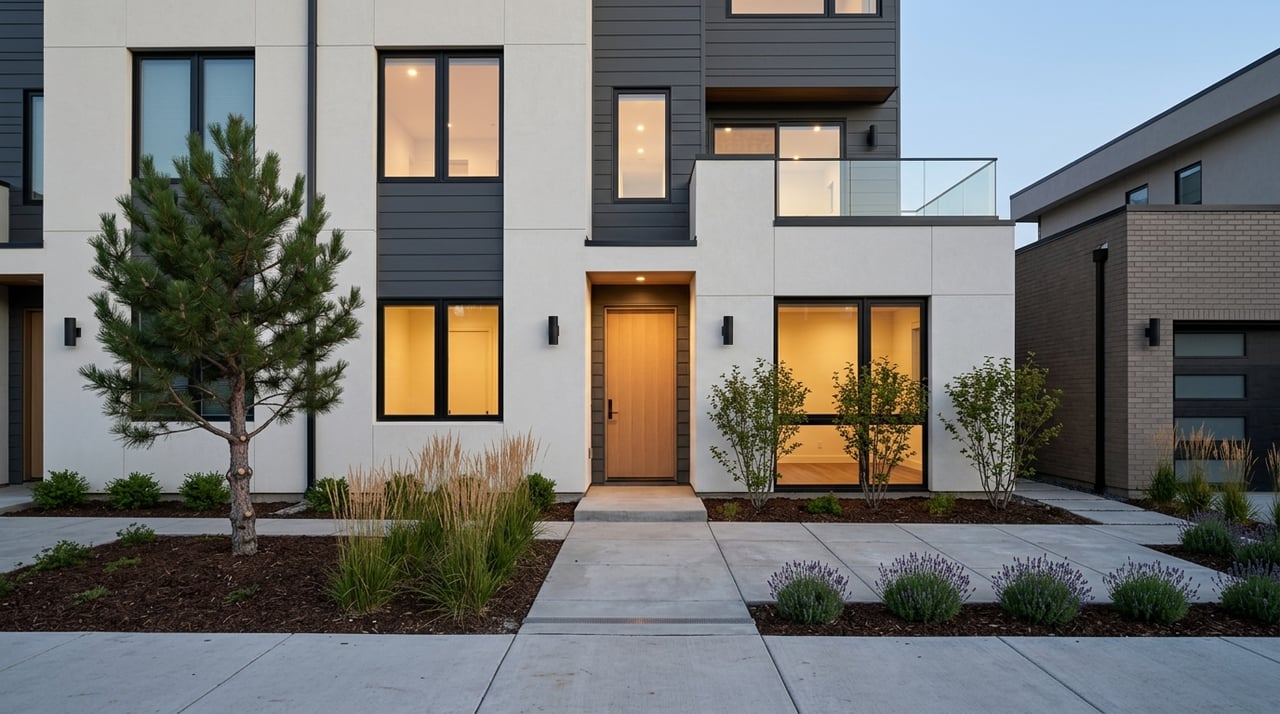
Townhomes can be a strong fit if you want Highland access with less exterior maintenance and, in some cases, a lower entry point. In a neighborhood where walkability and proximity to busier mixed-use areas matter to many buyers, attached living can offer a practical middle ground.
Colorado’s HOA guidance makes an important point here: the association declaration governs common-element maintenance, assessment formulas, and owner restrictions. Regular dues often help cover maintenance, landscaping, insurance, and reserves, while special assessments may be used for major repairs or replacements.
That means townhome ownership can simplify certain day-to-day responsibilities, but it also requires careful document review. The tradeoff is often less hands-on exterior upkeep in exchange for dues, shared rules, and dependence on the association’s financial health.
In Highland, townhome pricing spans a wide range. Current Realtor.com listings run from roughly $360,000 to $1.75 million, with many examples clustered between about $629,000 and $995,000.
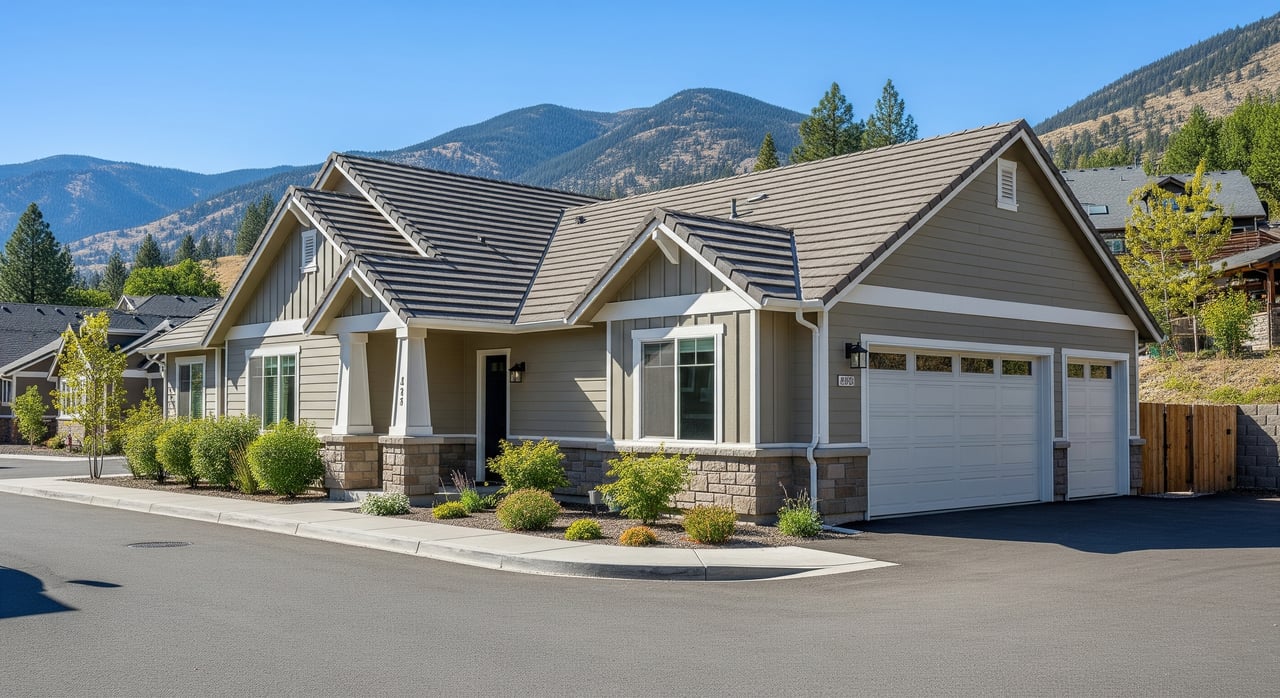
Some townhomes also include features buyers may not expect, such as garages and front or back yards. So if you are picturing a townhome as automatically short on storage, parking, or outdoor space, the local inventory may surprise you.
Townhome advantages
- Often a lower purchase price than detached homes in the same broader area
- Less exterior maintenance for the owner in many communities
- Access to walkable, denser parts of Highland
- Some units still include yards, garages, or both
- Good fit for buyers who prioritize convenience and a lock-and-leave lifestyle
Townhome watchouts
- HOA dues affect your monthly carrying cost
- Special assessments can arise for major repairs
- Association rules may limit leasing, pets, or exterior changes
- Shared walls and common areas may reduce privacy
Parking and walkability can shape the decision
In Highland, parking is not a small side issue. It is one of the clearest real-world differences between townhome living and detached-home living.
A city parking study found that the north half of Highland was primarily single-family homes, while the south half included more multi-family homes, lofts, offices, retail, restaurants, and parks. The same study noted that surveyed townhome and loft developments were all south of 33rd Avenue and almost all had one off-street parking space per unit.
That pattern helps explain why attached housing in Highland often lines up with a more urban feel. If you want easy access to shops, restaurants, and daily convenience, you may be more comfortable with some parking tradeoffs. If you want simpler vehicle storage and fewer curbside variables, a detached home with a private garage may feel more predictable.
Denver’s 2025 Highlands Curbside Area Management Plan adds another layer. The city says these plans are meant to balance resident parking, business parking, deliveries, and other curbside needs as neighborhoods grow and activity increases.
Outdoor space is not just about your lot
Private outdoor space matters to many buyers, but in Highland, the conversation should be broader than lot lines alone. Detached homes often offer more direct control over yard space, especially if you want gardening, entertaining, or room to adapt the property over time.
Townhomes may offer less private space on paper, but that does not always mean a lesser lifestyle. Some listings include yards or patios, and Highland also benefits from nearby recreation, including the Highland Recreation Center just north of Sloan’s Lake Park in West Highlands.
That can change the equation if your priority is access rather than ownership of outdoor space. For some buyers, a lower-maintenance property near neighborhood amenities feels better than taking on a larger yard they may rarely use.
Think about carrying cost, not just sticker price
It is easy to compare the list price of a townhome against a detached home and stop there. In reality, the better comparison is your full monthly carrying cost.
Denver states that property taxes are based on assessed value and mill levies set annually by taxing authorities. So your budget should account for taxes, insurance, maintenance, and any HOA dues together rather than reviewing each cost in isolation.
A detached home may have no HOA dues but require more direct upkeep. A townhome may have lower maintenance exposure for some exterior items, but dues and the possibility of special assessments need to be part of your planning from the start.
Due diligence questions for townhomes
Before you buy a townhome in Highland, take the HOA review seriously. Colorado’s HOA Center advises buyers to review governing documents carefully before closing.
Focus on the documents and policies that affect your actual use of the property and your ongoing costs.
What to review on a Highland townhome
- HOA declaration and CC&Rs
- Monthly dues and what they cover
- Reserve policy and reserve health
- Special-assessment history
- Rules on pets, leasing, and exterior changes
- Maintenance responsibility between owner and association
Colorado’s HOA FAQ also notes that there is no central repository for HOA governing documents in the state. In practice, buyers often need to request those documents from the listing side or pull them through the county clerk and recorder.
Due diligence questions for detached homes
Detached homes usually offer more flexibility, but that flexibility should be verified, not assumed. If you are considering an addition, a remodel, or a future ADU, zoning and site constraints matter.
Denver states that ADUs must meet zoning and building and fire code requirements and be compatible with the main house. Lot size, lot shape, and setbacks can all affect what is realistically possible.
What to review on a Highland detached home
- Current zoning
- Setbacks and site constraints
- Garage and parking setup
- Lot size and usable outdoor area
- Condition of older home systems and exterior components
- Whether your future plans fit current city requirements
Which property type fits your goals?
If you want more control, more privacy, and better long-term flexibility, a detached home may be the stronger match. That is especially true if you are thinking ahead to future expansion, multigenerational living, or an ADU strategy.
If you want Highland access with less exterior upkeep, more predictable shared maintenance, and often a lower starting price, a townhome may be the better fit. That can be especially attractive if your lifestyle leans toward walkability and convenience.
Neither option is automatically the “upgrade.” In Highland, this is usually a tradeoff among lot control, maintenance, parking, and price point, shaped by the specific subarea you choose.
The right move comes down to how you want to live now and what you want your property to do for you later. If you want help weighing Highland’s micro-markets, current inventory, and the practical pros and cons of each option, Alex Rice can help you compare the details with a clear local strategy.
FAQs
What is the main difference between a Highland townhome and a detached home?
- In Highland, the biggest differences usually come down to lot control, maintenance responsibility, parking, privacy, and price point.
Are townhomes in Highland always cheaper than detached homes?
- Not always, but current Highland listings show townhomes generally starting lower, with many examples between about $629,000 and $995,000, while detached homes in sample listings range from about $900,000 to $2.595 million.
Can you add an ADU to a detached home in Highland?
- Possibly, but it depends on zoning, lot conditions, and code requirements. Denver’s citywide ADU change expanded where ADUs are allowed, but each property still needs to meet applicable rules.
What should you review before buying a Highland townhome?
- Review the HOA declaration, CC&Rs, dues, reserve policy, special-assessment history, and any rules on pets, leasing, exterior changes, and maintenance responsibility.
Does a Highland townhome mean no yard or garage?
- No. Some current Highland townhome listings show front and back yards plus garages, so features vary by property.
Why does parking matter so much in Highland?
- Parking remains an active neighborhood issue, and Denver’s curbside planning reflects the need to balance residents, businesses, deliveries, and growing activity in denser parts of the area.