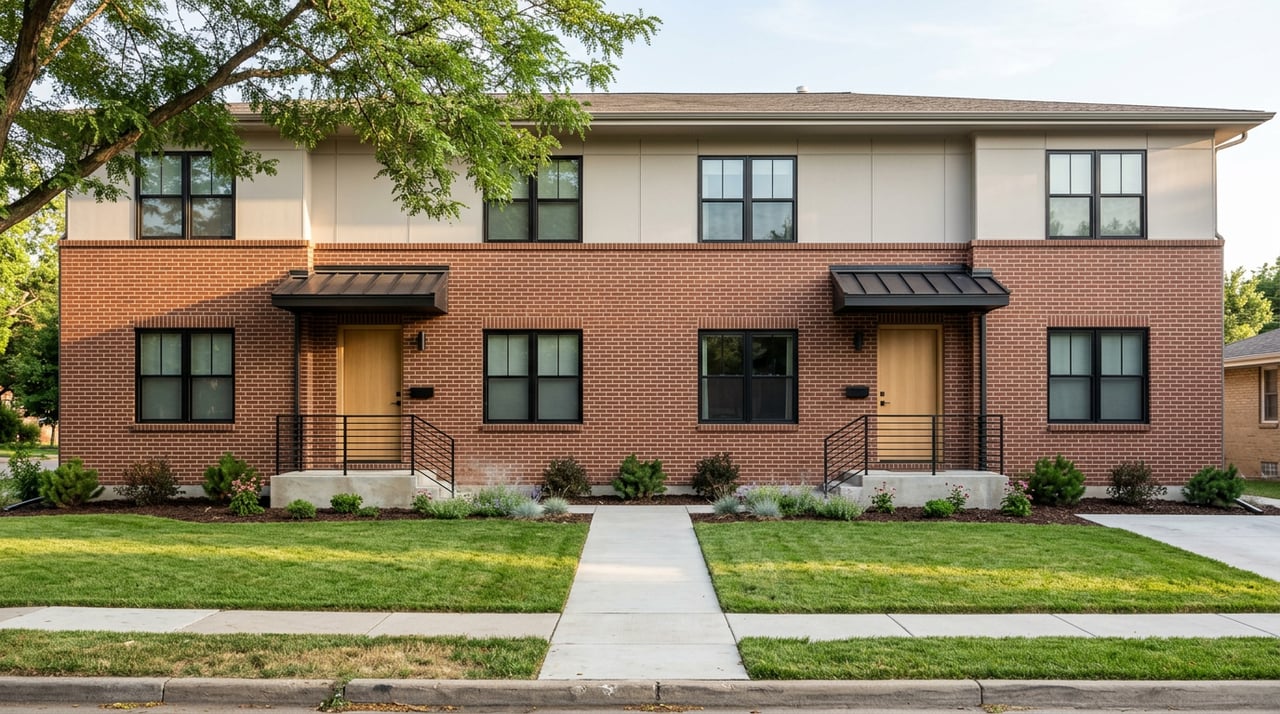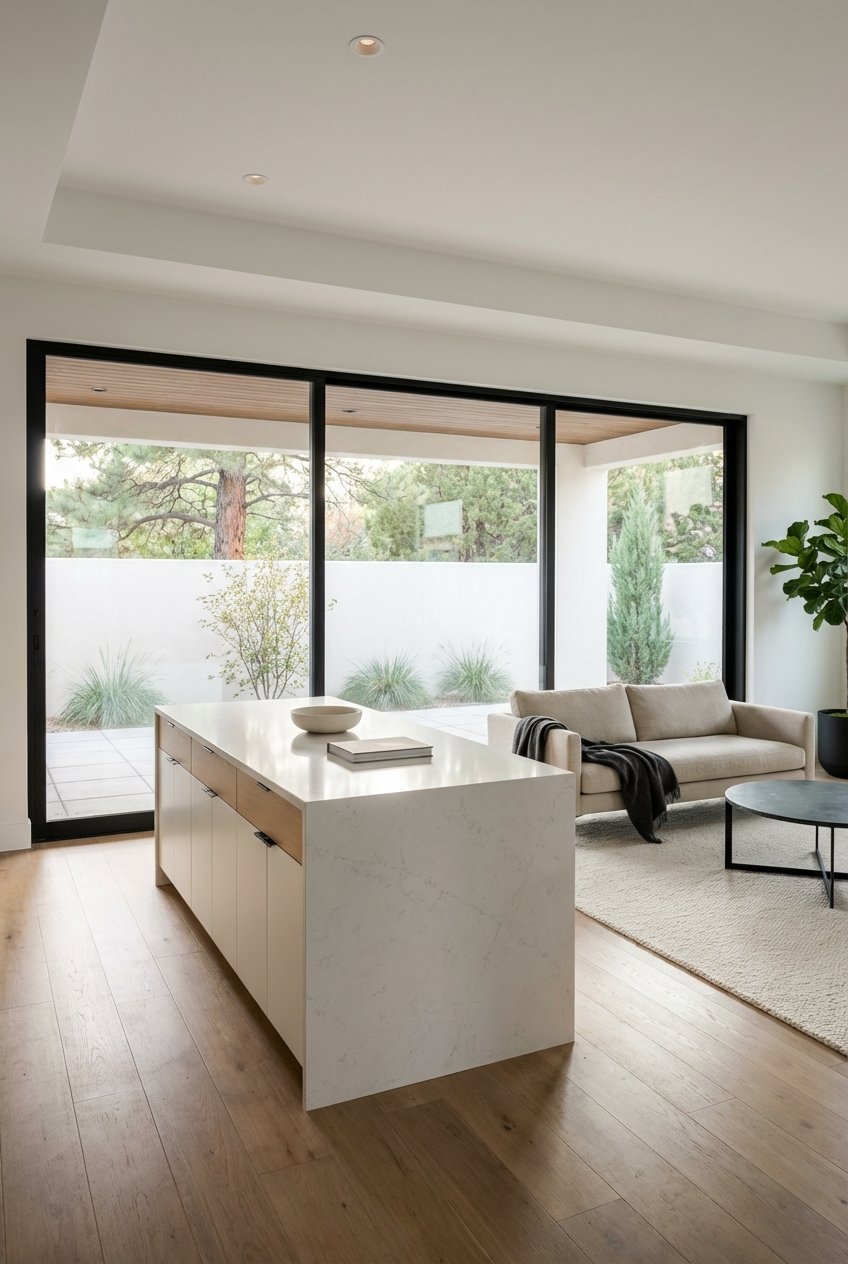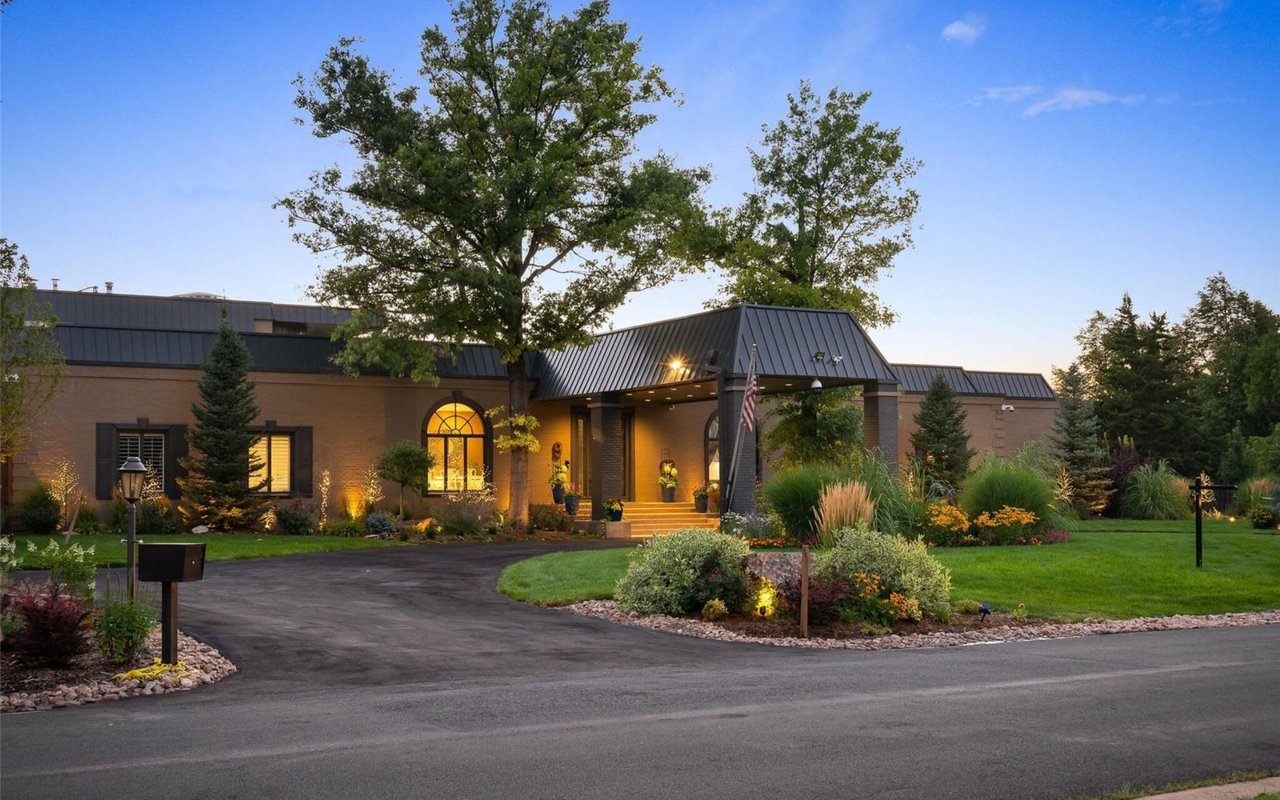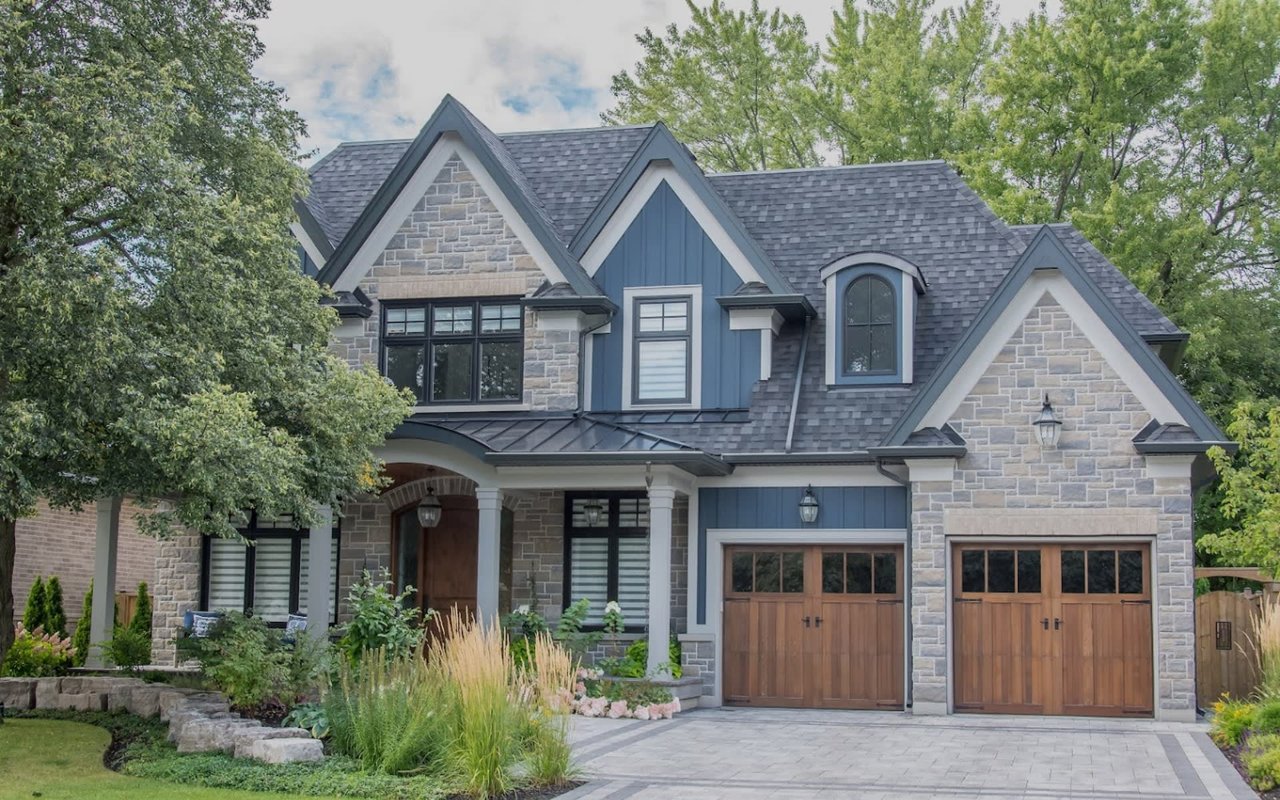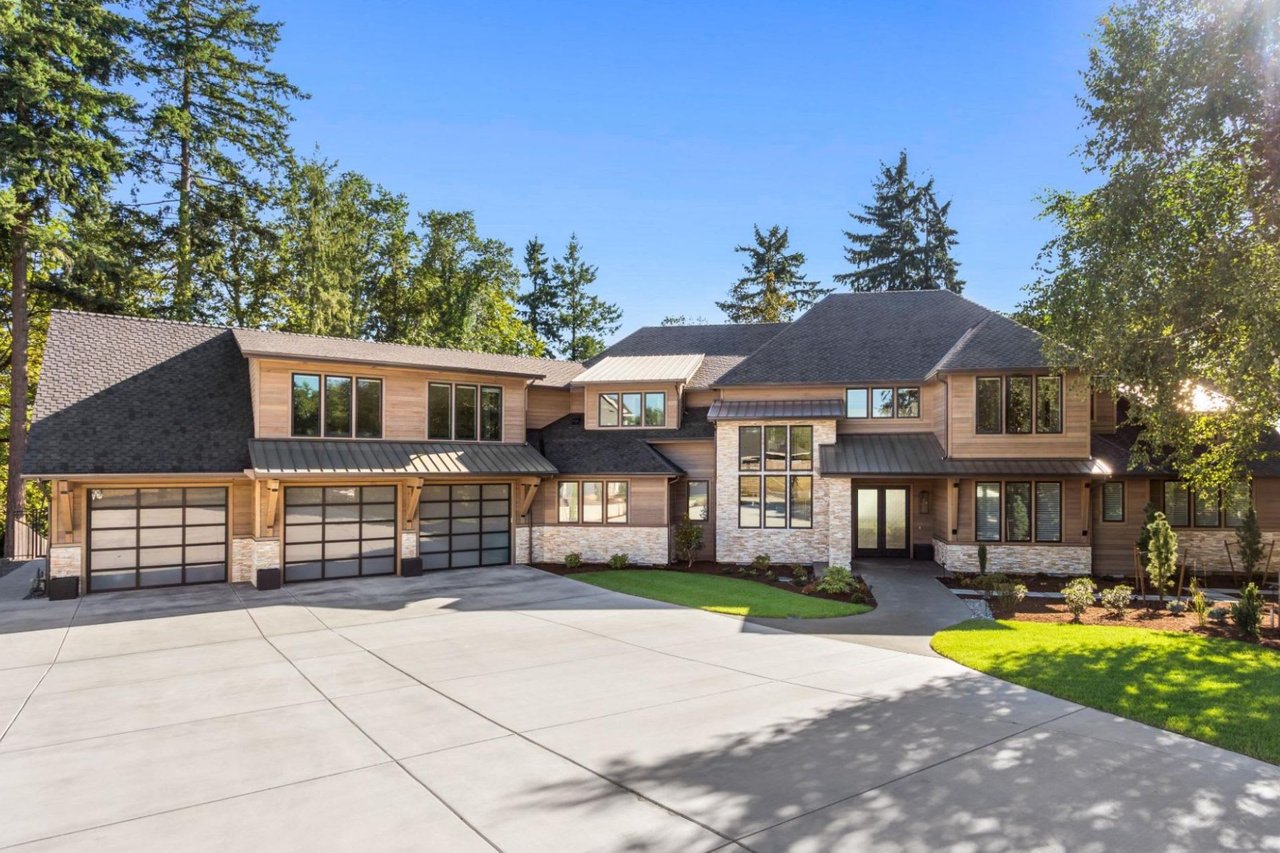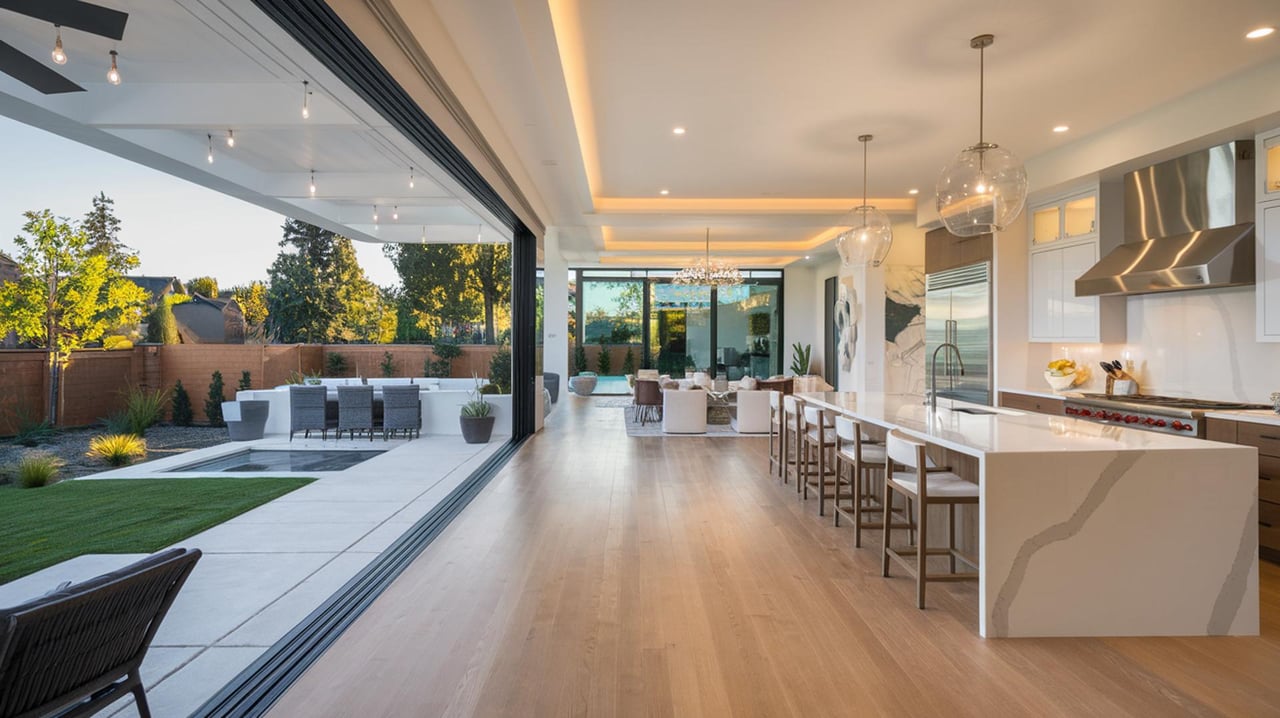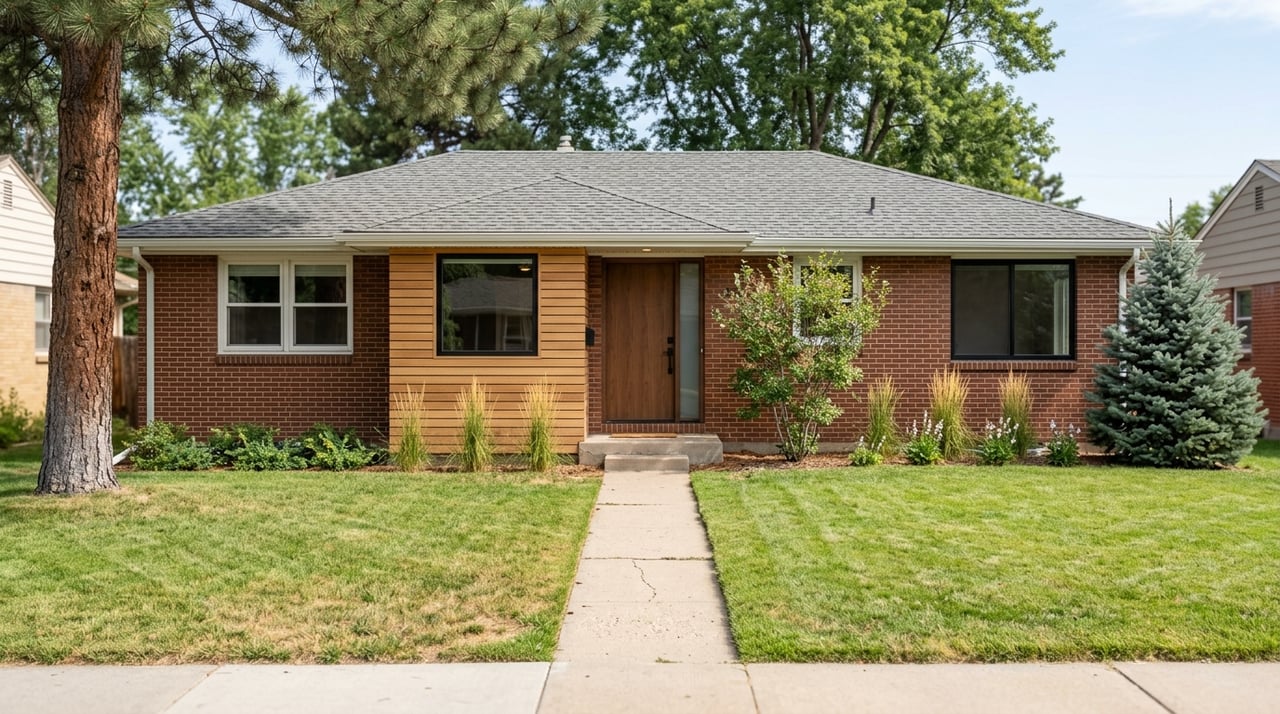
Wondering if that dated bungalow or worn ranch in Englewood is a hidden opportunity or a money pit? You are not alone. In a market where prices are still meaningful and homes can move quickly, buying a fixer-upper can be a smart way to build value, but only if you know what to look for before you write an offer. This guide will help you spot the signs of a smart fixer-upper in Englewood, understand the city-specific rules that shape renovation potential, and avoid the costly surprises that can derail a project. Let’s dive in.
Why Englewood Stands Out
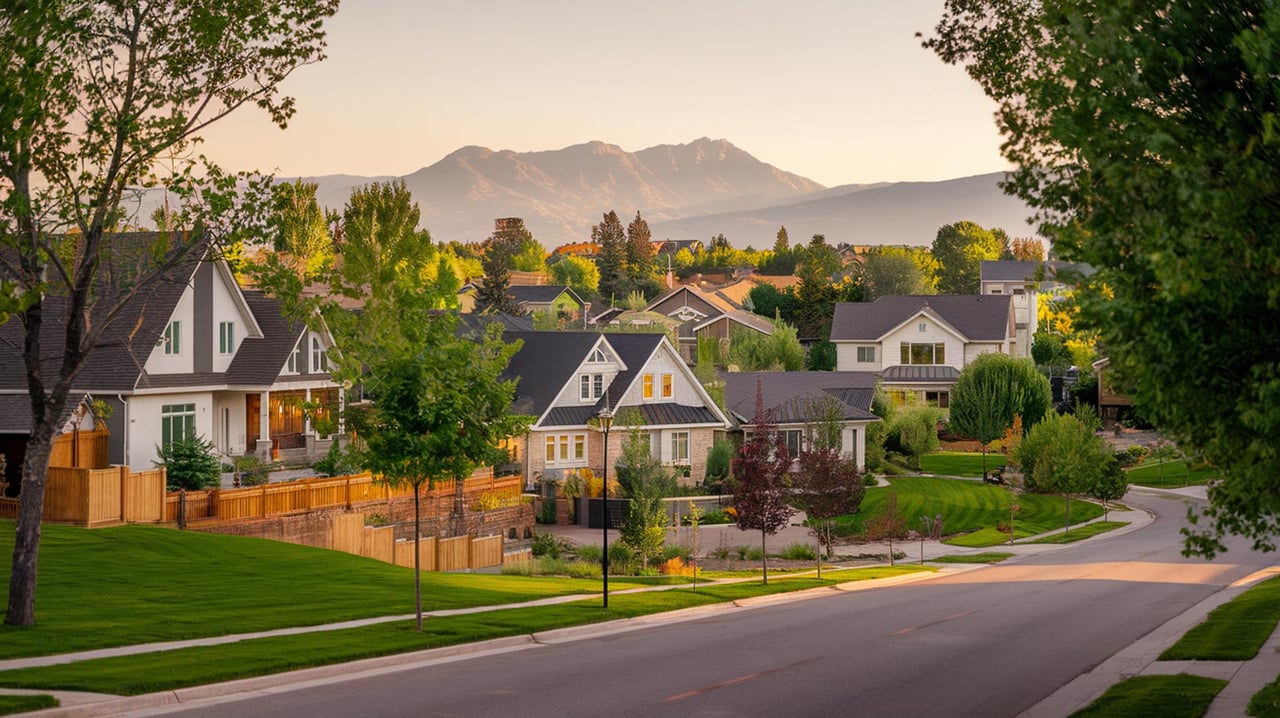
Englewood offers a mix that makes fixer-uppers especially interesting. The city describes itself as a full-service, transit-connected community with two light rail stops, a free trolley, major medical employers, a historic downtown, and redevelopment underway in CityCenter. That combination supports a broad buyer pool and creates steady interest in well-located homes that can be improved over time.
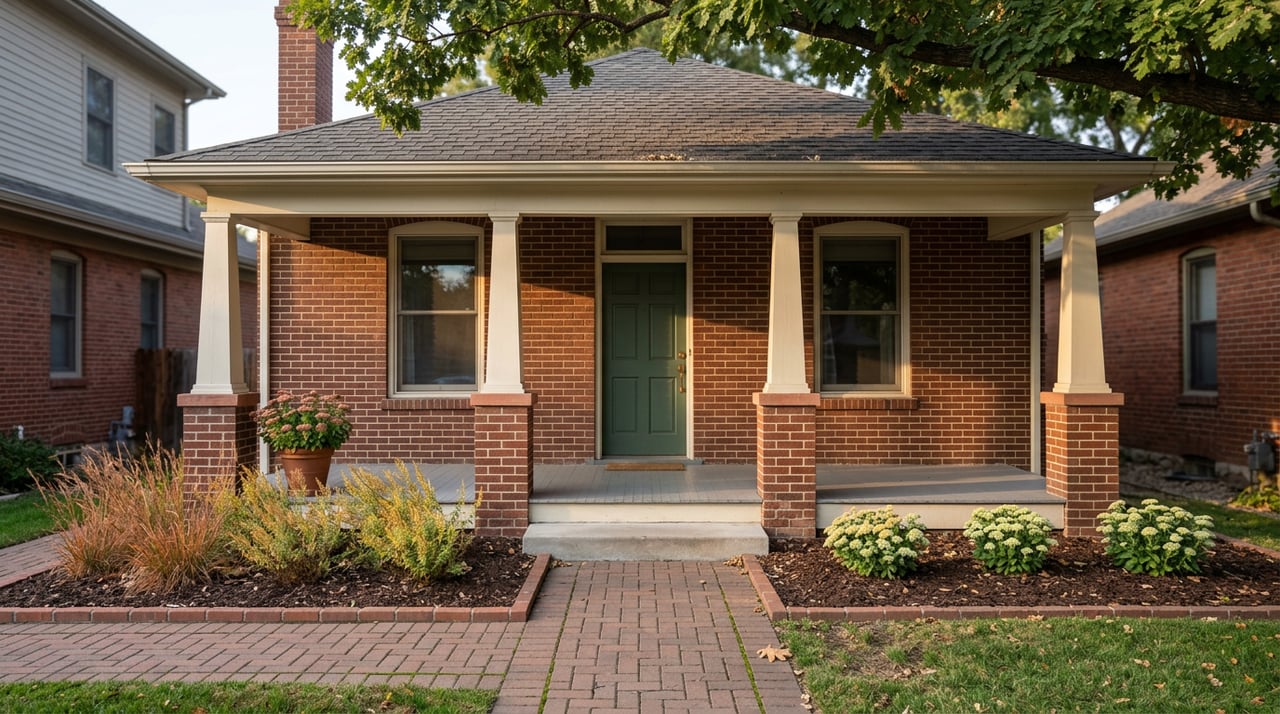
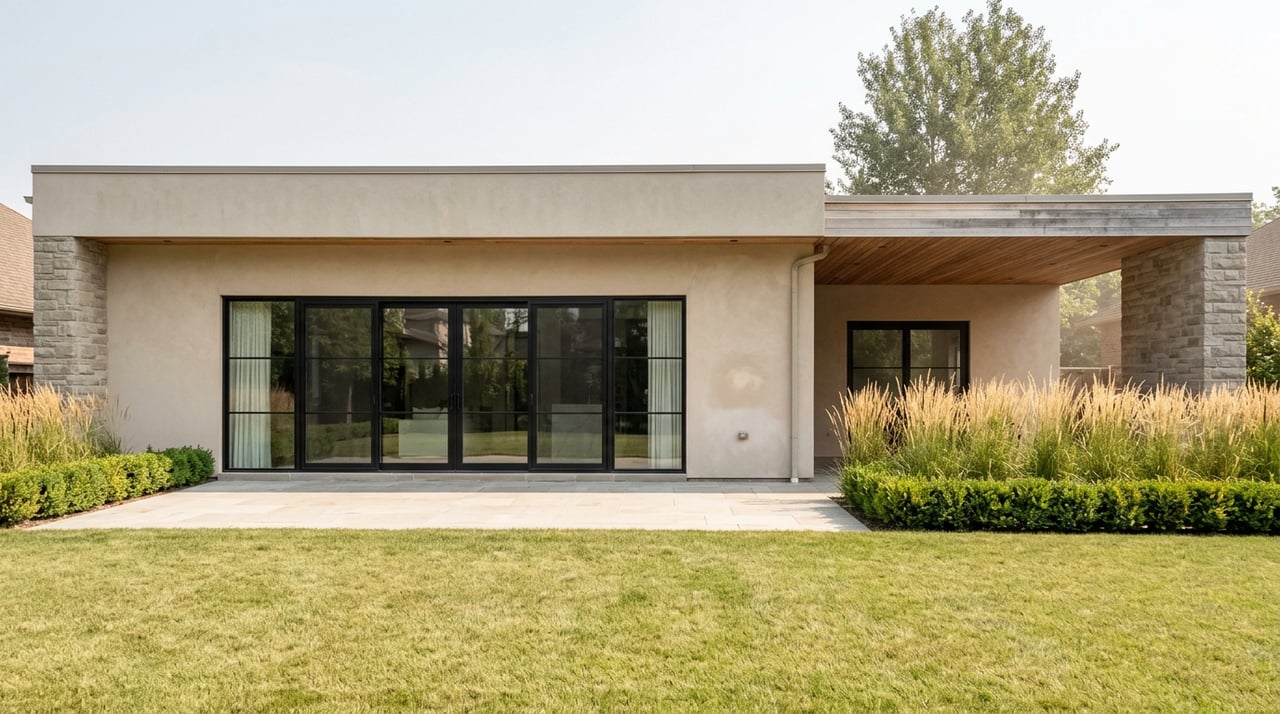
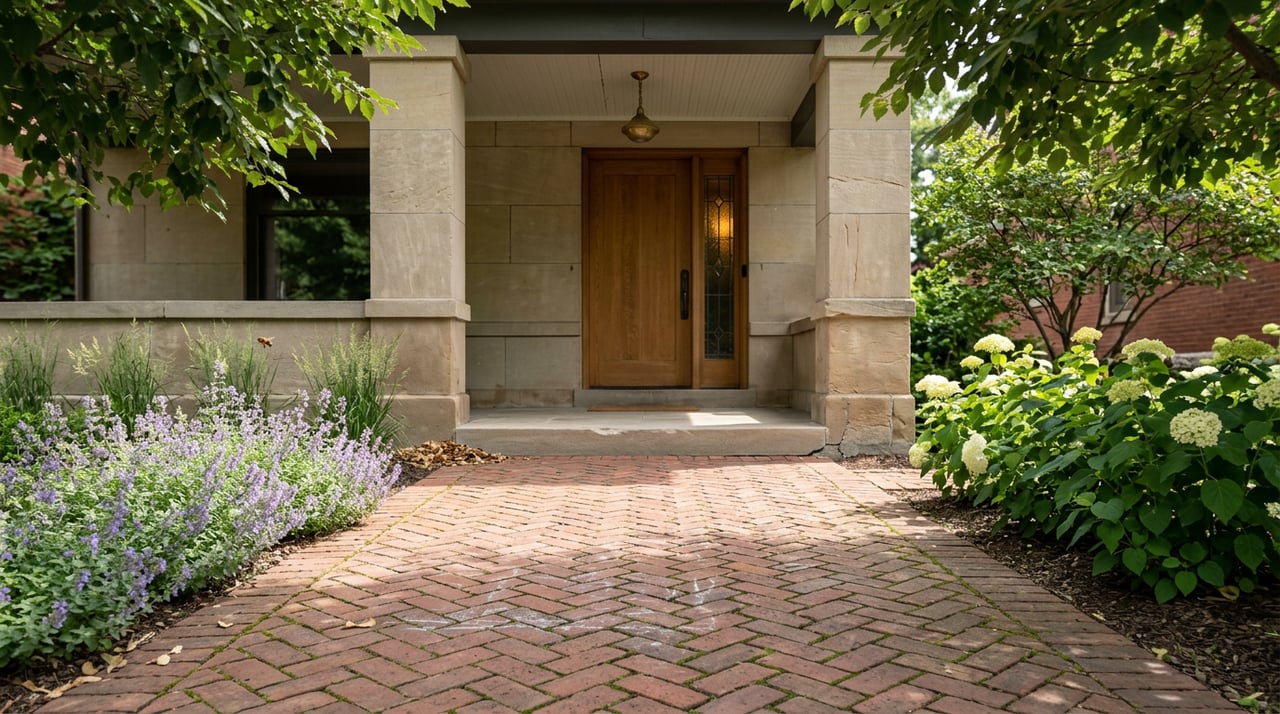
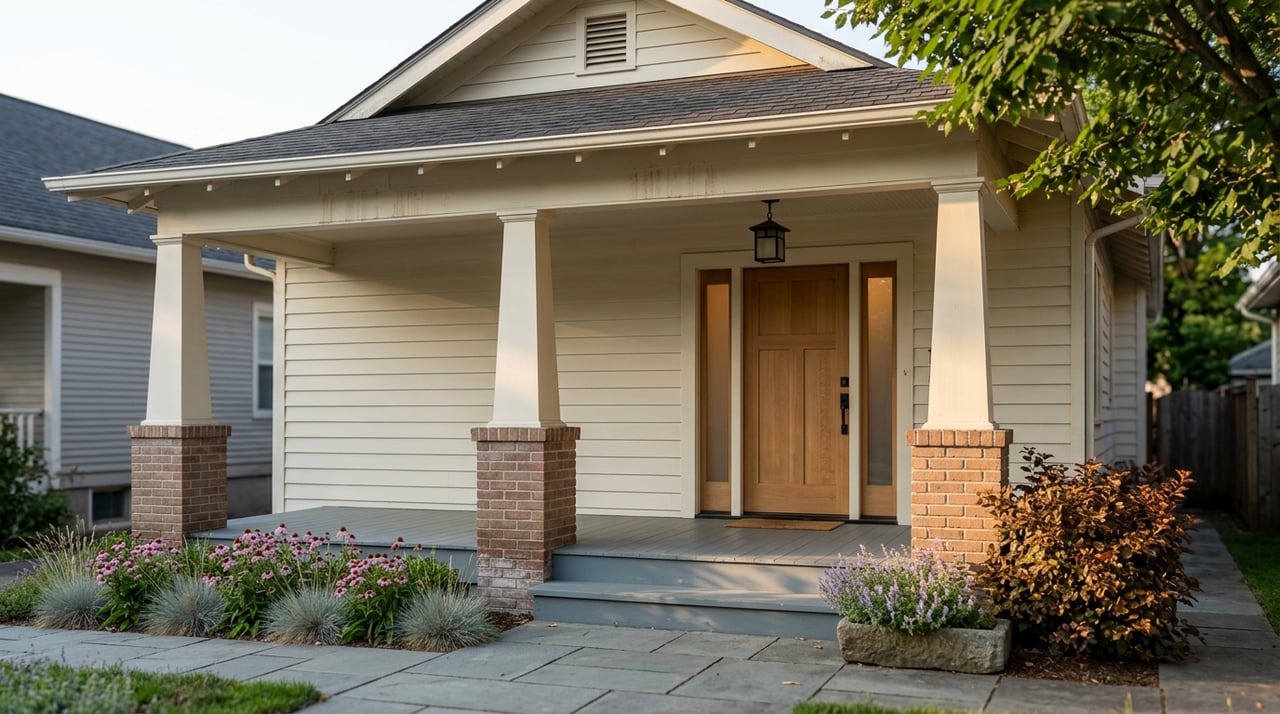
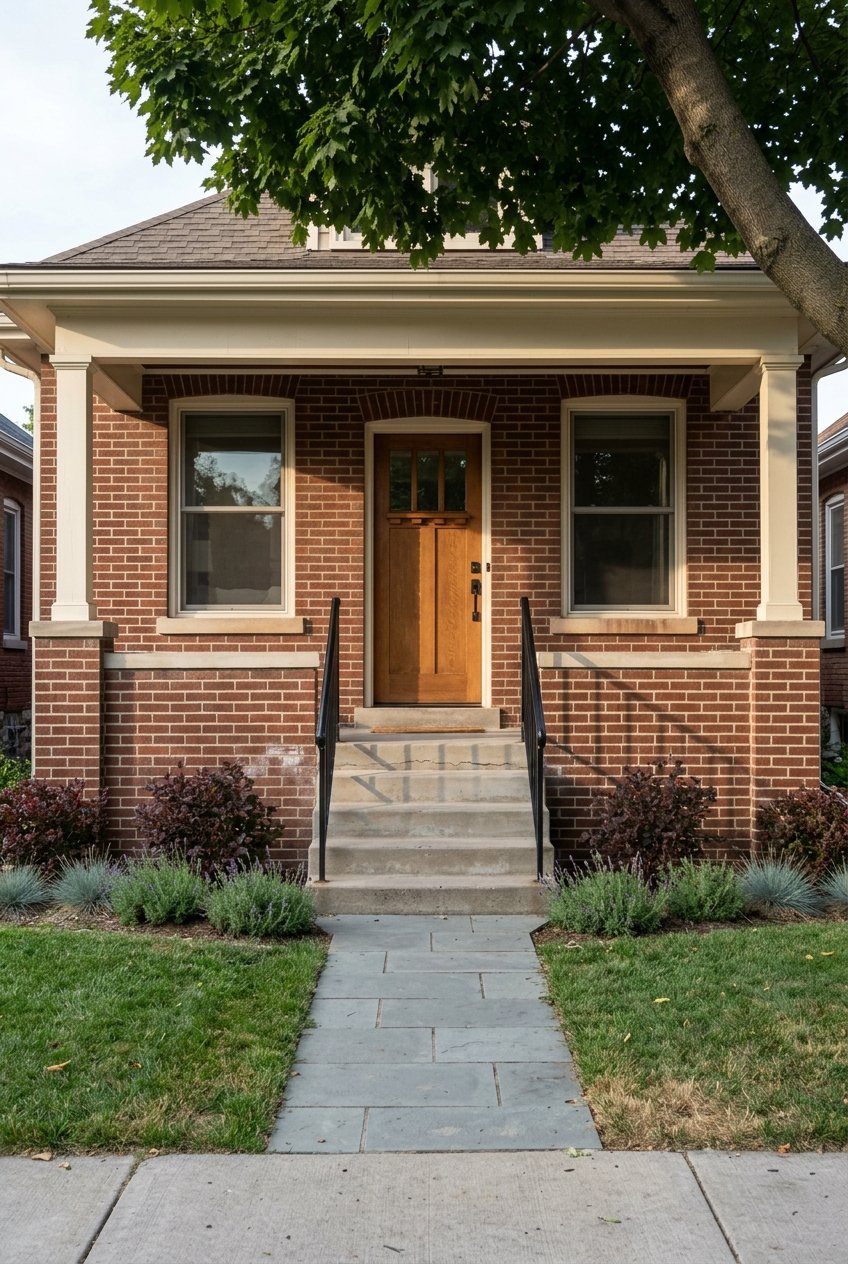
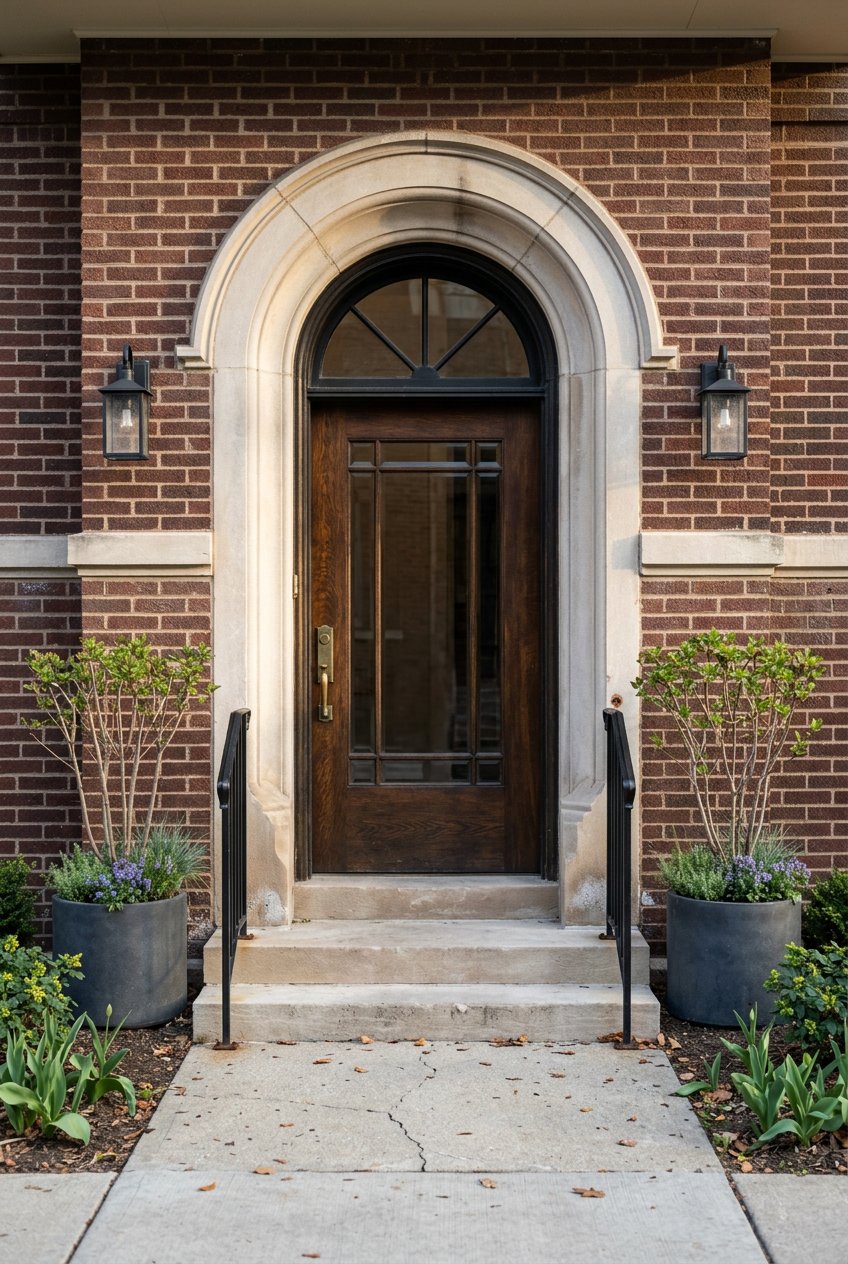
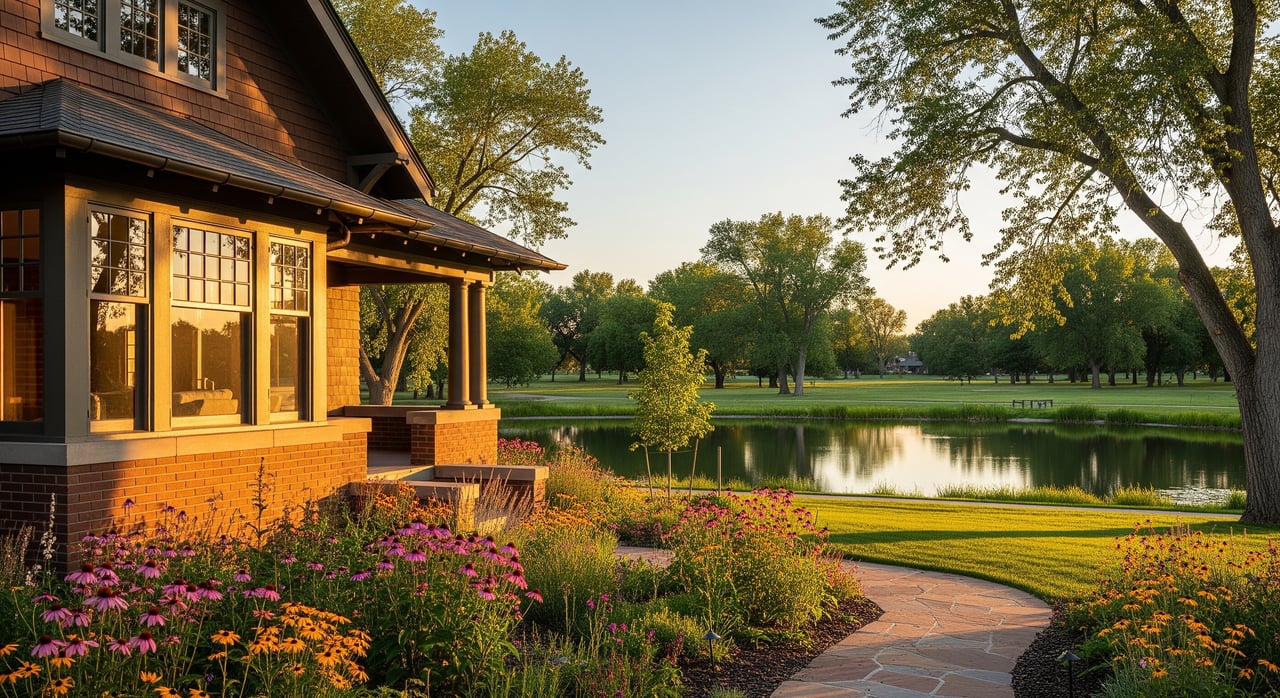
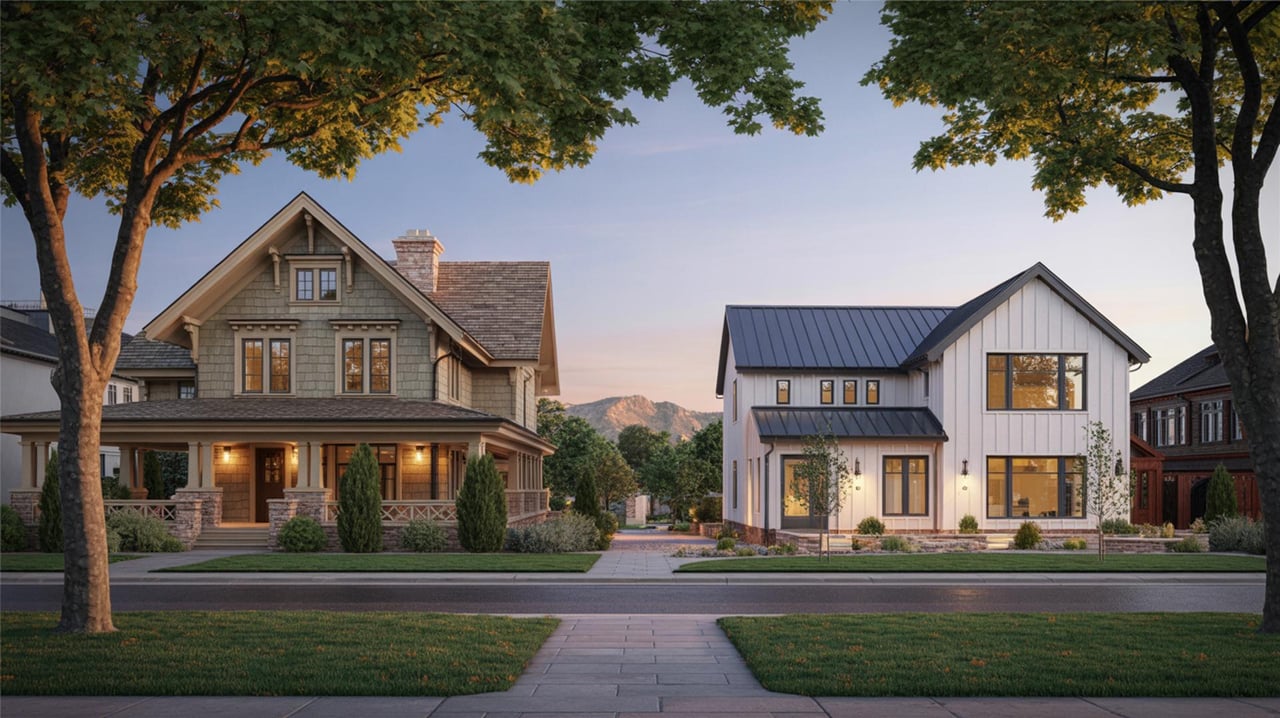
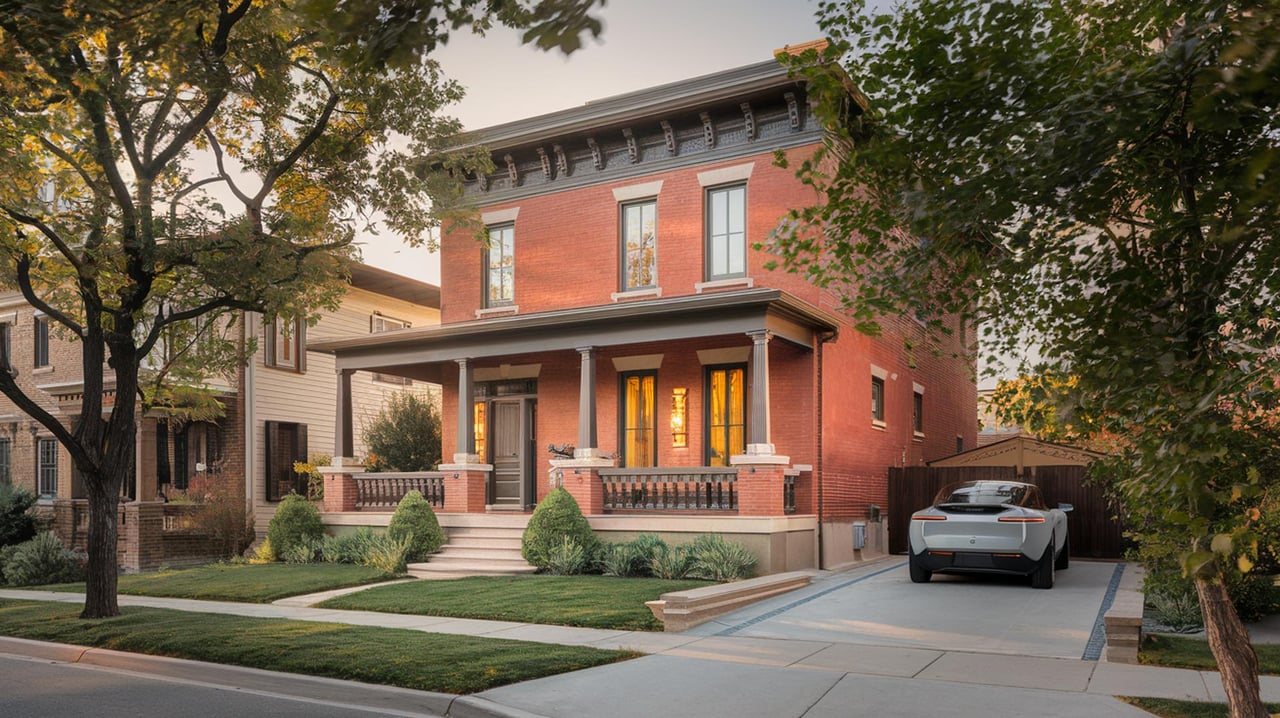
The housing stock also matters. City materials describe Englewood as a blend of transit-oriented areas, historic downtown, and early-to-mid 20th-century bungalow-style neighborhoods. For you, that often means homes with character, workable footprints, and room for interior updates that can make the property more functional without changing its neighborhood feel.
Look for Fixable Problems
A smart fixer-upper usually has problems you can solve with planning and budget, not issues that could overwhelm the project. In Englewood, the best opportunities often come from homes with dated finishes, awkward room flow, or underused space. These are the kinds of issues that can improve livability and resale appeal when handled well.
The homes to approach carefully are the ones with major unknowns tied to structure or systems. If the upside depends on unpriced foundation repairs, serious drainage issues, a failing roof, or major mechanical replacements, your margin can disappear fast. The goal is to buy a home with a clear path to improvement, not one that needs rescue before renovation can even begin.
Prioritize Location First
Condition matters, but location still drives long-term value. In Englewood, homes near downtown, CityCenter, the medical district, or transit-linked corridors may benefit more from redevelopment momentum and daily convenience than properties in less connected areas. That does not mean every other block is a bad buy. It means you should weigh the surrounding demand just as carefully as the home itself.
This is one reason citywide averages can only tell you so much. Current data points vary, with median sale and listing measures generally clustering from the high $500,000s to around $600,000, while time on market ranges from roughly two to five weeks depending on the source. That spread reinforces an important point: in Englewood, block-by-block analysis matters.
Check the Value-Add Path
One of the smartest ways to judge a fixer-upper is to ask a simple question: How exactly will this home become more useful or more valuable? In Englewood, the answer is often tied to common, permitted improvements rather than dramatic reinvention. City materials specifically reference projects like basement finishes, detached garages, patio covers, egress windows, re-roofs, and radon control.
That matters because it gives you a practical lens for evaluating upside. A home with an unfinished basement, poor storage, no covered outdoor space, or an older garage setup may offer a realistic path to improvement. A home that only “works” if you can do something the code does not support is a much riskier bet.
Understand Englewood Zoning
Before you get attached to a renovation vision, confirm what the lot actually allows. Englewood’s Unified Development Code says R-1 districts are the basic fabric of most neighborhoods, and the city states that duplexes, triplexes, quadplexes, and other multi-unit buildings are not allowed in R-1 districts. If you are buying a single-family fixer-upper in one of these areas, you should not assume a future multifamily conversion is on the table.
That does not mean there is no expansion potential. In many residentially zoned areas, an accessory dwelling unit can be a meaningful value-add feature. Englewood says R-1 districts are limited to no more than one ADU per lot, and the city notes that ADUs may be detached, above-garage, attached, internal, attic, or basement units depending on the property and standards.
For buyers and investors, this can be one of the clearest upside levers in the city. But the details matter. ADUs must meet accessory-use standards, and the city says municipal impact fees apply. If an ADU is part of your plan, verify feasibility before closing rather than assuming the lot will support it.
Confirm the Property Is Really in Englewood
This step is simple, but it is easy to miss. An Englewood mailing address does not always mean the property is inside the City of Englewood. The city says 80110 and 80113 are within city limits, while 80111 and 80112 are not within the city’s jurisdiction.
Why does this matter? City limits determine which rules, permit processes, and contractor requirements apply. If you are counting on Englewood-specific zoning or project pathways, make sure the address is actually governed by the city.
Watch for Historic Rules
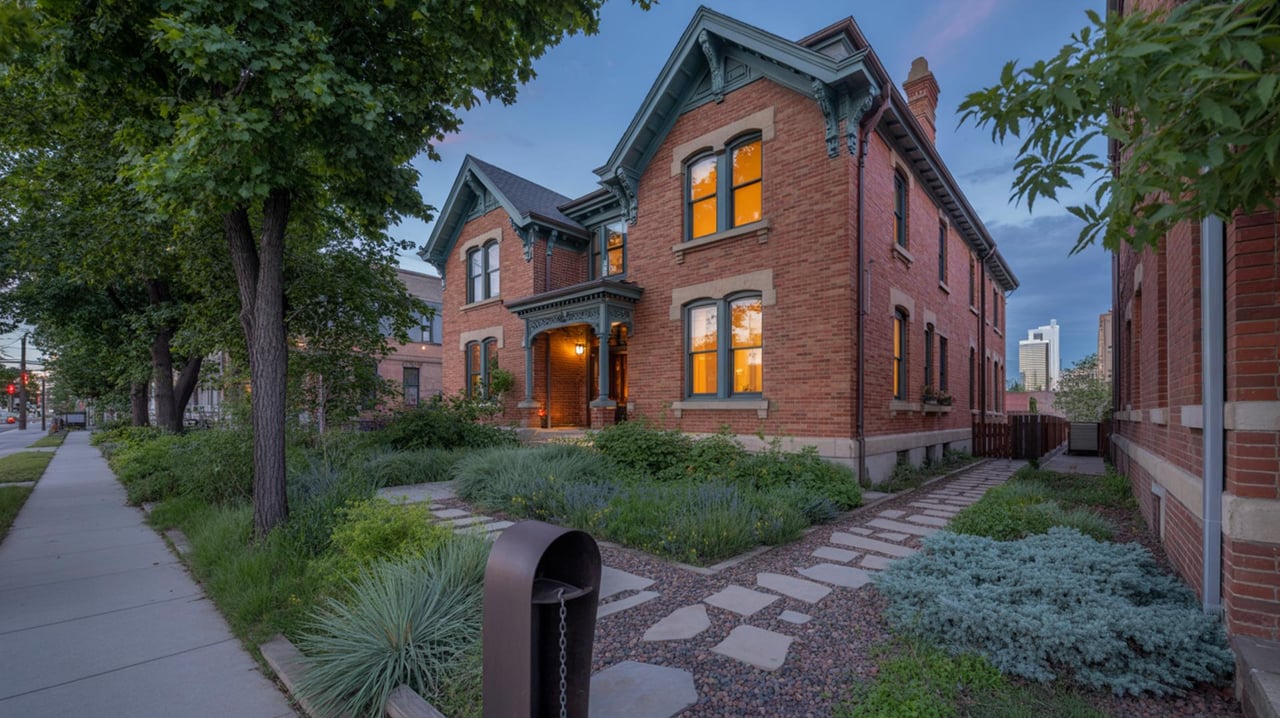
Older homes can be some of the most appealing fixer-upper candidates in Englewood, but historic status can change your renovation strategy. The city says landmark properties are typically at least 50 years old, and exterior changes require Historic Preservation Commission approval and a Certificate of Appropriateness before the work is completed. Interior work does not require that commission approval.
This does not make a historic home a bad purchase. It simply means you need to price in a different process if your plans involve major exterior changes. If curb appeal improvements, additions, or façade updates are central to your vision, confirm the property’s status early.
Build Permits Into Your Budget
A smart fixer-upper is not just about what you want to do. It is also about how the city expects the work to be done. Englewood requires building permits for most construction projects, and the city says contractors working there must be licensed with the city.
The permit process covers more than major rebuilds. The city specifically identifies residential remodels, re-roofs, radon control, and demolitions as permit-review items. If you are comparing homes, ask yourself which one has a cleaner, more predictable renovation path. That can save you time, stress, and money later.
Inspections and project logistics matter too. Final inspections happen after completion and may take several days to close out. If a project needs work involving sewer, water, sidewalks, driveways, or alleys, additional right-of-way steps may apply, including utility locates, insurance, a performance bond, traffic control, and inspection scheduling.
Get Serious About Due Diligence
No matter how promising a fixer-upper looks, start with an independent inspection. For older Englewood homes, this step is especially important because age can bring hidden issues behind walls, under floors, or in older materials. You want a clear picture of the home’s actual condition before you commit your budget to cosmetic upgrades.
If the home was built before 1978, be aware that it is more likely to contain lead-based paint. If asbestos-containing material is damaged or will be disturbed during renovation, repair or removal should be handled by a trained and accredited asbestos professional. These are not reasons to walk away automatically, but they are reasons to plan carefully.
Know Your Financing Options
Some fixer-uppers only need paint, flooring, and patience. Others need enough work that a standard purchase loan may not be the best fit. If the property is structurally usable but needs substantial repairs or updates, renovation financing can help you fold both the purchase and the repair costs into one mortgage.
Official options mentioned in the research include the FHA 203(k) program and the Fannie Mae HomeStyle Renovation mortgage. For the right buyer, these tools can make a stronger project possible from day one. The key is matching the financing structure to the scope of work rather than stretching your cash reserves too thin.
Use a Simple Englewood Checklist
When you tour a fixer-upper in Englewood, keep your analysis focused on a few practical questions:
- Is the property inside Englewood city limits or just using an Englewood mailing address?
- Is the location near downtown, CityCenter, the medical district, or transit-linked corridors?
- Are the main problems cosmetic or layout-related rather than structural?
- Does the lot support realistic improvements like a basement finish, ADU, garage project, or addition?
- Is the home landmarked or subject to historic exterior review?
- Which parts of the renovation will need permits, licensed contractors, and inspections?
- Does the budget still make sense after you account for timing, city process, and unknowns?
If you can answer those questions with confidence, you are much closer to spotting a smart opportunity.
The Best Englewood Strategy
In Englewood, the best fixer-uppers are usually not the flashiest deals. They are the homes in stable, connected locations with updateable interiors and a clear, code-permitted path to added function or value. That may mean finishing a basement, improving layout flow, adding an ADU where allowed, or modernizing an older home while preserving what makes it appealing.
The weakest candidates are the ones whose value depends on zoning exceptions, major unbudgeted structural work, or exterior changes that run into historic review limits. If you stay disciplined on those points, you give yourself a much better chance of buying a home that rewards the effort.
If you are weighing a fixer-upper in Englewood and want a second opinion on location, upside, and renovation risk, Alex Rice can help you evaluate the opportunity with a practical, market-informed lens.
FAQs
What makes a fixer-upper a smart buy in Englewood?
- A smart Englewood fixer-upper usually has cosmetic or layout issues you can improve, plus a strong location and a clear path to permitted upgrades like a basement finish, garage project, or possible ADU.
How can you tell if a home is actually in Englewood city limits?
- The City of Englewood says 80110 and 80113 are within city limits, while 80111 and 80112 are not, so you should confirm jurisdiction instead of relying on the mailing address alone.
Can you add an ADU to a fixer-upper in Englewood?
- Many residential lots may allow an ADU, and the city says R-1 districts can have no more than one ADU per lot, but you should verify the property-specific standards and fees before closing.
Do historic rules affect Englewood fixer-upper renovations?
- Yes. If a home is a landmark property, exterior changes require Historic Preservation Commission approval and a Certificate of Appropriateness, while interior work does not require that commission approval.
What renovation projects usually need permits in Englewood?
- The city requires permits for most construction work and specifically calls out residential remodels, re-roofs, radon control, and demolitions, with city-licensed contractors required to work there.
Are older Englewood homes riskier to renovate?
- Older homes can offer strong value, but they may come with issues like lead-based paint in pre-1978 homes or asbestos concerns if materials are damaged or disturbed during work, so careful inspection is important.
What financing can help you buy and renovate an Englewood fixer-upper?
- Official renovation loan options mentioned in the research include the FHA 203(k) program and the Fannie Mae HomeStyle Renovation mortgage, which can combine purchase and repair costs in one loan.