Are you thinking about trading Denver’s bigger-city pace for Boulder’s compact, outdoors-first lifestyle? It can be an exciting move, but it is rarely a simple change of address. If you are weighing home prices, property types, commute patterns, and day-to-day lifestyle, this guide will help you understand what really shifts when you move from Denver to Boulder. Let’s dive in.
Boulder Feels Smaller in Every Way
One of the biggest changes is scale. Boulder has 108,250 residents and 26.3 square miles of land, while Denver has 715,522 residents across 153.3 square miles. That means Boulder offers a much smaller housing search area and a more compact city experience.
For you as a buyer, that smaller scale often means fewer available options at any given time. It can also mean that neighborhood fit matters even more. In Boulder, your housing search may feel less like browsing a wide menu and more like making careful tradeoffs between budget, property type, and location.
Housing Options Shift in Boulder
If you are moving from Denver, it helps to reset expectations around housing stock. Boulder had 49,329 total housing units in its 2024 profile, compared with 372,123 in Denver. Denver simply gives you a much larger search pool.
Boulder also is not just a detached-home market. Based on 2023 ACS structure data, about 45% of Boulder’s housing units are one-unit detached or attached homes, while about 55% fall into multifamily or mobile-home categories. That mix matters because many Denver-area buyers expect more detached-home inventory than Boulder actually offers citywide.
Detached Homes Are Only Part of the Picture
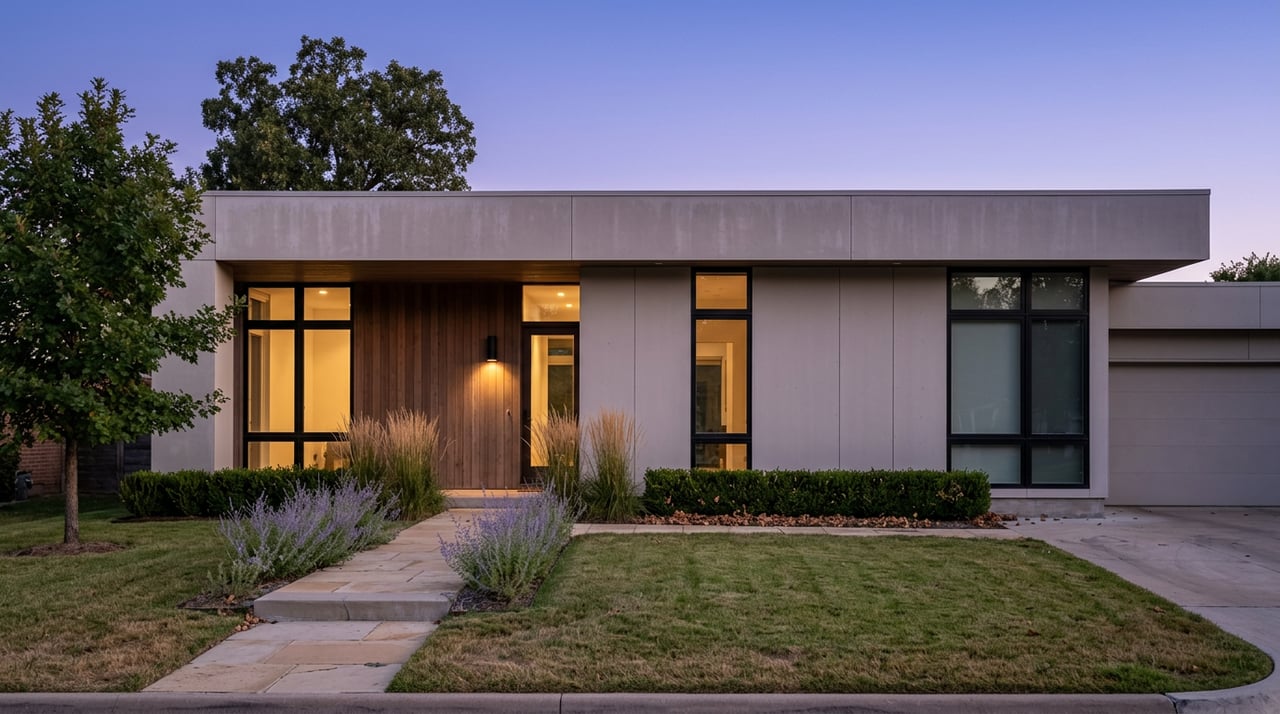
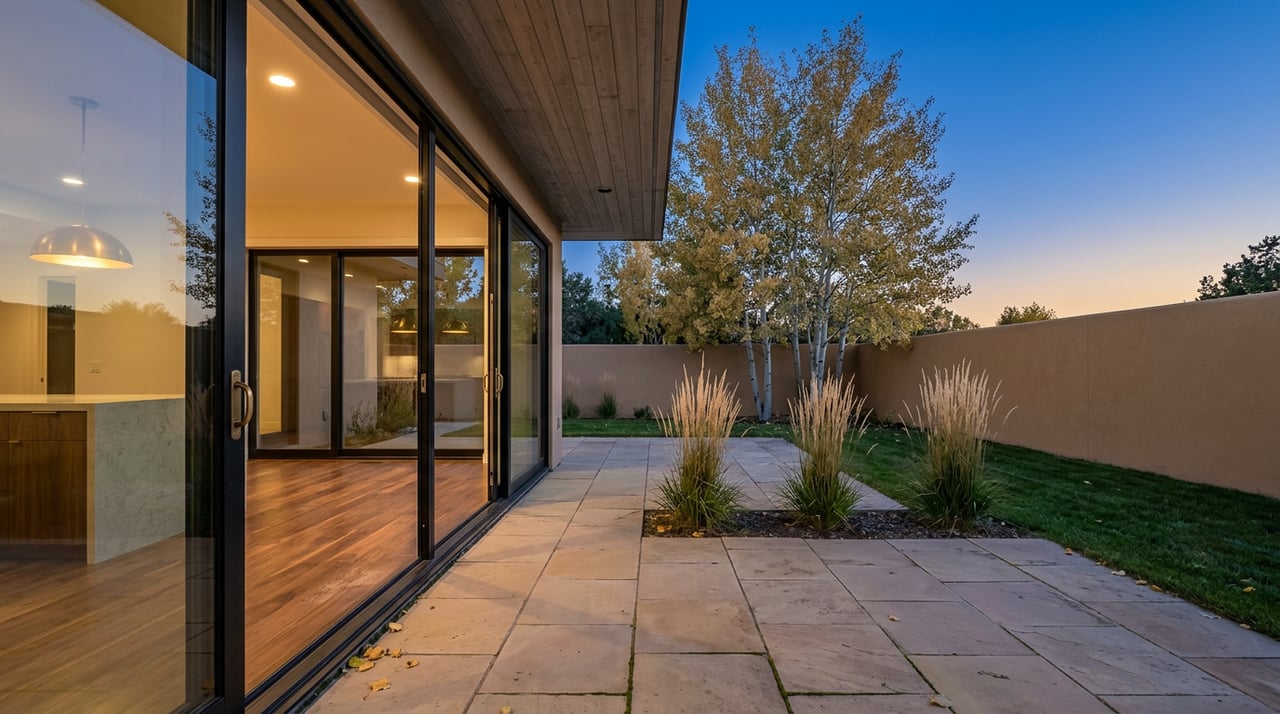
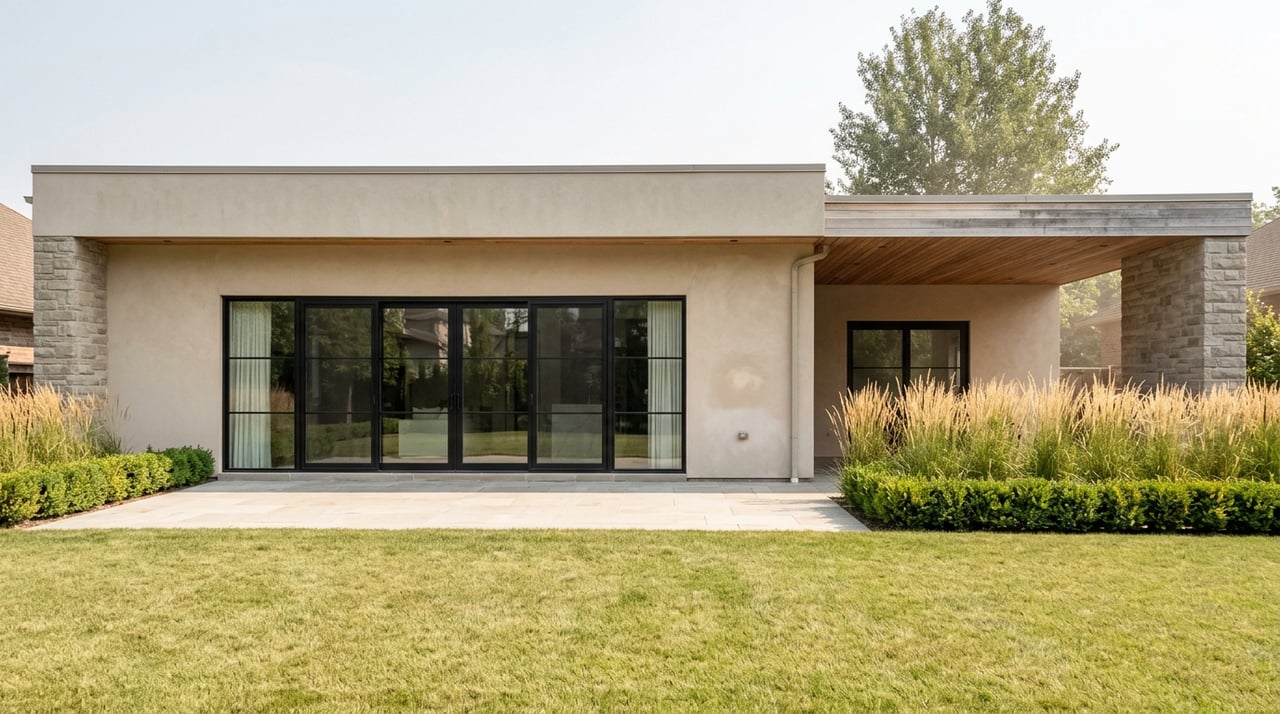
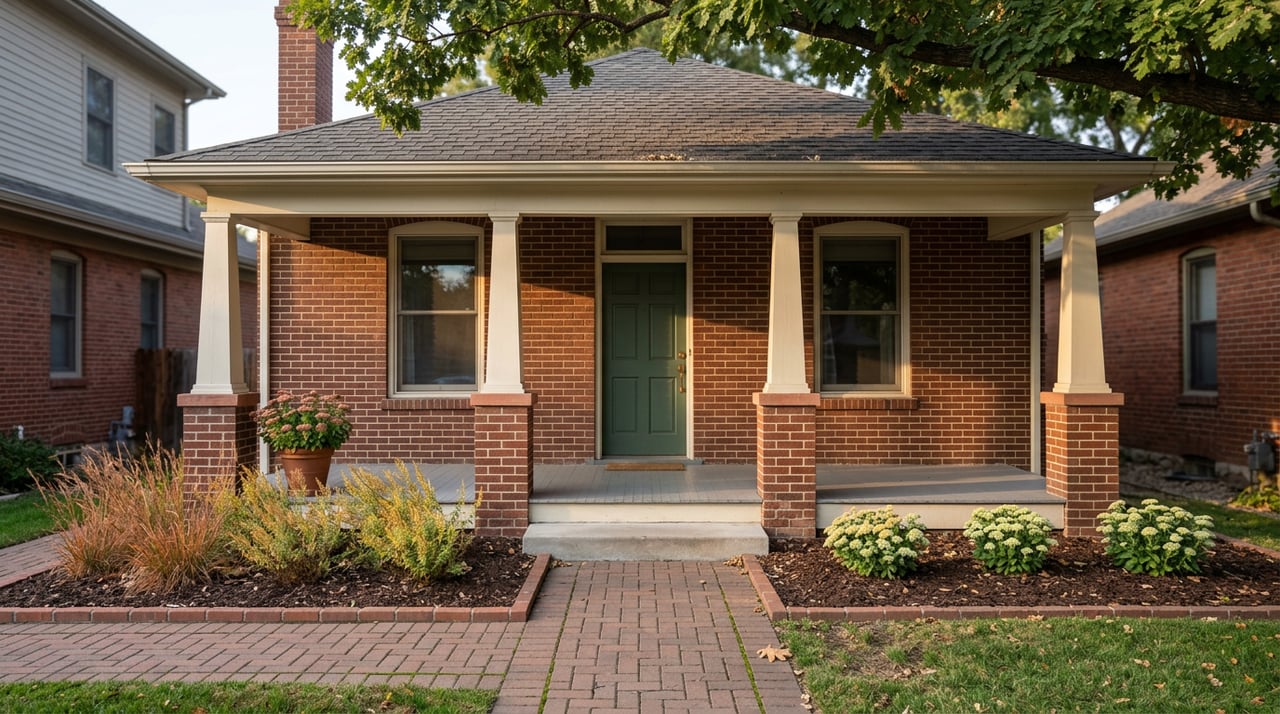
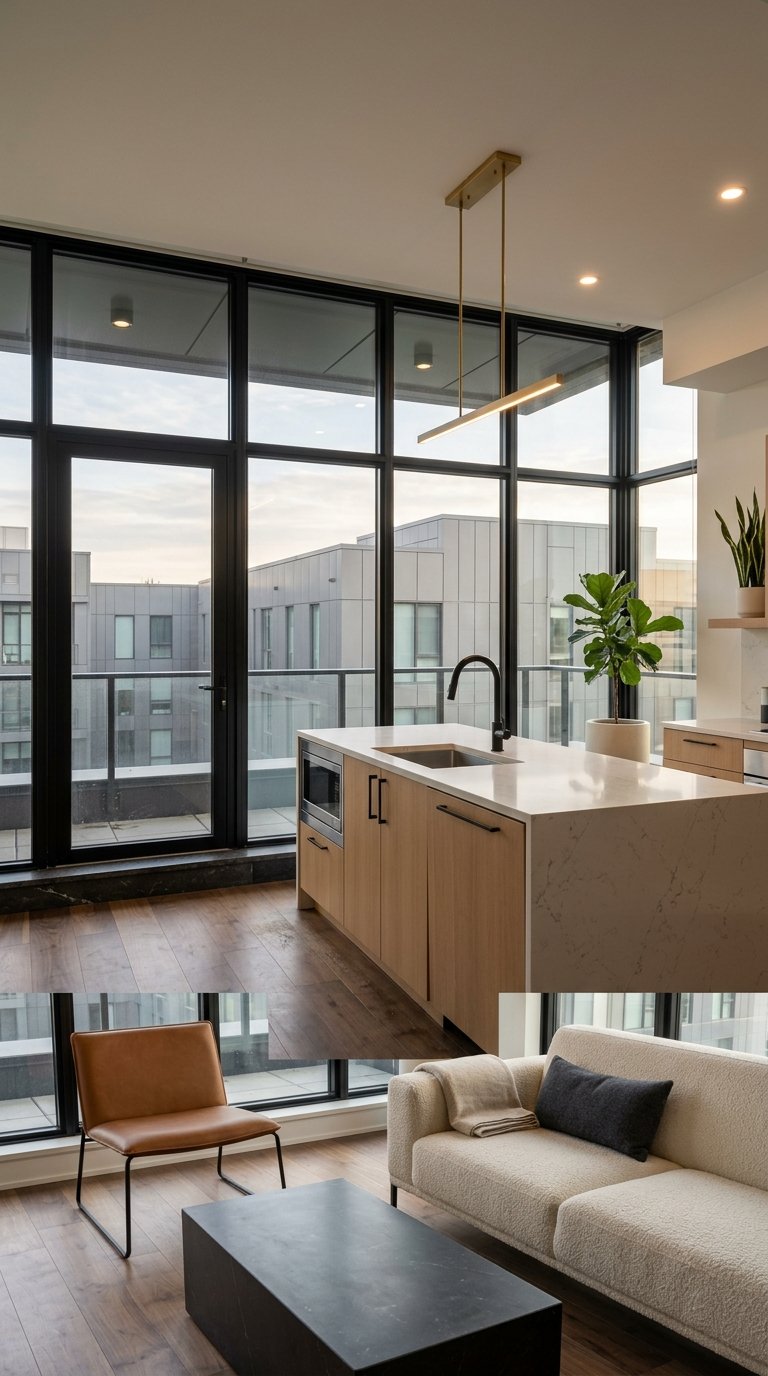
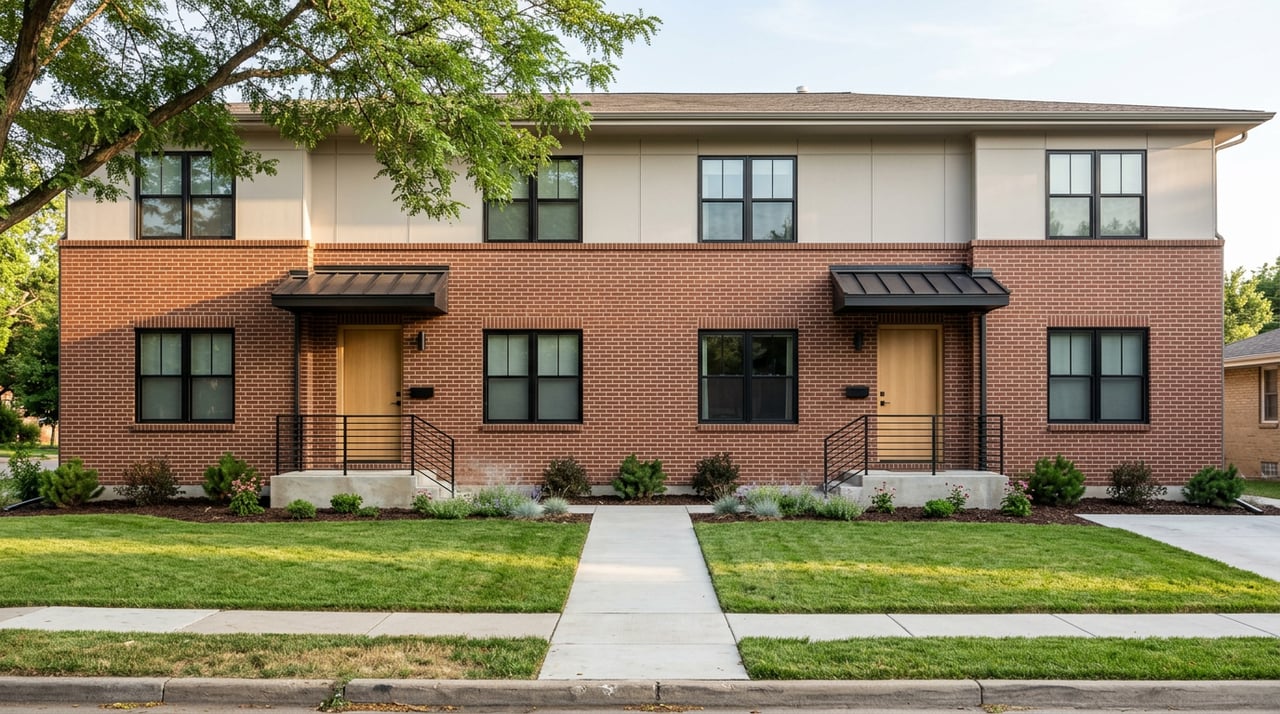
You can still find detached homes in Boulder, but they are only one part of the market. Attached homes, condos, and multifamily-style options make up a meaningful share of the city’s housing stock. If you want to live near central amenities, trail access, or the CU Boulder area, flexibility on home type can open up more realistic options.
This is especially important if your Denver search has mostly focused on single-family homes. In Boulder, widening your criteria to include townhomes or condos may help you stay closer to the lifestyle features you want without stretching your budget as far.
Boulder Costs More Than Denver
The price shift is one of the clearest parts of this move. Boulder’s median owner-occupied home value is $1,039,500, compared with $616,000 in Denver. That is a difference of $423,500, or about 68.8% higher in Boulder.
Monthly ownership costs show a similar pattern. Boulder’s median monthly owner cost with a mortgage is $3,210, compared with $2,466 in Denver. That is about $744 more per month, or roughly 30% higher.
Renters see a difference too. Boulder’s median gross rent is $2,018, while Denver’s is $1,831. That gap is smaller than the ownership gap, but it still points to a higher overall cost floor in Boulder.
Active Market Pricing Tells the Same Story
Spring 2026 market data also showed Boulder carrying a premium. In May 2026, Boulder’s median sale price was $854,489 versus $634,620 in Denver. That puts Boulder about 34.6% higher in that snapshot.
At the same time, Boulder homes were taking about 48 days to sell on average in April 2026, compared with 19 days in Denver. For you, that means Boulder is not only pricier, but at least in this period, it also moved at a slower pace than Denver.
Neighborhood Choice Matters More Than Ever
A move from Denver to Boulder is not just a city comparison. It is also a neighborhood-selection decision. Pricing varies significantly within both cities, and that range can shape what kind of move is realistic.
In Boulder’s spring 2026 city market data, neighborhood median prices ranged from roughly $555,000 in 80301 to about $2.925 million in Newlands. In Denver, neighborhood medians ranged from about $285,000 in Capitol Hill to roughly $2.15 million in Hilltop. That spread shows why broad city averages are helpful, but they should never be your only filter.
Budget and Lifestyle Need to Work Together
If you are relocating, it helps to decide early which matters most to you: home size, property type, commute ease, or access to Boulder’s signature lifestyle features. In a tighter market, you may not get every item on your wish list at once.
That does not mean your move is harder. It means your search needs a more focused strategy. Clear priorities can help you move faster when the right opportunity appears.
Commute Patterns Change in Boulder
Daily logistics often feel different after the move. Boulder residents report a mean travel time to work of 18.1 minutes, compared with 24.9 minutes in Denver. That citywide average suggests a shorter everyday travel radius inside Boulder.
Of course, that is not the same as a Denver-to-Boulder commute. If you still need to travel between the two cities regularly, corridor planning becomes a much bigger part of your routine.
US 36 Becomes a Major Factor
For cross-city travel, the US 36 corridor is central. RTD’s Flatiron Flyer provides 18 miles of express and high-frequency bus service between downtown Denver and Boulder, with stops through Westminster, Broomfield, Superior, and Louisville.
CDOT also notes that the US 36 Express Lanes connect Boulder to Denver at I-25 and use time-of-day pricing to help manage congestion and improve travel-time reliability. In practical terms, if you are moving to Boulder but keeping ties to Denver, your commute strategy matters as much as the distance itself.
Boulder’s Lifestyle Feels Different Day to Day
This is where the move becomes more than a housing decision. Boulder’s daily life is strongly shaped by open space, trails, bikes, and a more compact downtown rhythm. The City of Boulder says Open Space and Mountain Parks manages more than 45,000 acres and about 155 miles of trails.
The city also says Boulder has more than 300 miles of bikeways, and multi-use paths are a core part of how people get around. Boulder Creek Path adds a 5.5-mile multi-use route, while Pearl Street Mall offers a car-free downtown setting that has been in place since 1977.
Denver and Boulder Offer Different Energy
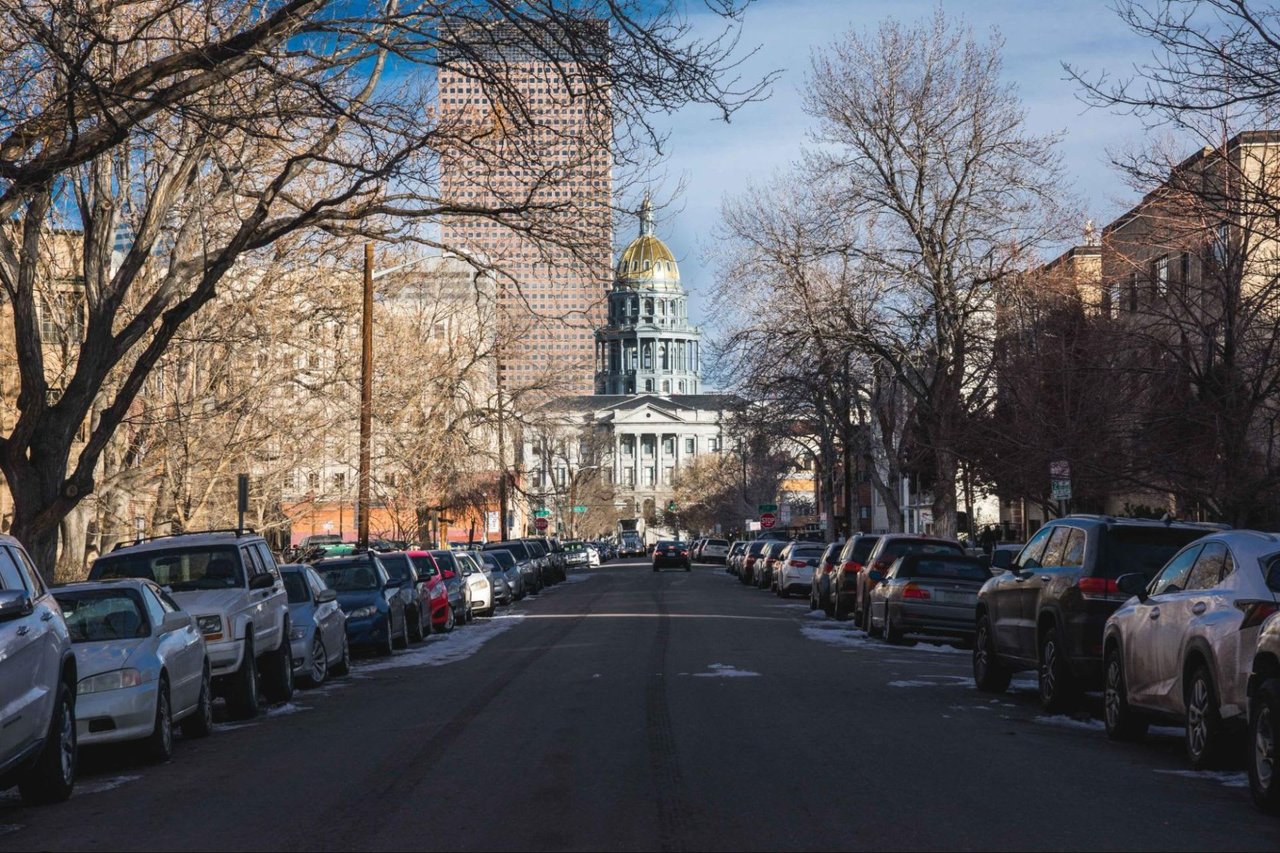
Denver also has strong outdoor and cultural access, but the experience is different. Denver Parks & Recreation says the system includes nearly 20,000 acres of urban and mountain parkland. Downtown Denver also clusters major museums, performing arts, live music, and professional sports within a more event-heavy urban setting.
Boulder, by contrast, tends to feel more pedestrian, more daytime-oriented, and more tied to outdoor movement. For many buyers, that is the real reason the move appeals. You are not just changing zip codes. You are choosing a different daily rhythm.
CU Boulder Shapes the City’s Cultural Rhythm
Another lifestyle shift comes from the university’s presence. The City of Boulder notes that CU Boulder contributes concerts, museums, athletics, the Colorado Shakespeare Festival, and the Conference on World Affairs, among other cultural offerings.
CU Boulder also describes its setting at the foot of the Rocky Mountains and notes about 300 sunny days a year. Together, those factors reinforce Boulder’s identity as a campus-influenced, outdoors-oriented city with a distinct social and cultural rhythm.
What Denver Buyers Should Expect in Boulder
If you are planning this move, a few practical takeaways stand out:
- Expect a higher price floor in Boulder, especially if you want a detached home.
- Stay open to condos, townhomes, and other attached options if location and lifestyle matter most.
- Plan commuting around the US 36 corridor, Flatiron Flyer service, and Express Lanes rather than simple mileage.
- Think carefully about how much you value trail access, bikeability, and Boulder’s compact downtown feel.
The buyers who adjust best are usually the ones who define their priorities early. When you know whether your main goal is space, convenience, or lifestyle access, it becomes much easier to identify the right fit.
How to Approach the Move Strategically
A successful Denver-to-Boulder move usually starts with honest tradeoffs. You may pay more for less square footage, or you may choose an attached home to stay close to the parts of Boulder you want to enjoy most. The key is understanding that Boulder often rewards clarity more than compromise.
If you are approaching the move with a relocation mindset, market context can save you time and frustration. A focused plan can help you narrow the right neighborhoods, align your budget with realistic options, and make decisions with more confidence.
If you are considering a move from Denver to Boulder and want a more tailored strategy for your search, connect with Alex Rice for thoughtful guidance rooted in Front Range market knowledge.
FAQs
What is the biggest housing difference between Denver and Boulder?
- The biggest difference is scale and cost. Boulder has far fewer housing units than Denver and a higher median home value, which usually means a tighter search pool and a higher price floor.
Is Boulder more expensive than Denver for homebuyers?
- Yes. Boulder’s median owner-occupied home value is $1,039,500 versus $616,000 in Denver, and median monthly owner costs with a mortgage are also higher in Boulder.
Are there fewer detached homes in Boulder than buyers expect?
- Often, yes. Boulder has detached homes, but its overall housing stock includes a large share of attached and multifamily housing, so flexibility on property type is often helpful.
How does commuting from Boulder to Denver work?
- Commuting is often centered on the US 36 corridor. Options include driving with the Express Lanes or using RTD’s Flatiron Flyer express bus service between downtown Denver and Boulder.
How does Boulder’s lifestyle differ from Denver’s lifestyle?
- Boulder tends to feel more compact, outdoors-focused, bike-oriented, and pedestrian-friendly, while Denver offers a larger, more urban rhythm with broader event, arts, and sports access.
Why does neighborhood choice matter when moving from Denver to Boulder?
- Neighborhood choice matters because pricing varies widely within Boulder, and your budget, preferred home type, commute needs, and lifestyle goals can all affect which areas make the most sense.