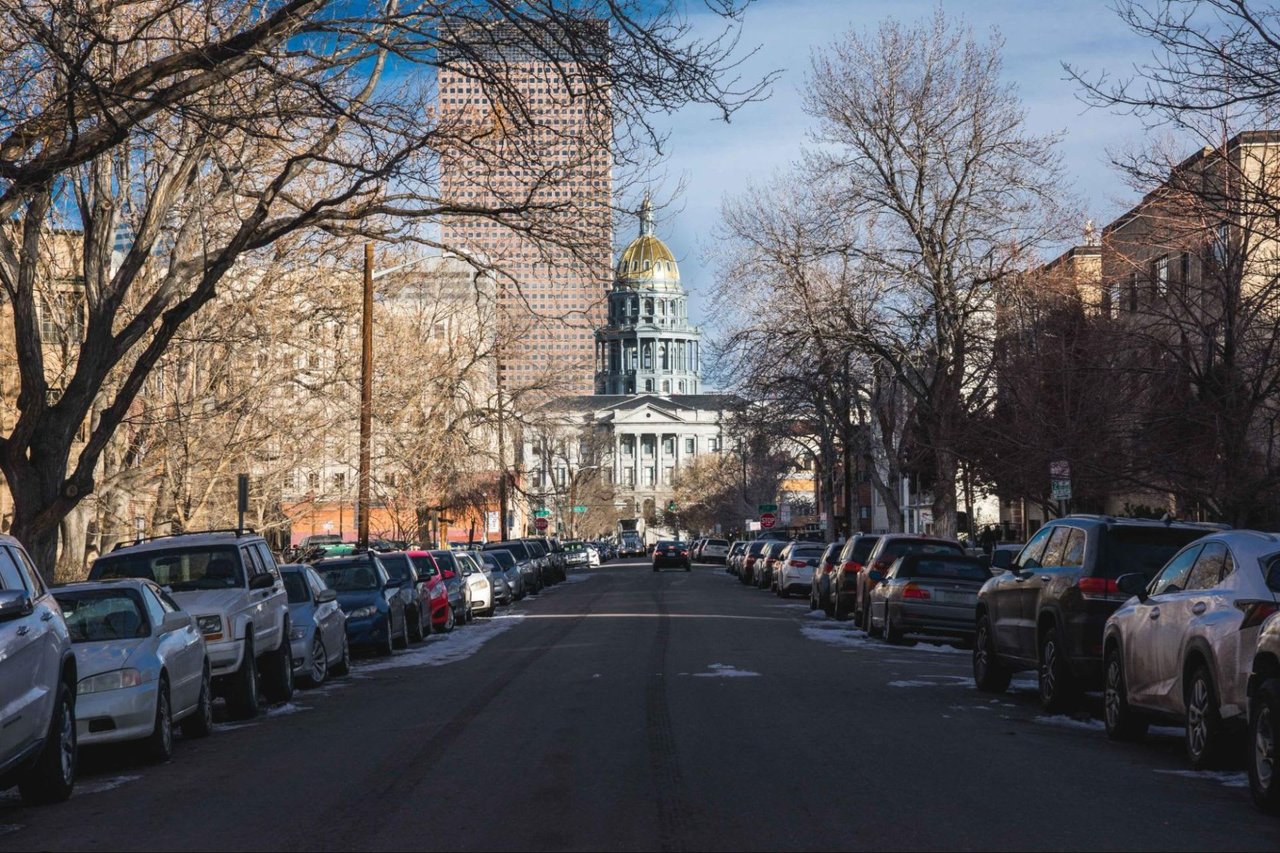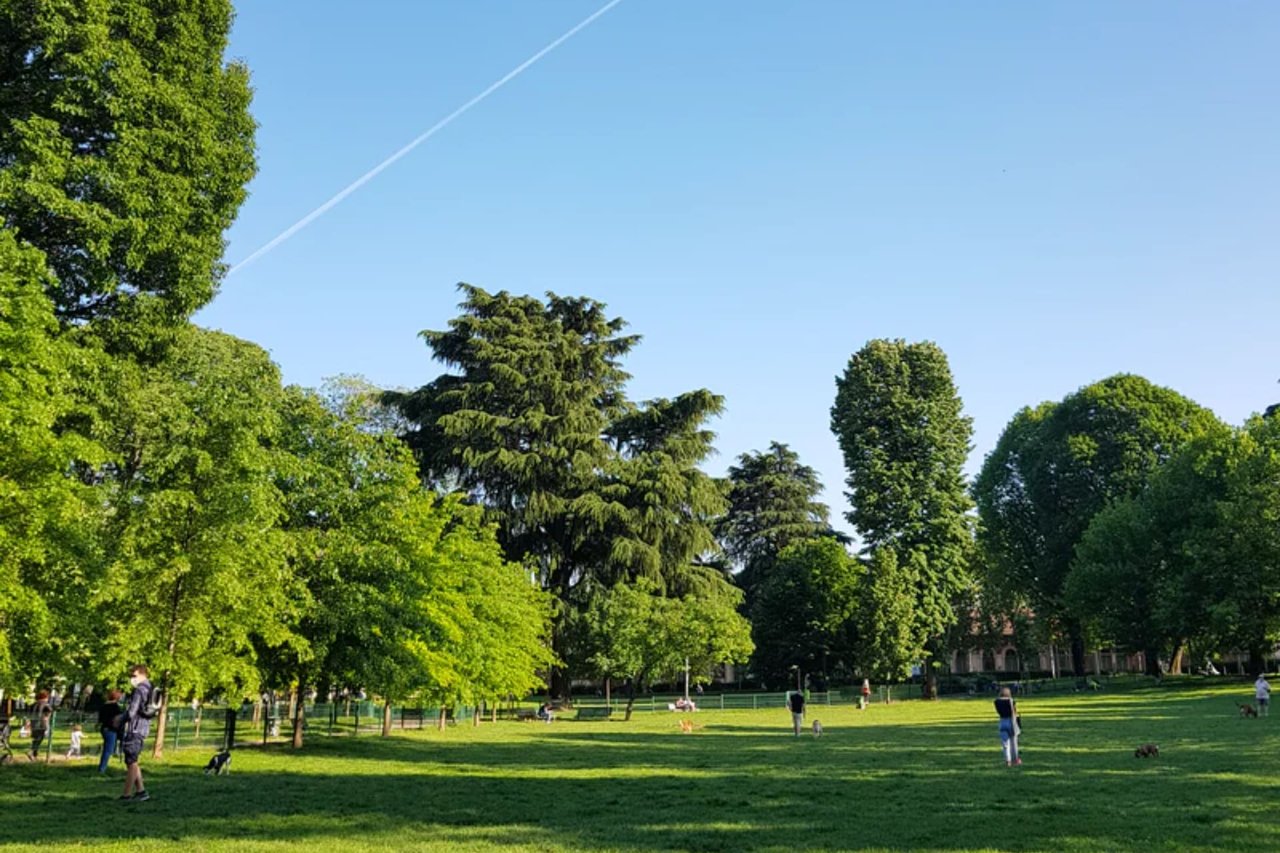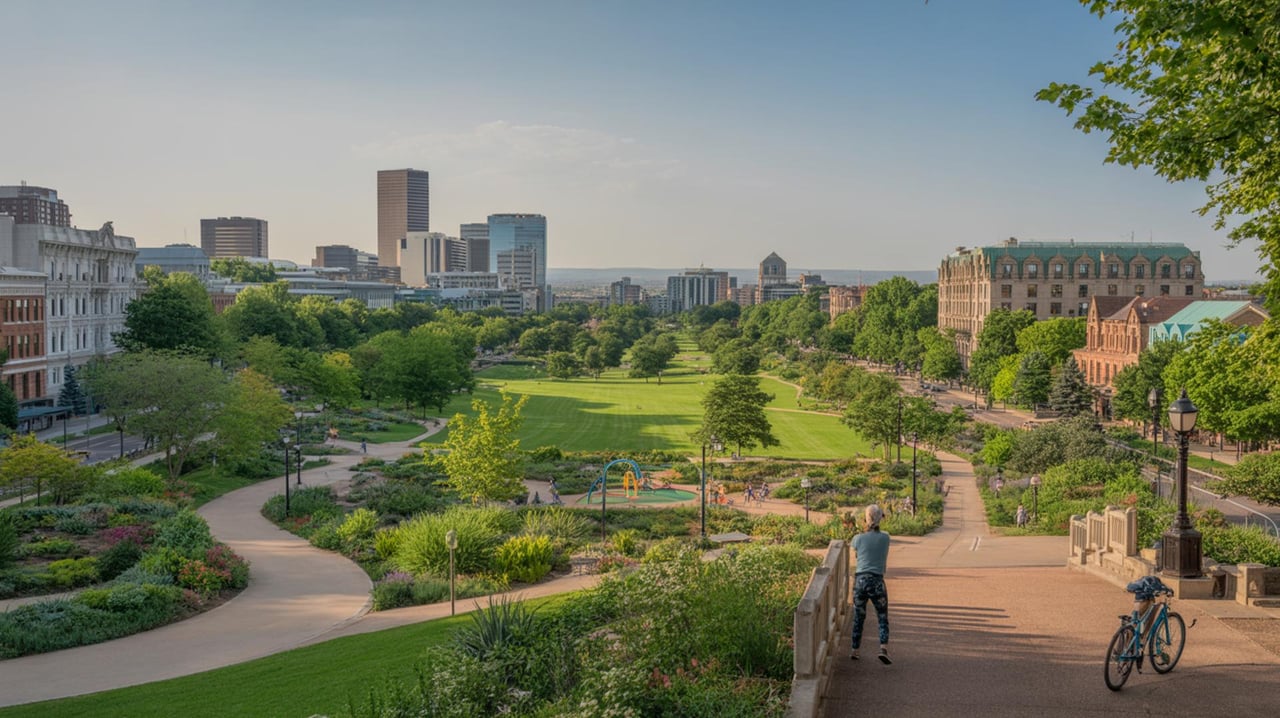
Last summer, if you wanted a free evening downtown, you walked to Civic Center Park. This summer, the park's most photographed lawn is behind construction fencing, the Greek Theater is stripped down to structural bones, and the crowd that used to fill those steps for concerts and food trucks has landed somewhere nobody would have predicted three years ago: a strip of turf fields at Skyline Park, on Arapahoe between 15th and 16th, that most downtown residents used to walk past without a second look.
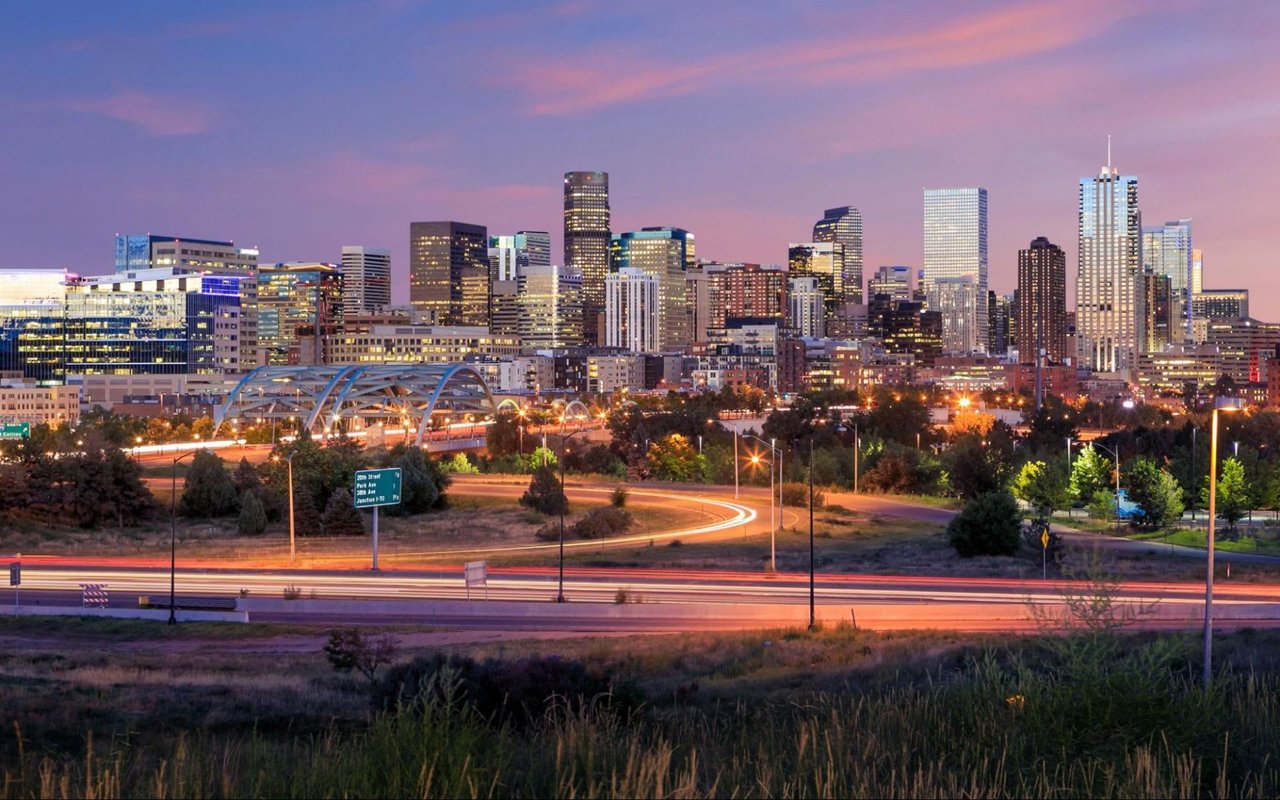
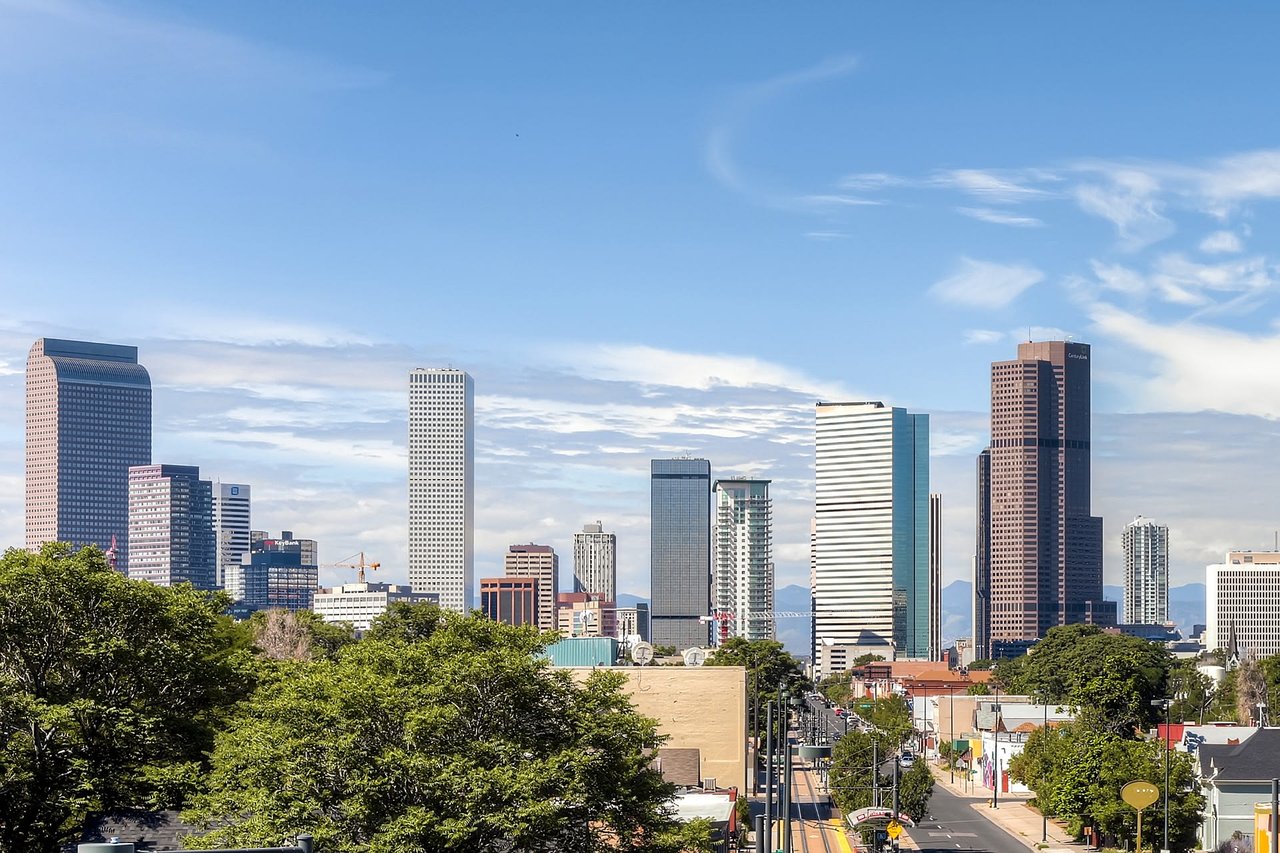
That relocation is not a footnote. It is the story of downtown's summer in 2026, and it explains why the neighborhood feels different right now even though nothing about its skyline has changed.
The park that went dark
Civic Center Park is in the middle of a $50 million renovation called Next 100, funded through a mix of the Downtown Development Authority, the Elevate Denver bond, Denver Parks and Recreation, and private fundraising through the Civic Center Conservancy. The first phase, which broke ground in November 2025, is rebuilding the Greek Theater, the Central Promenade, and the South Plaza. The amphitheater itself is being flipped so audiences face north instead of south, which sounds like a small architectural choice until you realize it means no more squinting into the evening sun during a summer concert.
None of that is available to you right now. Large sections of the park are fenced off, and the city has said construction will run into 2027, with substantial completion targeted for spring of that year. The Christkindlmarket, which normally claims the park every winter, already moved to the Auraria Campus in 2025 and will stay there until Civic Center reopens.
The bigger surprise is what happened to the summer festivals that couldn't wait. Denver Pride, an event that can draw half a million people, moved this year to 16th Street. Outside Days, a longtime Civic Center staple, relocated entirely to Auraria. Festival organizers told CBS Colorado that Auraria's larger footprint was actually a relief: one promoter said the move let them fit programming that Civic Center couldn't have physically held this year. That is not the story anyone tells about a beloved park closing for repairs. It is the story of a city discovering, mid-construction, that its old gathering space may have been undersized for what downtown has become.
Where the crowd actually went
If Civic Center is the neighborhood's front porch and it's currently under a tarp, Skyline Park has quietly become the backup living room, and this summer gave it its first real test.
Skyline Park's turf soccer fields, Visa Street Soccer Park and Bank of America Fields, only opened in 2025. Nobody built them expecting a World Cup, since Denver isn't a host city for the 2026 tournament. But the Colorado Rapids, the Downtown Denver Partnership, and the nonprofit Street Soccer USA turned the block into free viewing space anyway, calling it the Soccer Celebration at Skyline Park. It ran from June 11 through July 19, with massive outdoor screens broadcasting matches on FOX31 and Telemundo, a beer garden pouring Firestone Walker, and food vendors including La Unica, Biker Jim's, and 47 Bakery. Entry was free with a digital ticket, and the only real restriction was a municipal park curfew that kept the park from broadcasting any match with a 9 or 10 p.m. kickoff.
Mayor Mike Johnston, sitting in the crowd for the opening match between Mexico and South Africa, put it plainly:
"We built this place with the World Cup in mind."
That sentence matters more than it sounds. Skyline Park wasn't repurposed for the summer. It was designed, before Civic Center's closure was even finalized, to be the kind of flexible public space that could absorb whatever downtown needed next. This year, what downtown needed was somewhere for the crowd that used to gather two blocks south.
The street connecting them isn't a destination yet, it's a hallway
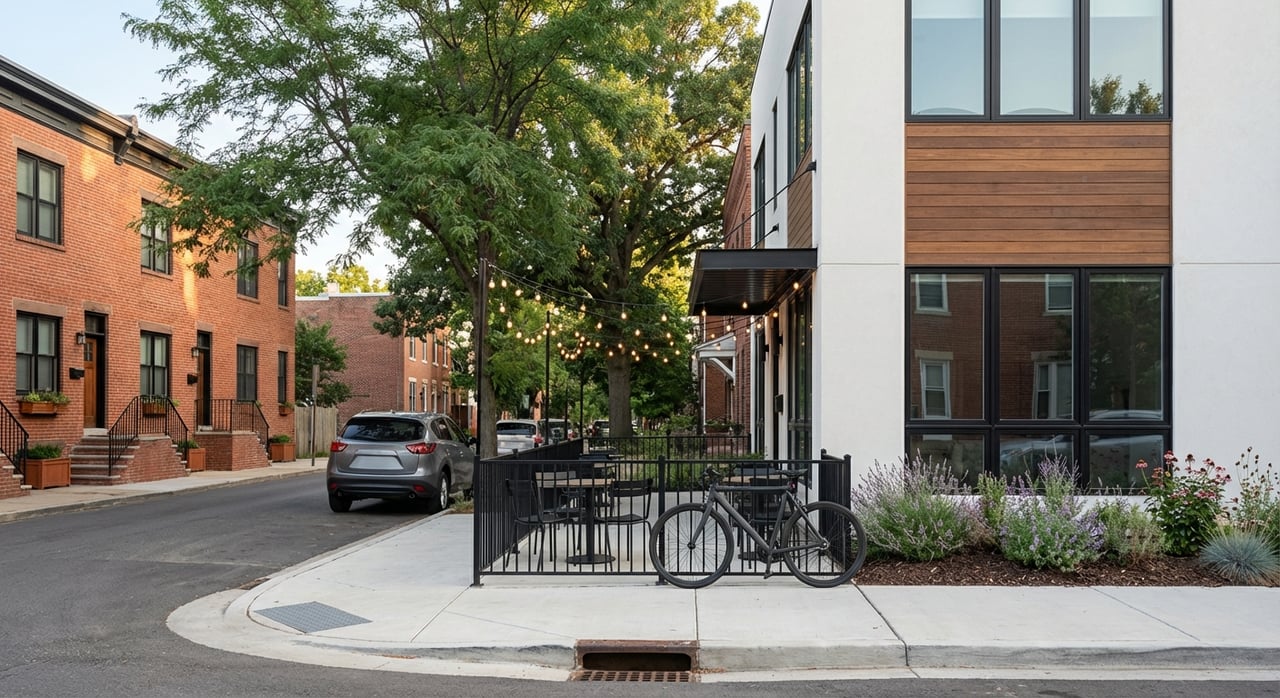
Between these two nodes runs 16th Street, which finished its own three-year, $175.4 million transformation in October 2025 and dropped "Mall" from its name in the process. The rebuild consolidated the old bus lanes into the center of the street, buried a new sewer system underneath it, and added more than 20 new patios along with "common consumption" zones where you can carry a drink from one local business to another.
The foot traffic numbers back up the idea that people are using it again. Through May 2026, the corridor logged roughly 775,000 total visits, up from about 681,000 over the same stretch the year before, according to Downtown Denver Partnership data reported by the Colorado Sun. That is real, measurable recovery.
But walk the actual storefronts and the picture is less finished. As of the reopening in October 2025, the strip carried a 25 percent retail vacancy rate, ten percentage points higher than downtown as a whole. Many longtime tenants closed during construction and haven't been replaced. The city launched a retail incentive program offering grants of up to $450,000 to businesses willing to move in, and Denver Pavilions, the 350,000-square-foot mall anchoring two blocks of the street, was purchased by the city's own downtown development authority in 2025 because private ownership couldn't make the math work anymore.
That combination, more people walking through and fewer stores to walk into, tells you what 16th Street actually is right now. It is not yet the destination it was rebuilt to be. It is the hallway connecting Skyline Park to Union Station, Civic Center to the ballpark, one event node to the next. People are using it to get somewhere, which is progress, but they aren't lingering in it the way the renovation was designed for.
What comes back, and when
If you live downtown, the practical question isn't why any of this happened. It's what returns to normal and on what timeline. Here's how the displaced pieces line up right now:
| What moved | Where it went | When it's expected back |
|---|---|---|
| Denver Pride | 16th Street | Undetermined, tied to park reopening |
| Outside Days | Auraria Campus | Undetermined, tied to park reopening |
| Christkindlmarket | Auraria Campus | Targeted for winter 2027 |
| Greek Theater concerts | Skyline Park / Auraria | Spring 2027, per Next 100 Phase 1 |
The Pavilions is on a longer clock. The Urban Land Institute's advisory panel, which met in April 2026, floated a plan that would demolish parts of the mall and replace them with two residential towers totaling roughly 1,200 units, plus a public plaza where the parking lots currently sit. Early estimates put the full buildout between $500 million and $615 million. Nothing there is finalized. It's a direction, not a date.
What this actually means if you're already here
None of this changes what downtown Denver is. It changes where downtown Denver happens for the next year or two, and that's worth knowing before you plan a summer evening around a spot that isn't available anymore. If you're used to Civic Center for a free night out, Skyline Park's fields are the closest substitute this year, and they're proving durable enough that the city may keep programming them even after Civic Center reopens. If you've been avoiding 16th Street because it felt half-finished during construction, the sewer work and paving are done, the patios are open, and the vacancy is a retail problem, not a pedestrian one.
The neighborhood didn't get smaller this year. It got temporarily rearranged, and the rearrangement is telling you something true about how downtown actually wants to be used: less as one fixed civic lawn, more as a set of flexible spaces the city can activate depending on what's closed for repairs.
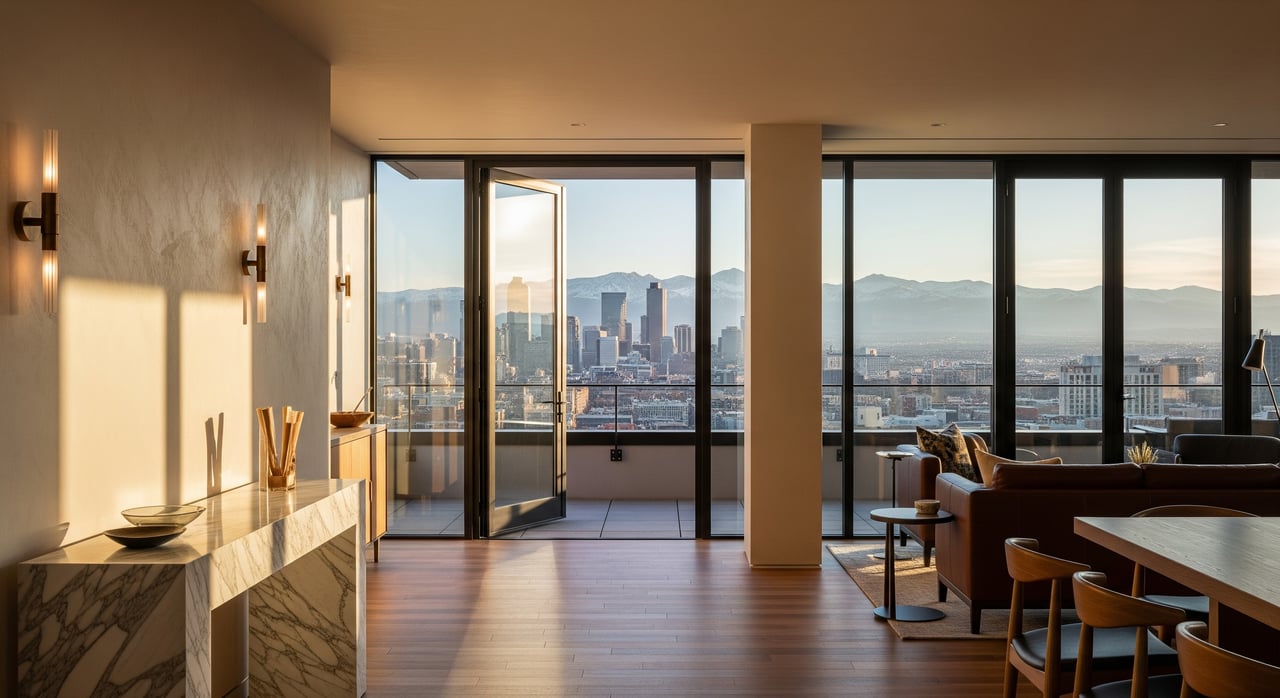
If you're watching this transition because you're thinking about what it means for property downtown, that's a longer conversation, and one worth having with someone who tracks these shifts as they happen rather than after they're finished. Alex Rice has been following downtown's node-by-node changes all year. Start Your Home Journey with a conversation about what this summer's rearrangement means for the years ahead.