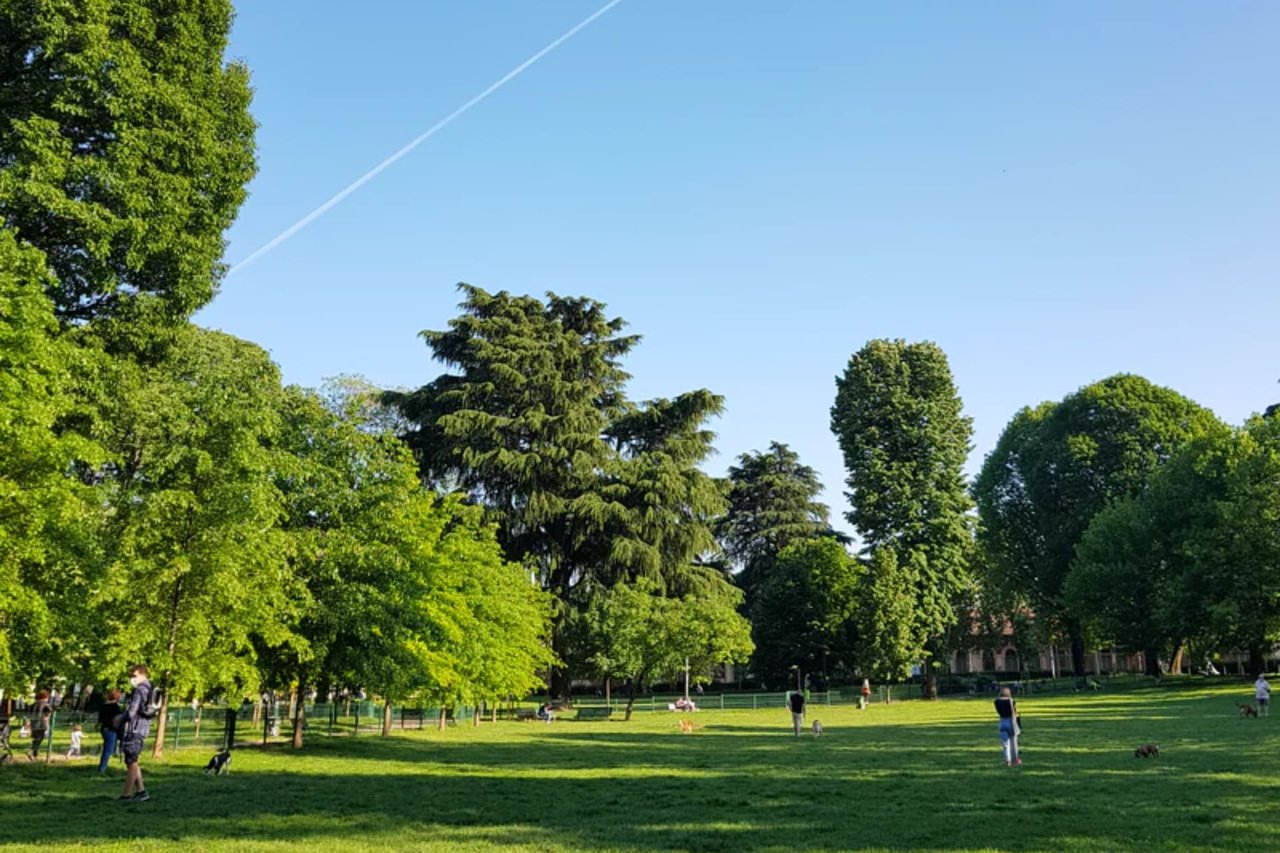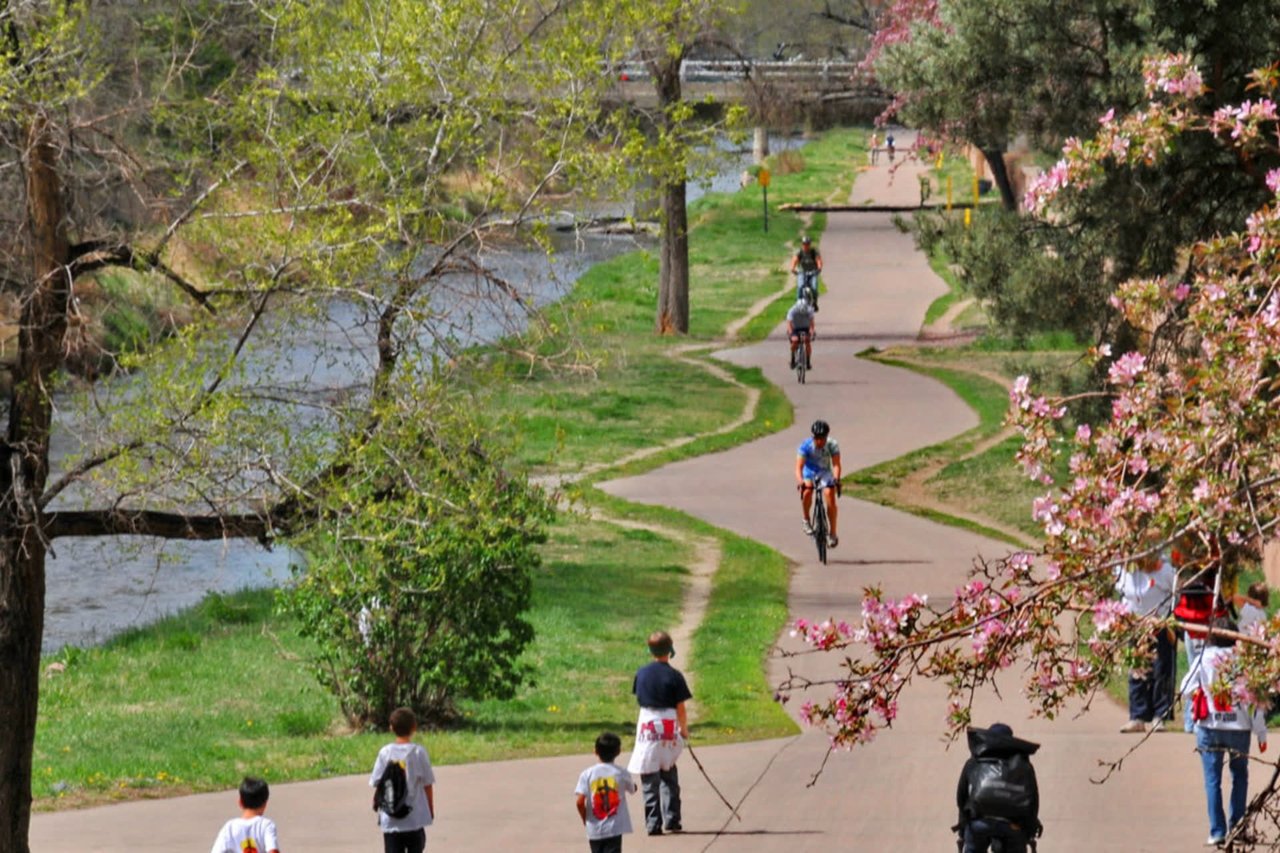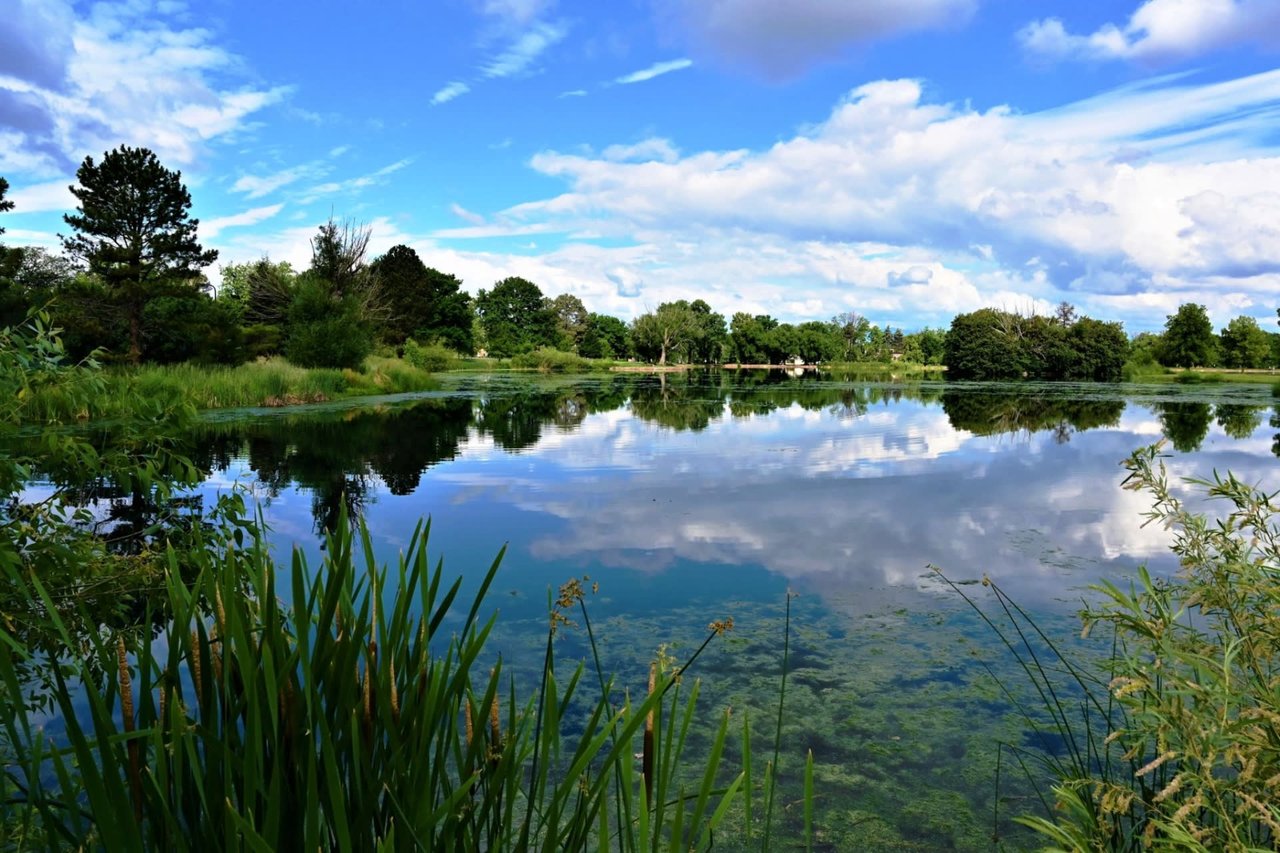
On festival Saturday, Sloan's Lake had its familiar late-summer look. Boats lined up along the shore before 8 a.m., paddlers stretched in the grass, and by mid-morning the 2.6-mile loop was thick enough with people that walking it at a normal pace took real effort. The Colorado Dragon Boat Festival returned for its 26th year that weekend, and 9News reported that organizers expected between 180,000 and 200,000 people across the two days, making it one of the largest gatherings this park sees all year. There was no parking on site. A free shuttle ran from Auraria Campus.
If you live here, none of that is news. The festival also brought attention to the lake's water conditions.
Water Conditions and the Festival
The festival nearly ran into trouble because of the lake, not crowds or heat, before race weekend. Drought had lowered the water by about two feet, and water temperatures had reached the 80s; the city sent Public Health and Environment staff to test for harmful algae before race weekend. The assessment came back clear. Denver Parks and Recreation put it plainly in a statement, as 9News reported:
"Sloan's Lake is in pretty good shape considering the time of year, heat, and drought we've been dealing with."
Colorado Dragon Boat's executive director, Sara Moore, said organizers tested the water and ran practice launches to confirm racing was possible at the then-current depth. It was, barely. She was careful to add that if the lake kept getting shallower, organizers would have to figure something out, because a boat race needs water to float on.
That kind of hedging is the part worth sitting with, because it isn't new. This isn't the first time the lake has forced the festival's hand. In 2021, a toxic blue-green algae bloom shut the lake down entirely, banning all boating, wading, and fishing, and the festival was canceled outright that year. Organizers responded by launching a brand-new companion event, a regatta held in Adams County where the water was clear, and that satellite race has run every year since. Three summers later, The Colorado Sun reported that during a stretch of near-100-degree days in late July 2024, at least 2,000 carp and crappies turned up dead after water temperatures hit 80 degrees and a fast-moving algae bloom stripped the oxygen out of sections of the lake. City crews pumped in cold water from the park's irrigation system and the Rocky Mountain Ditch to stop the die-off, and the Dragon Boat Festival went ahead that very same weekend, unaffected by the fish dying a few hundred yards away. Then last year, an algae bloom forced organizers to push the entire festival back to September, the closest the event has come to losing its usual late-summer date since 2021.
Lake conditions have been a recurring consideration for the festival.
Why the Water Runs the Way It Does
The mechanism behind this isn't a mystery, and it isn't new. As Rocky Mountain PBS reported, Sloan's Lake used to be roughly 15 feet deep. A Denver environmental assessment has since documented that it now runs closer to 3.5 feet in significant portions, the result of decades of sediment building up on the lake bed with no dredging to remove it. Shallow water heats up fast in a Denver summer, and warm, nutrient-rich water is exactly the environment blue-green algae, technically cyanobacteria, needs to bloom. The lake isn't unlucky. It's shallow, and shallow water in a drought behaves the way shallow water behaves.
It wasn't always this way. From 1891 to 1914, the shoreline hosted Manhattan Beach, a lakeside amusement park with swimming as its main draw. Denver Parks and Recreation now prohibits swimming outright, citing both the algae risk and the shallow water itself, though kayaks, paddleboards, and other non-motorized craft are still allowed when conditions permit. Longtime residents remember when that wasn't the rule. Basha Cohen, who lives a hundred yards south of the park, has talked publicly about wanting the lake back to what it was before the dead fish and the warning signs telling you not to let your dog drink the water.
The nonprofit tracking all of this closely is the Sloan's Lake Park Foundation, and its advocates have been direct about the fix and its price tag. Kurt Weaver, who works with the foundation, has put the cost of dredging the lake back toward its original depth at $120 to $130 million, an estimate built on findings from Denver Parks and Recreation and the Mile High Flood District. Without federal grant money, that figure is the honest obstacle. Until it materializes, the pattern holds: watch the temperature, watch the water, hope for rain.
Bloom Patterns at Sloan's Lake
As The Colorado Sun reported, Colorado's Department of Public Health and Environment has tracked confirmed bloom events at Sloan's Lake year over year: six in 2019, twelve in 2020, twenty in 2021, eleven in 2022, and twenty again in 2023. A department spokesperson has noted that blooms typically run from July 4 through October, and that early blooms in a given June can be a signal the rest of the season won't be gentle. That July-to-October window is when blooms typically occur.
None of this shows up on a restaurant list. It shows up in the instinct, the one longtime residents have without thinking about it, to glance at the water before deciding whether this is a paddleboard weekend or a rooftop weekend.
What the Rooftops Are Actually For
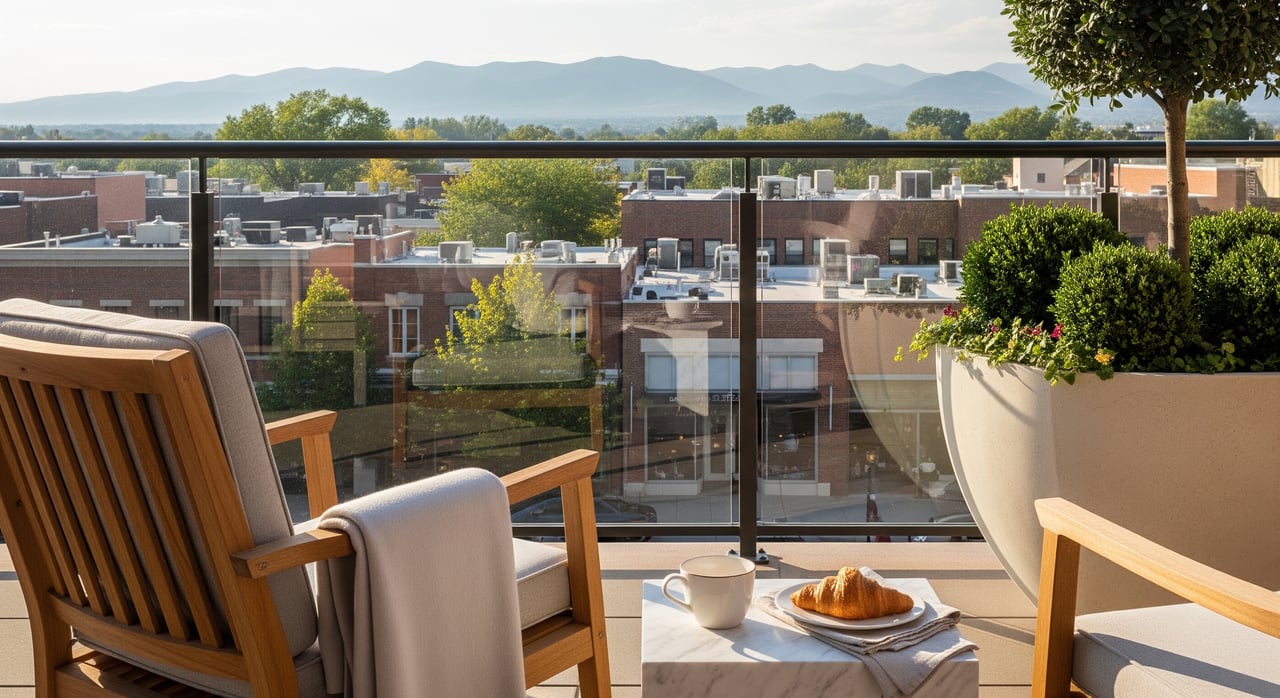
That instinct is exactly why the two rooftop bars facing each other across the lake have become more than places to get a drink. Odell Brewing's Sloan's Lake Brewhouse, on the corner of 17th and Perry, pours from sixteen of its own taps and looks out over the water and the Front Range from its rooftop patio. Directly across the lake at 25th and Sheridan, Joyride Brewing runs its own sun-facing rooftop. During festival weekend, with the water down and the race lanes crowded, those two decks were the best seats in the neighborhood, close enough to watch the boats and high enough to stay out of the crush on the grass.
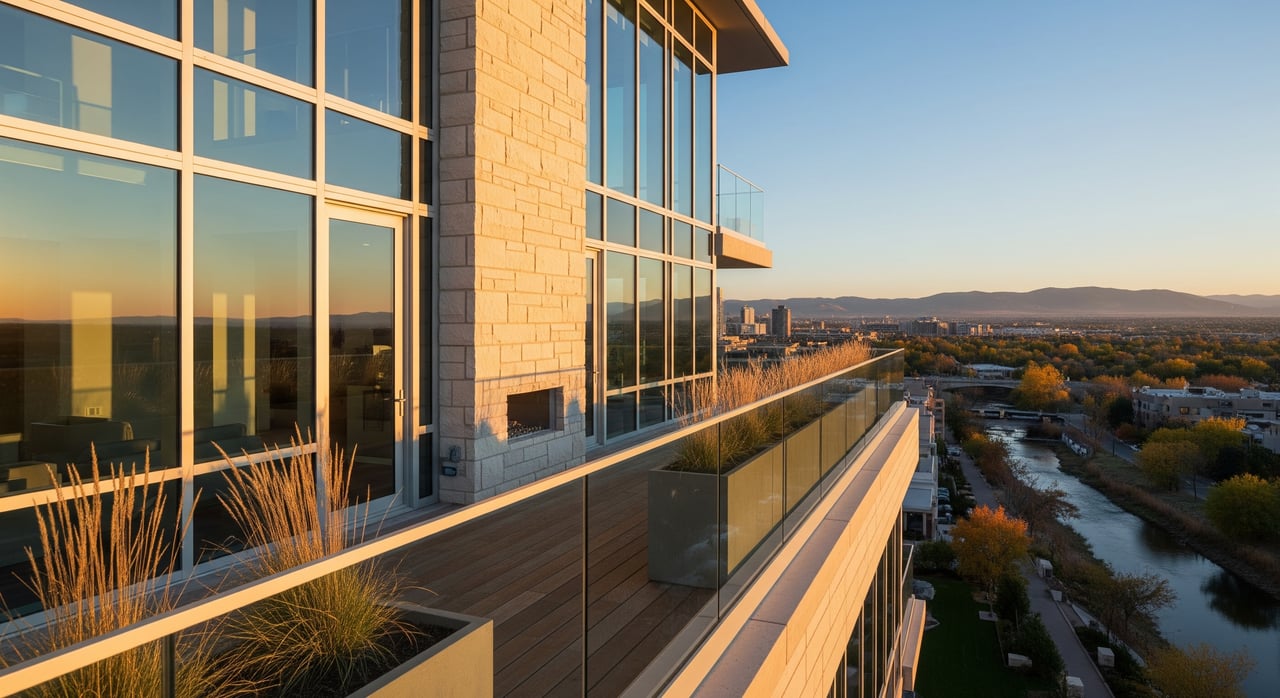
The corner of 17th and Raleigh has its own draw for after the race. Restaurateur Lon Symensma opened Gusto, an Italian concept, and ChoLon, his modern Asian restaurant, side by side in the Lakehouse condo building, and both look straight out at the water. ChoLon's soup dumplings, filled with gruyere and French onion soup, have made the location a fixture for residents who want dinner without leaving the shoreline.
One more thing worth knowing if you're planning anything of your own on park land this fall: construction has knocked out electricity across Sloan's Lake Park until further notice, according to Denver Parks and Recreation's own event guide. Any power needs a generator, and anything over 5 kilowatts needs to be sited with park staff first. It won't affect your Saturday picnic or your evening lap around the loop. It will affect anyone hoping to plug a speaker into an outlet near the boathouse the way people used to.
The lake is central to the festival, and water levels and temperatures can affect whether racing is possible. Checking current conditions is part of planning activities on the water.
If you're weighing a move to a neighborhood where the local knowledge runs this deep, Alex Rice can help you start your home journey with the kind of insight you won't find on a portal listing.
This article is general information, not legal, tax or financial advice. Consult a qualified professional about your situation.